

From a BMWGroupDesignworks.com webpage:
 The camper is a light, mobile dome made of FUTURELIGHT™ material and heavy-duty geometry. As the fabric stretches over a geodesic dome, it creates a natural, weather-proof space. Somewhere to sleep after a day of hiking, or a place to take cover when nature is being, well, nature.
The camper is crafted on top of a highly-mobile platform, providing a comfortable cave for two people. The interior includes camping essentials, such as a bed and table, while still providing the feeling of a free space in nature due to its dome structure.
To read more:
https://www.bmwgroupdesignworks.com/case_studies/the-north-face-camper/
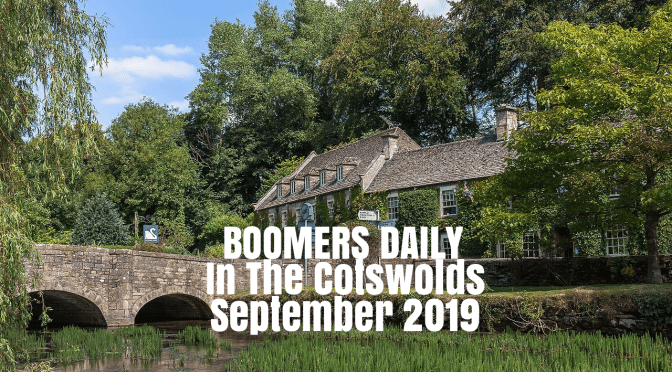
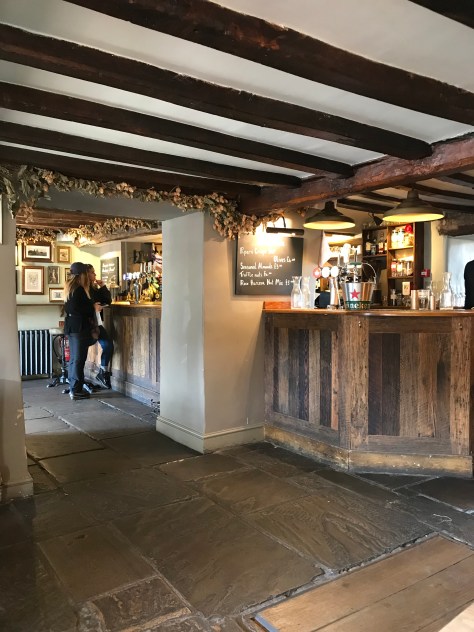
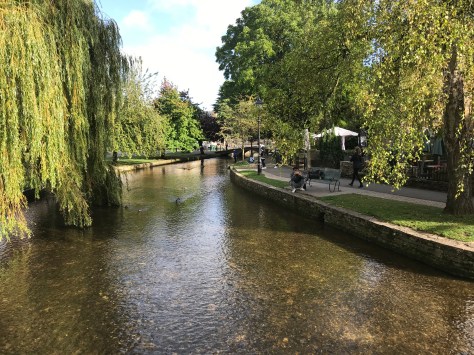
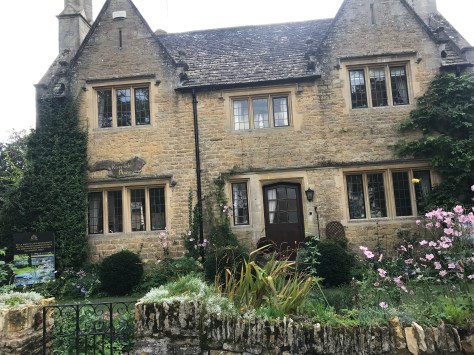
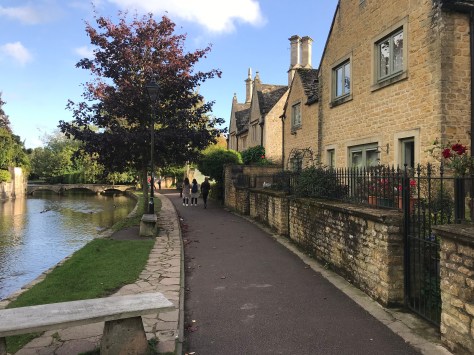
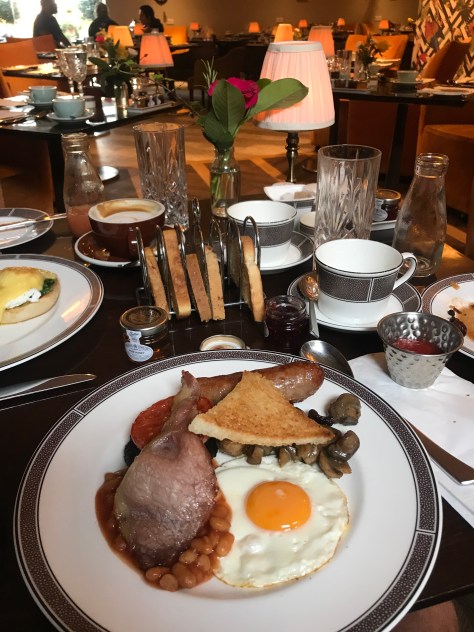
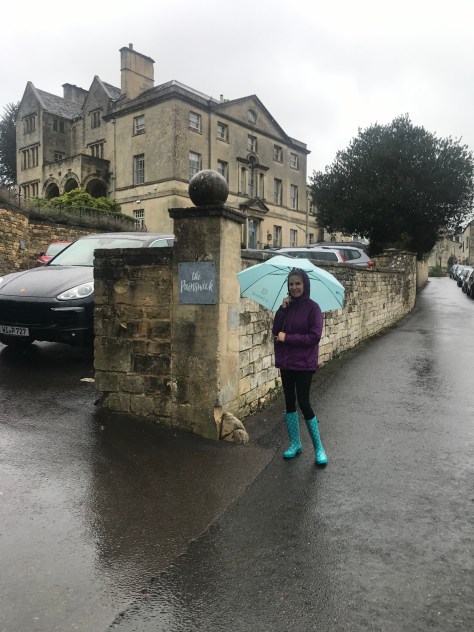
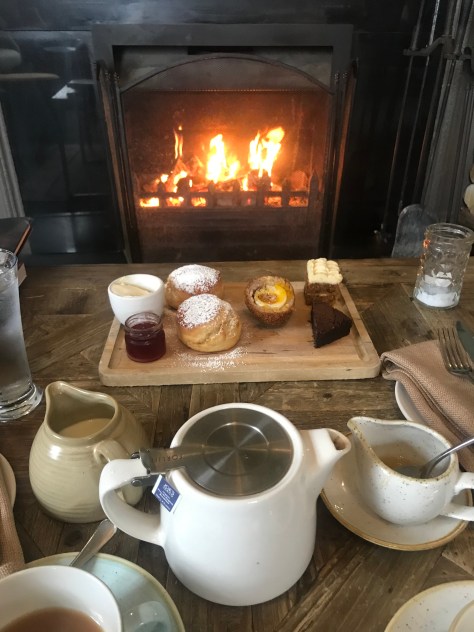
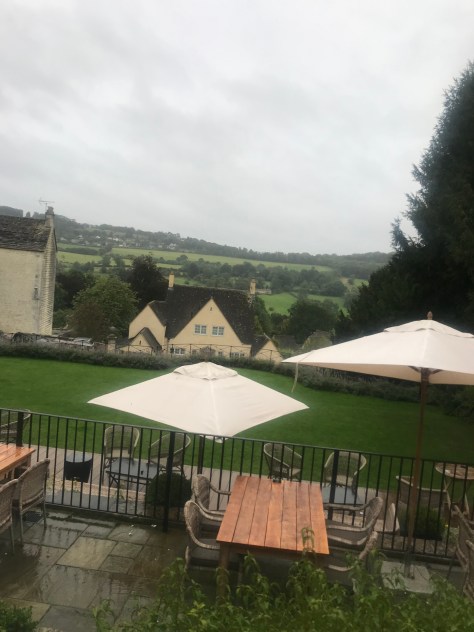
 Left The Painswick after a fine British breakfast (highlighted by fabulous, freshly made crumpets and a berry compote), we drove into a heavy rain toward Cirencester and the on to Bibury for a 3-night stay at The Swan Hotel.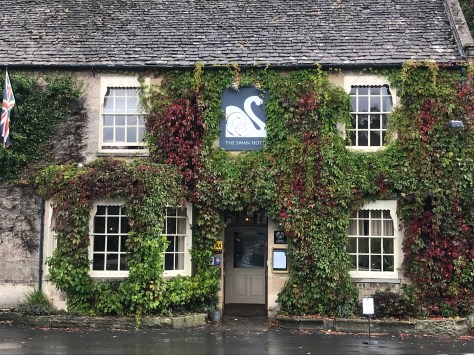
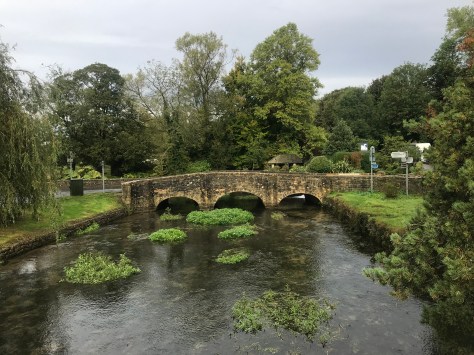
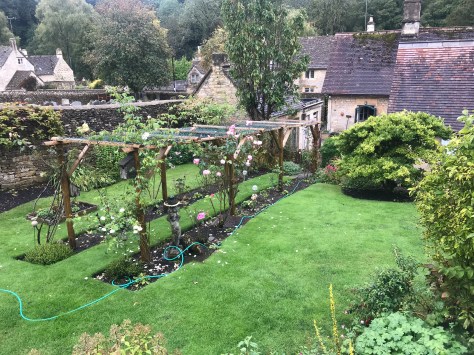
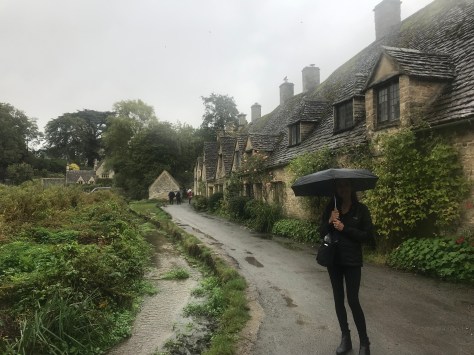
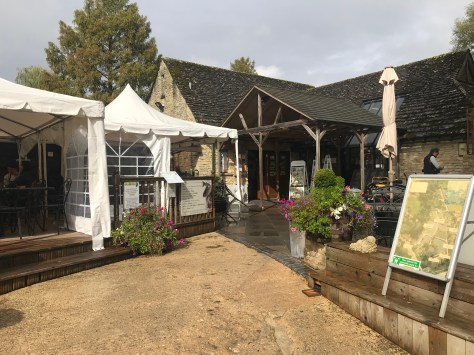
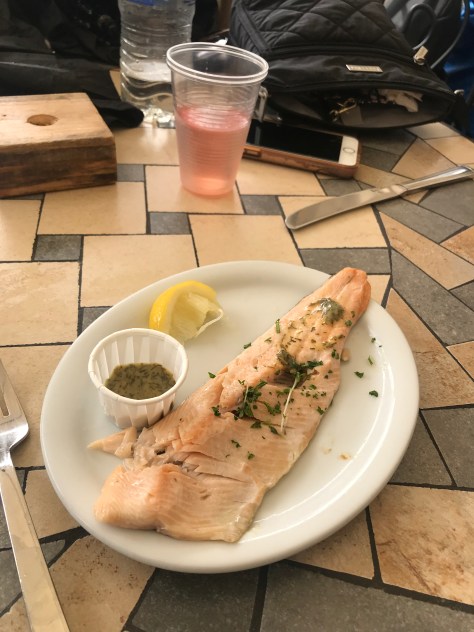
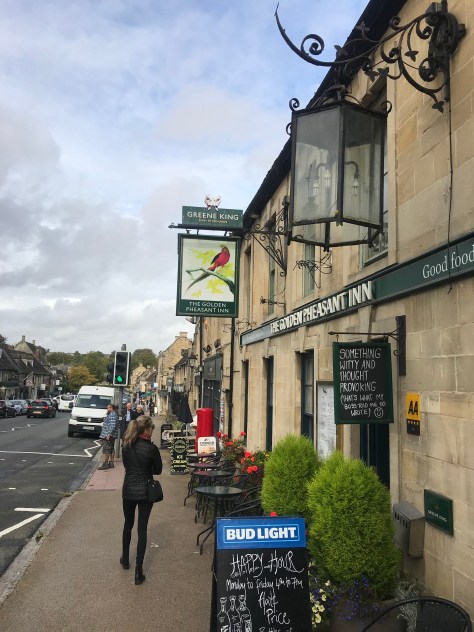
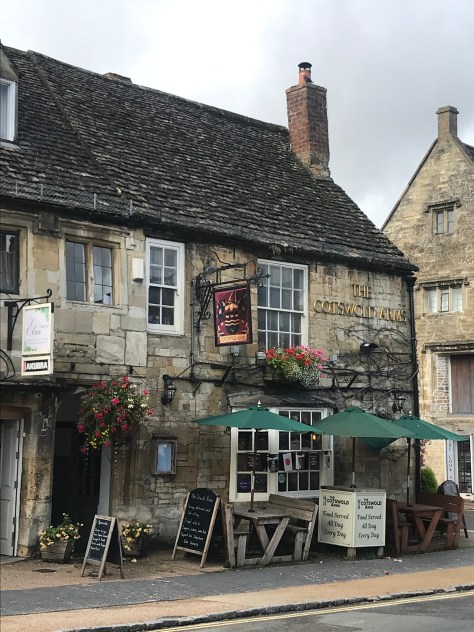
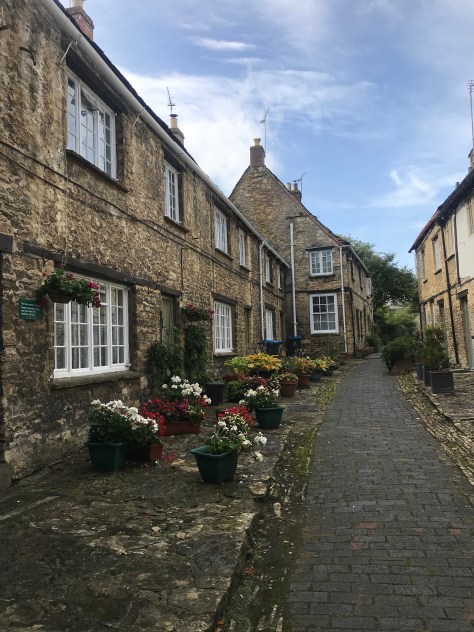
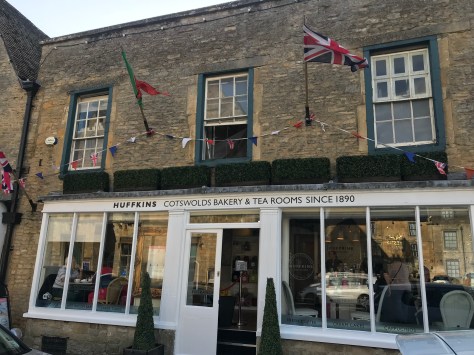
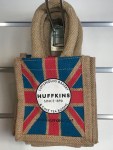 The finest brownie in the world (layered peanut butter, chocolate fudge) was waiting for us at Huffkins Bakery. That and an iced coffee is worth a flight to London and the drive to Stow.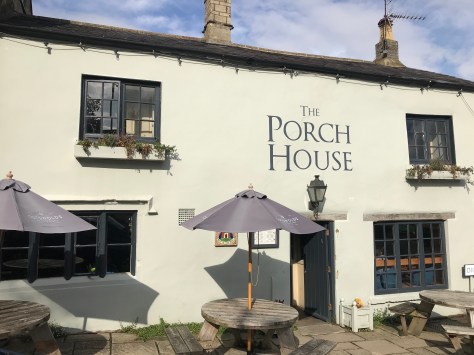

 America’s most storied urban underdog, Brooklyn has become an internationally recognized brand in recent decades—celebrated and scorned as one of the hippest destinations in the world. In Brooklyn: The Once and Future City, Thomas J. Campanella unearths long-lost threads of the urban past, telling the rich history of the rise, fall, and reinvention of one of the world’s most resurgent cities.

 Long ago bypassed by an interstate, the skinny, two-lane Historic Columbia River Highway has seen little change since its completion in 1922 as the United States’ first planned scenic roadway. The route winds above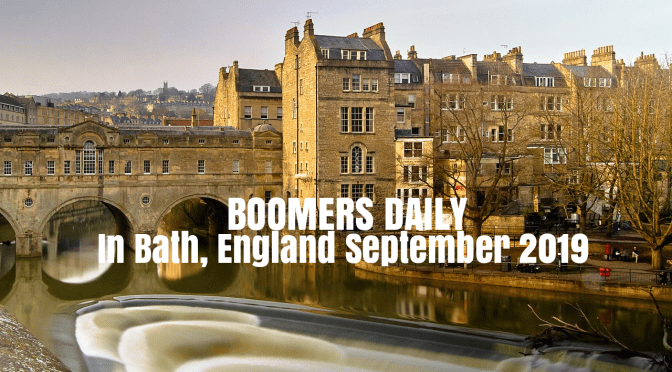
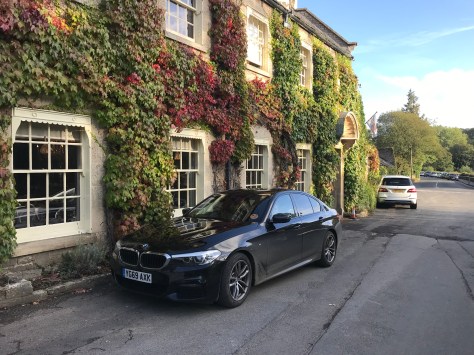
 Picked up a very nice BMW 520 Diesel at Victoria Station at 9:30 am. GPS is a must as there is always a learning curve driving on the left side of the road.
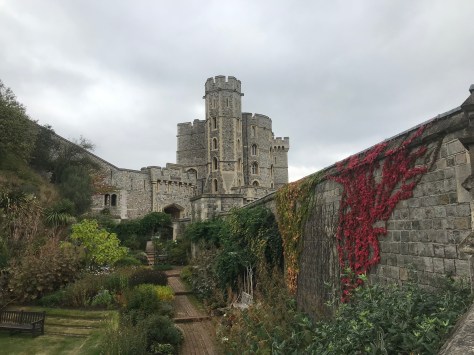
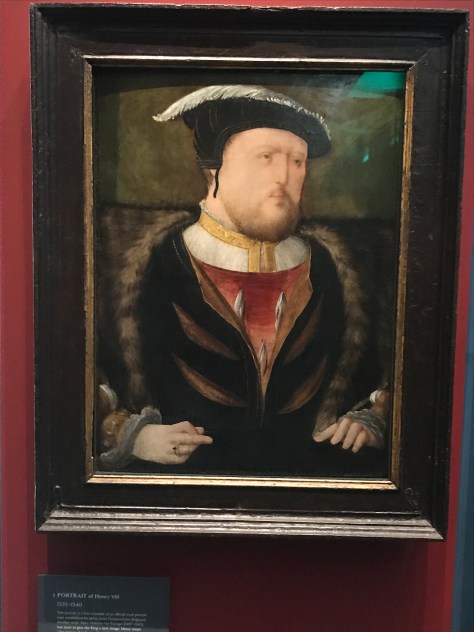
 Drove to Windsor Castle and arrived at about 11. Very light crowds as it was threatening rain, but the tour did not disappoint. Beautiful collections of gold and silver work, paintings by Hans Holbein the Younger (who painted Henry VIII and Thomas Cromwell in the 16th Century), and amazing tapestries.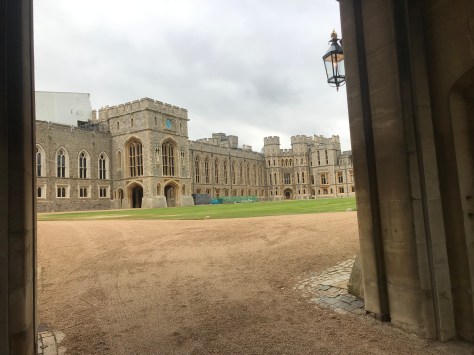
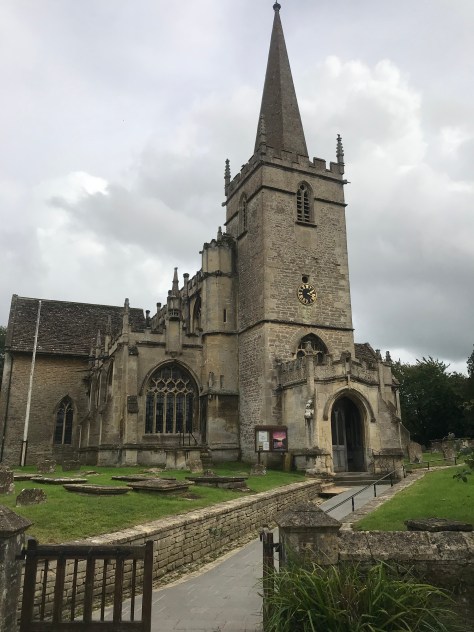
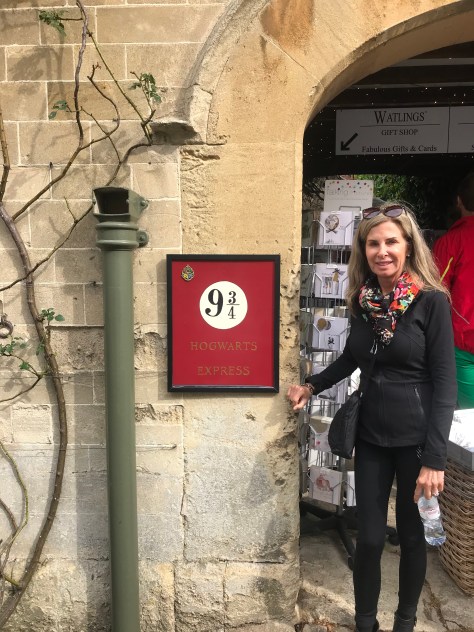
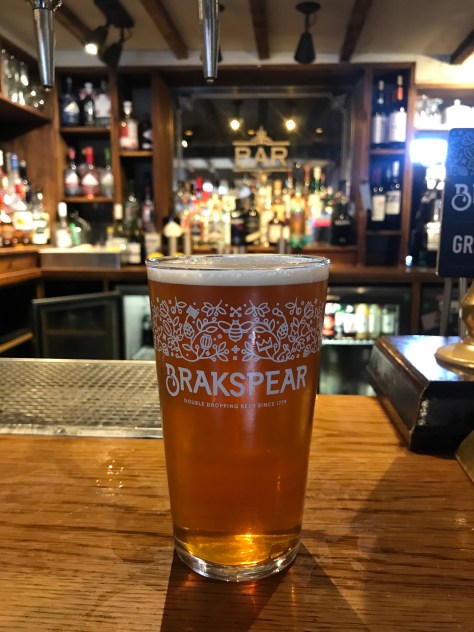
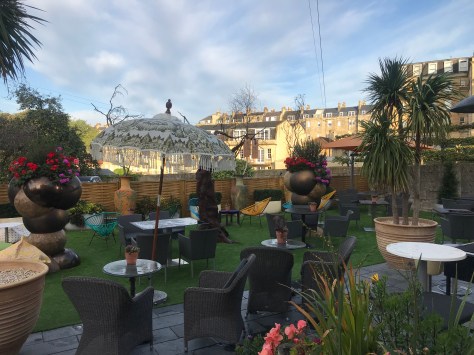
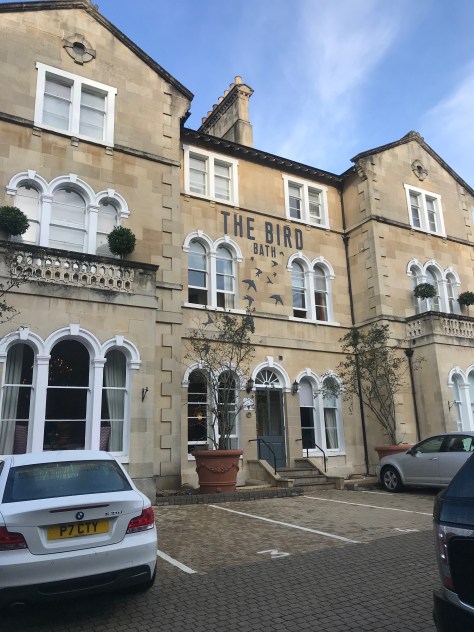
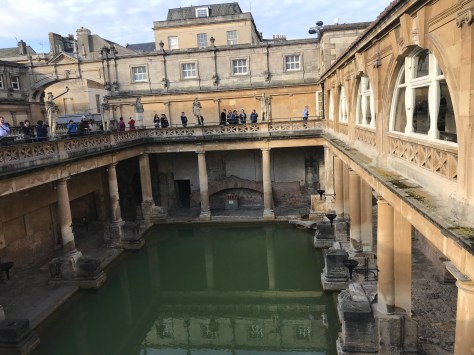
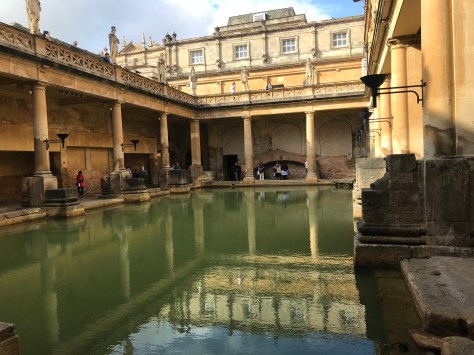
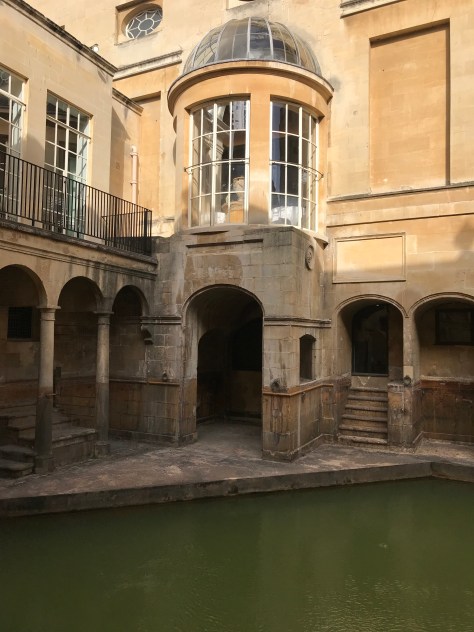
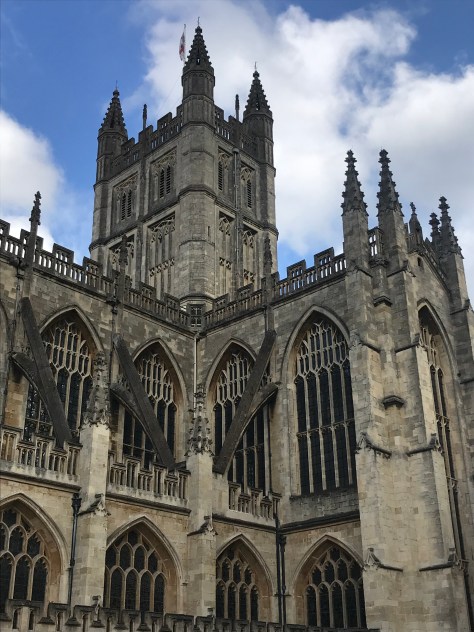
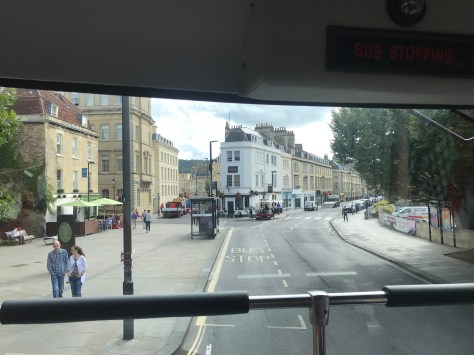
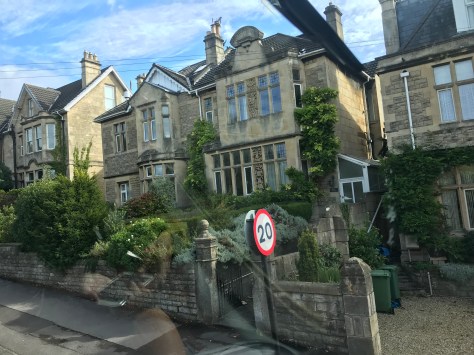
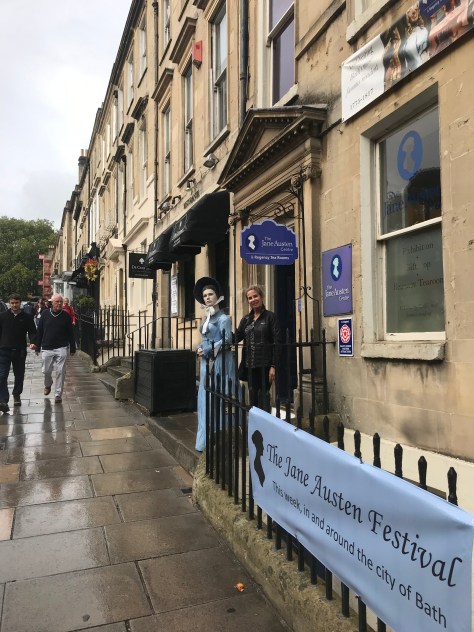
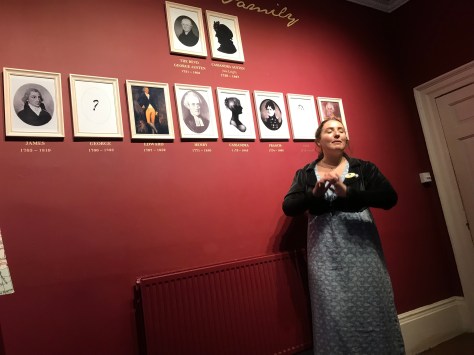
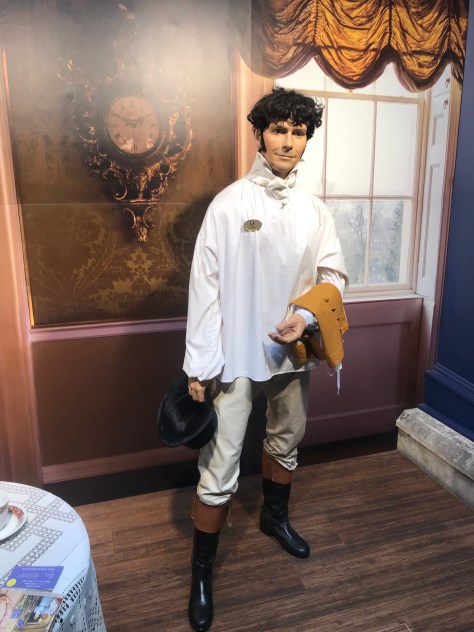
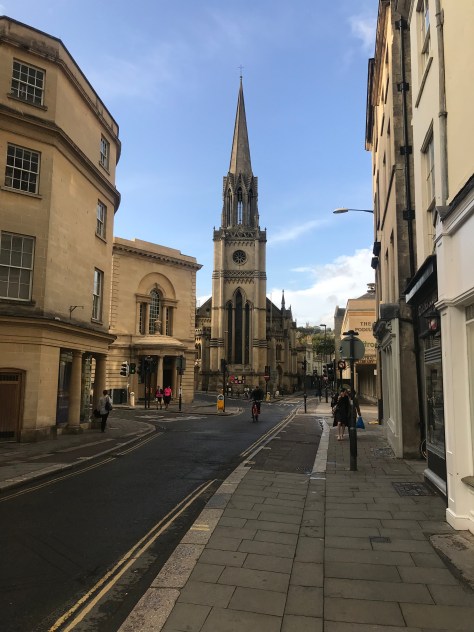
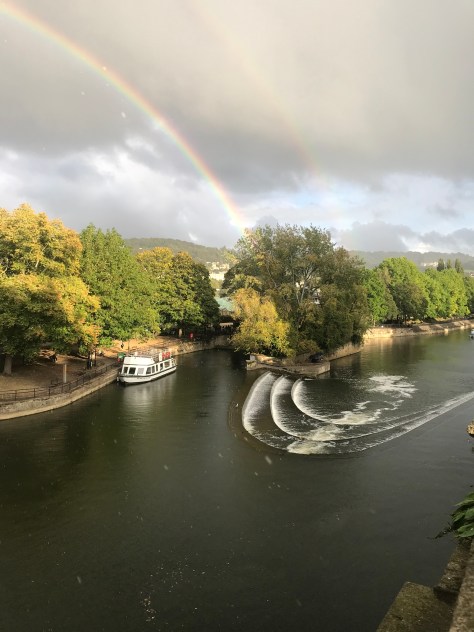
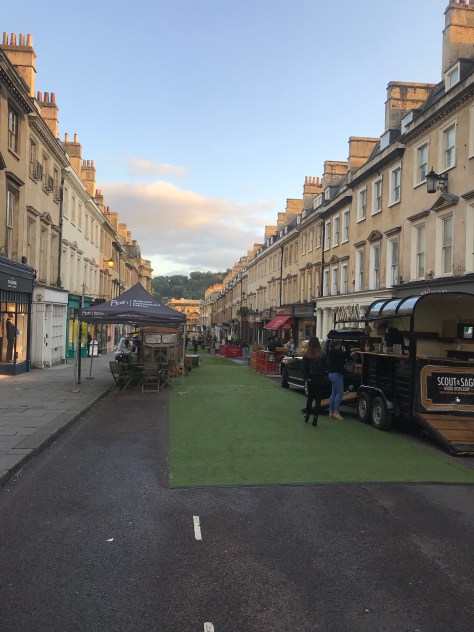
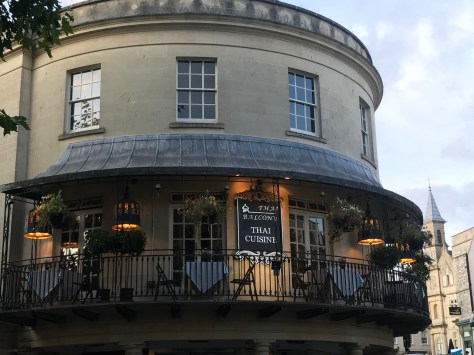
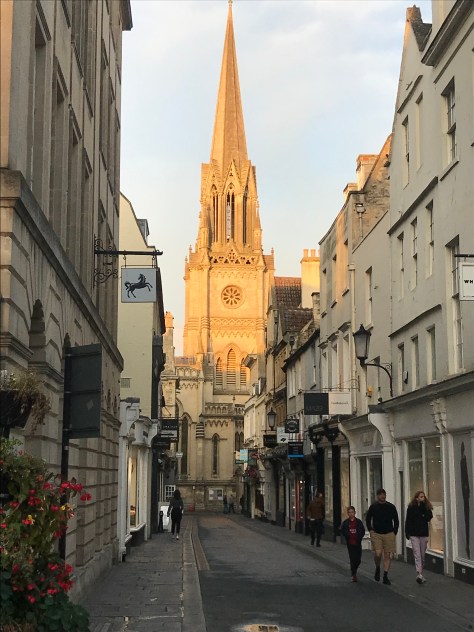
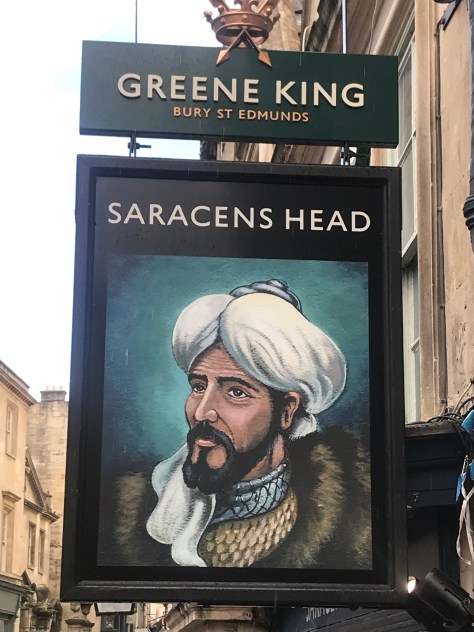
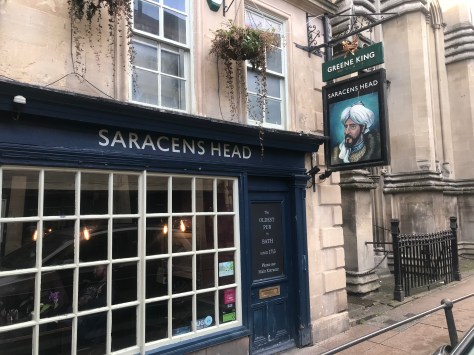
 After a quick pint of a Wadworth Swordfish Rum Infused Ale, we finished the drive at our Hotel, The Bird, in Bath.

 TRAVEL DRAWINGS
 This approach stems from my own formal education and the unique 10-year period in contemporary history in which I studied architecture. Occupying both “paper” and virtual / digital environments, I learned the fundamentals at Tulane University using purely traditional architectural methods of representation. By the time I earned my Masters from Columbia University, the pedagogy had radically changed, wherein the old, analog systems of production were abandoned for a purely paperless studio that solely engaged digital technologies such as Maya, Max and Photoshop. Working within both territories, I learned that each medium has a profound effect on the way in which we draw, design and understand architectural space and form.
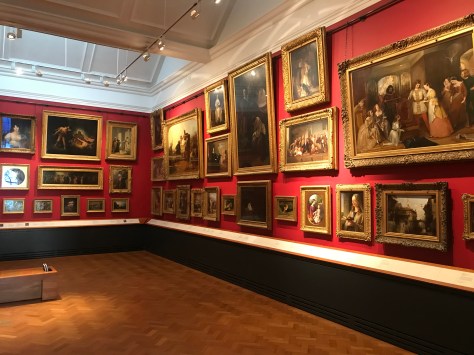
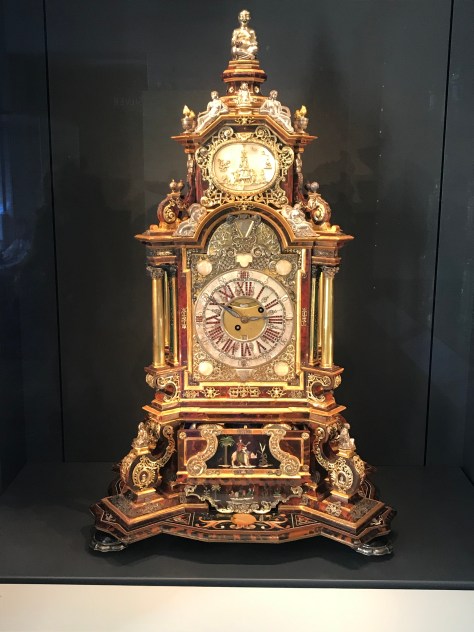
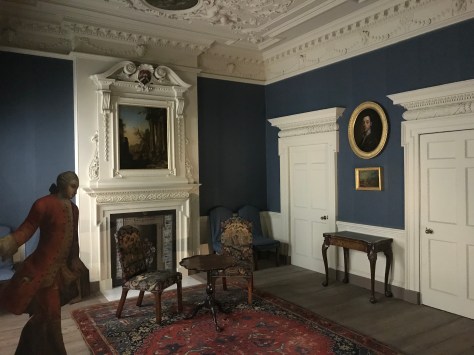
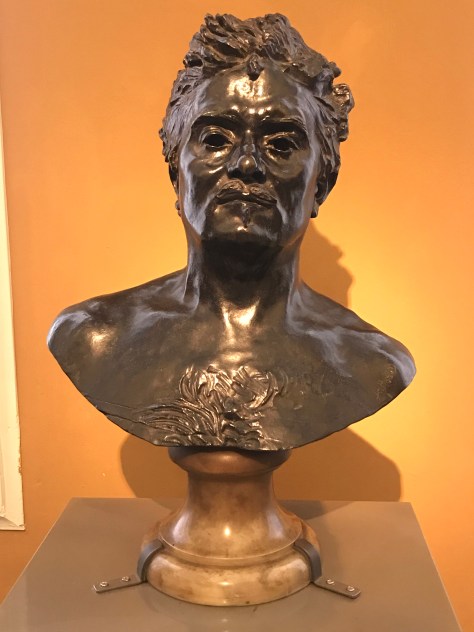
 After a great British breakfast, hopped on the Tube at Tower Hill and headed for the South Kensington station. Arrived at the Victoria & Albert Museum as it opened at 10.




















 Boomers Daily