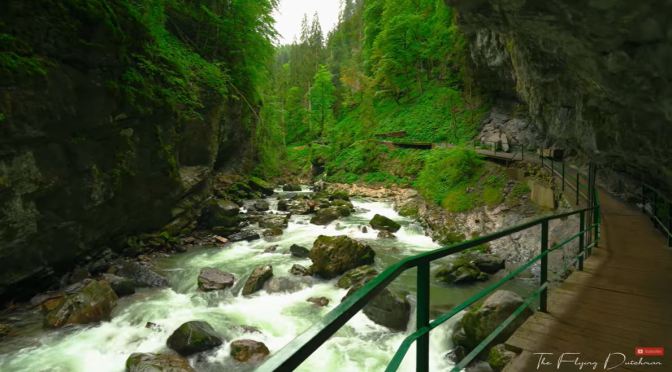
Hikes: Breitachklamm Gorge In The Allgäu, Southern Germany (8K)

The Breitachklamm is a gorge created by the river Breitach in the Allgäu region in Southern Germany. It is located at the exit of the Kleinwalsertal near Tiefenbach, a city district of Oberstdorf. It is one of the deepest gorges of the Bavarian Alps and the deepest rocky gorge of Central Europe.

Every year around 300.000 visitors walk the 2.5 km long path through the gorge. The upper entrance of the Breitachklamm is located near the Walserschanz in Austria, with limited parking space, whereas the lower one in Oberstdorf-Tiefenbach offers a visitor center and ample parking. The Breitachklamm was formed only during the last 10,000 years after the Würm ice age. Glaciers had eroded soft rocks, and hard rocks remained. When the glaciers had melted, the Breitach river had to grind its way through the hard rocks, over a distance of 2.5 km and up to 150 metres (490 ft) deep.
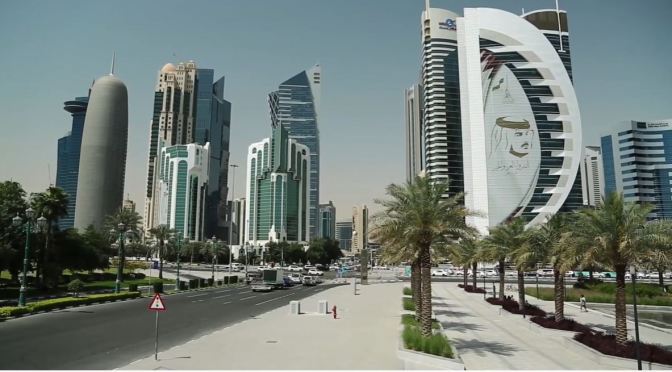

Persian Gulf Views: Doha – Capital Of Qatar (4K)

Doha, Arabic Al-Dawḥah, city, capital of Qatar, located on the east coast of the Qatar Peninsula in the Persian Gulf. More than two-fifths of Qatar’s population lives within the city’s limits. Situated on a shallow bay indented about 3 miles (5 km), Doha has long been a locally important port. Because of offshore coral reefs and shallow waters, it handled only small vessels until the completion of its deepwater port in the 1970s.

Qatar is a peninsular Arab country whose terrain comprises arid desert and a long Persian (Arab) Gulf shoreline of beaches and dunes. Also on the coast is the capital, Doha, known for its futuristic skyscrapers and other ultramodern architecture inspired by ancient Islamic design, such as the limestone Museum of Islamic Art. The museum sits on the city’s Corniche waterfront promenade.

Remembering 9/11: How It Unfolded 20 Years Ago

Historic Walks: Colonial Williamsburg, Virginia (4K)

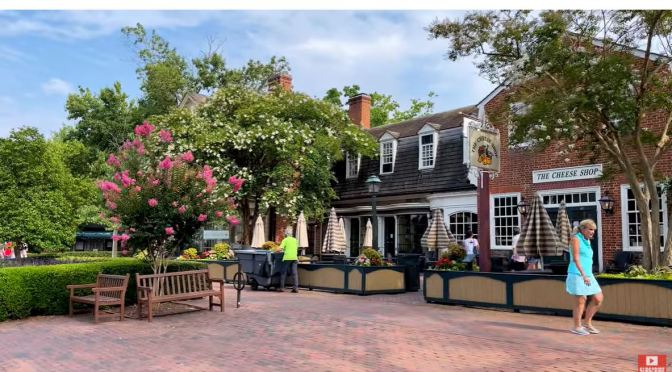
Colonial Williamsburg is a living-history museum and private foundation presenting a part of the historic district in the city of Williamsburg, Virginia, United States.

Its 301-acre (122 ha) historic area includes several hundred restored or re-created buildings from the 18th century, when the city was the capital of Colonial Virginia; 17th-century, 19th-century, and Colonial Revival structures; and more recent reconstructions. An interpretation of a colonial American city, the historic area includes three main thoroughfares and their connecting side streets that attempt to suggest the atmosphere and the circumstances of 18th-century Americans. Costumed employees work and dress as people did in the era, sometimes using colonial grammar and diction (although not colonial accents).[4]

Views: Helicopter Flight Over Santorini, Greece (4K)

Santorini is one of the Cyclades islands in the Aegean Sea. It was devastated by a volcanic eruption in the 16th century BC, forever shaping its rugged landscape. The whitewashed, cubiform houses of its 2 principal towns, Fira and Oia, cling to cliffs above an underwater caldera (crater). They overlook the sea, small islands to the west and beaches made up of black, red and white lava pebbles.

Walking Tour: Stuttgart – Southwest Germany (4K)

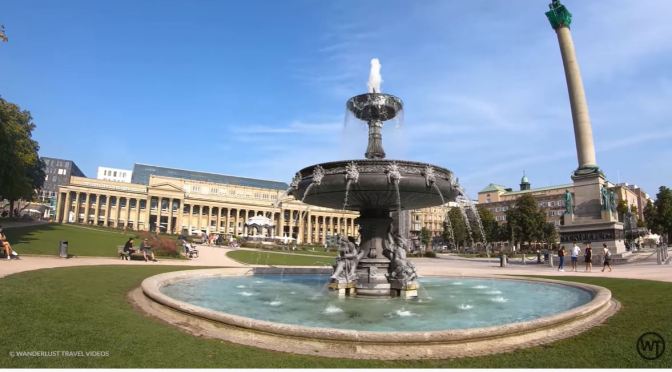
Stuttgart, capital of southwest Germany’s Baden-Württemberg state, is known as a manufacturing hub. Mercedes-Benz and Porsche have headquarters and museums here. The city is filled with greenspaces, which wrap around its center. Popular parks include the Schlossgarten, Rosensteinpark and Killesbergpark. Wilhelma, one of the largest zoos and botanical gardens in Europe, is just northeast of Rosenstein Castle. 

Travel Views: Ottawa – Southeast Canada (4K)

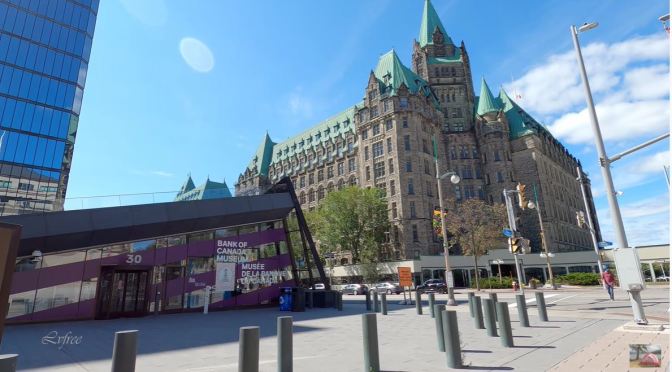
Ottawa is Canada’s capital, in the east of southern Ontario, near the city of Montréal and the U.S. border. Sitting on the Ottawa River, it has at its centre Parliament Hill, with grand Victorian architecture and museums such as the National Gallery of Canada, with noted collections of indigenous and other Canadian art. The park-lined Rideau Canal is filled with boats in summer and ice-skaters in winter. 

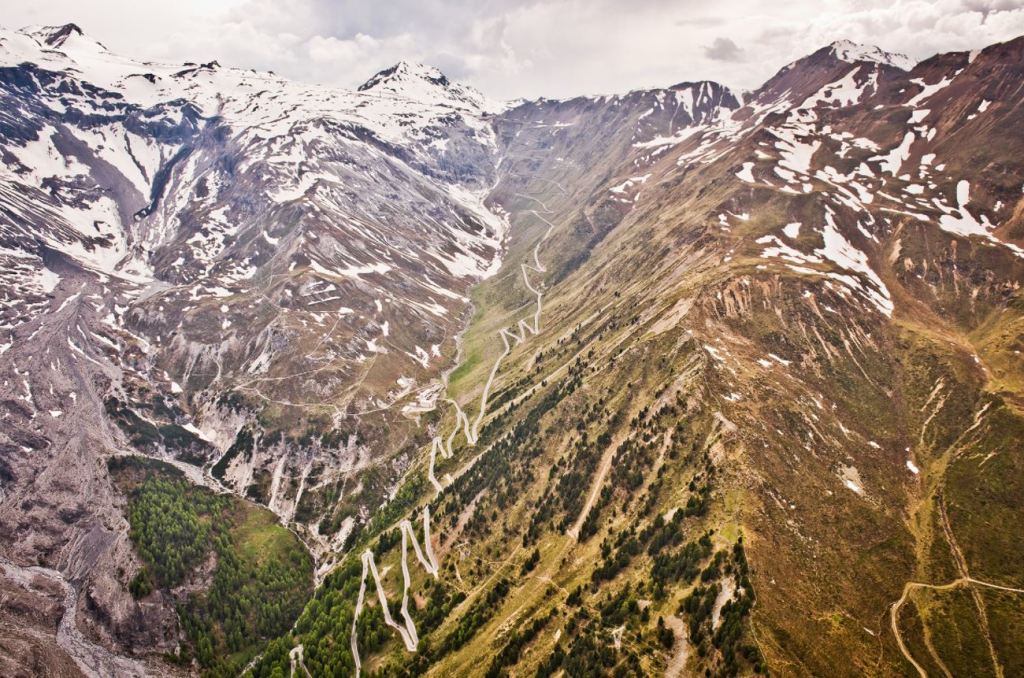
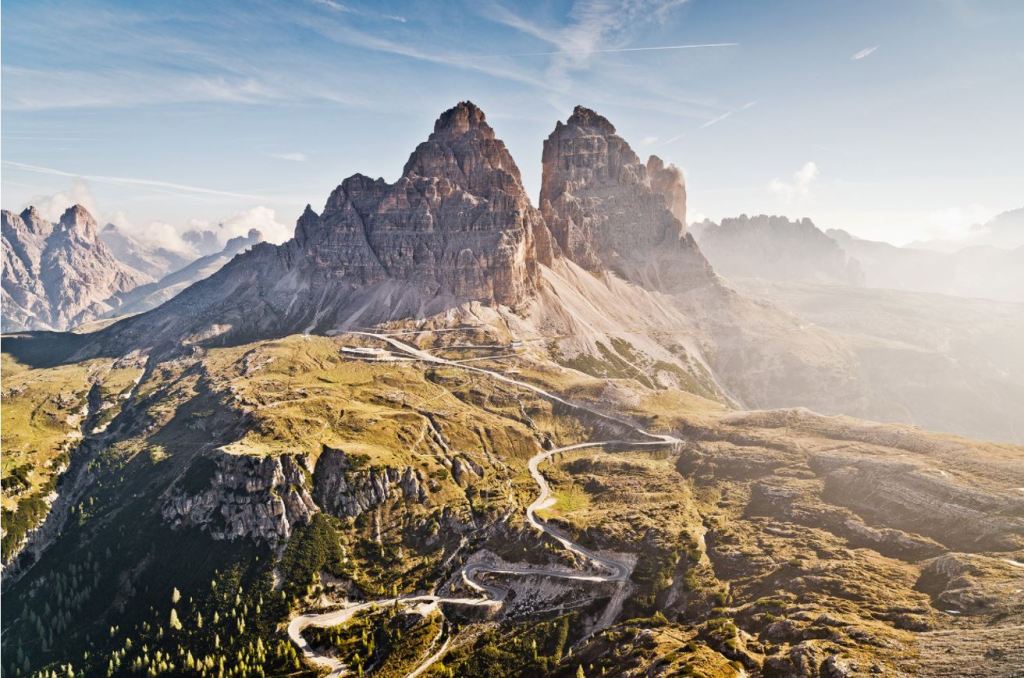
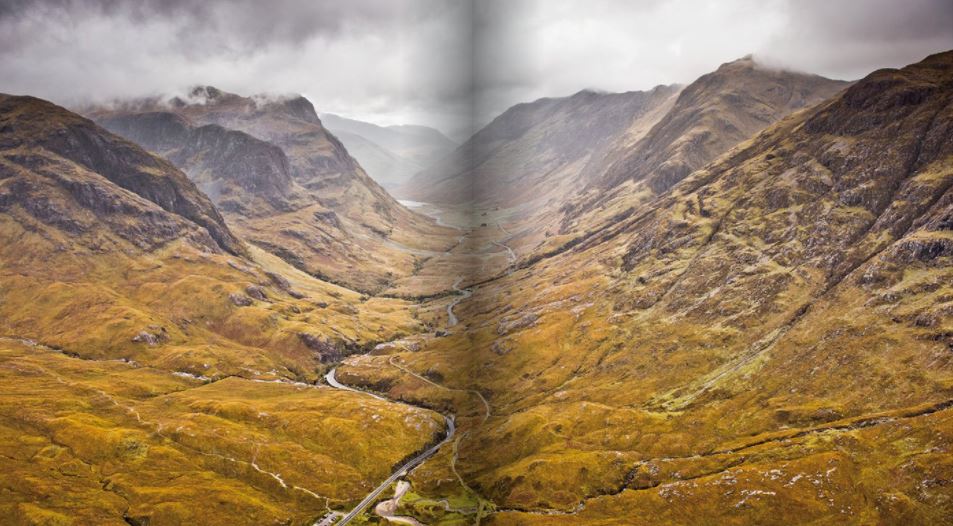
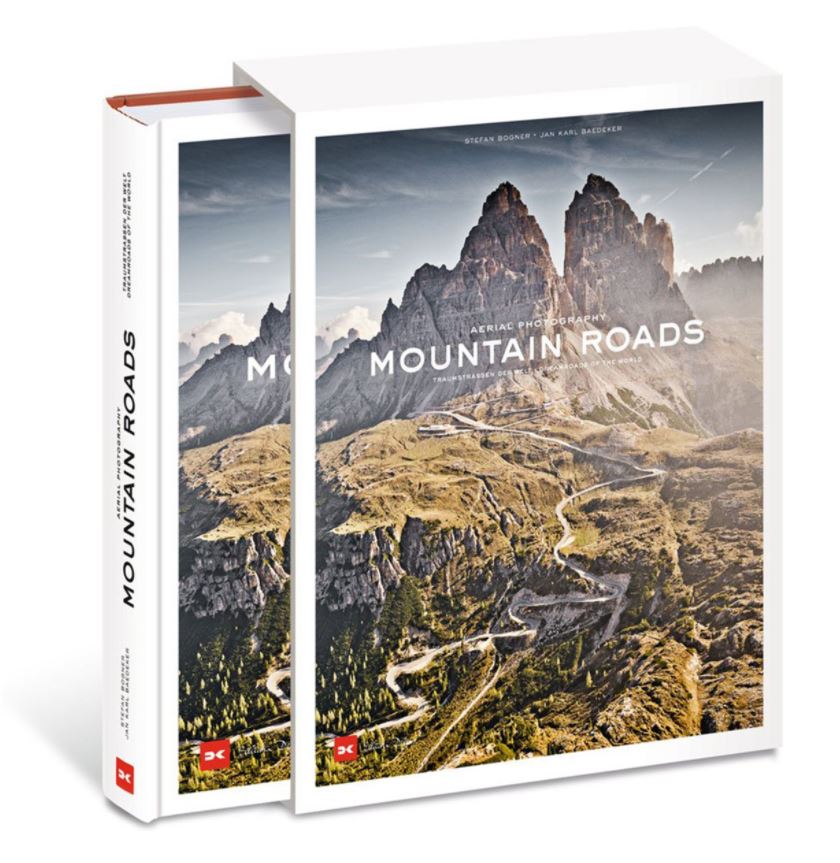
Photography: ‘Mountain Roads’ By Stephan Bogner & Jan Baedeker (2021)

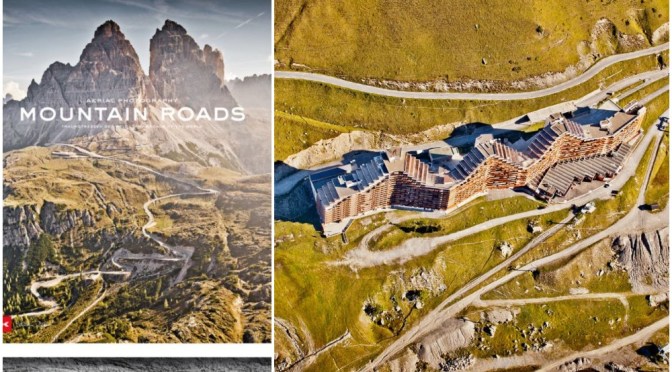
The new book «Mountain Roads» by photographer Stefan Bogner and author Jan Baedeker is a 496-page tribute to the world’s most beautiful hairpins, serpentines, and alpine roads.

The mountain was there yesterday. And it’ll be there tomorrow. It has no interest in us. Its sense of time is geological, we’re little more than a moth that has landed on its broad flanks a moment ago: the prehistoric hunters, the Roman legions, the pilgrims and medieval traders, the road builders with their dynamite, the royal carriages, the puffing steam trains, the freezing soldiers with their rifles, the first motorists wrapped in clouds of dust and the echo of their engines, the cyclists and their iron thighs and tight trousers, the honking postal coaches, motor-homes and buses, the roaring racing machines – the mountain couldn’t care less. Mule tracks, military thoroughfares, trade routes, panoramic roads – merely fleeting shadows on its elephant skin. When a wave of rock piles up and breaks in the slowest of all slow motion for a billion years – what then is a decade, a century, a millennium? 

Read morehttps://www.classicdriver.com/en/article/travel/ultimate-book-about-mountain-roads-big-and-heavy-a-rock