

March 20, 2023: Xi Jinping heads to Moscow to meet Vladimir Putin. Plus: an Asia-Pacific round-up, a flick through today’s papers, Saddam Hussein’s tourist-attraction superyacht and jewellers preparing for King Charles’s coronation.
Tag Archives: Xi Jinping
News: Biden Meets With Xi At G20 Summit, Kurds In Turkey, Taliban Sharia Law
We report as world leaders meet in Bali for the G20 summit. Plus, Kurdish militants deny involvement in the weekend’s Istanbul attack, the Taliban move to implement sharia law in Afghanistan, Austria’s political scandal and Karen Krizanovich wraps up headlines in film.
Headlines: Germany’s Olaf Scholz Visits China, Russia Set To Abandon Kherson
Germany’s chancellor Olaf Scholz visits China, the first leader of a liberal democracy to do so since the coronavirus outbreak. Plus: reports that Russian troops are ‘likely’ to abandon a city in Kherson, the business news and Andrew Mueller’s weekly round-up.
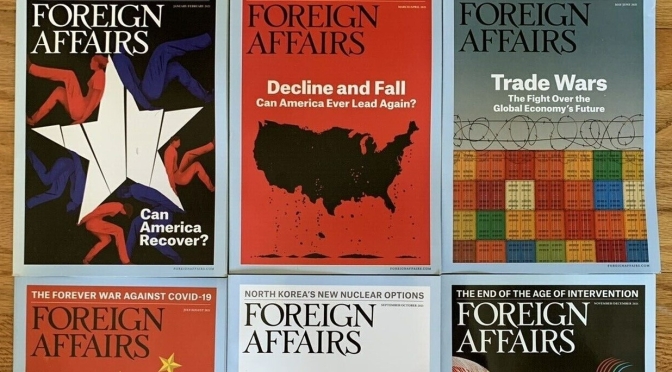
Previews: Foreign Affairs Magazine – Nov/Dec 2022

Inside Foreign Affairs November/December 2022 issue:
The World According to Xi Jinping
What China’s Ideologue in Chief Really Believes
Russia’s Dangerous Decline
The Kremlin Won’t Go Down Without a Fight
The Sources of Russian Misconduct
A Diplomat Defects From the Kremlin

Opinion: A Global House Price Slump, Xi Jinping Era Untied, Antidepressants
A selection of three essential articles read aloud from the latest issue of The Economist. This week, the coming house-price slump, why Xi Jinping has no interest in succession planning (10:10) and how to make better use of antidepressants (19:29).
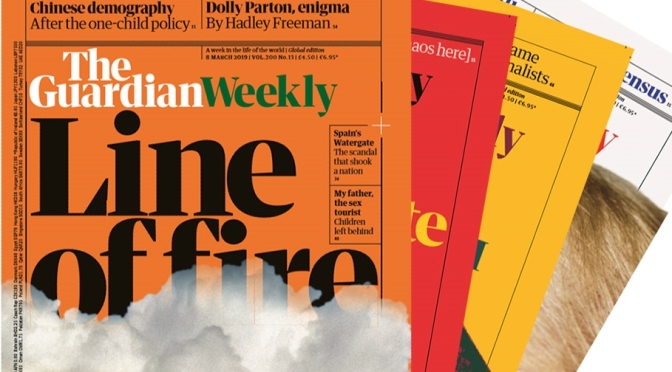
Previews: The Guardian Weekly – October 21, 2022
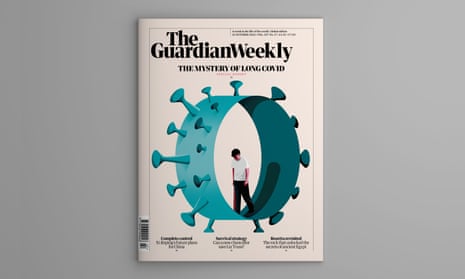
Living with long Covid. Plus Xi Jinping’s historic party congress
The October 21, 2022 cover story this week steps back from the news agenda to explore the impact of living with long Covid. For millions of people worldwide who have survived initial infection with the virus, recovery is slow. Symptoms such as breathlessness, fatigue and loss of smell or taste persist for months and, as our science editor Ian Sample explains, treatments that work for some may not be successful for others.
This week delegates to the Chinese Communist party’s 20th congress are in Beijing where they are expected to rubber stamp Xi Jinping’s historic third term as leader. Our big story looks at what the president’s supremacy means for the country and its closest neighbour – Taiwan – which lives in the shadow of Xi’s avowed intention to bring the island back under China’s tutelage.
Opinion: Xi Tightens His Grip, Emerging Market Calm, Legalizing Cocaine
A selection of three essential articles read aloud from the latest issue of The Economist. This week, China’s next chapter, why emerging markets look unusually resilient (10:05) and why it is time to legalise cocaine (15:40).
An obsession with control is making China weaker but more dangerous
The Communist Party’s five-yearly congress will further tighten one man’s grip
Sunday Morning: Stories From Zurich And London
Monocle’s editorial director, Tyler Brûlé, Priska Amstutz and Benno Zogg on the weekend’s biggest talking points. Plus: ‘Zeit Magazine’ editorial director Christoph Amend and Monocle’s Andrew Tuck and Petri Burtsoff on the latest developments in their areas.
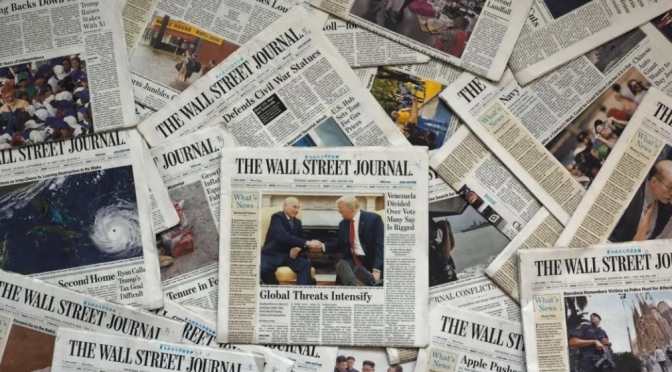
Front Page: Wall Street Journal – October 15, 2022
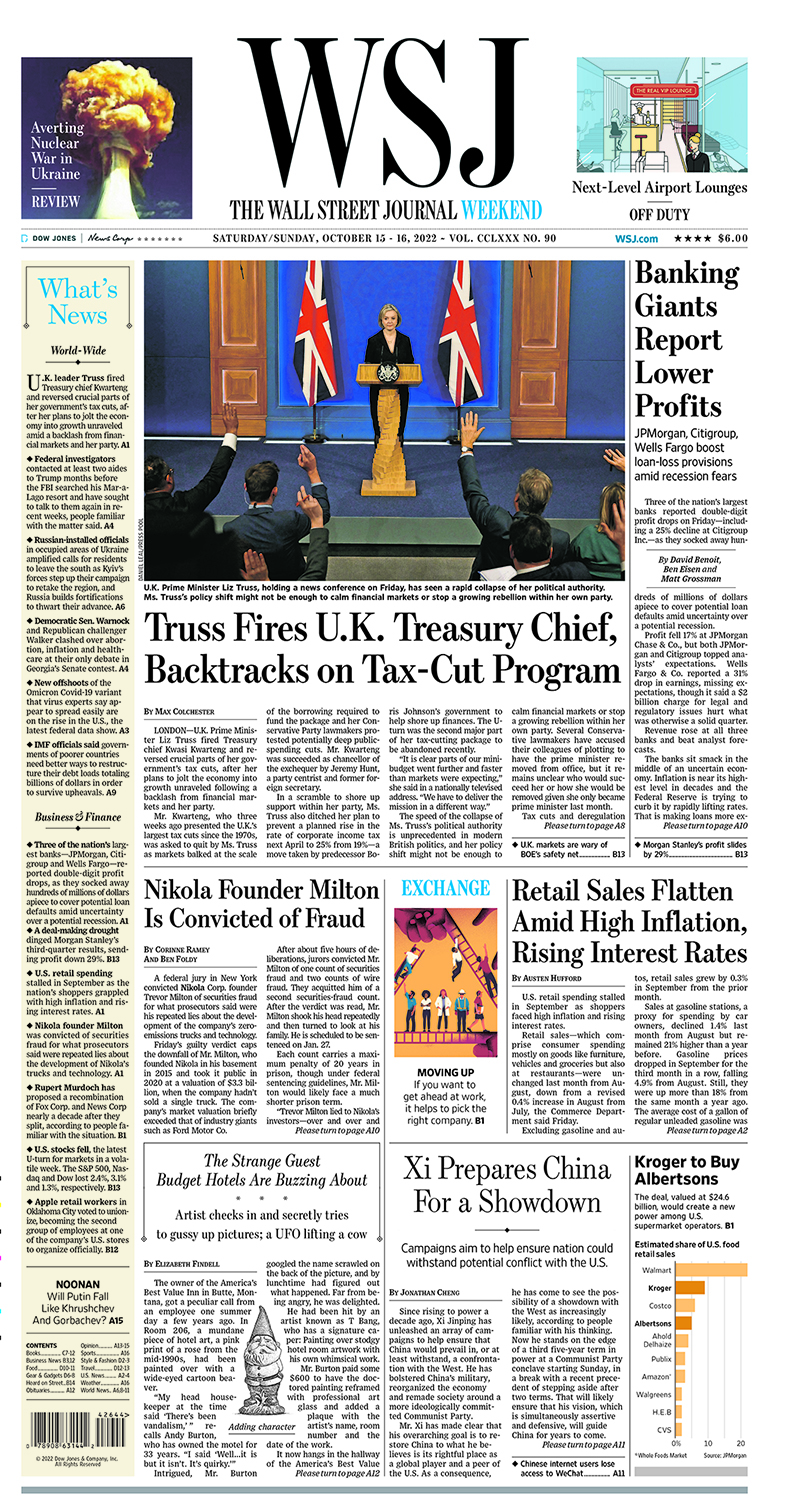
Xi Jinping’s Endgame: A China Prepared for Conflict With the U.S.
Over the past 10 years, Xi Jinping has unleashed an array of military, economic and political campaigns to brace the country for what he sees as the increasingly likely prospect of confrontation with the West.
Russia Urges Evacuation of Occupied Kherson
Russian-installed officials in Ukraine’s south amplified calls for residents to leave as Kyiv’s forces step up their campaign to retake the region and Russia builds fortifications.
OPINION
The Pentagon’s Recruiting Woes
By The Editorial Board | Review & Outlook
The Man Who Said Ukraine Would Win
By Tunku Varadarajan | The Weekend Interview
A More Diverse America Turns Against Racial Preferences
By John Ellis | Commentary
What the Jan. 6 Hearings Accomplished
By The Editorial Board | Review & Outlook

Preview: The Economist Magazine – Oct 15, 2022
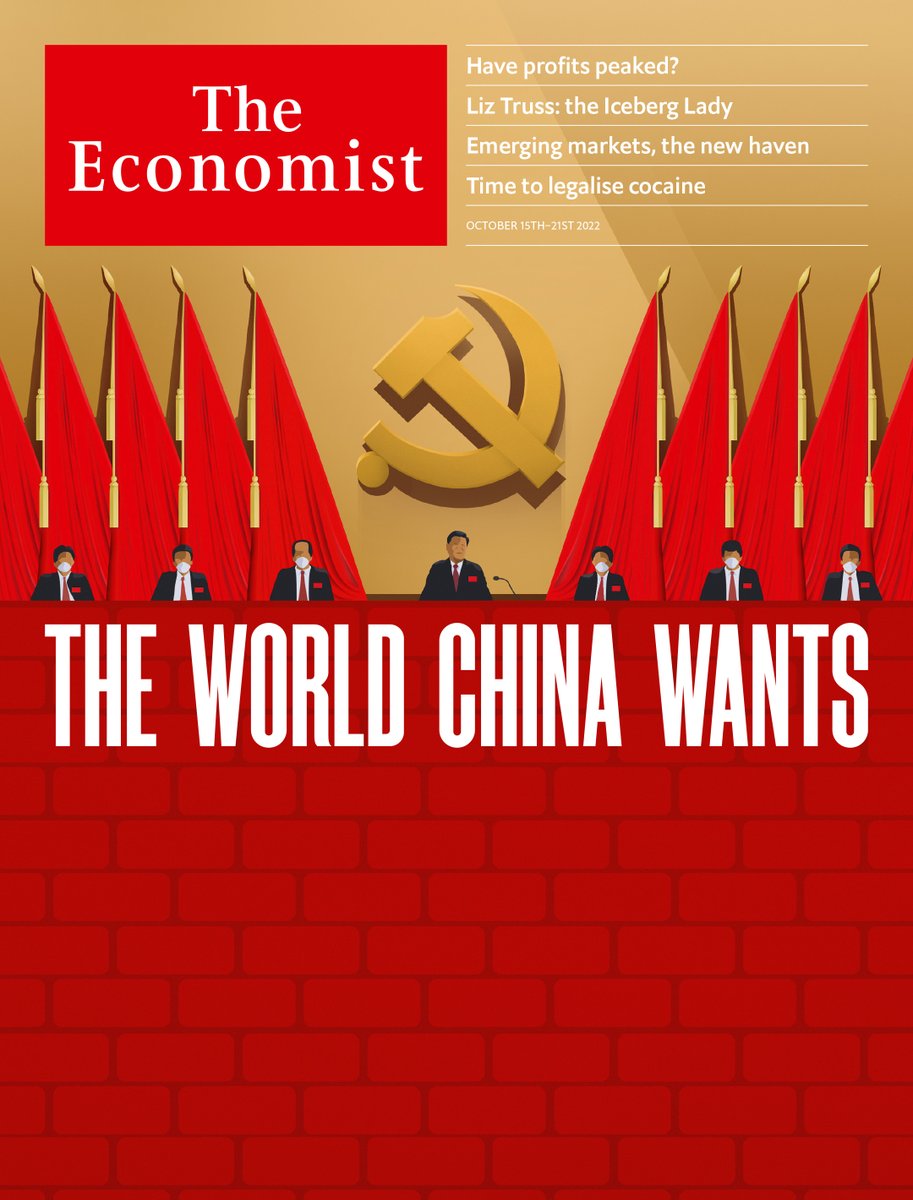
The Communist Party’s obsession with control will make China weaker but more dangerous
Its five-yearly congress will further tighten one man’s grip
It will be an orderly affair. From October 16th the grandees of China’s Communist Party will gather in the Great Hall of the People in Beijing for their five-yearly congress. Not a teacup will be out of place; not a whisper of protest will be audible. The Communist Party has always been obsessed with control. But under President Xi Jinping that obsession has deepened. After three decades of opening and reform under previous leaders, China has in many ways become more closed and autocratic under Mr Xi. Surveillance has broadened. Censorship has stiffened. Party cells flex their muscles in private firms. Preserving the party’s grip on power trumps any other consideration.
 Boomers Daily