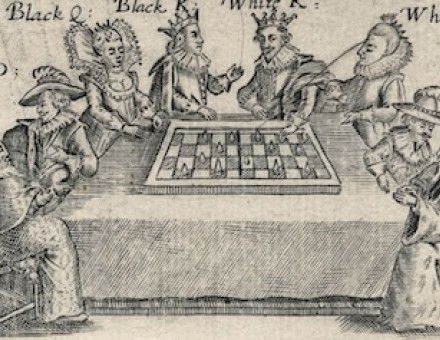
For nine days Thomas Middleton’s A Game at Chess was the greatest box office phenomenon of the English Renaissance. Then a warrant was issued for his arrest.
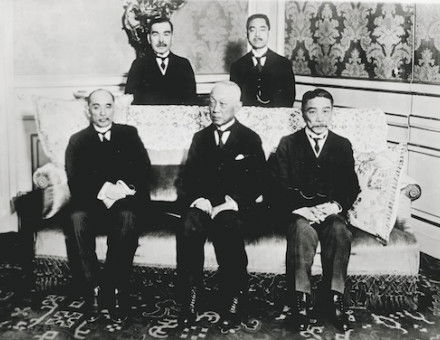
At the outset of the 1919 Paris Peace Conference Japan enjoyed a seat at the top table, but the vexed issue of racial equality set it and its notional Western allies on different paths.
Smithsonian Magazine (February 12, 2024) –The latest issue features ‘Recovering The Lost Aviators of World War II’; Inside the search for a plane shot down over the Pacific – and the new effort to bring its fallen heroes home…
Feminist. Preacher. Abolitionist. Civil rights pioneer. Now the full story of the American icon’s life and faith is finally coming to light
On May 29, 1851, a woman asked to address the attendees of the Ohio Women’s Rights Convention in Akron. She cut a striking figure, close to six feet tall even without her crisp bonnet. She was more than likely the only Black person in the room.
A procession of participants had already sounded off about the plight and potential of the “fairer sex” during the two-day gathering. “We are told that woman has never excelled in philosophy or any of the branches of mathematics,” said abolitionist Emily Rakestraw Robinson before noting that women were largely barred from higher education. Lura Maria Giddings lamented: “The degraded, vicious man, who scarcely knows his right hand from his left, is permitted to vote, while females of the most elevated intelligence are entirely excluded.” A dispatch about women’s labor from Paulina W. Davis, who would later create the women’s rights periodical The Una, painted a verbal picture of “mother and sister toiling like Southern slaves, early and late, for a son who sleeps on the downiest couch, wears the finest linen and spends his hundreds of dollars in a wild college life.”
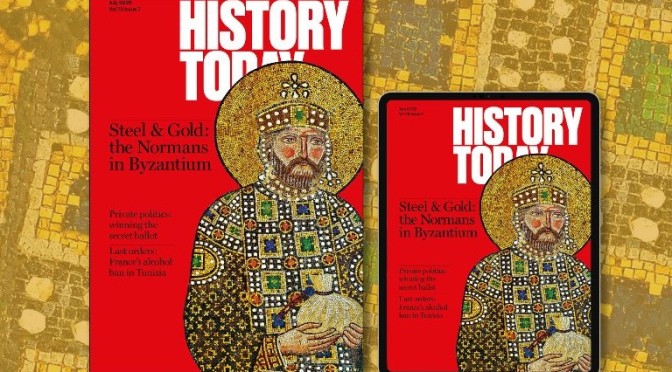
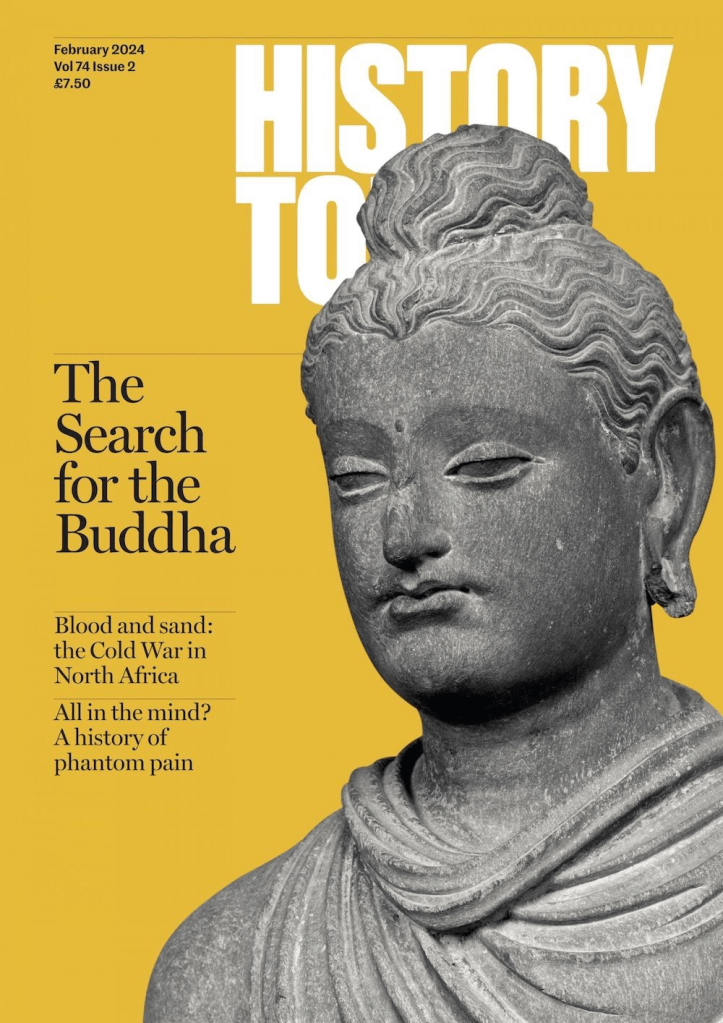
History Today (January 30, 2024) – The latest issue features ‘The Search For The Buddha’; ‘Blood and Sand’ – The Cold War in North Africa; All In The MInd – A history of phantom pain, and more…
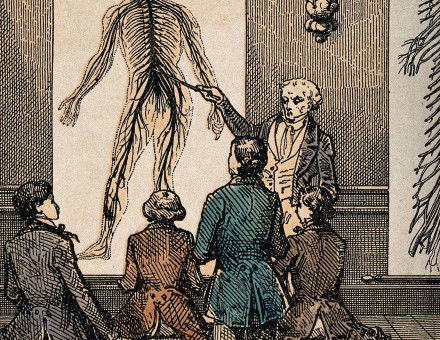
For centuries, scientists and philosophers used phantom limbs to unravel the secrets of the human mind. While we know phantom pain exists, we still don’t know why.
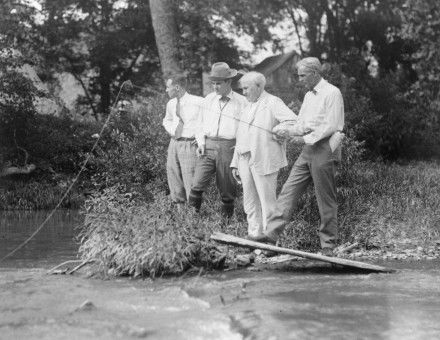
American Journey: On the Road with Henry Ford, Thomas Edison, and John Burroughs by Wes Davis falls short of examining the consequences that followed the wanderlust.
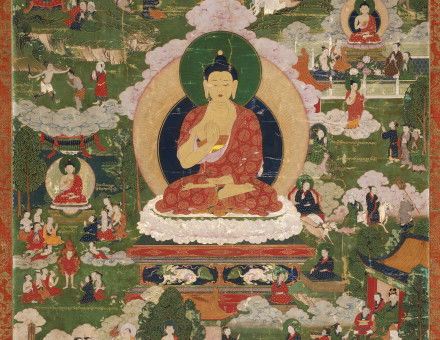
Arriving in the West in the 19th century, the Buddha of legend was stripped of supernatural myth and recast as a historical figure. What do we really know about him?
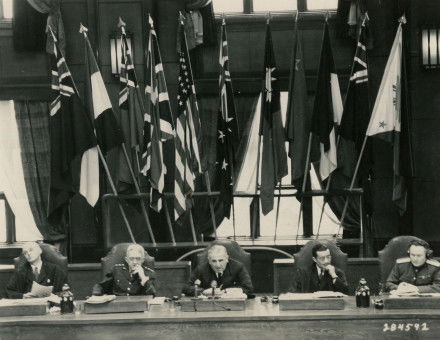
Pacy and even-handed, Judgement at Tokyo: World War II on Trial and the Making of Modern Asia by Gary J. Bass is unlikely to be bettered as a portrait of the Tokyo trials.
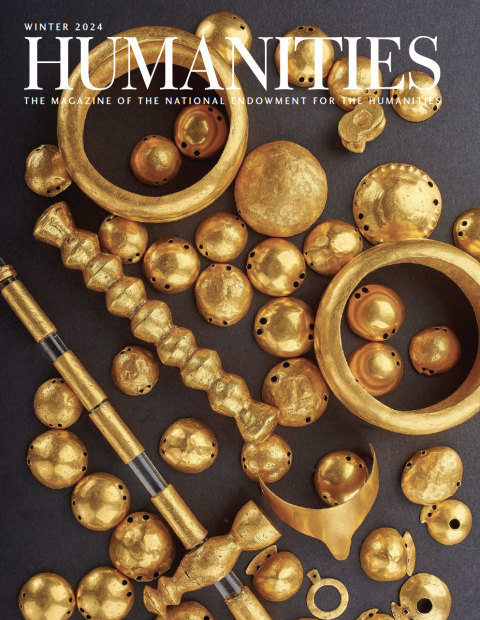
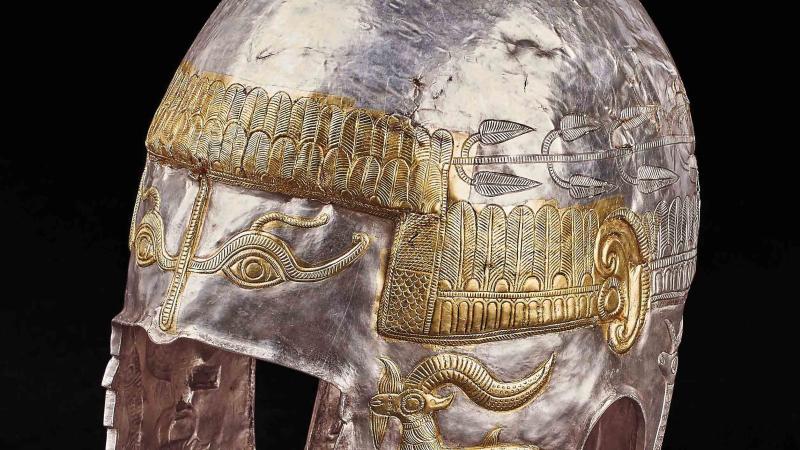
As visitors exit “First Kings of Europe,” the gift shop offers a kind of test. Two craft beers were created for the exhibition, a collaboration between the museum and Off Color Brewing: Beer for Kings, made from top-quality rich and ancient grains, and Beer for Commoners, made from the more modest ingredients of the poor. Beneath the racks of beer hang T-shirts with the art for each. Which identity does the visitor want to take home: commoner or king? The answer for most exhibitions celebrating the awe-inspiring treasures of royalty would be easy, but “First Kings of Europe” is a different kind of show, with an ambitious new approach to how we display and envision power, kingship, and history.
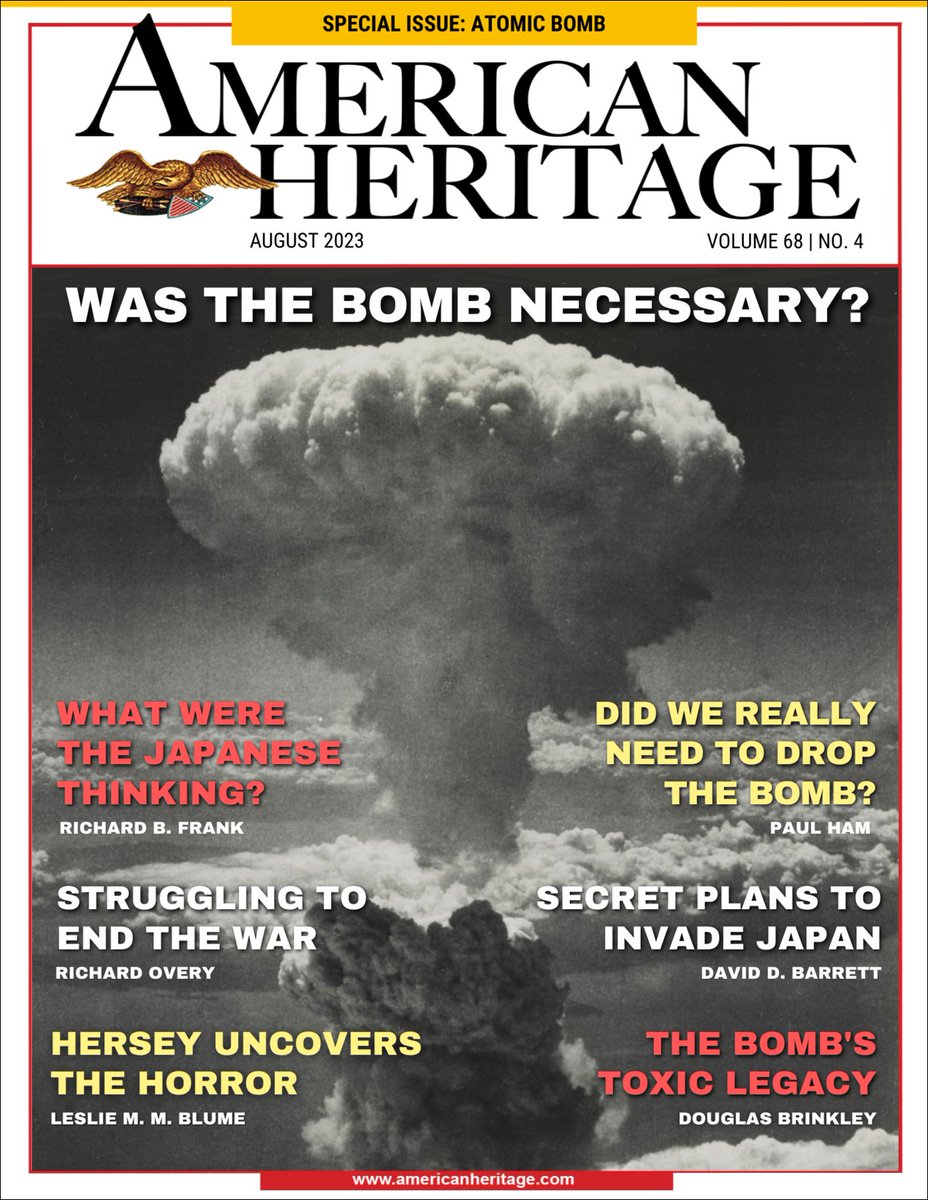
American Heritage Magazine (August 2023) – This World War II issue features ‘Was the Bomb Necessary?’; Struggling to End the War; What were the Japanese Thinking?; Hersey Uncovers the Horror, The Bomb’s Toxic Legacy, and more…
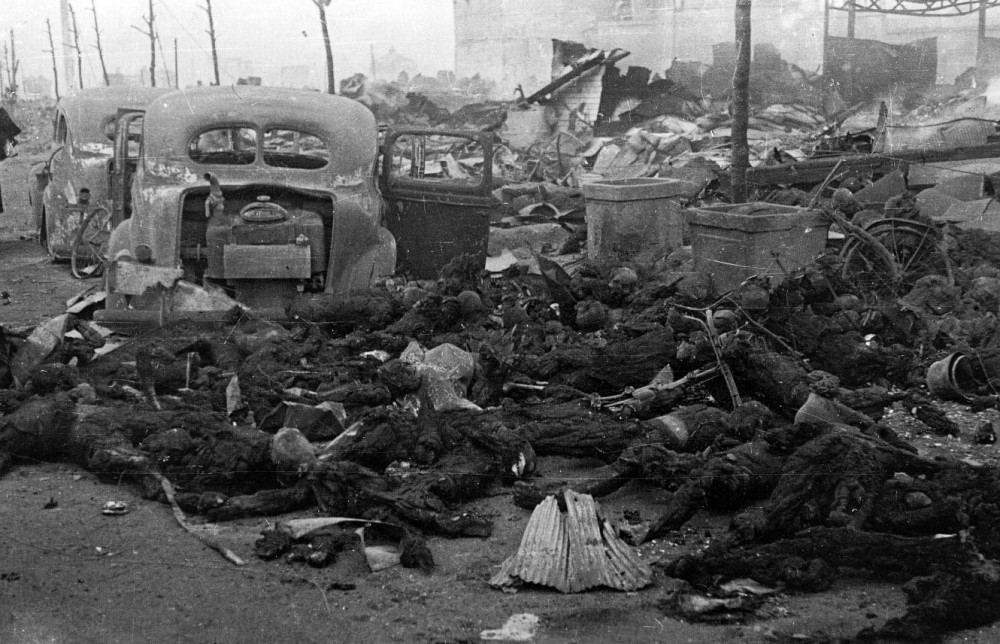
American bombings in Japan, such as the firebombing of Tokyo during Operation Meetinghouse on March 10, 1945, left approximately 84,000 civilians dead. Photo by Ishikawa Koyo
In the spring of 1945, American bombing raids destroyed much of Tokyo and dozens of other Japanese cities, killing at least 200,000 people, without forcing a surrender.
After the bloody battles at Iwo Jima and Okinawa, planners feared as many as two million American deaths if the US invaded the Japanese homeland.
By the summer of 1944, U.S. military power in the Pacific Theater had grown spectacularly. Beginning days after the D-Day invasion in France, American forces launched their largest attacks yet against the Japanese-held islands of Saipan on June 15, Guam on July 21, and Tinian on July 24. Situated 1,200 to 1,500 miles south of Japan in the crescent-shaped archipelago known as the Marianas, they were strategically important, defending the empire’s vital shipping lanes from Asia and preventing increased aerial attacks on the homeland.
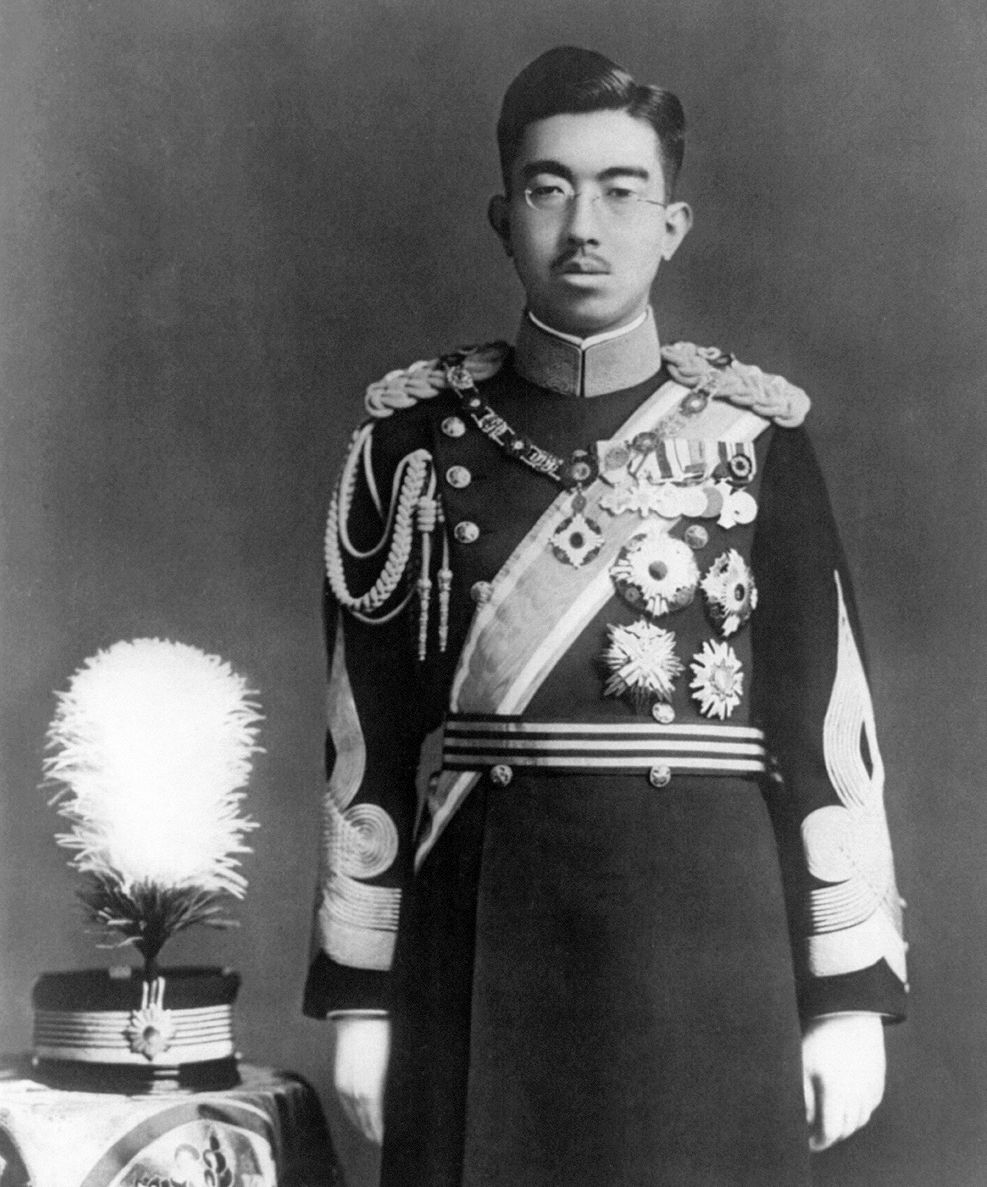
Much of the debate over ending the war centered on the role of Emperor Hirohito, the “living deity,” after the conflict. Library of Congress
As defeat became inevitable in the summer of 1945, Japan’s government and the Allies could not agree on surrender terms, especially regarding the future of Emperor Hirohito and his throne.
As the Allied armies closed in on the German capital in 1945, the complications for ending the war in Europe paled, in comparison with the difficulty of forcing a Japanese surrender. For the Japanese military, the concept was unthinkable, a state of mind confirmed by the hundreds of thousands of Japanese servicemen who had already been killed, rather than giving up a hopeless contest.
For the Japanese leadership, the whole strategy of the Pacific war had been predicated on the idea that, after initial victories, a compromise would be reached with the Western enemies to avoid having to fight to a surrender. Switzerland was thought of as a possible neutral intermediary; so, too, the Vatican, for which reason a Japanese diplomatic mission was established there early in the war.
The Japanese government watched the situation in Italy closely, when General Pietro Badoglio became prime minister after the fall of Mussolini’s fascist regime, and remained in power after the Italian surrender in 1943. If Badoglio could modify unconditional surrender by retaining the government and Victor Emmanuel as king, then a “Badoglio” solution in Japan might ensure the survival of its imperial system.
France-Amérique Magazine – May 2023– Our publication was launched in New York City on May 23, 1943, during World War II – a period of intense political debate between supporters of the Vichy regime and those fighting for de Gaulle that our historian-in-residence,
1943-2023 – We’ll Always Have Passion
This month, France-Amérique is celebrating its 80th anniversary – a miraculous example of longevity in today’s print media sector. This success is due to America’s longstanding passion for France, and the omnipresence of America in French controversies.
WORK TO LIVE? A French Pension Row with Deeper Implications
The scale and intensity of the current protests reflect a deeper discontent relating to the very nature of work and its place in people’s lives. While these concerns may seem specifically French, they echo a much broader and long-standing debate in our societies.
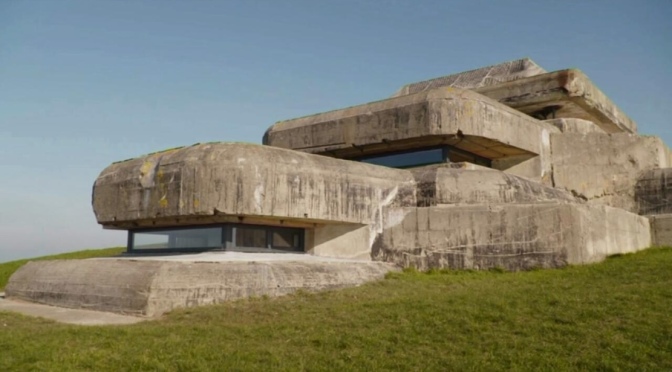
FRANCE 24 English (April 3, 2023) – Eight decades after World War II, the Atlantic Wall is still breaking up. Along the coast of Brittany, in western France, lie more than 1,000 bunkers. Most of these vestiges of German occupation are abandoned, but some have been given a new lease of life.
The submarine base of Lorient has become an ideal location for manufacturing carbon masts for yachts. Further west, on the tip of Finistère, a bunker has been transformed into a museum on the war.
Finally, on the Crozon peninsula, a young entrepreneur has decided to transform a network of tunnels built by the Allies into a brewery.
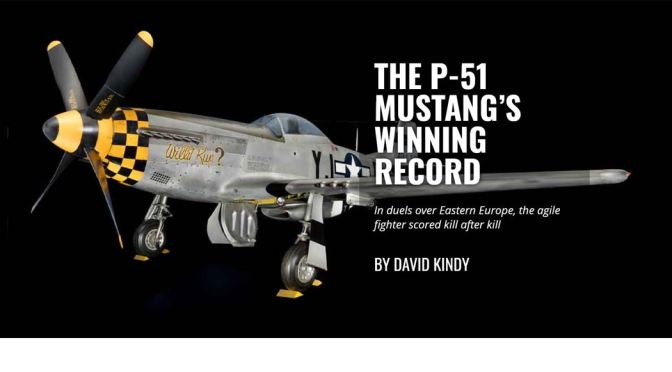
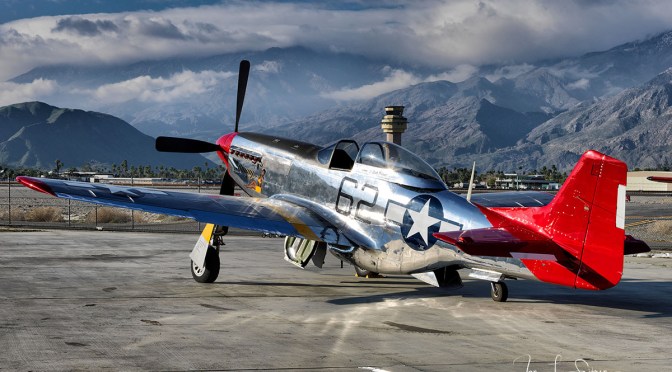
The P-51 was the darling of the Army Air Forces. Aerodynamically agile and acrobatic, the Mustang was fast and furious in its effectiveness in downing enemy aircraft. A latecomer to World War II, it first saw combat over Europe near the end of 1943. The long-range fighter proved to be just what the Allies needed to escort bombers to and from Germany as they hammered enemy targets.
Aug. 2, 2021, 6 a.m.
“In terms of the air war over Europe with the strategic bombing campaign, the P-51 was a war-winning weapon,” says Jeremy Kinney, associate director of research and curatorial affairs at the Smithsonian’s National Air and Space Museum. “As a fighter escort, it enabled the successful bombing of targets deep in Nazi Germany from bases in England and Italy. That was a crucial component in the destruction of strategic sites such as factories and munition plants.”
The Palm Springs Air Museum, is a non-profit educational institution in Palm Springs, Riverside County, California. The Museum’s mission is to exhibit, educate and eternalize the role of the World War II combat aircraft and the role the pilots and American citizens had in winning the war.
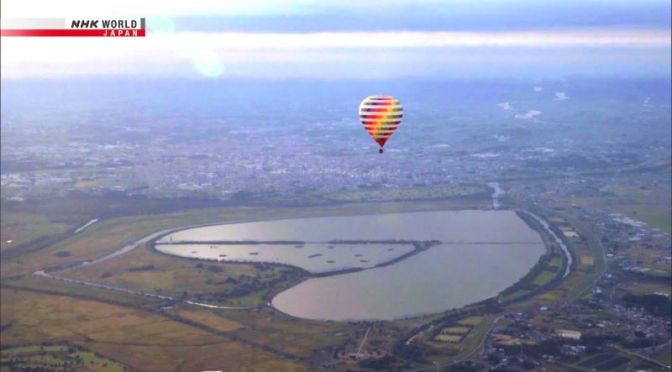
Dig deeper into the story of Ashio, a former mining town in Tochigi Prefecture that’s returning to nature with the passage of time and contributions of hard-working residents.
The Ashio Copper Mine (足尾銅山, Ashio Dōzan) was a copper mine located in the town of Ashio, Tochigi, (now part of the city of Nikkō, Tochigi), in the northern Kantō region of Japan. It was significant as the site of Japan’s first major pollution disaster in the 1880s and the scene of the 1907 miners riots. The pollution disaster led to the birth of the Japanese environmental movement and the 1897 Third Mine Pollution Prevention Order. The pollution incident also triggered changes in the mine’s operations that played a role in the 1907 riots, which became part of a string of mining disputes in 1907. During World War Two the mine was worked by POW forced labour.
News, Views and Reviews For The Intellectually Curious






:focal(1834x2742:1835x2743)/https://tf-cmsv2-smithsonianmag-media.s3.amazonaws.com/filer_public/61/df/61df94a7-b7f8-4264-8541-8cb5445419fd/mar2024_f08_sojurnertruth.jpg)








 Boomers Daily