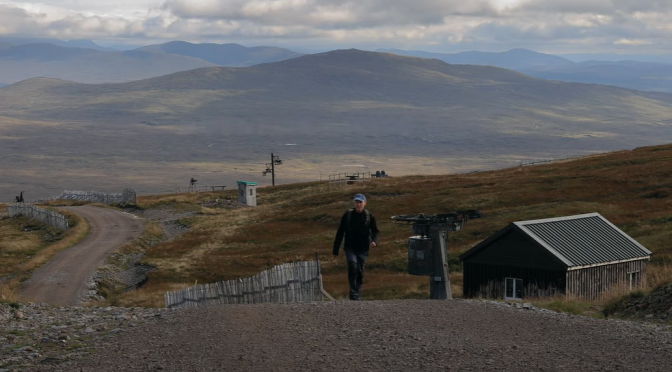
“In September 2021 I visited the Highlands of Scotland for two weeks, capturing moments on video of the changing landscape – mist, mountains, rivers, lochs, Glencoe – as I hiked through various terrain.” Russ Weymouth
Chapters: 00:00 – Glencoe 01:52 – Beinn Eighe National Nature Reserve 03:28 – Isle of Skye 04:05 – Images From The Mist 04:42 – Rivers and Lochs
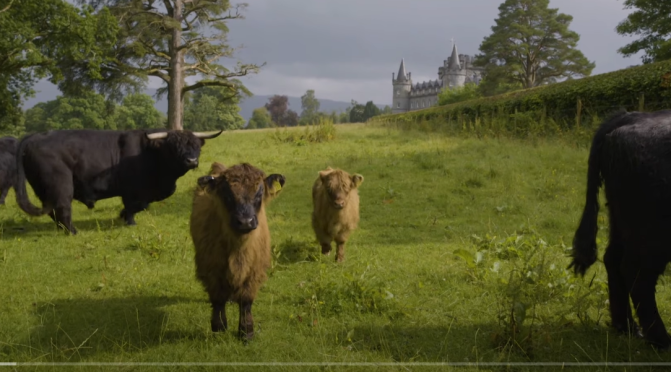
The Scottish meat industry is worth more than $1.7 billion. But with global beef and veal consumption trending downwards and a climate change emergency to contend with, can the home of Angus diversify in time?
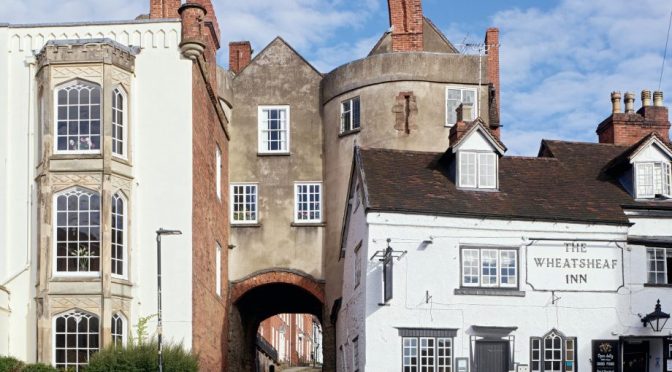
The Broad Gate in Ludlow, Shropshire — the home of Sir Keith and Lady Thomas — is a 13th-century fortification that defined medieval Ludlow has been transformed into a Georgian townhouse. John Goodall examines its remarkable story and restoration, with photographs by Paul Highnam for Country Life.
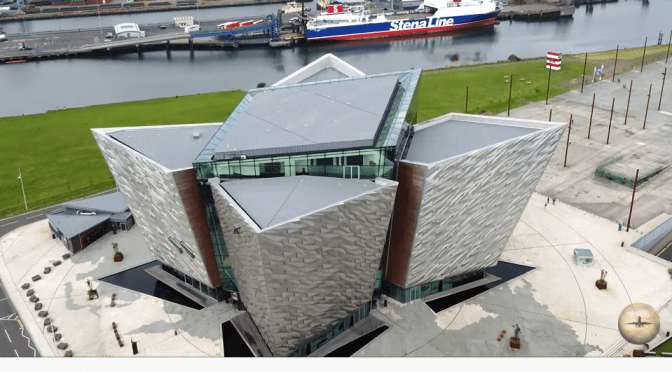
Belfast is Northern Ireland’s capital. It was the birthplace of the RMS Titanic, which famously struck an iceberg and sunk in 1912. This legacy is recalled in the renovated dockyards’ Titanic Quarter, which includes the Titanic Belfast, an aluminium-clad museum reminiscent of a ship’s hull, as well as shipbuilder Harland & Wolff’s Drawing Offices and the Titanic Slipways, which now host open-air concerts.
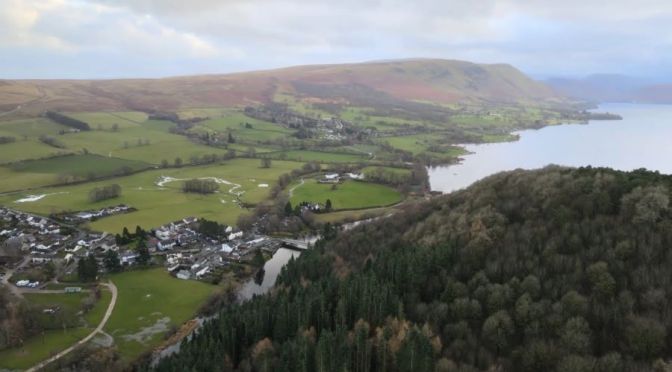
Hartsop is a small village in the English Lake District. It lies in the Patterdale valley, near Brothers Water, Hayeswater and Kirkstone Pass. It consists of 17th-century grey stone cottages, like so many of its neighbours.
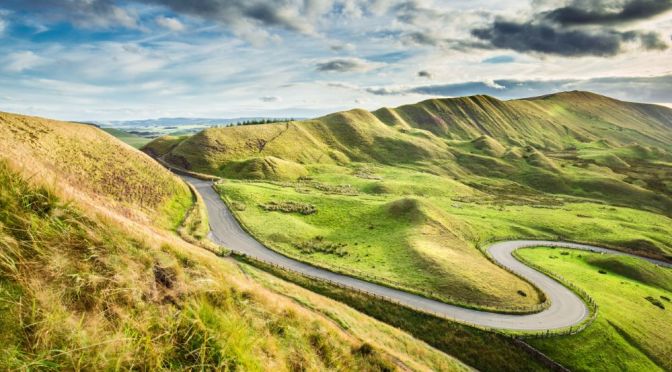
Snake Pass slithers across the Pennines between the market town of Glossop and Ladybower Reservoir’s Y-shaped valley. This route, one of Britain’s most scenic drives, opened by George VI in 1945.
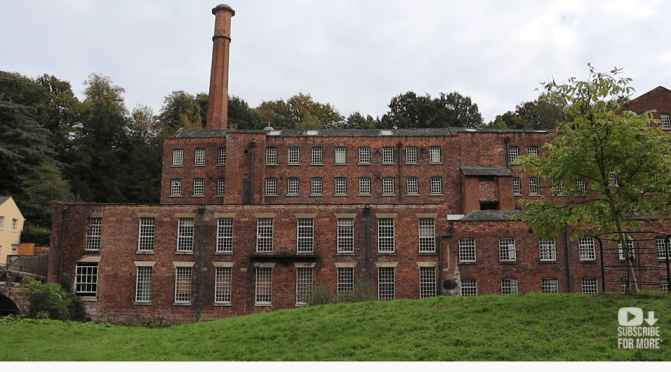
At the beginning of the Industrial Revolution Quarry Bank Mill became one of the most important Cotton Mills in England. Samual Greg embraced the Industrial Revolution to create a powerhouse of the Cotton Milling industry.
180 years after the end of the Industrial Revolution this Cotton Mill is still intact and in full working order. Maintained by the National Trust you can take a day tour of this fascinating Cotton Mill and find out about the Greg family, his workers, including children as young as 8 and the community he created in the village of Styal. You can see the machinery in operation and learn how the fluffy cotton plant is turned into a workable yarn as the volunteers run the machines and show you.
Greg built his family home on the grounds of Quarry Bank Mill, you can view the property or visit the darker side with the apprentice house, home to up to 90 children, working in the mill in return for food and board.
Timeline: 0:00 Intro 1:08 What to see at Quarry Bank 2:01 Cotton Industrial Revolution 2:25 Samual Greg builds Quarry Bank 3:32 The Great Wheel 4:09 Process to make cotton yarn 7:31 Quarry Bank House 10:26 Styal Village 11:53 Apprentice House (Child Labour) 16:44 Steam Power comes to Quarry Bank 19:02 The Gardens
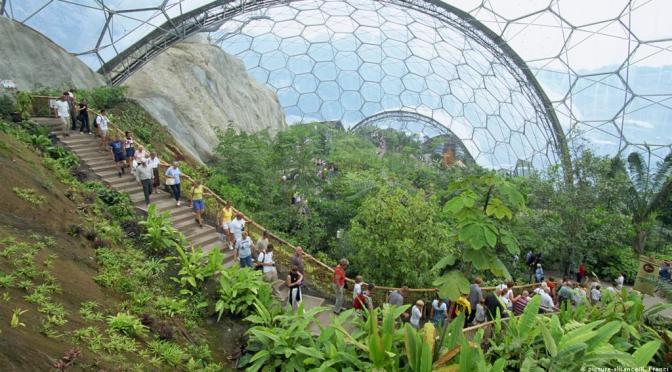
There’s a rainforest in Europe? Apparently, yes – and it’s called the Eden Project! It houses the world’s largest covered rainforest, beneath a giant dome.
But it’s not an amusement park, but rather an educational centre and environmental organisation. The concept: Only those who experience and engage with the beauty of nature can also protect it. That’s why 100,000 plants from all over the world have been brought here, where they cover an area of some 50 hectares.
Not only the sheer number of plants is impressive, the building itself is, too: Two geodesic domes span the site as greenhouses – like massive soap bubbles sticking together. Our Euromaxx reporter Hendrik Welling visits the record-breaking Eden Project and to explore its biotopes and rainforest.
We preview the long-delayed Hong Kong legislative elections and explore whether Boris Johnson’s mistakes are starting to take an electoral toll. Plus: Mark Rutte’s record-breaking Dutch coalition and an initiative bringing major art works to regional Italian galleries.




 Boomers Daily