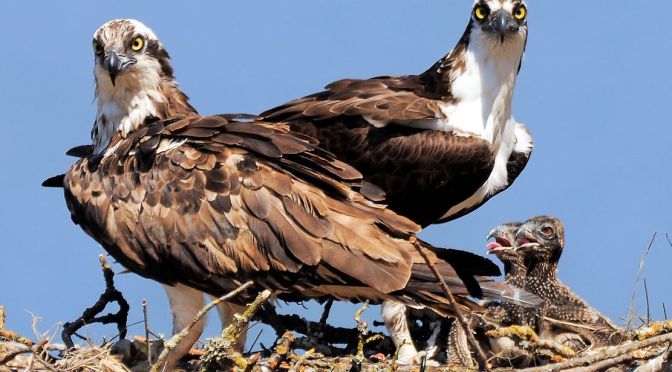
“Sunday Morning” takes us among ospreys feathering their nests at the Delaware Bay estuary, near Morristown, New Jersey. Videographer: Jeff Reisly.
Unique among North American raptors for its diet of live fish and ability to dive into water to catch them, Ospreys are common sights soaring over shorelines, patrolling waterways, and standing on their huge stick nests, white heads gleaming. These large, rangy hawks do well around humans and have rebounded in numbers following the ban on the pesticide DDT. Hunting Ospreys are a picture of concentration, diving with feet outstretched and yellow eyes sighting straight along their talons.
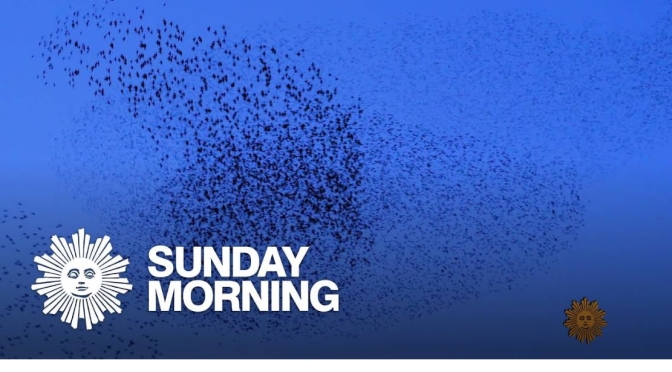
“Sunday Morning” goes sky-gazing at Greenbrae, California, where flocks of starlings are performing aerial acrobatics known as murmurations. Videographer: Lee McEachern.
Inscribed on the World Heritage List in 2004, the property is located at the south-western extremity of South Africa. It is one of the world’s great centres of terrestrial biodiversity. The extended property includes national parks, nature reserves, wilderness areas, State forests and mountain catchment areas. These elements add a significant number of endemic species associated with the Fynbos vegetation, a fine-leaved sclerophyllic shrubland adapted to both a Mediterranean climate and periodic fires, which is unique to the Cape Floral Region.
The concrete jungle and the rat race suck up our time and energy. Our lives revolve around paying bills and staring at a computer screen. We feel stressed and anxious, and we don’t know what’s wrong. What we are truly lacking is a connection with the wild world and its rhythms. Grant takes us out into the Cape Floral Kingdom, where we kick off our shoes and walk barefoot on the earth, touch the bark of a tree, watch a spider spin a web, listen to the birds singing in the branches above. We reawaken our senses. So no matter where you live, get out there and be wild every now and then. You’ll find connection again.
Featuring Grant Hine – Ecotherapist and Guide (www.zenguiding.com)
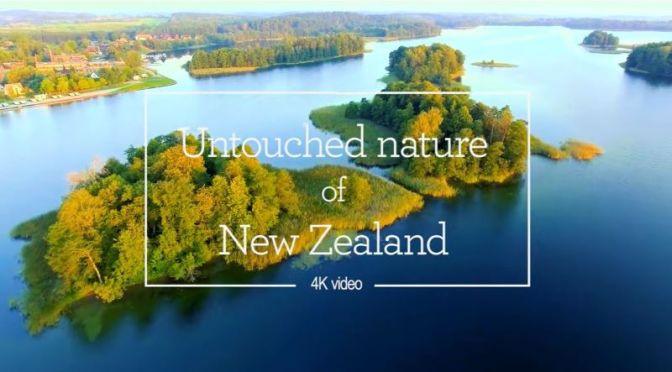
New Zealand is an island country in the southwestern Pacific Ocean. It consists of two main landmasses—the North Island and the South Island —and more than 700 smaller islands, covering a total area of 268,021 square kilometres.
Video timeline: 00:57 – Purakaunui Bay 02:26 – Mount Taranaki 04:21 – Mount Cook 05:41 – Roaring Billy Falls 07:44 – Omarama Clay Cliffs 11:06 – Lake Pukaki 12:26 – Lion Rock and Piha Beach 15:49 – Arthur’s Pass 17:40 – Castlepoint Lighthouse 21:21 – Lake Hawea 23:30 – Skippers Road 26:26 – Glacial valley in Southern Alps 27:52 – Kaikoura Seal Colony 29:04 – Ninety Mile Beach 31:16 – Whakarewarewa geothermal area 36:38 – Queenstown 38:37 – Whangarei Falls
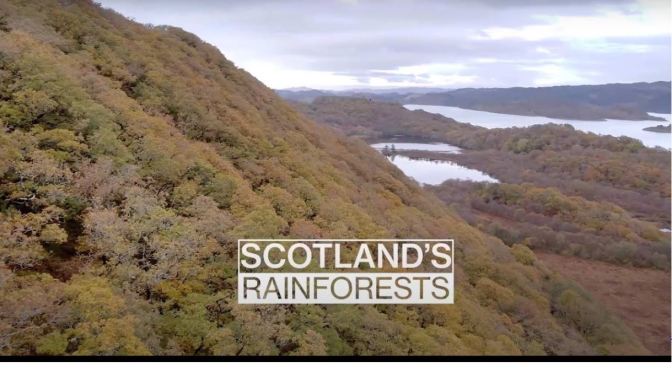
Scotland’s rainforest is one of our most precious habitats. It is as important as tropical rainforest, but even rarer. Yet few people know it exists and fewer still know how globally significant it is. This film was created by the Alliance for Scotland’s Rainforest to inform and inspire better protection for Scotland’s rainforest.
Scotland’s rainforest is made up of the native woodlands found on Scotland’s west coast where consistent levels of rainfall and relatively mild, year-round temperatures provide just the right conditions for some of the world’s rarest mosses, liverworts and lichens.
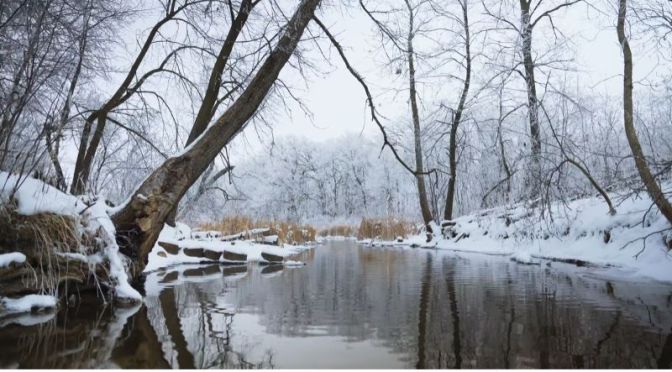
I accidentally found this little creek that led peacefully out to a small lake near our home in Minnesota. I’ve driven by this spot dozens of times and never knew it was there. Very peaceful, and joy to try and capture with this frost and fresh snow.
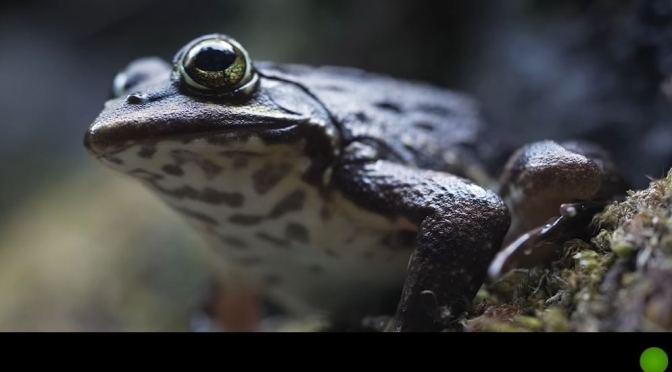
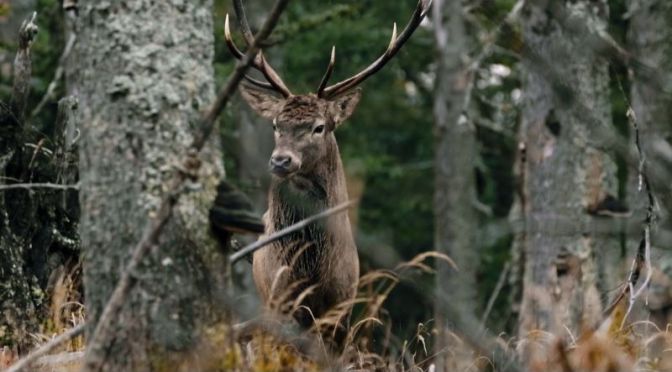
Enjoy my latest showreel from this year’s wildlife filming in the Czech Republic! There are 42 animal species waiting for you in this video.
Sadly, this video is not a true picture of European nature in general. Most of these beautiful wildlife moments are actually very rare to witness here in Central Europe. We keep degrading the landscape with such intensity that mammals, birds, reptiles, amphibians, insect, spiders and fish are slipping through our fingers faster than before. A key to improvement and effective conservation is education.

 Boomers Daily