
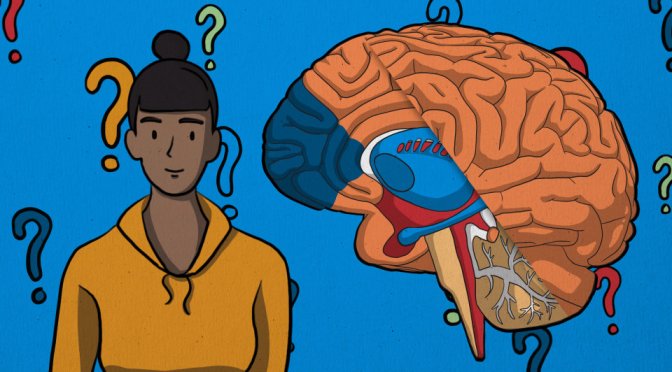
Indoor dining, workout classes, concerts. These once commonplace events are coming back into daily life. But because of Covid-19, everyone now has a different level of comfort. What happens in the brain as we decide what’s risky or not? Photo illustration: Laura Kammermann
Tag Archives: Society

Vaccine Passports: Legal & Medical Issues Are Raised
The CDC says fully vaccinated Americans can resume many normal activities but should people have to prove they have gotten those shots? Brook Silva-Braga reports on the pros and cons of so-called “vaccine passports” and the medical and legal issues raised.
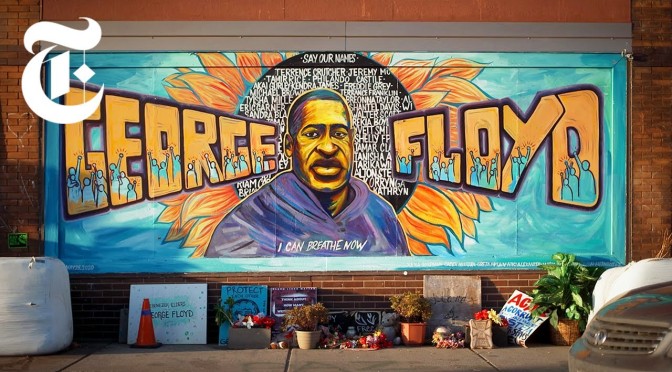
Inside View: ‘George Floyd Memorial’ Controversies
The trial over George Floyd’s death is under way in Minneapolis. What to do with his memorial site has become a controversy of its own.
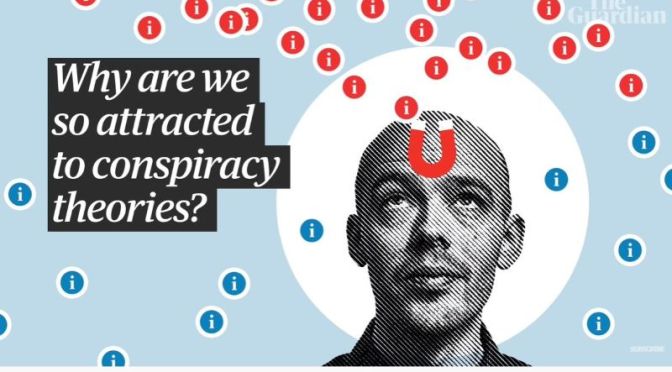
Conspiracy Theories: ‘Why People Are So Attracted?’
Belief in conspiracy theories is far more widespread than the stereotypes that dominate pop culture. Recently, QAnon, Covid-19 and 5G theories have gained traction and criticism while less controversial conspiracies like the faked moon landing have persisted for decades. We all share hardwired evolutionary traits that make us vulnerable to them, from the way we assign truth to new information to our tendency to find patterns in unrelated phenomena. But if we’re all potentially susceptible to conspiracy theories, how can we manage these cognitive shortcuts?
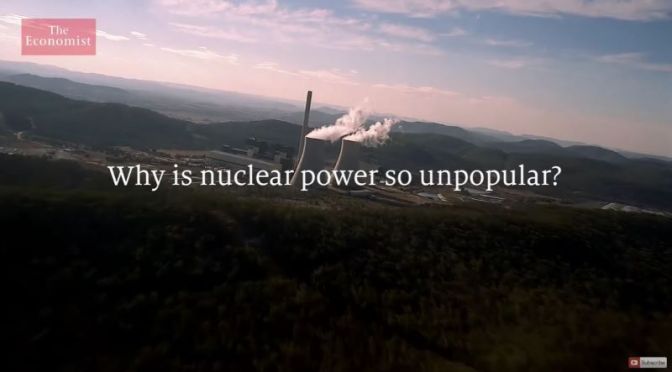
Nuclear Power: ‘Why Is It So Unpopular?’ (Video)
The meltdown at a nuclear power station in Fukushima, Japan, ten years ago stoked anxieties about nuclear energy. But nuclear is one of the safest, most reliable and sustainable forms of energy, and decarbonising will be much more difficult without it.
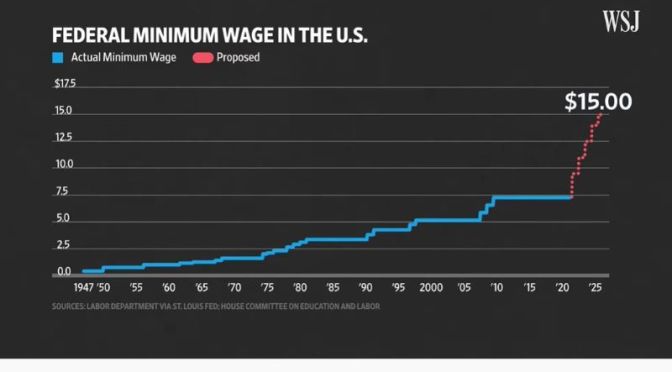
The Economy: How A $15 Minimum Wage Effects It
Biden has identified raising the minimum wage as a key goal of his administration, but economists and lawmakers disagree on the potential impact. WSJ asked two economists and a minimum-wage worker what the costs and benefits of a $15 minimum wage might be. Photo: Bill Clark/Congressional Quarterly/Zuma Press
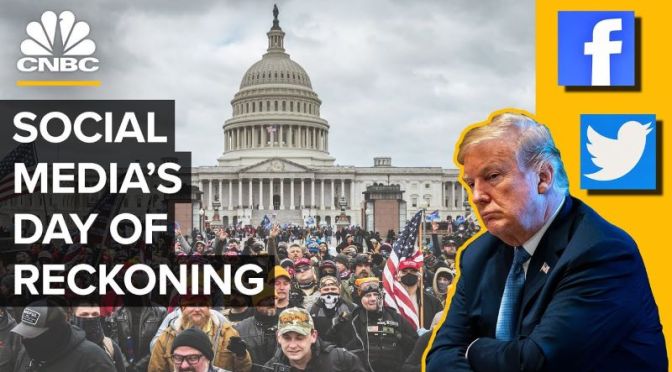
Analysis: ‘How Twitter & Facebook Will Change Post Rioting’ (Video)
On January 6th, Rioters stormed the U.S. capitol building to overturn the results of the 2020 presidential election. These events were inspired by President Trump and organized and promoted on the platforms of publicly traded companies, most notably Facebook and Twitter. To avoid further violence, those companies, and then many more thereafter including YouTube, banned or blocked President Trump’s access to the megaphone they provide. This exposed a major flaw in the business model of many social media platforms: share first, think later. Tech experts Chamath Palihapitiya, Roger McNamee, Chris Kelly and Dick Costolo all predict major changes coming in the social media landscape and Section 230. Watch the video to find out how big tech may be forced to change.

Self-Storage: ‘Growth Of A $22 Billion Industry’
Americans collectively have more than five billion items sitting at home that they no longer use, according to a 2019 survey by online marketplace Mercari. One-click shopping and the globalization of overseas manufacturing has made it easier than ever for consumers to acquire goods. According to the Self Storage Association, an industry trade group, more than 10% of households in the U.S. rented a self-storage unit in 2020, 18% more than in 2005. The self-storage industry has continued to outperform during the pandemic, with several companies reporting strong occupancy and healthy demand, according to the research site Yardi Matrix. But with headwinds threatening the economy will self-storage companies like Public Storage and Extra Space Storage be able to maintain their momentum? And what will new disruptors like Neighbor and Clutter mean for the future of the industry?
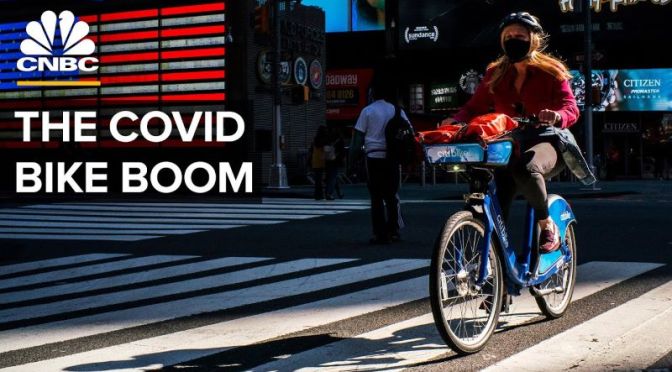
Transportation: ‘Covid-19 And The Bike Boom’ (Video)
Bikes have been a hot ticket item during the Covid pandemic as more people look for recreational activities and outdoor transportation. With more bikes and other forms of micromobility on the road, transportation experts say the moment is prime for a transit upheaval in the United States. Here’s how the Covid bike boom could change the way Americans get to work and around major cities.
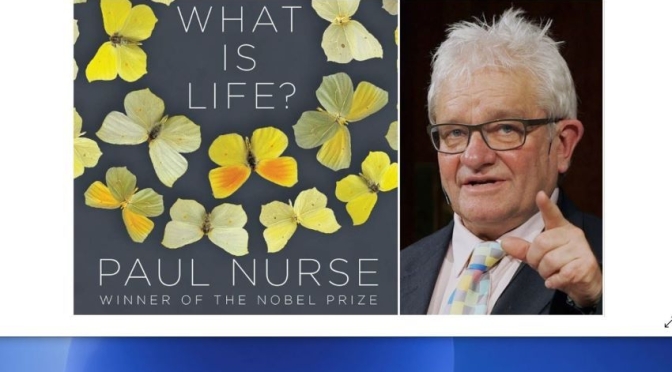
Top Interview Podcasts: Nobel Prize Geneticist Sir Paul Nurse – “What Is Life?”

In his new book, Paul Nurse, Nobel prize winner and director of the Francis Crick Institute, addresses a question that has long plagued both philosophers and scientists – what does it really mean to be alive?

Speaking to Madeleine Finlay, Paul delves into why it’s important to understand the underlying principles of life, the role of science in society, and what life might look like on other planets.
Sir Paul Maxime Nurse FRS FMedSci HonFREng HonFBA MAE, is an English geneticist, former President of the Royal Society and Chief Executive and Director of the Francis Crick Institute.
 Boomers Daily