
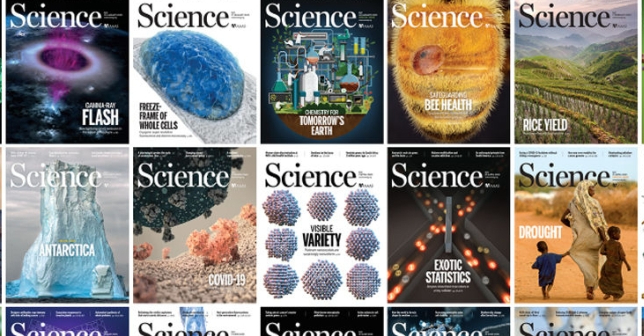
Inflammation is a common feature of many human diseases. This special issue of Science highlights recent advances in our understanding of #inflammation biology, especially its role in homeostasis, cell death, viral infection, and more.
— Science Magazine (@ScienceMagazine) November 25, 2021
📕 Check it out: https://t.co/tQVr4iudUl pic.twitter.com/QW0C8wQvgK
Tag Archives: Science

Previews: New Scientist Magazine – November 27
Science: Research Salary Survey, Jumping Spiders, NASA Smashing Asteroids
The Nature salary and satisfaction survey reveals researchers’ outlook, and NASA’s test of planetary defenses.
In this episode:
00:45 Salary and satisfaction survey
Like all aspects of life, scientific careers have been impacted by the pandemic. To get an insight into how researchers are feeling, Nature has conducted a salary and satisfaction survey. We hear from some of the respondents.
Careers Feature: Stagnating salaries present hurdles to career satisfaction
09:07 Research Highlights
The physics of a finger snap, and the surprisingly strong silk of jumping spiders.
Research Highlight: It’s a snap: the friction-based physics behind a common gesture
Research Highlight: High-speed spinning yields some of the toughest spider silk ever found
11:23 Briefing Chat
We discuss some highlights from the Nature Briefing. This time, the plans to smash a spacecraft into an asteroid, and how baby formula is changing to better resemble breast milk.
Nature News: NASA spacecraft will slam into asteroid in first planetary-defence test
Chemistry World: The science of breast milk and baby formula
Research: The Search For An Alzheimer’s Vaccine
Science: Wildfire Smoke Threatens Ozone Layer, Tick Bite mRNA Vaccines
Could wildfires be depleting the ozone all over again? Staff Writer Paul Voosen talks with host Sarah Crespi about the evidence from the Polarstern research ship for wildfire smoke lofting itself high into the stratosphere, and how it can affect the ozone layer once it gets there.
Next, we talk ticks—the ones that bite, take blood, and can leave you with a nasty infection. Andaleeb Sajid, a staff scientist at the National Cancer Institute, joins Sarah to talk about her Science Translational Medicine paper describing an mRNA vaccine intended to reduce the length of tick bites to before the pests can transmit diseases to a host.
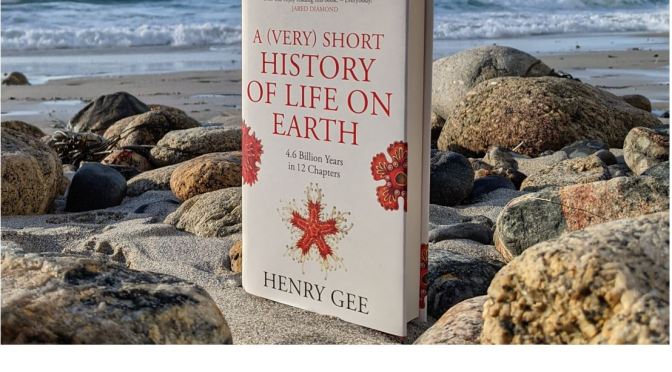
New Book Reviews: ‘A (Very) Short History Of Life On Earth’ By Henry Gee (2021)

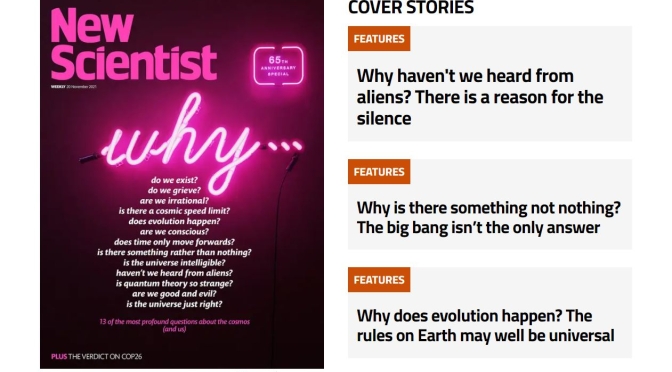
Previews: New Scientist Magazine – November 20

Foodscapes: Science Of The Global Food System
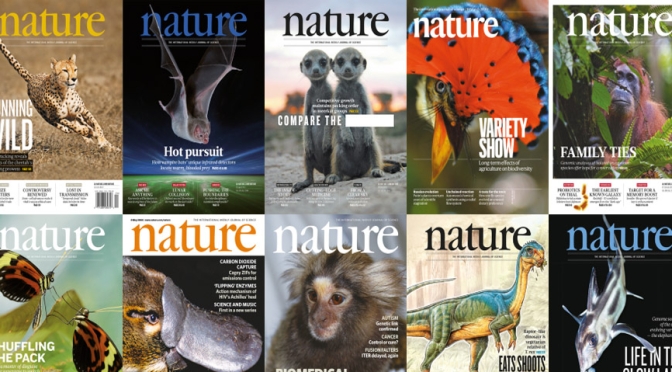
Front Covers: Nature Magazine – November 18
Science: Sea Squirts And Vertebrate Evolution, Iodine-Powered Satellites
Spineless sea squirts shed light on vertebrate evolution, and an iodine-fuelled engine powering a satellite in space.
In this episode:
00:45 A story of sea squirts, ancient vertebrates and missing genes
When a PhD student set out to study the developmental pathways of a strange sea creature, he hoped to shed light on the origins of vertebrate animals. Instead, researchers found themselves investigating a strange case of missing genes. We hear why gene loss could be a more significant factor in evolutionary processes than was previously thought.
Research article: Ferrández-Roldán et al.
08:17 Research Highlights
The unusual crystal that gives a beetle its glittering green sheen, and the genetics of a fish’s 200 year lifespan.
Research Highlight: Weird crystal makes beetle a living jewel
Research Highlight: Some of Earth’s longest-lived fish show how to reach extreme ages
10:43 An iodine-fuelled engine for satellites
In space, many satellites use xenon-fuelled ‘electric propulsion systems’ to maneuver. However, xenon is rare and requires high-pressure storage systems, so researchers have been working to develop alternative fuels. This week, a team publish details of the first in-space test of an iodine-powered electric propulsion system, which they say has many advantages over xenon systems.
Research article: Rafalskyi et al
16:37 Briefing Chat
We discuss some highlights from the Nature Briefing. This time, issues aboard the Hubble Space Telescope, and what the discovery of a theorised mineral reveals about processes deep within the Earth.
Wired: NASA Tries to Save Hubble, Again
Nature: Diamond delivers long-sought mineral from the deep Earth
 Boomers Daily