From a Yale News online review:
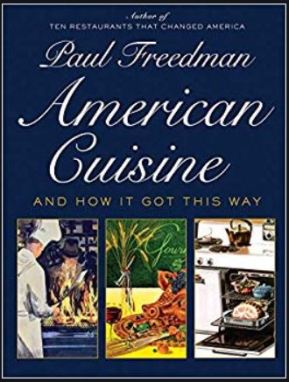 One way to understand American cuisine is through its regions — and the regional traditions that underlie the history of American cuisine. New England, the South, and New Orleans Creole are the regional cuisines of America. Examples of New England cuisine are “Yankee Pot Roast,” the lobster roll, and clam chowder. Southern favorites include grits, collard greens, okra, fried tomatoes, and sweet potato pie. Louisiana’s signature creole dishes are jambalaya, gumbo, and étouffée.
The compensation for that standardization — or at least what the food companies and the food and restaurant industry have offered — is variety. In my opinion, variety is what the food companies offer you in lieu of quality. At least in certain aspects, quality is impossible in an industrial food system.
In his new book, “American Cuisine: And How It Got This Way,” Yale historian Paul Freedman gives readers a window into understanding American history through cuisine spanning more than 200 years, debunking the myth that American cuisine does not, in fact, exist.
Freedman, the Chester D. Tripp Professor of History, approaches his study of American cuisine not by identifying a list of specific national or regional dishes, but rather by looking at the interactions among regionalism, standardization, and variety.
To read more: https://news.yale.edu/2019/10/15/yale-historian-pens-book-defining-what-exactly-american-cuisine

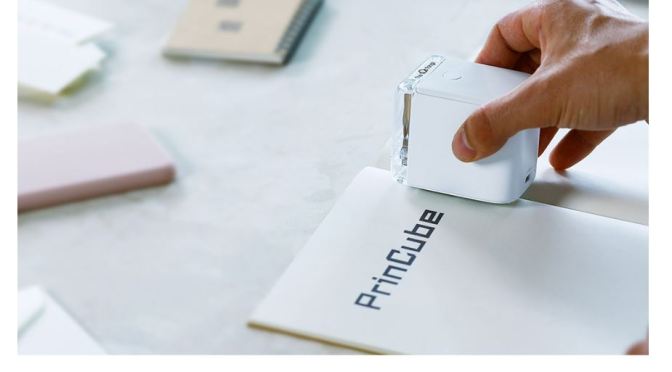
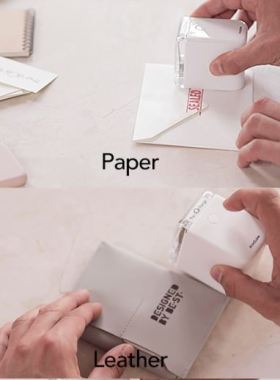 The PrinCube sits on the throne of being the smallest (and the lightest) handheld color-printer. With a swift motion of your hand, the printer rapidly prints out one line at a time, measuring up to 0.56 inches in thickness. PrinCube’s multi-line feature lets you extend your prints by printing up to nearly 10 feet of content line after line. The wireless printer conveniently pairs with any device like your phone, tablet, or even laptop over a Wi-Fi connection, and each individual ink cartridge can handle approximately 415 A4 pages worth of printing before replacing. The battery on PrinCube’s pretty remarkable too, with the ability to print for 6 continuous hours before needing a recharge via the Type-C port in the PrinCube’s size.
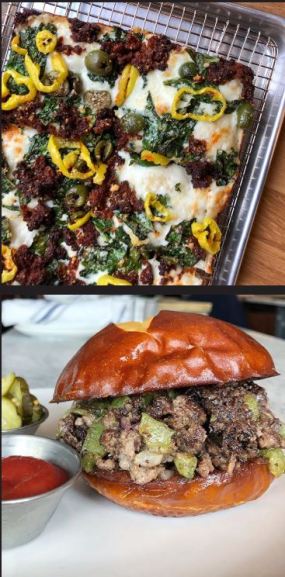 Most pizza places, Detroit-style places, the dough is sitting in a portioned-out container and it gets pressed into the pan. We let it rise in the pan. I knew from the beginning, that’s what’s going to separate our pizza. … It’s built in that we need larger walk-ins to have those extra pans. It’s just part of the plan.
 Today’s edition features Harvard professor Steven Pinker. As an experimental psychologist, Steven has written extensively about violence – and for his choice from the gallery’s collection he has selected two of Pablo Picasso’s most gruesome depictions of man’s inhumanity, Charnel House and Guernica, now housed in Madrid.


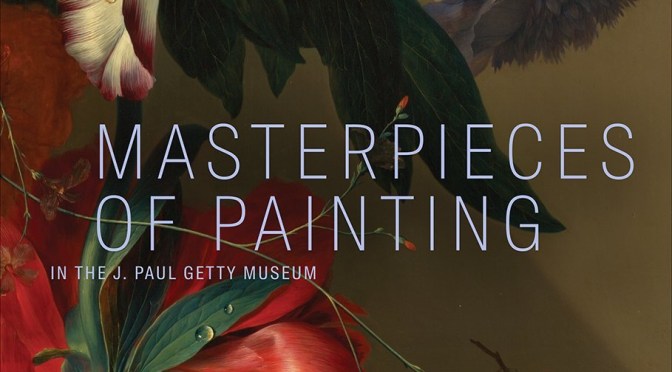
 Masterpieces of Painting surveys more than one hundred of the most exquisite and significant paintings displayed in the museum’s famed, daylight-suffused galleries. Vibrant full-color illustrations and engaging descriptions of these masterworks reveal their fascinating histories and cultural, social, and religious meanings. Sure to enchant and edify all art lovers, this book is a spellbinding tour through the history of Western painting.
 Rooted in a passion for the Italian Renaissance as well as Dutch and Flemish Baroque works, the original collection of J. Paul Getty (1892–1976) has been transformed over four decades to include seminal pieces by celebrated masters such as Masaccio, Titian, Parmigianino, Cranach, El Greco, Rubens, van Dyck, Rembrandt, Poussin, Canaletto, Fragonard, Turner, Manet, Degas, Renoir, Monet, van Gogh, Cézanne, and Ensor.
 From the outside, the Cowboy e-bike is a sleek bike. It features a seamless triangle-shaped aluminum frame, integrated lights and a low-key Cowboy logo near the saddle. The handlebar is perfectly straight like on a mountain bike. The only sign that this is an e-bike is that the frame is much larger below the saddle.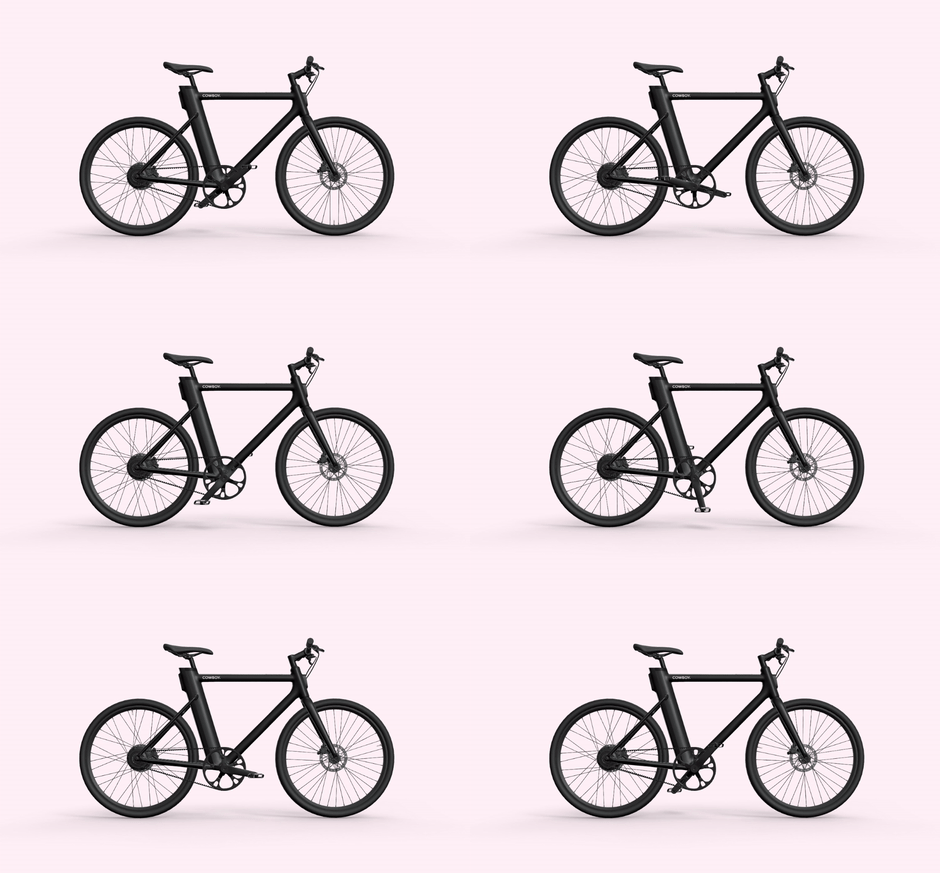

 Customers who liked the original Lume tailgate kitchen will find a larger version in the LT540 No. 1/Pure spec trailers, but those looking for a more all-weather solution will be able to enjoy indoor cooking with the new Nordic floor plan, which pulls the kitchen inside across the front wall. To accommodate it, Lume pushes the double bed back toward the bumper and eliminates the front sofa standard on the No. 1 and Pure models.
 Last year, Dutch startup Lume wowed the world by topping its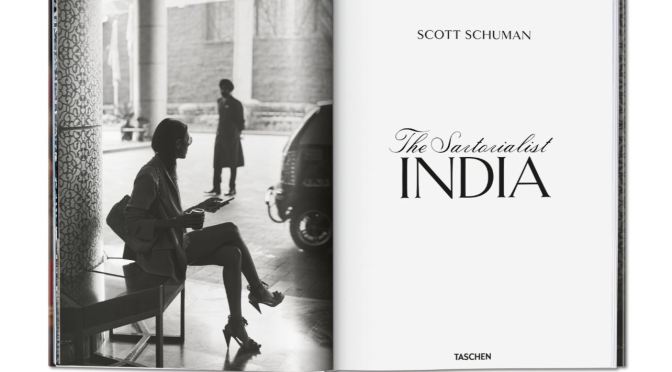
 I wanted this book to be a bit different. It’s not an encyclopaedia of India, but I really tried to go to a lot of different places and photograph whatever I saw that I thought seemed really visually intriguing. I went to music festivals, sporting events, wrestling…and there’s cricket and horse racing in this book too. There’s fashion week, and then small villages in Odisha. As a photographer, if you’re picky like I am, I didn’t want to just include say, a horse racing photograph, but I wanted to put myself in that position, and if I came up with something good, that would be great. I just wanted to try and put myself in a lot of different positions to see different elements of India.
 Boomers Daily