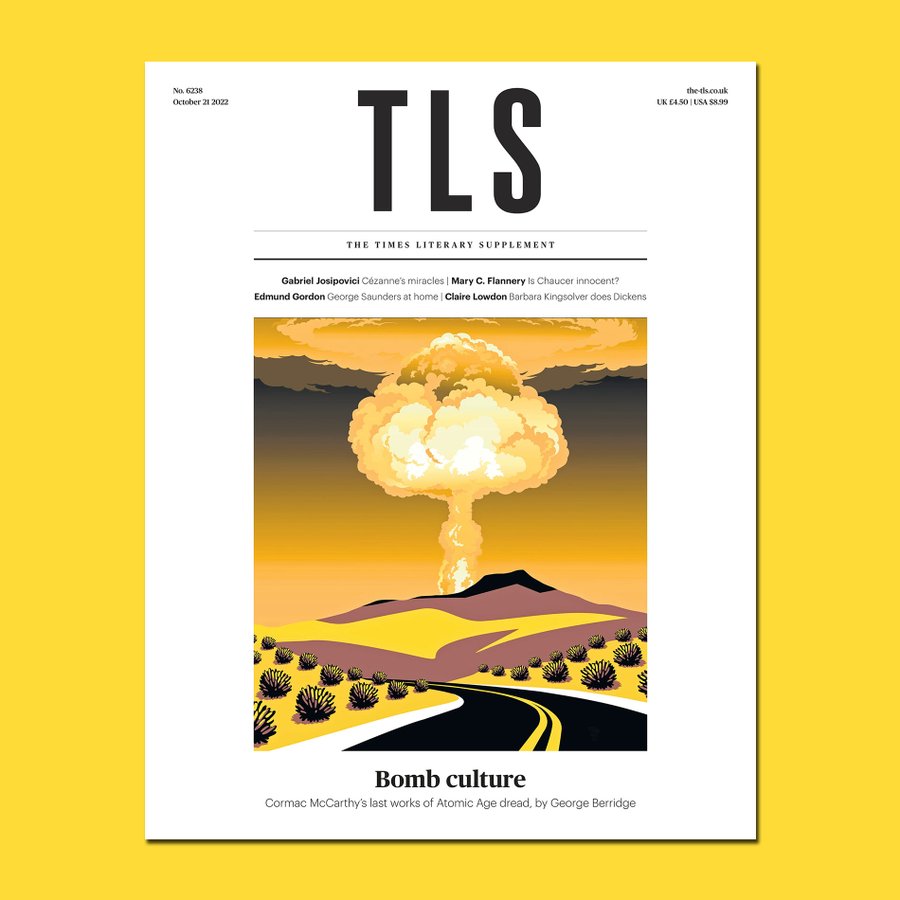
This week’s issue of the TLS, featuring @George_Berridge , Claire Lowdon and Edmund Gordon on new books by Cormac McCarthy, Barbara Kingsolver and George Saunders, respectively; Gabriel Josipovici on Cézanne; @15thcgossipgirl on Chaucer’s innocence; @rinireg on hatred – and more.
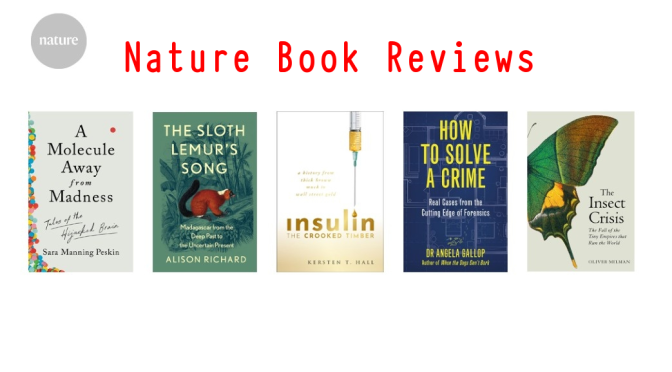
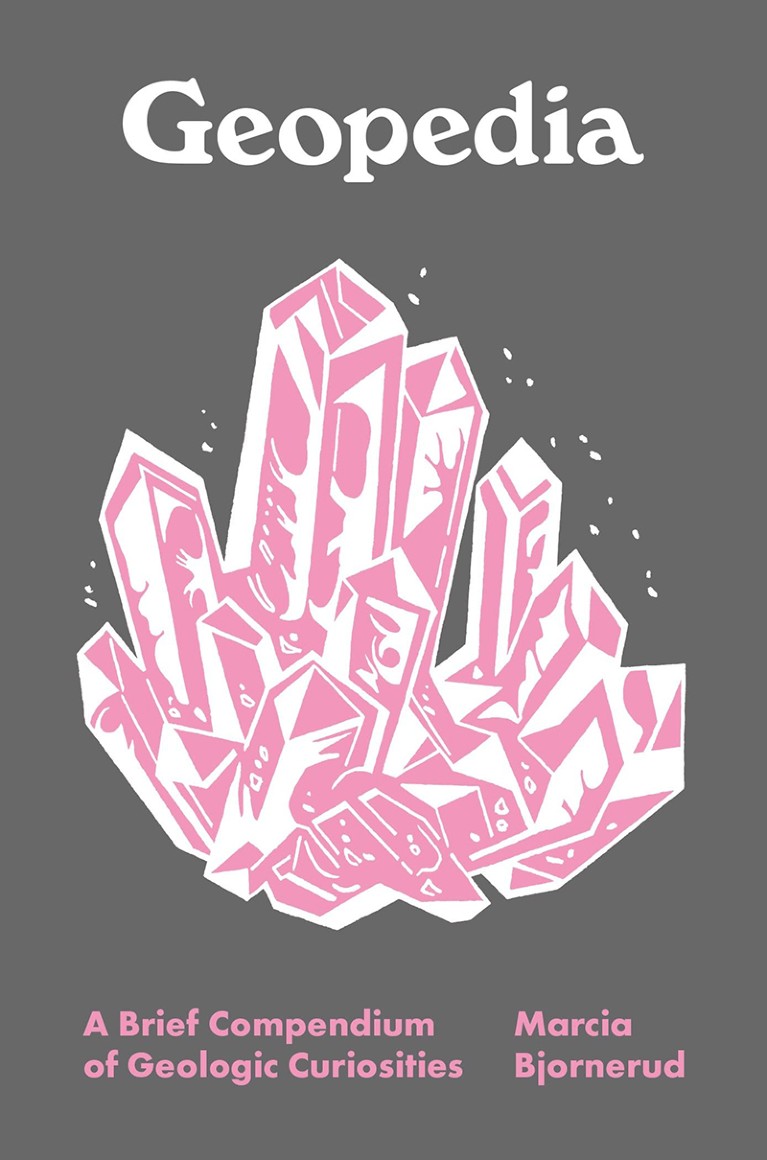
This is a garnet of a geology book: rooted in the planet, jewel-like and multicoloured. “To geoscientists, rocks are not nouns but verbs — far more than inert curios, they are evidence of Earth’s ebullient creativity,” writes geoscientist Marcia Bjornerud. Her brief A–Z ranges idiosyncratically through landforms, rocks and minerals, geologists, geological terms and time periods, including the Anthropocene, the epoch of human influence. Oddly, it omits the Gaia hypothesis that the planet is a self-regulating system.
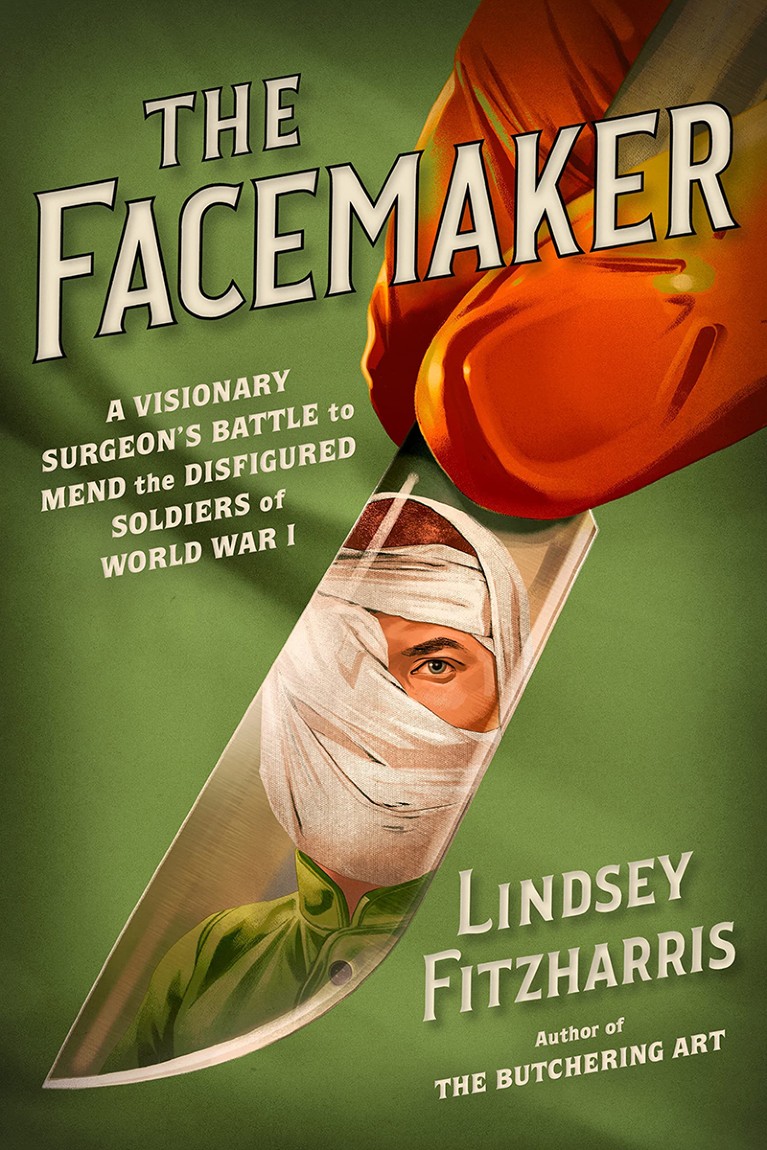
The Facemaker
Lindsey Fitzharris Farrar, Straus and Giroux (2022)
Following her award-winning 2017 biography of surgeon Joseph Lister, medical historian Lindsey Fitzharris tackles Harold Gillies, a pioneer of plastic surgery. She focuses on his First World War attempts to reconstruct the bullet-butchered faces of British soldiers who had become “strangers even to themselves”. From French battlefields, Fitzharris’s vividly thrilling account moves to the Queen’s Hospital in Sidcup, UK, which Gillies founded in 1917. An epilogue notes that he was knighted only in 1930, long after the war’s military generals.
Security and Conservation
Rosaleen Duffy Yale Univ. Press (2022)
The military, intelligence services and tech companies were barely visible at the 2014 London Conference on the Illegal Wildlife Trade, recalls scholar of international politics Rosaleen Duffy. By the 2018 conference, they were prominent. This “security turn” in conservation — since intensified by the COVID-19 pandemic’s links to a Chinese wildlife market — drives her timely analysis of a complex phenomenon. A violent approach to tackling poaching might boost elephant numbers, for example, but could also cause human-rights abuses.
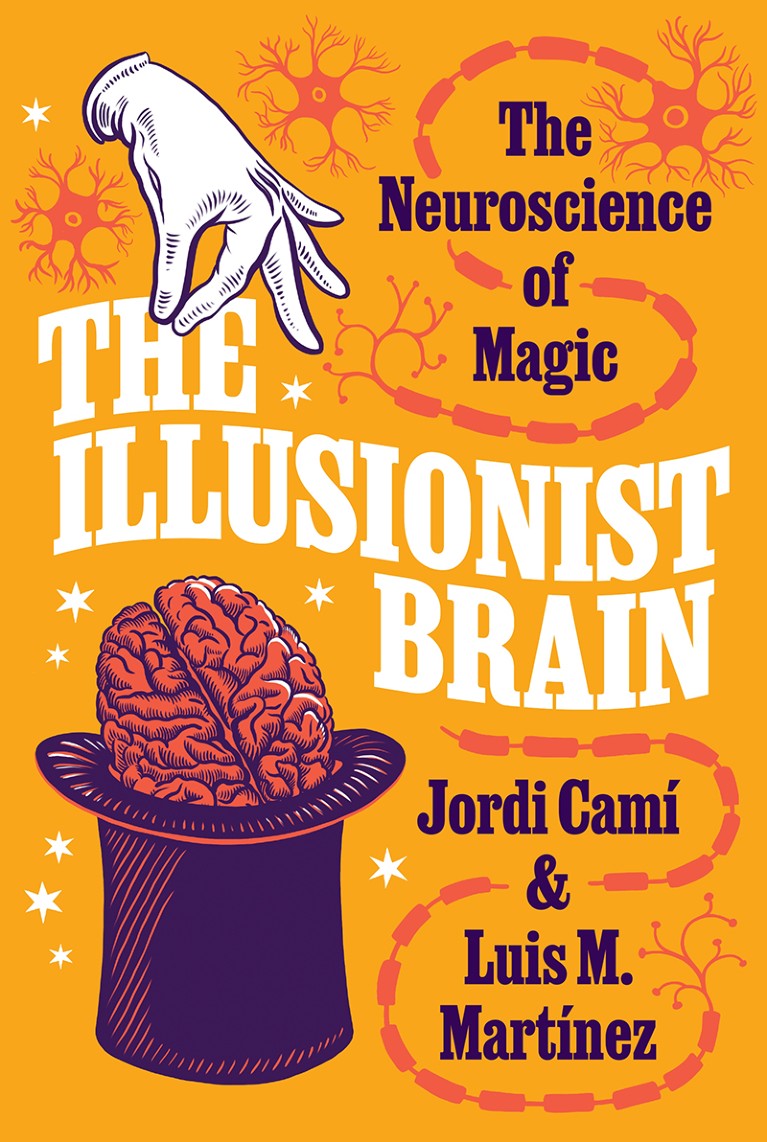
The Illusionist Brain
Jordi Camí & Luis M. Martínez (transl. Eduardo Aparcico) Princeton Univ. Press (2022)
The science behind audience perception of magic tricks intrigued late-nineteenth-century researchers. But since then, there have been fewer than 100 research papers on the subject, note pharmacologist Jordi Camí and neuroscientist Luis Martínez in their tantalizing study. Rather than using the brain to explain conjuring tricks, they focus on using illusions to elucidate the brain and behaviour. “When magicians trick us, they are interfering with all of the brain’s strategies for inferring reality.”
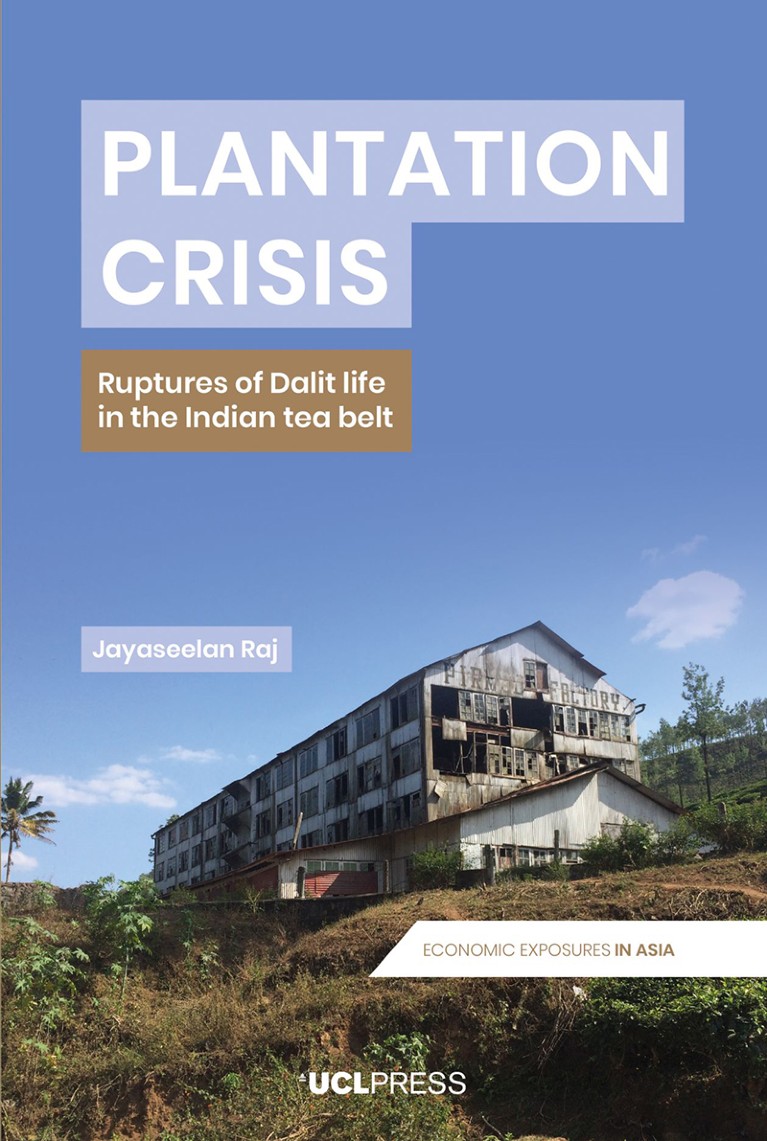
Plantation Crisis
Jayaseelan Raj UCL Press (2022)
Kerala in India has a reputation for egalitarianism, literacy and high life expectancy. Yet Tamil-speaking Dalit communities are oppressed and marginalized on tea plantations in the state, following a 1990s collapse in the international price of the crop. Jayaseelan Raj, who works in development studies, was born and raised in a Tamil Dalit plantation household. Plantation workers share with him “stories of poverty that they would not share even with their close relatives or neighbours”, as described in his academic study.
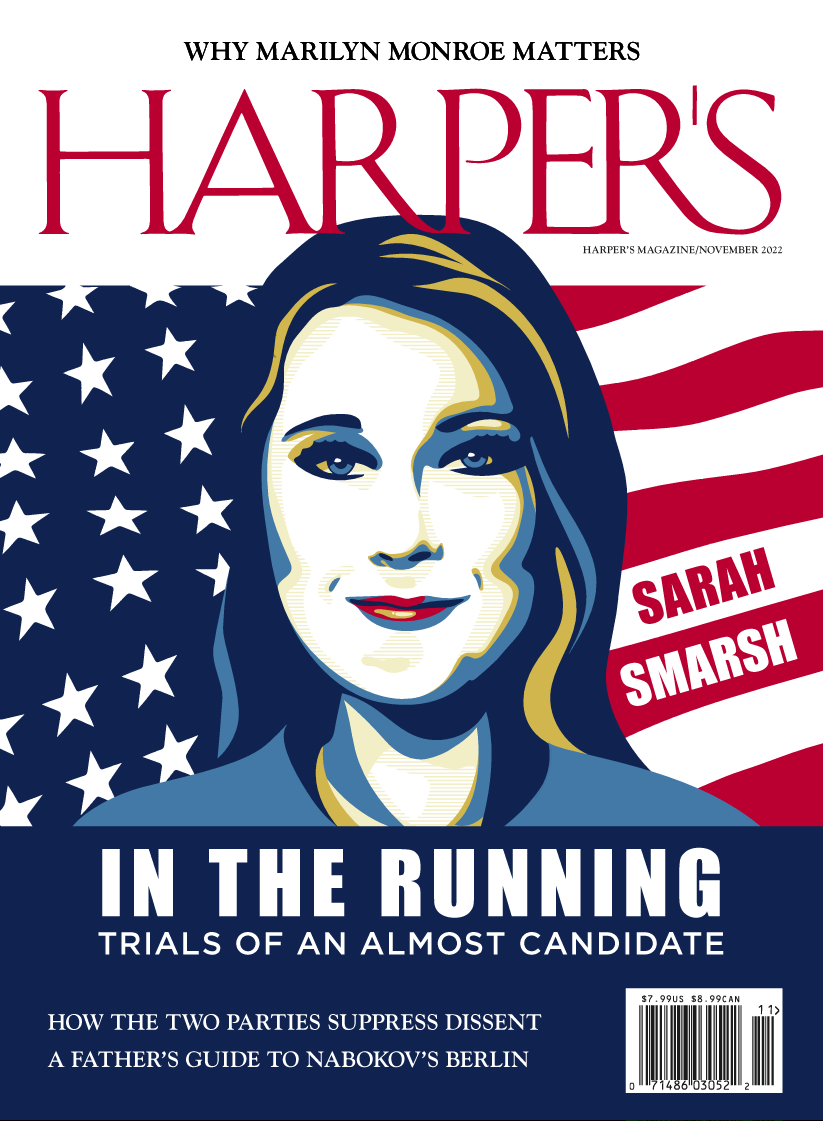
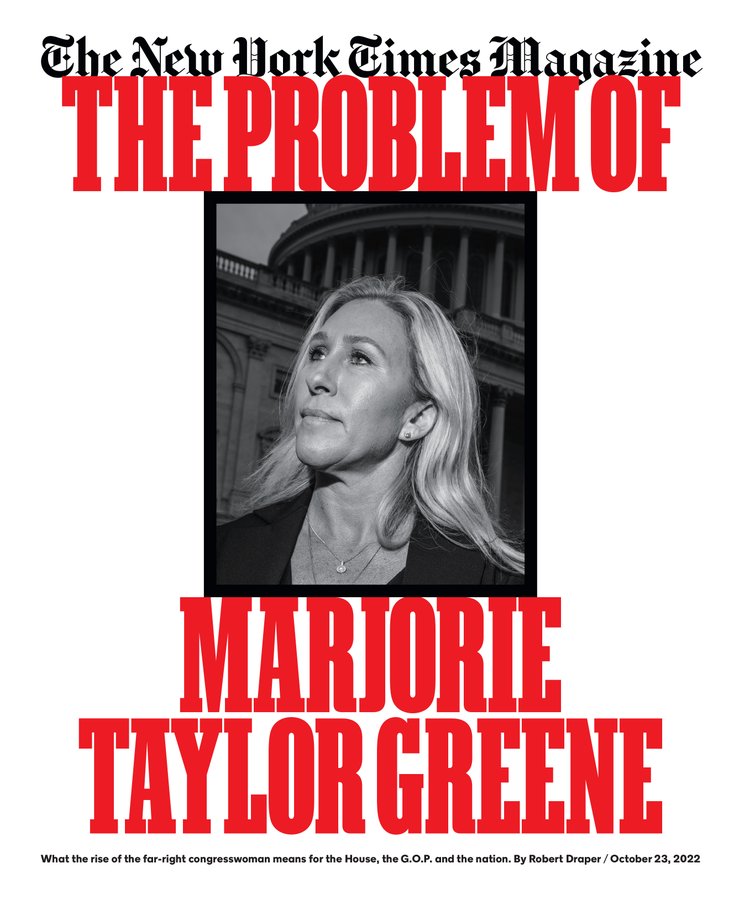
The trials of an almost candidate – In January 2019, when I found myself sitting across from Mindy Myers in a cramped D.C. coffee shop, the new resistance was riding high. A diverse lot of Democrats had just taken control of the House of Representatives, positioning themselves to curtail Donald Trump’s devastating abuse of the presidency…
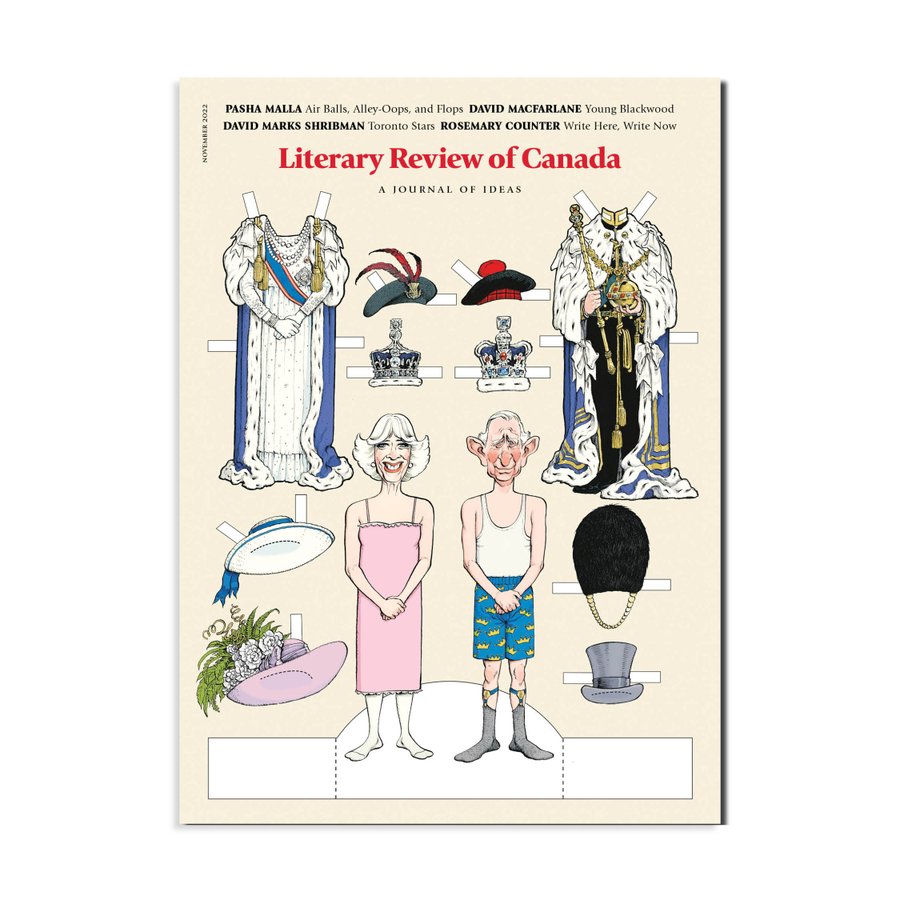
The November issue is now live featuring David Marks Shribman on John Honderich, Sandra Martin on Cary Fagan’s latest, Rosemary Counter on writing and motherhood, Mobólúwajídìde D. Joseph on journeys home, and a cover by David Parkins.
Our latest Big Money poll of professional investors finds many bearish about stocks in the near term, but bullish about the market’s longer-term outlook.
Don’t miss the latest entry in our “Read Your Way Around the World” series, which will whisk you to the brightly hued streets of Reykjavík, or our excerpts from Bob Dylan’s new book, “The Philosophy of Modern Song.” (In 1971, 45 years before he was awarded the Nobel Prize in Literature, the Book Review opined, rather tartly, that “Dylan is not a literary figure. Literature comes in books, and Dylan does not intend his most important work to be read.”)
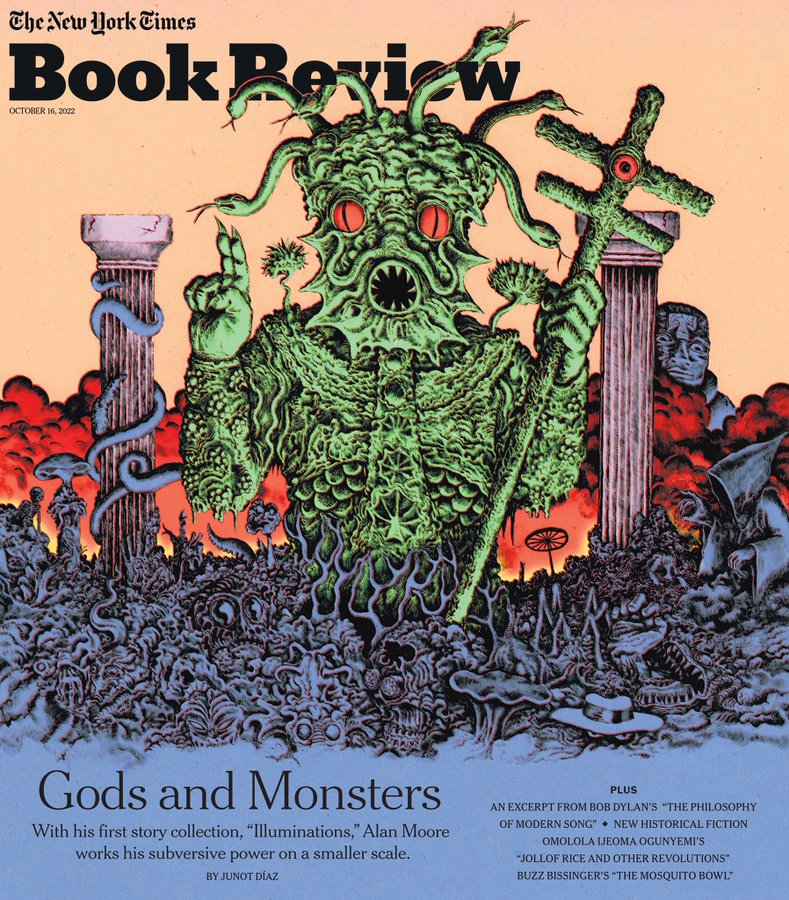
Cover for @nytimesbooks Junot Diaz’s review of Alan Moore’s new story collection “Illuminations”.
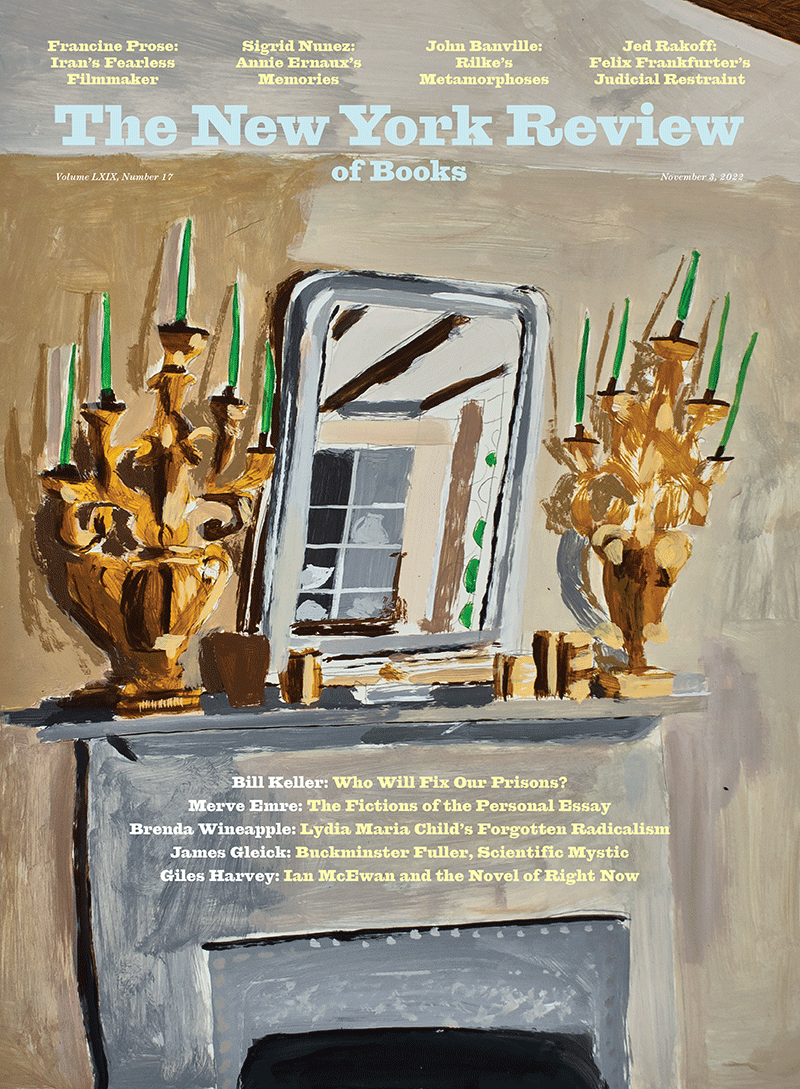
Getting Lost by Annie Ernaux, translated from the French by Alison L. Strayer
Annie Ernaux, the 2022 Nobel Literature laureate, has published a diary of a sublime love affair—both a quest for self-awareness and a desire to escape the self—in which she traces a familiar arc of loss.
American prisons are often unjust, inhumane, and ineffective at protecting public safety. Mariame Kaba and Ruth Wilson Gilmore believe they should be eliminated entirely.
We Do This ’Til We Free Us: Abolitionist Organizing and Transforming Justice by Mariame Kaba, edited by Tamara K. Nopper and with a foreword by Naomi Murakawa
Abolition Geography: Essays Towards Liberation by Ruth Wilson Gilmore, edited by Brenna Bhandar and Alberto Toscano
Yasmine Seale’s new translation of The Thousand and One Nights has a texture—tight, smooth, skillfully patterned—that make previous versions seem either garish or slightly dull by comparison.
The Annotated Arabian Nights: Tales from 1,001 Nights translated from the Arabic by Yasmine Seale, edited and with an introduction and notes by Paulo Lemos Horta
The filmmaker Jafar Panahi’s recent arrest in Tehran’s notorious Evin prison marks the latest phase in a campaign that the Iranian judiciary has been waging against him for over a decade.
No Bears a film written and directed by Jafar Panahi
A historical survey of the personal essay shows it to be the purest expression of the lie that individual subjectivity exists prior to the social formations that gave rise to it.
News, Views and Reviews For The Intellectually Curious





 Boomers Daily