

Unpronounceable volcanoes, Björk, Vikings, Game of Thrones – these are some of the things you might think of relating to Iceland. This remote and fascinating island, located in the middle of the Atlantic Ocean with a population of 360,000 people, is one of the most creative nations in the world. Is it due to isolation, the inspiration from nature or its centuries-old folklore legends? Eve Jackson goes to the land of ice and fire to find out why Iceland has such an exceptional and disproportionate amount of artists.
Tag Archives: Profiles

Surrealist Art: Max Ernst’s ‘Attirement Of The Bride’
Attirement of the Bride is an example of Max Ernst’s veristic or illusionistic Surrealism, in which a traditional technique is applied to an incongruous or unsettling subject. The theatrical, evocative scene has roots in late nineteenth-century Symbolist painting, especially that of Gustave Moreau. It also echoes the settings and motifs of sixteenth-century German art. The willowy, swollen-bellied figure types recall those of Lucas Cranach the Elder in particular. The architectural backdrop with its strong contrast of light and shadow and its inconsistent perspective shows the additional influence of Giorgio de Chirico, whose work had overwhelmed Ernst when he first saw it in 1919.
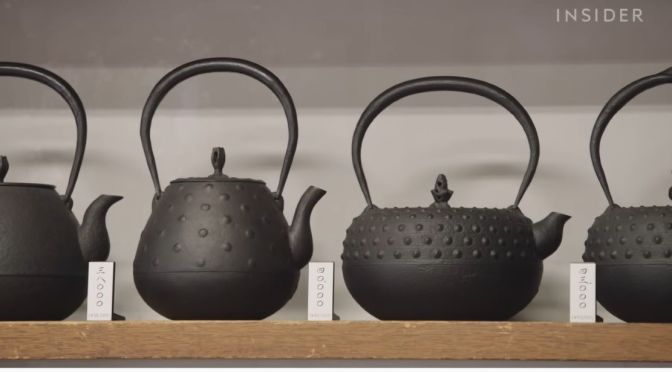
Artisan Views: Handmade Japanese Iron Kettles
A handmade Japanese iron kettle can cost over $300. For centuries, artisans have made kettles by pouring molten iron into molds and hammering them out once they’ve cooled. These kettles often have beautiful designs but they’re only used for boiling water. You can buy a mass produced stovetop kettle for $20, so what makes these kettles unique? And why are they so expensive?
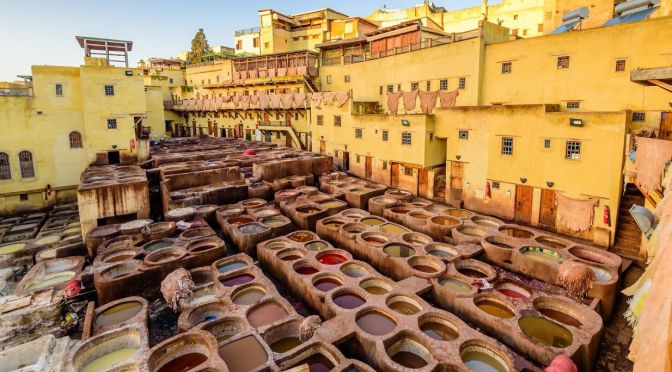
Historic Views: Chouara Tannery In Fez, Morocco
Tanners at the Chouara Tannery have been transforming animal hides into leather since the 11th century. The tanning process has gone unchanged since then, but it relies on heavy chemicals that threaten the health of workers. Some say they are not willing to take that risk. We traveled to the world’s oldest leather tannery in Fez, Morocco, to find out how this ancient craft is still standing.
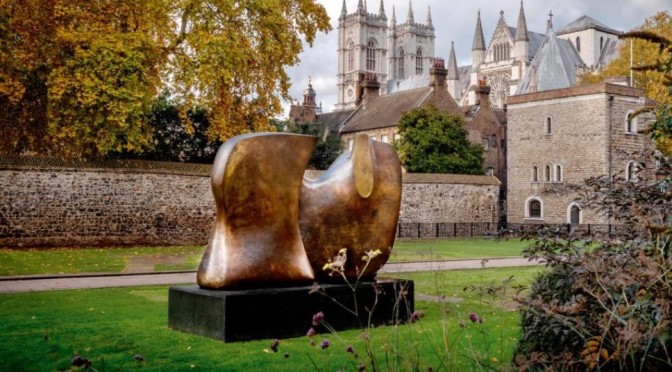
Profiles: British Sculptor Henry Moore (1898-1986)
Henry Moore achieved international fame as a sculptor, despite once being denounced for promoting ‘the cult of ugliness’. And he also remained a most unassuming man, finds Laura Gascoigne, as two new exhibitions of his work prepare to welcome visitors.
Sculptors are very rarely household names, but no one who lived through the 1960s could be unfamiliar with the name of Henry Moore. At the height of his international success, Moore’s monumental public sculptures in prominent locations — from the 12ft-high Knife Edge Two Piece (1962–65) outside London’s Houses of Parliament to the 26ft-long Reclining Figure (1963–64) outside the Lincoln Centre in New York, US — became such a feature of the urban landscape that they appeared in cartoons in the popular press. For a Modernist abstract sculptor, that was fame.
In the 1950s, Moore added a new subject to his signature themes of the mother and child and the reclining figure. As a young man, his first sight of Stonehenge by moonlight, in 1921, had left an indelible impression; 30 years later, he began a series of large bronze totemic forms recalling prehistoric monoliths.

Henry Moore with three of his Upright Motives c.1955.Photo: Barry Warner

Art: 17th Century French Classical Painter Michel Corneille The Elder
This remarkable painting by Michel Corneille the Elder has been hidden away from view for at least the past 110 years and is a truly exceptional rediscovery for French painting of the 17th century. After a recent restoration, the artist’s signature has been re-exposed so that now this impressive work can be confidently attributed to the early French Classicist.
This episode of Anatomy of a work of art, discover The Death of Virginia, taken from Roman historian Livy and recounts the death of Virginia, daughter of a centurion in the Roman army. This rediscovery will be one of the highlights of our sale Tableaux Dessins Sculptures 1300-1900, Session I, Including Treasures from the Antony Embden Collection.

The Getty: Photographer Imogen Cunningham
May 11, 2022 – In this episode of Getty Art + Ideas, Getty photographs curator Paul Martineau discusses Imogen Cunningham’s trajectory, focusing on key artworks made throughout her life.
“When Cunningham passed away, I think in part her reputation was based on her personality, the fact that she had lived so long, the fact that she was full of witty quips, and she wouldn’t let anyone boss her around. But I think in some ways that eclipsed the work.”
Born in Portland, Oregon, in 1883, photographer Imogen Cunningham joined a correspondence course for photography as a high schooler after seeing a magazine ad. Over the course of her 70-year career, Cunningham stirred controversy with a nude portrait of her husband, photographed flowers while minding her young children in her garden, captured striking portraits of famous actors and writers for Vanity Fair, and provided insight into the life of nonagenarians when she herself was in her 90s. Although photography was a male-dominated field, Cunningham made a name for herself while also supporting the work of other women artists. Her long, varied career is the subject of the new exhibition Imogen Cunningham: A Retrospective at the Getty Center.
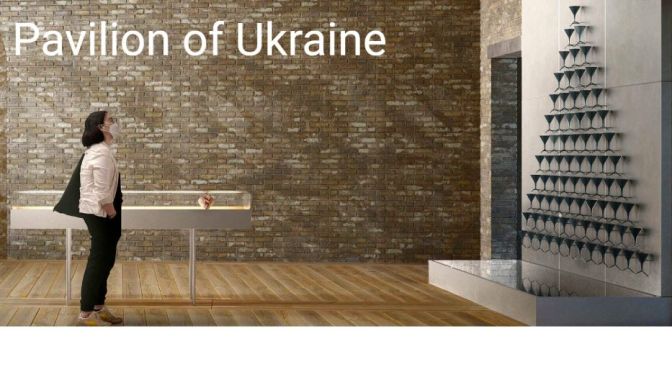
Views: Ukrainian Artist Pavlo Makov’s ‘Fountain Of Exhaustion’ In Venice
Against all odds, a Ukrainian artist and his curators bring ‘Fountain of Exhaustion’ to Venice.
As Russia continues to attack Ukraine, Pavlo Makov’s work for the Venice Biennale carries with it a powerful message of determination and resilience.
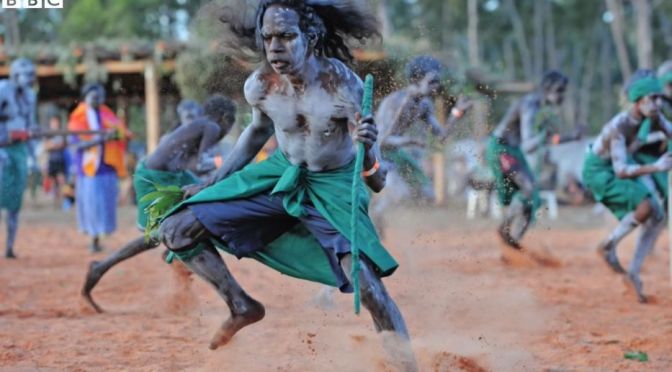
Photography: Capturing Aboriginal Australia (BBC)
Aboriginal photographer Wayne Quilliam has been travelling across Australia for 30 years, documenting its hundreds of Aboriginal and Torres Strait Islander groups. He shares people’s stories, he says, so others can better understand the diversity of Aboriginal cultures. “I don’t generally reflect on the negatives of what’s happening in our communities because there are so many that do so,” he says. A warning for Aboriginal and Torres Strait Islander viewers: This video contains images of people who may have died.
 Boomers Daily