The triumph and tragedy of the Higgs boson
Ten years ago, physicists found what they predicted. Little new has followed
Ancient DNA reveals Black Death source
Graves in Kyrgyzstan hold early victims of plague that swept medieval Europe
Ten years ago, physicists found what they predicted. Little new has followed
Graves in Kyrgyzstan hold early victims of plague that swept medieval Europe

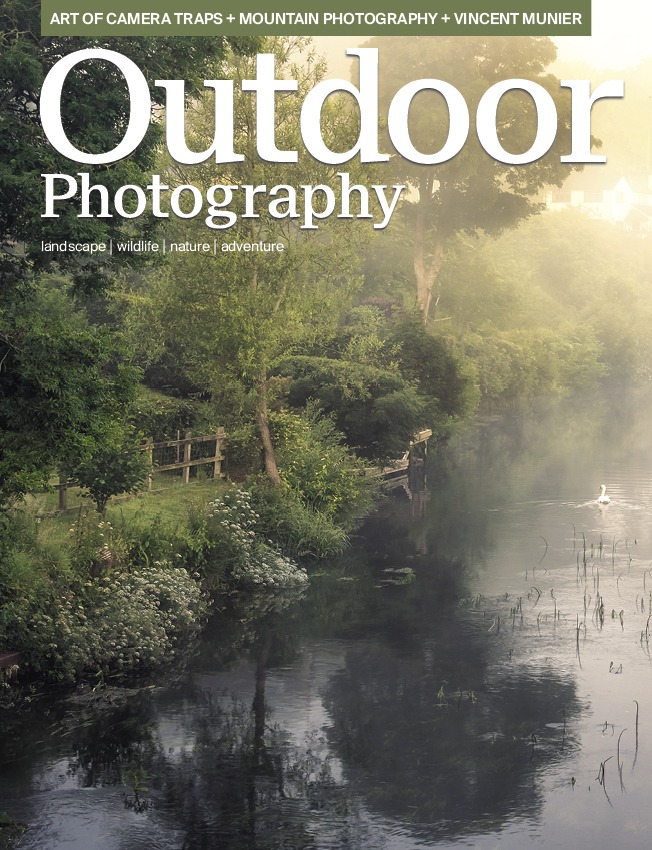
In Outdoor Photography issue 280
Chris Frost captures the magic of Dorset’s hidden woods
Essential tips for successful mountain photography
James Roddie introduces the art of camera trapping
Vincent Munier discusses his stunning new nature film
+

The nature of time is a tricky notion to pin down. But whether it is a fundamental part of our universe or just an illusion has huge implications
FEATURES Could we ever go back in time? Relativity does not rule it out
FEATURES How do we sense time? The brain cells that order our memories

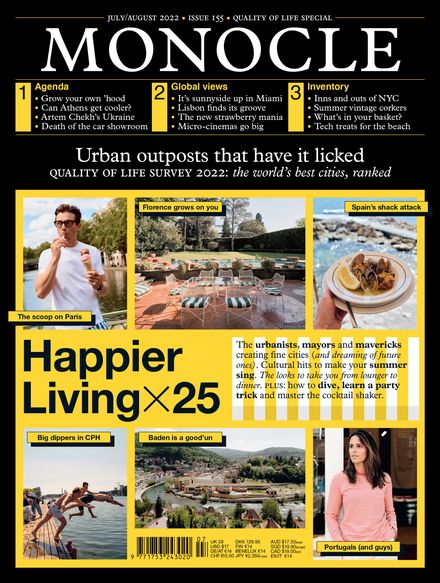
Where is the best place to live? What makes a city tick? How can we improve our lot? Monocle’s Quality of Life Survey has posed this question for the past 15 years and 2022’s July/August issue contains the latest. How does your city fare? Plus: hot looks, sunny stays and the perfect summer playlist.
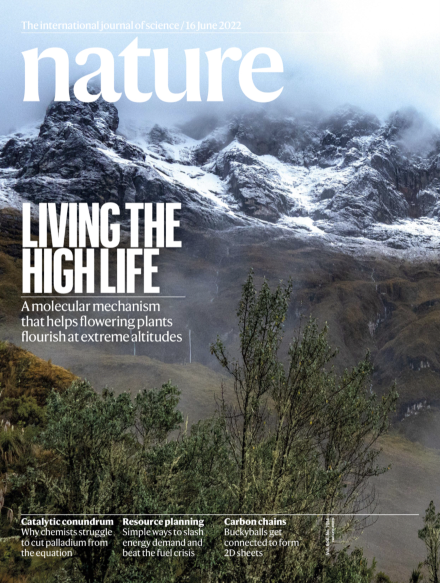
The cover image shows plants growing at altitude on Altar Volcano in Chimborazo, Ecuador. Extreme altitudes pose challenges for most forms of life, and flowering plants are no exception. But flowering plants have been found growing as high as 6,400 metres above sea level. In this week’s issue, Michael Holdsworth and his colleagues reveal a molecular mechanism that helps plants to adapt to the extremes of altitude. The researchers studied a range of plants, representing four diverse clades of flowering plants — thale cress (Arabidopsis thaliana), tomato, poppy and the grass
Brachypodium distachyon. They found that plants use genetic adaptations to adjust their sensitivity to atmospheric oxygen, whose partial pressure decreases with altitude. By decoding the ambient oxygen level, the plants are able to sense the altitude at which they grow and optimize internal biochemical processes.
Cover image: Cristian Miño, Ecuador.
This week’s Times Literary Supplement @TheTLS, featuring @muldoonpoetry on Ulysses at 100; John Fuller on Auden; @MatthewReiszTHE on science reporting; @MalikShushma on elite women in Rome; @majorjonnyd on Yorkshire – and more.

Amelia Tavella Architectes | Kristell Filotico | Atelier Roberta | Patrick Bouchain | Iwona Buczkowska | Barrault Pressacco | NP2F | OFFICE Kersten Geers David …