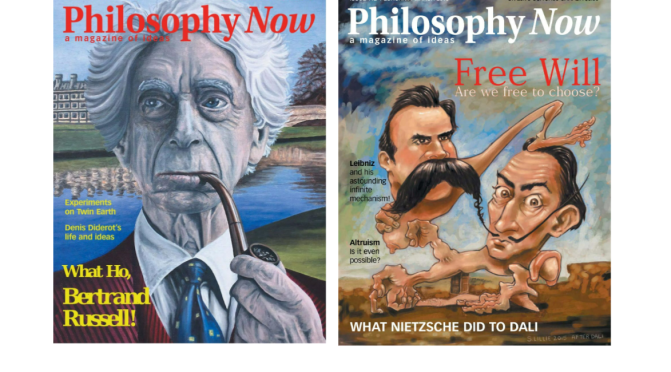


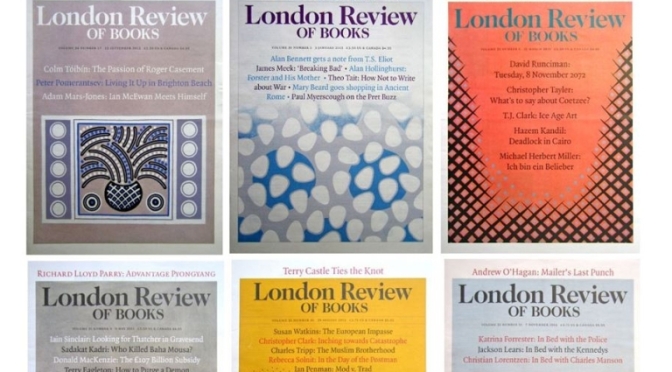
Atomism & Smallism
Raymond Tallis wonders what the world is made from.

Raymond Tallis wonders what the world is made from.


The Vice-President has displayed the basic values and political skills that would enable her to help end, once and for all, a poisonous era defined by Donald Trump. By The Editors
Mental-health struggles have risen sharply among young Americans, and parents and lawmakers alike are scrutinizing life online for answers. By Andrew Solomon
An artificial voice has long been a dream of tinkerers and technologists. Now that A.I. can talk, though, we may forget who we’re talking to.
By Jill Lepore
Monocle on Saturday (September 28, 2024): The 79th session of the United Nations General Assembly concluded this week but what did it achieve? What can we expect from Keir Starmer’s meeting with European Commission president Ursula von der Leyen on Wednesday?
And what is behind the surge in popularity of South Korean skincare in the UK? Georgina Godwin and international broadcast correspondent, Nina dos Santos, discuss this and more of the week’s news and culture. Plus: Monocle’s Gunnar Gronlid attends the opening of the world’s first commercial CO2 capture-and-storage facility in Norway, and we get the latest on The Book Hive, a UK-based independent bookshop and publisher, with the owner, Henry Layte.
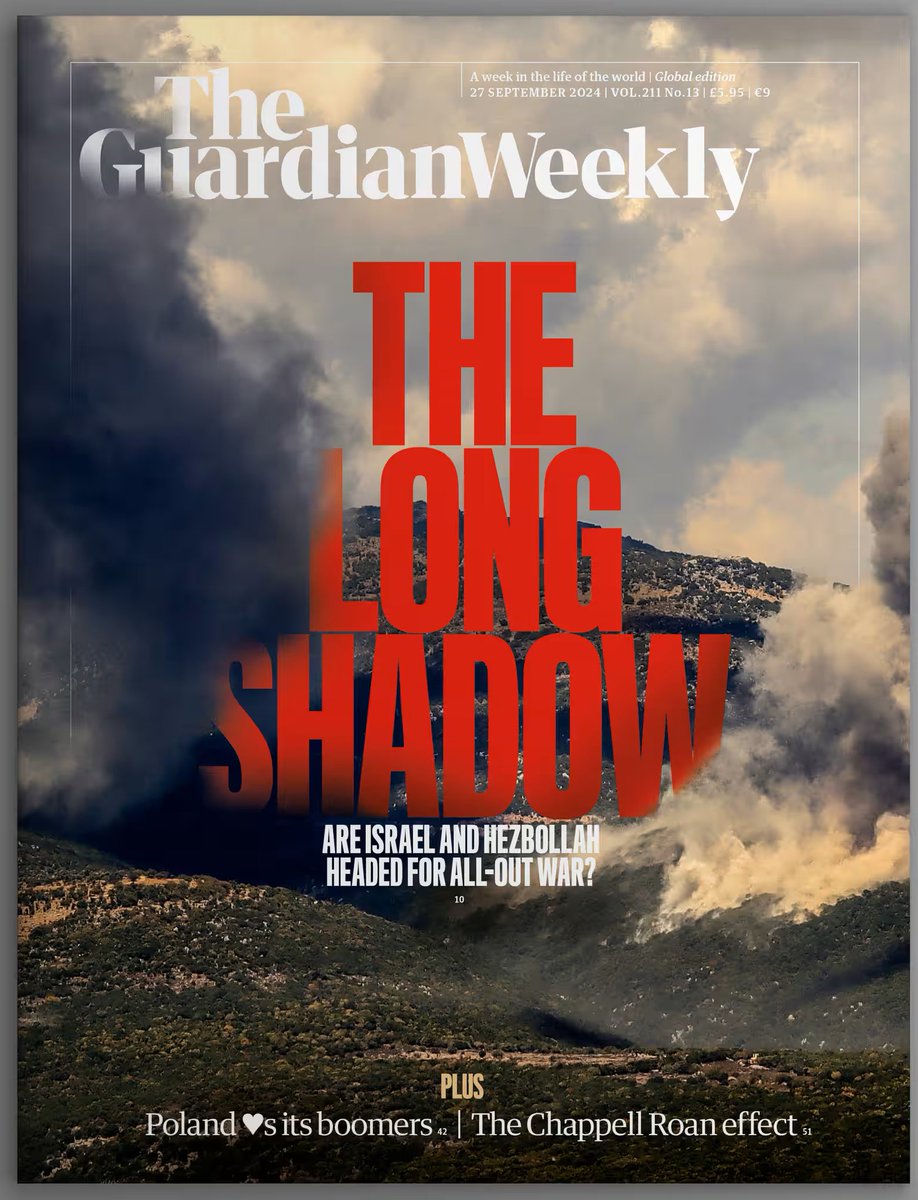

The Guardian Weekly (September 12, 2024) – The new issue features ‘The Long Shadow’ – Are Israel and Hezbollah headed for all-out war?…
In the space of a few days, the focus of Israeli military operations appears to have shifted decisively from Gaza in the south to Lebanon in the north.
A dizzying escalation between Israel and Hezbollah began last week with exploding pagers and walkie-talkies and culminated in a ferocious Israeli bombardment of alleged Hezbollah military targets, killing hundreds of people.
With Iran’s support, the Lebanon-based Shia militia has conducted a background conflict with Israel since the 1980s. Is this the intensification that finally signals all-out war?
1
Spotlight | The brutal truth behind Italy’s migrant reduction
A Guardian investigation reveals EU money goes to forces involved in abuse, leaving people to die in the desert and colluding with smugglers
2
Technology | Why aren’t humanoids in our homes yet?
The development of robots is dogged by technical and safety challenges. But the dream of a multipurpose domestic droid lives on, writes Victoria Turk
3
Feature | An Israeli and a Palestinian discuss 7 October, Gaza – and the future
Could Couples Therapy’s Orna Guralnik and former participant Christine try to understand one another without the conversation breaking down?
4
Opinion | Zelenskyy needs Biden to back his plan to win peace
In besieged Kharkiv, Timothy Garton Ash saw how Ukraine is approaching a perilous moment. To turn the tide, it needs to decisively knock back Russia
5
Culture | Chappell Roan on sexuality, superstardom and the joy of drag
She’s gone from obscurity to the A-list, but not without struggle. Kate Solomon talks to the singer about teenage angst and her queer inspirations



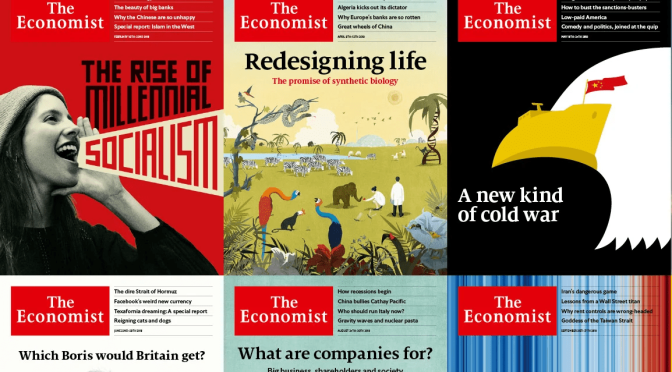
Time for credible war aims—and NATO membership
Both must find a way to step back
Hizbullah seems to have miscalculated in its fight with Israel
The vice-presidential candidate is devising his own tactics for bending the truth
Why voters across the rich world are miserable
Legions of self-taught film-makers are coming for the television industry


Looking back at 7th October and the start of the Gaza war, a Palestinian writer reflects on a year of horror and trauma


For years, the former President has claimed that undocumented immigrants vote illegally. That fiction is now the explicit position of the Party establishment. By Jonathan Blitzer

Don Luigi Ciotti leads an anti-Mafia organization, and for decades he has run a secret operation that liberates women from the criminal underworld. By D. T. Max

Lauren Boebert has a “tribal” design on her midriff, but there’s competition from John Fetterman and the tattoo caucus—and don’t forget John F. Kennedy or Theodore Roosevelt. By Charles Bethea
Monocle on Saturday (September 21, 2024): Author and political correspondent Tessa Szyszkowitz joins Georgina Godwin to talk about the pager explosions in Lebanon, seeing Russian opposition politician Vladimir Kara-Murza in London and fashion at political conferences.
Plus: Monocle’s Mae-Li Evans heads to Amsterdam for the Glue design festival and ‘Financial Times’ senior business writer Andrew Hill looks ahead to the 20th edition of the FT’s Business Book of the Year awards.


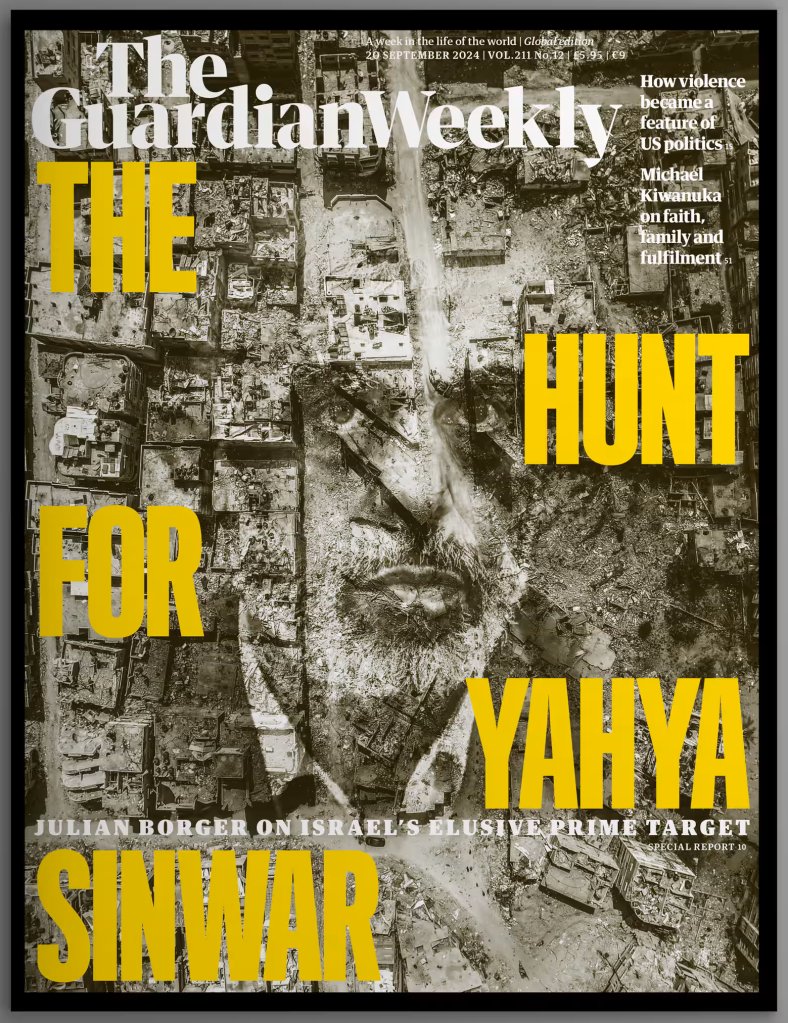
The Guardian Weekly (September 12, 2024) – The new issue features ‘The Hunt For Yahya Sinwar’ – Julian Borger On Israel’s Elusive Prime Target…
The last sighting of Yahya Sinwar, the Hamas leader who is widely accused of unleashing the Gaza war, was from a retrieved Hamas security video that was apparently recorded three days after the 7 October attack on Israel.
Since then an estimated 41,000 Palestinians, mostly civilians, have been killed in a furious and devastating Israeli bombing response. Yet the prime target Sinwar has remained at large and apparently unscathed.
1
Spotlight | Another apparent assassination attempt on Donald Trump
Violence and instability have become a feature, not a bug, of US political life, writes Washington DC bureau chief David Smith
2
Environment | Darién Gap migration rush creates a pollution crisis
Isolated communities on the Colombia-Panama border are sounding the alarm over poisoned rivers and cultural erosion after a surge in migrants crossing their ancestral lands, finds Luke Taylor
3
Feature | The age of rage
Anger has come to def ine the public mood – felt in the posts of social media warriors and harnessed by populist agitators. Psychoanalyst Josh Cohen asks why are we so mad, and how can we navigate to calmer waters
4
Opinion | The return of border checks in Germany
The German chancellor Olaf Scholz’s border clampdown threatens the entire European project, argues Maurice Stierl – no wonder the continent’s rightwing populists are cheering
5
Culture | Michael Kiwanuka on faith, family and fulfilment
The Mercury prize-winning musician explains to Alexis Petridis how he went from being a ‘slight weirdo’ to wowing Glastonbury – and why he thinks more people are turning to religion



 Boomers Daily