
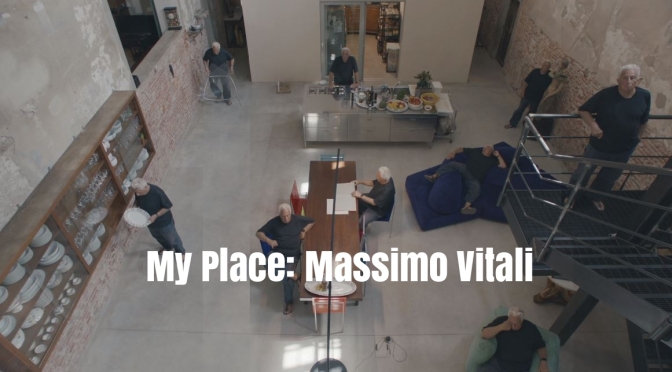
Directed by: Barbara Anastacio
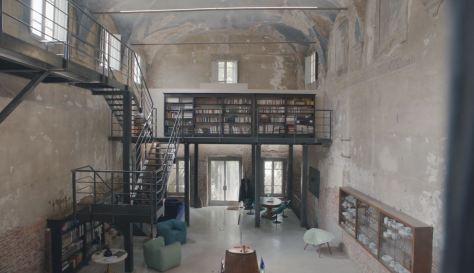
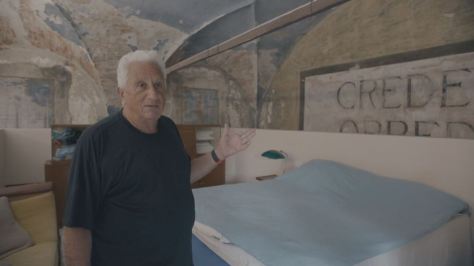
Even though the image-maker’s large color works are held in galleries around the world, Vitali chooses not to display any photography in his home. Instead, the crumbling walls, sky blue vaulted ceilings, eroded slogans, frescoes and marble archways of the church provide as much narrative as any image.
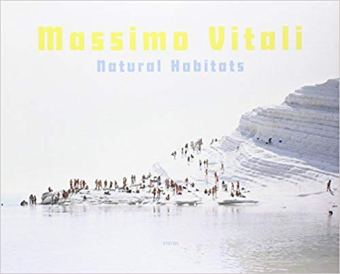 An assortment of inflatable alligators, damp bodies and candy cane-colored umbrellas typify Italian photographer Massimo Vitali’s ongoing Beach Series, which he began in 1995. Born in Como, Italy in 1944 Vitali’s internationally recognized panoramas of busy ski resorts, clubs, pools and piazzas explore the multilayered stories present in communal leisure places.
“Vitali’s choice of home reflects his intrigue in the spaces that people chose to congregate in”
This Barbara Anastacio-directed episode takes us away from the crowds and into the tranquil Tuscan city of Lucca where Vitali lives with his wife and son. The photographer’s home is a fourteenth-century church, which—in one of it’s most recent incarnations—was used a boxing and fencing gym for young fascists during the Mussolini years.
To read more: https://www.nowness.com/series/my-place/massimo-vitali-barbara-anastacio

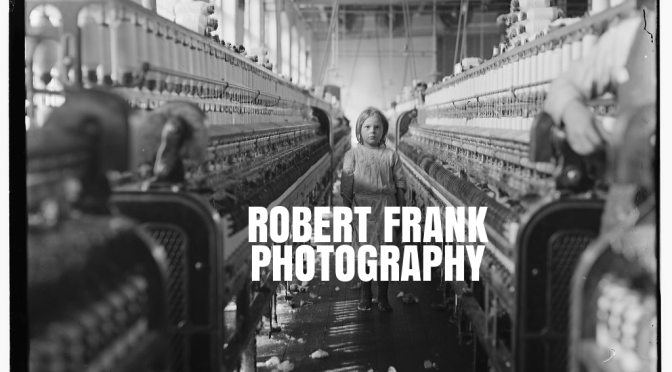
 Rigorously unsentimental in his attitude to the world around him, Mr. Frank deviated from form in 1950, taking what was arguably his most romantic picture. He had his reasons. He was in love. The year before he had met artist Mary Lockspeiser, who became his first wife. In “Tulip/Paris,” he photographed a young man who is holding behind his back a tulip — presumably intended for the woman standing in the background. An old man, at the other end of life’s arc, approaches the viewer. It is a classic romantic Paris street photograph.
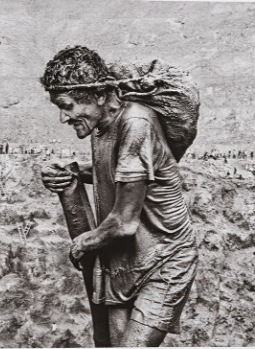 “Salgado’s photographs project an immediacy that makes them vividly contemporary. We know that the mine at Serra Pelada is now closed, yet the intense drama of the gold rush leaps out of these images.”
 some 50,000 diggers in appalling conditions. Today, Brazil’s gold rush is merely the stuff of legend, kept alive by a few happy memories, many pained regrets—and
 At first glance, Stephen Wilkes’ photographs look like a single moment in time. It is only upon closer inspection that viewers discover that each of his works is actually the result of shooting thousands of photographs from a stationary position over the course of a day and stitching them together digitally to create one cohesive panorama. The painstaking task of editing all of this information and whittling it down into one image can take months to complete, but the results capture a sense of place that can’t be expressed by a single frame alone.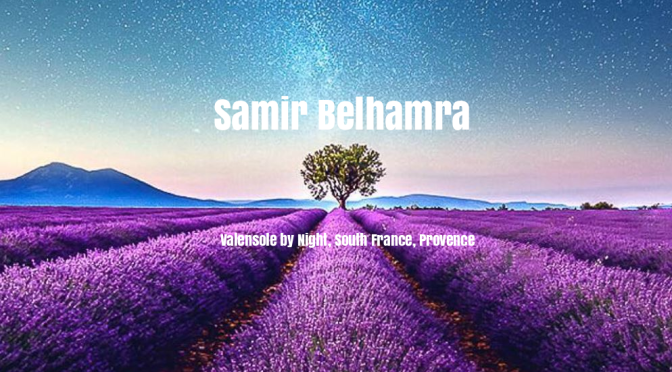
 To many nature photographers, no muse is quite as magical as a field of flowers. This tried and true subject is particularly popular with aerial photographers, whose atmospheric shots allow us to explore the mesmerizing meadows from soaring perspectives. One photographer taking this trend to new heights is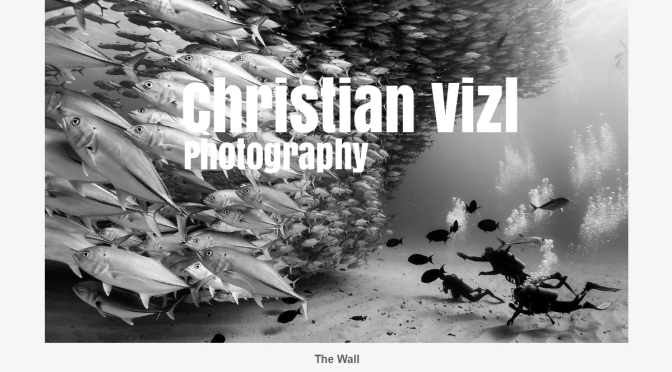
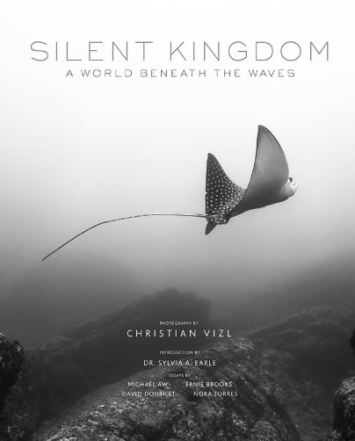 I have always loved the ocean and also photography. I started taking pictures as a teenager and was very inspired by black and white masters like Ansel Adams and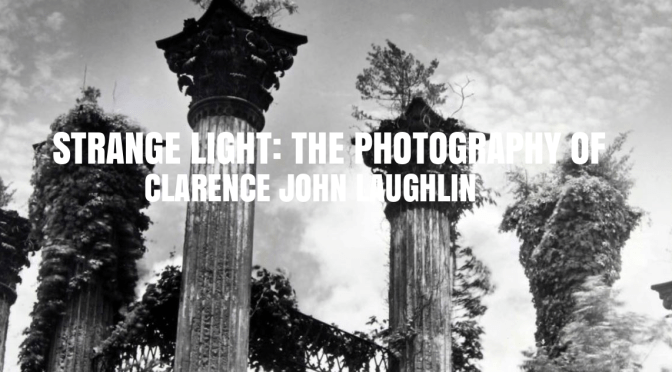
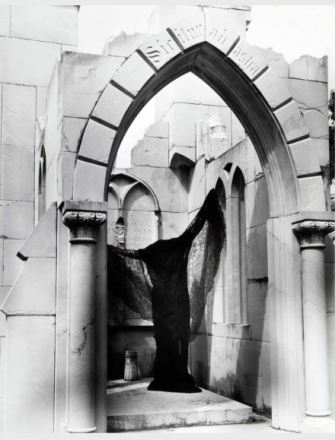 Dubbed “The Father of American Surrealism,” Clarence John Laughlin (American, 1905-1985) was the most important Southern photographer of his time and a singular figure within the burgeoning American school of photography. Known primarily for his atmospheric depictions of decaying antebellum architecture that proliferated his hometown of New Orleans, Laughlin approached photography with a romantic, experimental eye that diverged heavily from his peers who championed realism and social documentary.
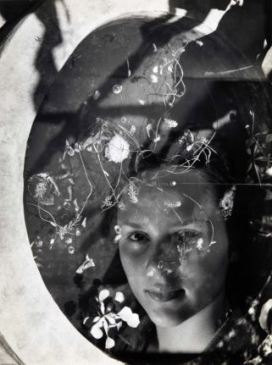 The exhibition surveys Laughlin’s signature bodies of work made between 1935 and 1965, emphasizing his inventiveness, artistic influences, and deep connection to the written word. The High began collecting Laughlin’s work in 1974 and Strange Light: The Photography of Clarence John Laughlin is the first major presentation of Laughlin’s photographs by the High Museum following a landmark acquisition of his work in 2015.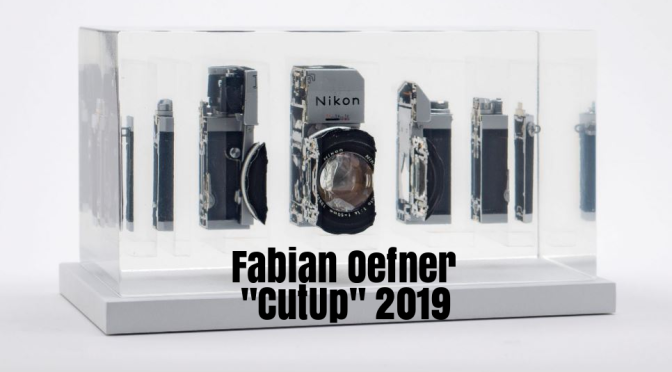
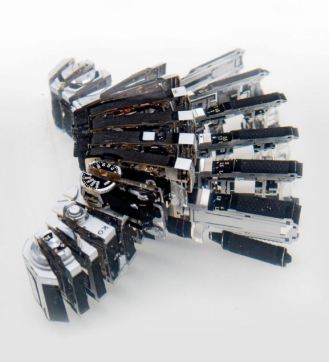 CutUp is closely linked to Oefner`s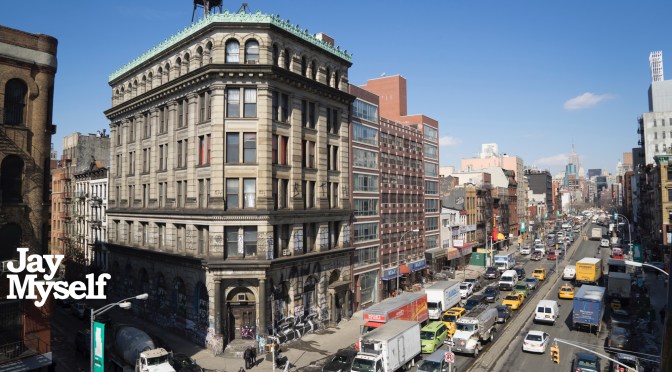
 JAY MYSELF documents the monumental move of renowned photographer and artist, Jay Maisel, who, in February 2015 after forty-eight years, begrudgingly sold his home—the 36,000 square-foot, 100-year-old landmark building in Manhattan known simply as “The Bank.” Through the intimate lens of filmmaker and Jay’s protégé, noted artist and photographer Stephen Wilkes, the viewer is taken on a remarkable journey through Jay’s life as an artist, mentor, and man; a man grappling with time, life, change, and the end of an era in New York City.
 Boomers Daily