

Tag Archives: Photography

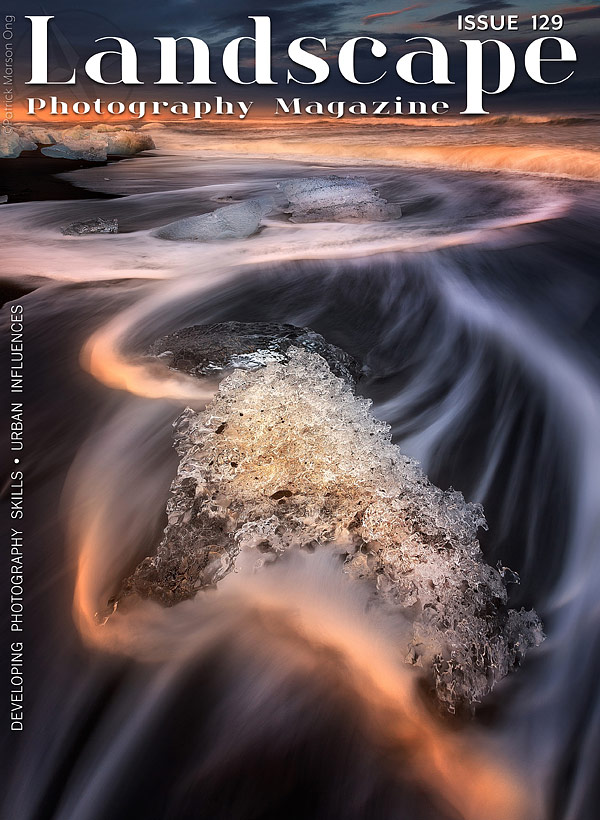
Front Covers: Landscape Magazine – November 2021
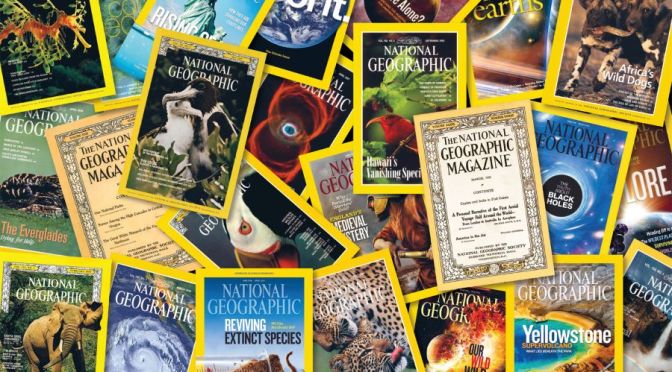
Magazine Cover: National Geographic – NOV 2021


Front Covers: The English Garden – November 2021


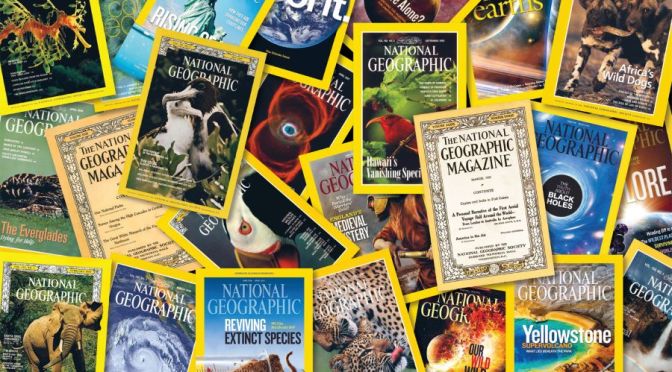
Cover Previews: National Geographic – October ’21
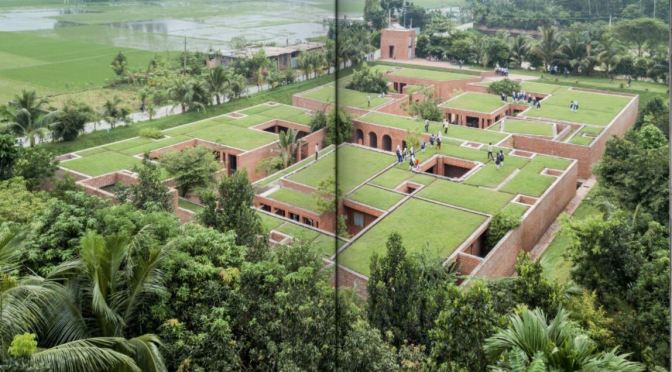
Architecture: ‘Building Bound to the Ground’
Dig deep into the origins of building. The ground, now often used as a passive foundation for going higher, is rife with possibilities. Bjarne Mastenbroek investigates the relationship architecture has, had, and will have, with site and nature. Through the photography of Iwan Baan and more than 500 analytical drawings by SeARCH, Dig it! dissects structures from the past millennia—some well-known, some previously overlooked. This global survey of nearly 1,400 pages, designed by Mevis & Van Deursen, brings architecture back in harmony with the Earth’s surface. Discover the book: https://www.taschen.com/04697yt

Front Covers: Colorado Life Magazine – Sep 2021

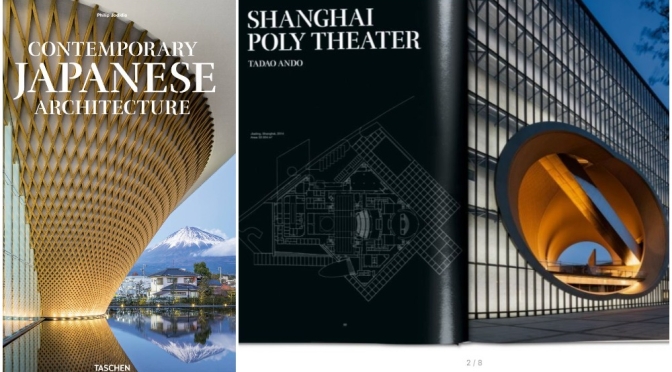
Books: ‘Contemporary Japanese Architecture’
The contemporary architecture of Japan has long been among the most inventive in the world, recognized for sustainability and infinite creativity. No fewer than seven Japanese architects have won the Pritzker Prize.
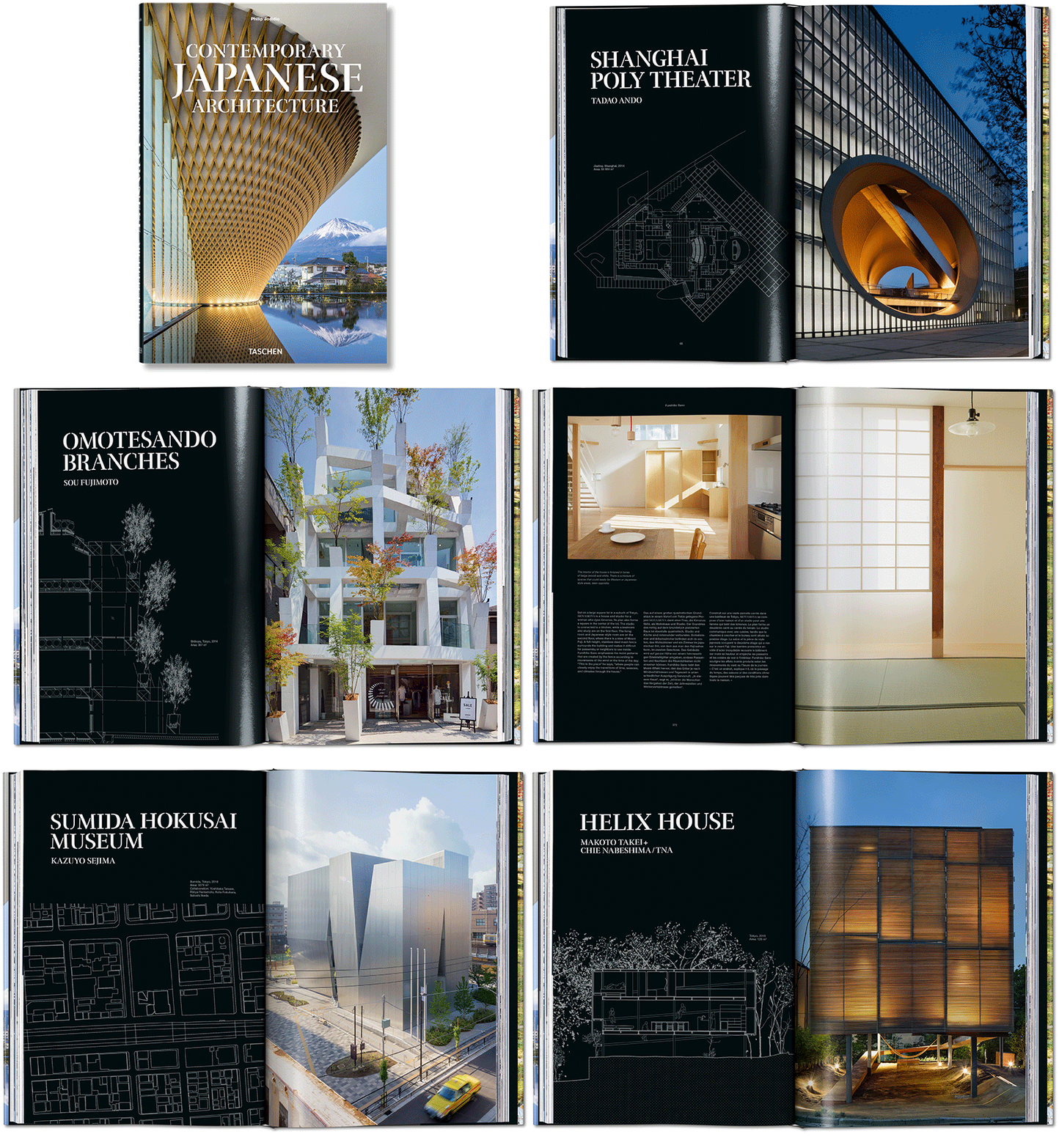
Since Osaka World Expo ’70 brought contemporary forms center stage, Japan has been a key player in global architecture. With his intentionally limited vocabulary of geometric forms, Tadao Ando has since then put Japanese building on the world’s cultural map, establishing a bridge between East and West. In the wake of Ando’s mostly concrete buildings, figures like Kengo Kuma (Japan National Stadium intended for the Olympic Games, originally planned for 2020), Shigeru Ban (Mount Fuji World Heritage Center), and Kazuyo Sejima (Kanazawa Museum of 21st Century Art of Contemporary Art) pioneered a more sustainable approach. Younger generations have successfully developed new directions in Japanese architecture that are in harmony with nature and connected to traditional building. Rather than planning on the drawing board, the architects presented in this collection stand out for their endless search for forms, truly reacting on their environment.
Presenting the latest in Japanese building, this book reveals how this unique creativity is a fruit of Japan’s very particular situation that includes high population density, a modern, efficient economy, a long history, and the continual presence of disasters in the form of earthquakes. Accepting ambiguity, as seen in the evanescent reflections of Sejima’s Kanazawa Museum, or constant change and the threat of catastrophe is a key to understanding what makes Japanese architecture different from that of Europe or America.
This XL-sized book highlights 39 architects and 55 exceptional projects by Japanese masters—from Tadao Ando’s Shanghai Poly Theater, Shigeru Ban’s concert hall La Seine Musical, SANAA’S Grace Farms, Fumihiko Maki’s 4 World Trade Center, to Takashi Suo’s much smaller sustainable dental clinic. Each project is introduced with photos, original floor plans and technical drawings, as well as insightful descriptions and brief biographies. An elaborate essay traces the country’s building scene from the Metabolists to today and shows how the interaction of past, present, and future has earned contemporary Japanese architecture worldwide recognition.

Views: Photography Stories From ‘PetaPixel’
Every Sunday, PetaPixal puts together a collection of easy-reading articles from analytical to how-to to photo features in no particular order that did not make our regular daily coverage.



 Boomers Daily