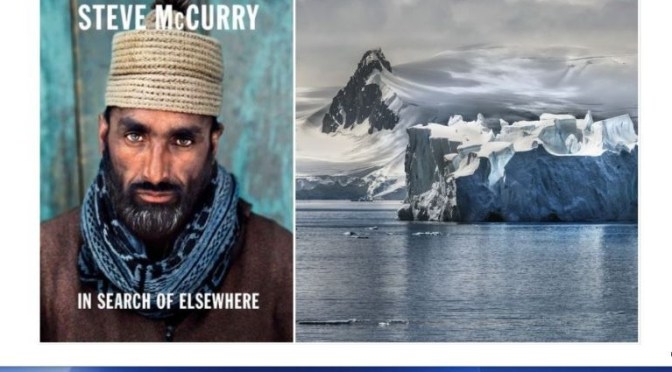
In Search of Elsewhere takes us across the globe and offers new perspectives on many of the locations that the photographer has already made famous – from India, Myanmar and Cuba, to Kashmir and the white-washed temples of the Himalayas. Each image is reproduced at large format and in remarkable detail and this new compilation reveals the incredible depth of his work.
A unique collection of previously unseen images spanning Steve McCurry’s extraordinary career.
Steve McCurry is known for creating some of the most iconic images of recent times and in this new collection, he shares previously unseen photographs from his incredibly rich archive.
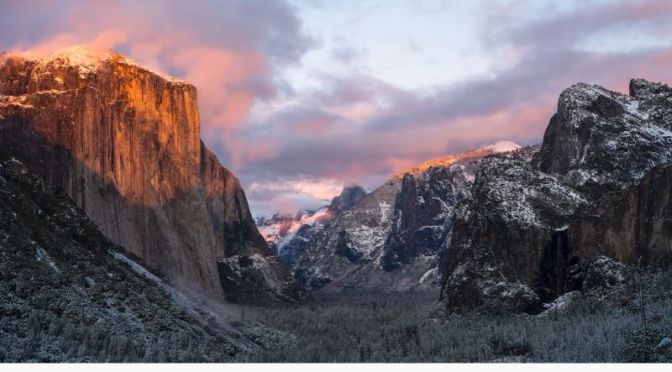
A short film documenting our trip to photograph the snow storm expected to hit Yosemite November 8th 2020.
Yosemite National Park is in California’s Sierra Nevada mountains. It’s famed for its giant, ancient sequoia trees, and for Tunnel View, the iconic vista of towering Bridalveil Fall and the granite cliffs of El Capitan and Half Dome. In Yosemite Village are shops, restaurants, lodging, the Yosemite Museum and the Ansel Adams Gallery, with prints of the photographer’s renowned black-and-white landscapes of the area.
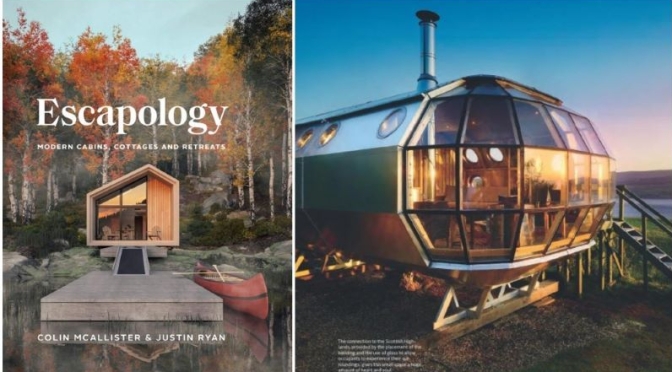
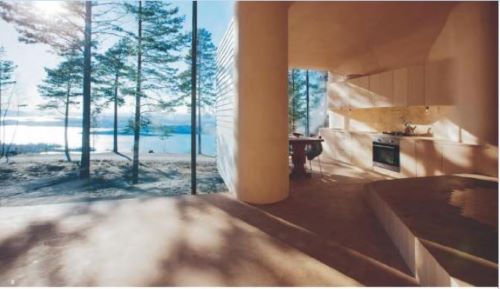
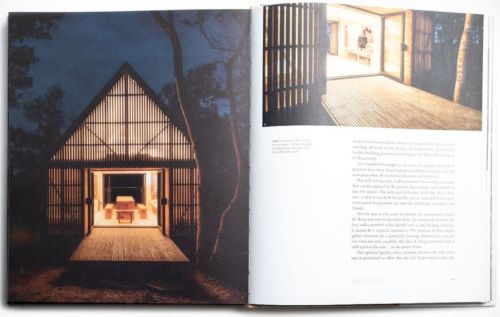
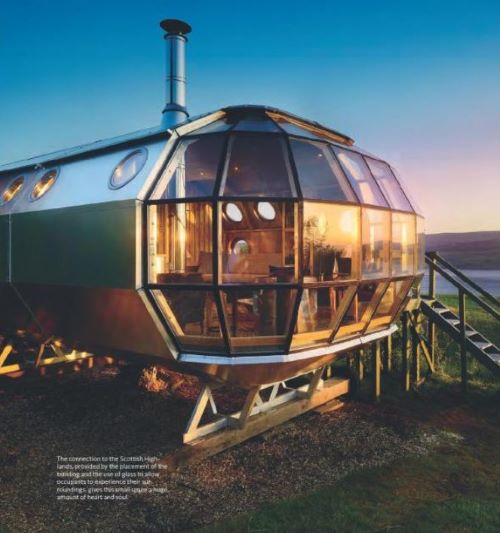
Escape from 2020 and give your mind a getaway with Escapology: Modern Cabins, Cottages and Retreats. Curated by Colin McAllister and Justin Ryan, the 265-page book takes you to 24 dreamy homes around the world where you can mentally cozy up around a wood-burning fire and immerse yourself in mother nature.
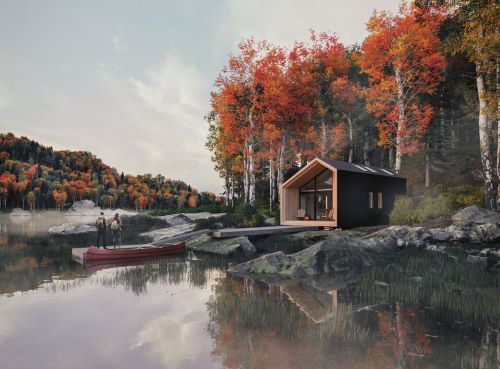
One minute you’ll be in a rugged mountain lodge and the next you’re held up in a minimal Scandinavian cabin surrounded by foilage. The duo even highlights their own retreat on Ontario’s Drag Lake. Filled with impressive photographs, this book might even inspire you to turn your own abode into your dream retreat.
Colin McAllister and Justin Ryan―Scottish interior designers, TV hosts, and property speculators―are cabin aficionados who divide their time between homes in Canada and their beloved Scotland. iEscapology: Modern Cabins, Cottages and Retreats is a stunning book of modern-day retreats―bucolic weekend escapes by the sea, remote getaways in the woods, and rustic mountain hideouts―to inspire peaceful and quiet living. The authors genuinely believe that cabin time has a remarkably positive impact on our health, wellbeing and our happiness.
Whether it’s a rustic cottage nestled deep within a Nordic forest, a robust mountain lodge in Montana, a breathtaking treehouse in Canada, or a steel-walled, one-room “hotel” in Denmark, these retreats share one vital aspect in common: they proffer the chance to escape and to and live in harmony with nature, far from the madding crowd. Part style bible and lifestyle manual, the book features a beautiful collection of classic and contemporary cottages and cabins, each accompanied by an informative design profile and beautifully photographed images.
And of course, the book is also packed with practical building and design advice that fans of Colin and Justin have grown to love. You’ll find relevant information about different types of dwelling styles, builds, sustainability/off-grid living, tiny homes, renovation on a budget, room zonings, décor and everything in between.
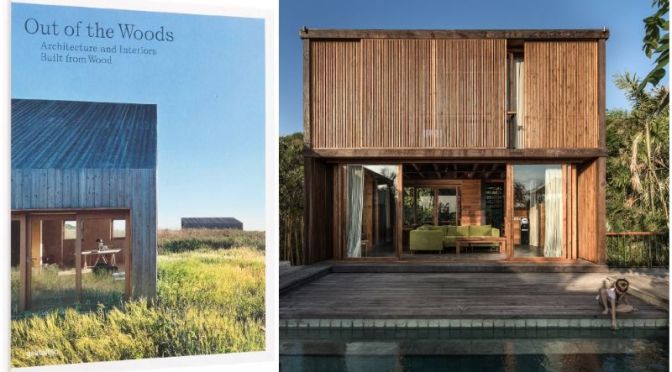
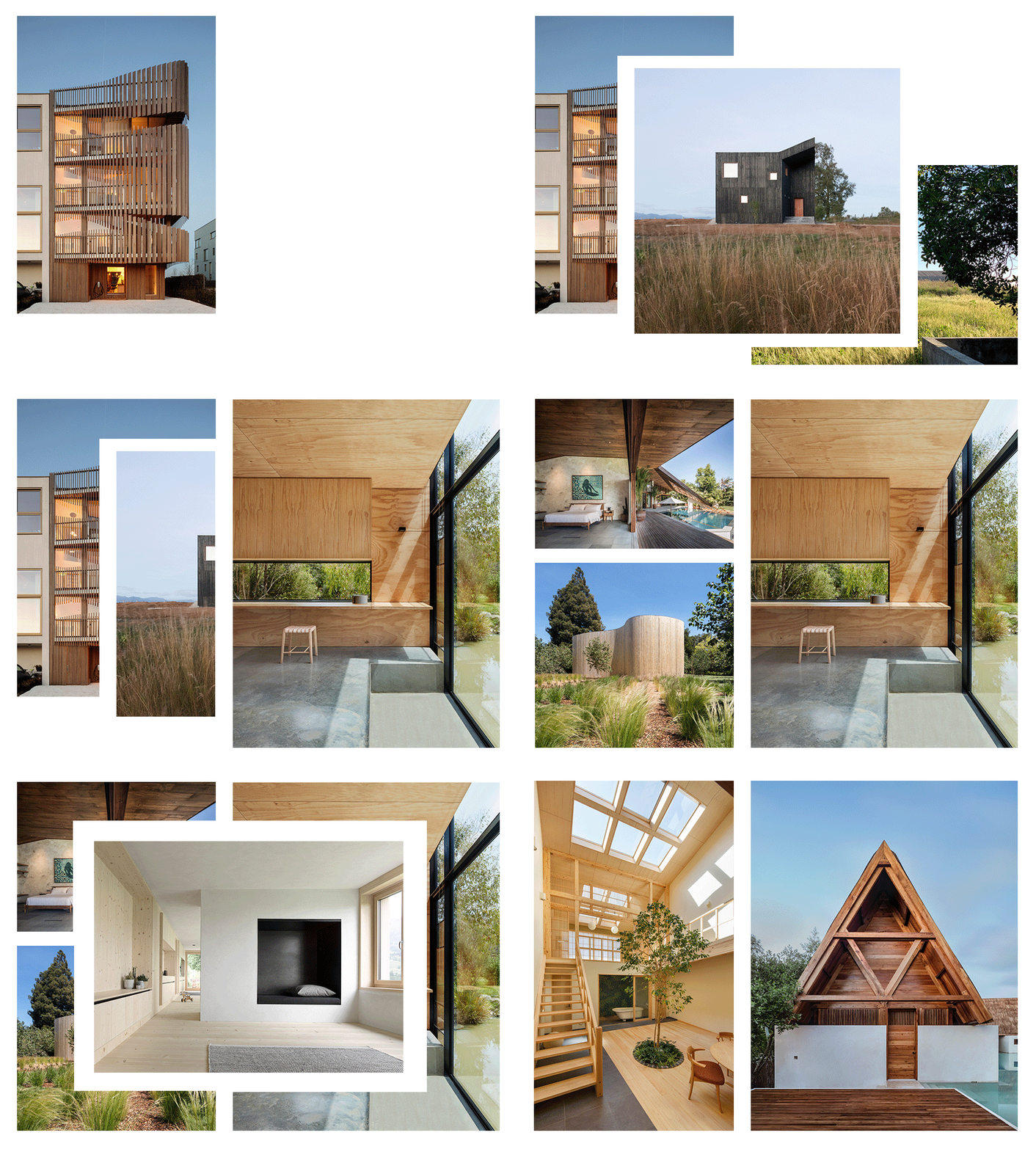
This book explores the innovative and inspiring ways architects are using this universal building material. Spanning grand Alpine escapes to tropical getaways, plywood penthouses to mass timber high-rises, Out of the Woods documents their progressive and inspiring creations from the foundations up.
Humans have been building homes from wood for thousands of years, and yet, in a contemporary world of option and innovation, the most primitive resource could in fact be the most pertinent.
Stretching back to historic Japanese houses, becoming synonymous with resort accommodation, and intertwining itself in the modern trend of hygge, its tactility and warmth have influenced countless architectural design movements. Timber is fast emerging as a viable material of choice, a safe, sturdy, and sustainable alternative to concrete. Architects are rediscovering wood’s universal appeal, thanks to recent technological advances.
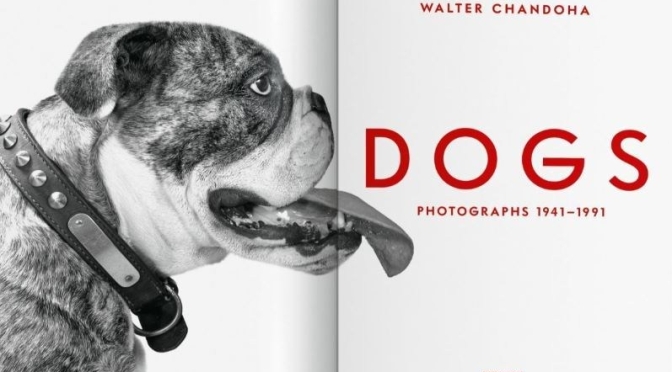
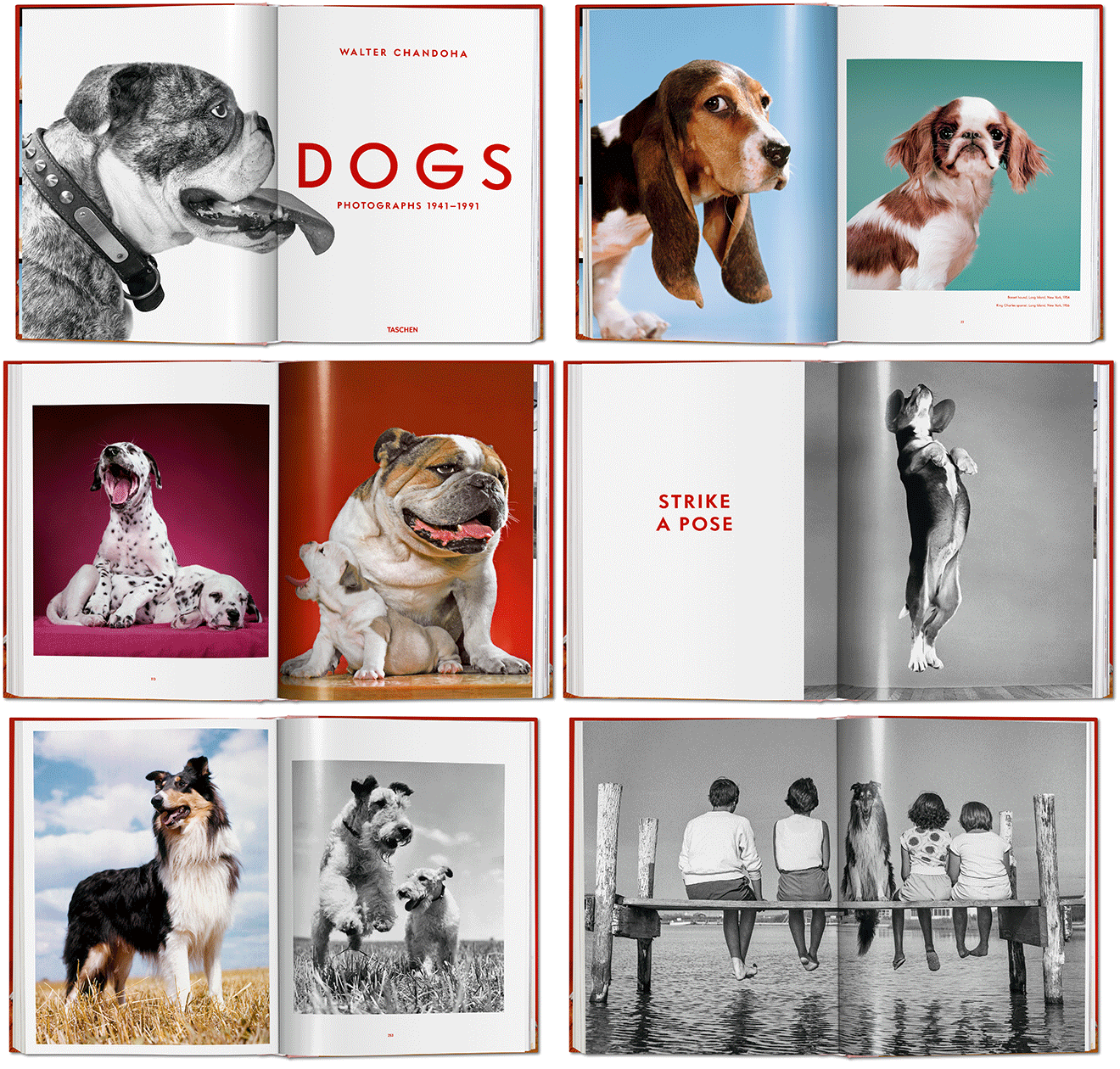
We see terriers, collies, beagles, bloodhounds, poodles, small dogs, big dogs, show dogs, working dogs, and many more, featuring over 60 breeds photographed in both black-and-white and glorious Kodachrome.
The world appears to be divided into cat and dog lovers, but fortunately Walter Chandoha, the 20th century’s greatest pet photographer found himself happily in the middle. He loved these intriguing creatures equally for their unique beauty and individualism, and as subjects to photograph in a career spanning over 70 years. While working on his critically acclaimed TASCHEN book Cats, Chandoha handpicked his favorite dog photos for a potential follow-up title, putting into carefully marked boxes hundreds of contact sheets, prints, and color transparencies, many unseen for at least 50 years, and some totally unseen.
Chandoha sadly passed away in 2019 at the age of 98, but his legacy lives on in this dashing sequel dedicated to man’s best friend. “Walter Chandoha’s photographs of dogs are compelling not just because dogs have an inherent charm, but because the person behind the camera was a master of his craft,” writes the photography critic Jean Dykstra in the book’s introduction.
Spanning a 50-year period, the book is divided into six sections, and each chapter reveals Chandoha’s exceptional combination of technique, versatility, and soul. The opening chapter “In the Studio” focuses on formal portraiture; next it’s “Strike a Pose” where our canine companions ham it up for the camera; in “Out and About” they get to roam and play, often photographed with Chandoha’s own children; next it’s “Best in Show” with Chandoha using his reportage skills to capture vintage dog shows from the Mad Men era; in “Tails from the City,” the dogs are hitting the streets of mid-century New York; and in the closing chapter “Country Dogs,” it’s back to nature, the fields, and the beaches. Dogs is an unleashed photographic tribute to these lovable and loyal creatures.
The photographer
Walter Chandoha(1920–2019) was a combat photographer in the Second World War, before a chance encounter with a cat led him on a path that would shape his professional career. He is regarded as the world’s greatest domestic animal photographer with a career spanning over seven decades and an archive of more than 200,000 photographs. His photographs have appeared on over 300 magazine covers, thousands of advertisements, and were regularly featured in magazines such as Life, Look, and their equivalents around the world.
The editor
Reuel Golden is the former editor of the British Journal of Photography and the Photography editor at TASCHEN. His TASCHEN titles include: Mick Rock: The Rise of David Bowie, both London and New York Portrait of a City books, Andy Warhol. Polaroids, The Rolling Stones, Her Majesty, Football in the 1970s, the National Geographic editions, and The David Bailey SUMO.
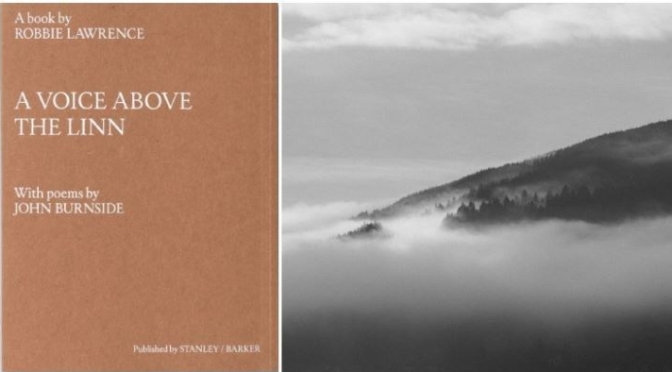
In ‘A Voice Above The Linn’ Lawrence collaborated with the renowned poet John Burnside, who contributed four beautiful new poems to segment its chapters.
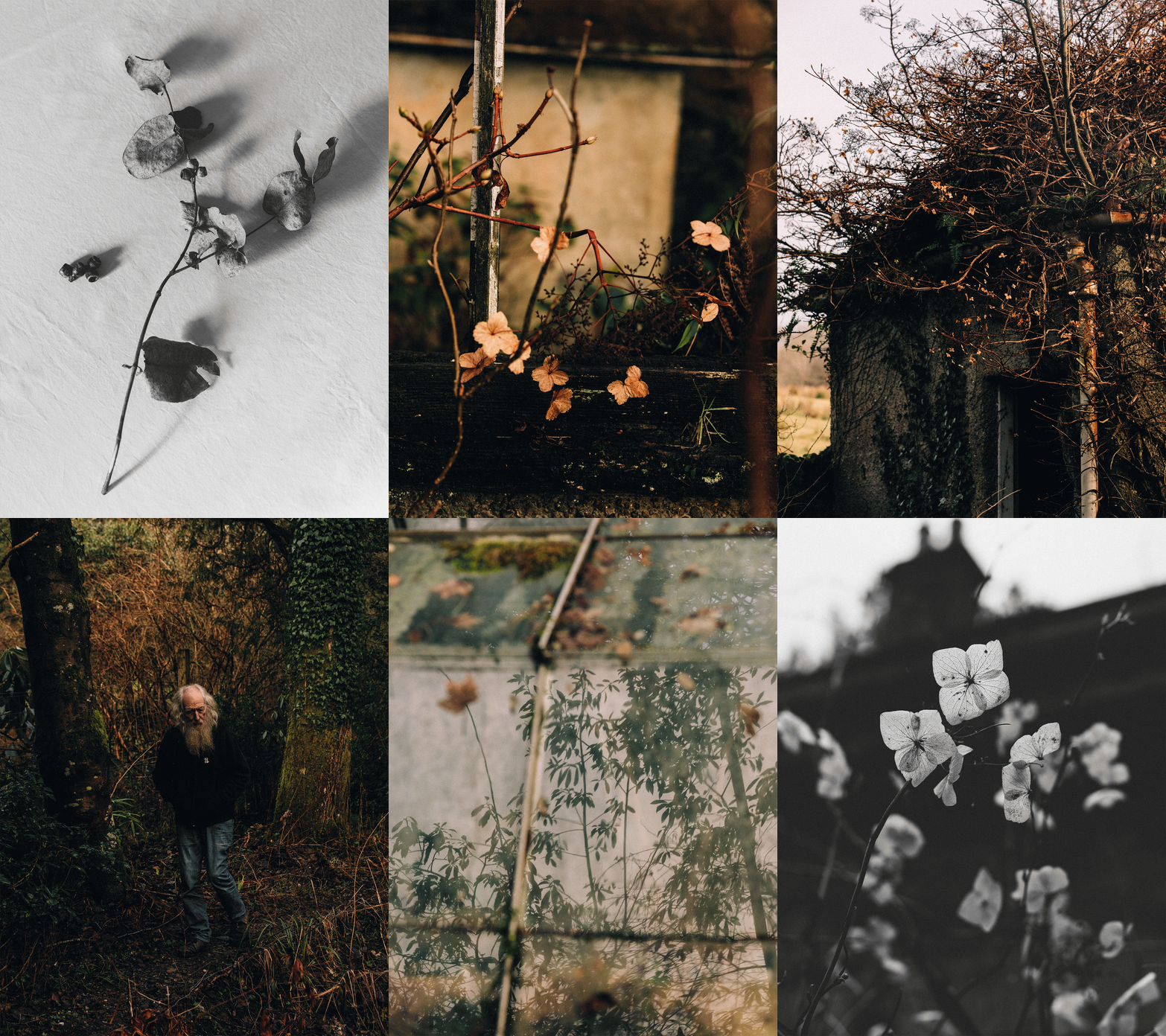
In 2016 Robbie Lawrence first travelled to a remote stretch of coastline in the west coast of Scotland, to Linn Gardens, which lies at the head of Cove Bay on the west side of Rosneath peninsula. The gardens had been run for fifty years by Jim Taggart, an avid botanist and gardener.
Jim discovered that the region’s subtropical climate allowed him to grow plants and flowers from all over the world. His endeavours led to the estate being covered in an intricately plotted web of ferns, bamboos, Magnolias and Rhododendrons. As Jim got older, his son Jamie took over the more physical elements of maintaining the garden, including travelling abroad to research and gather new plants. On one such journey, to the northern mountainous region of Vietnam, Jamie disappeared. His body was found years later, he had evidently fallen in one of the mountain’s higher passes.
“When I first met Jim, who by this point was well into his 80s, he told me that he decided to keep the garden going as a memorial to his son. Over the past few years, I went back to visit Jim and document the garden as it passed through the seasons. Despite his age, Jim would bound around the garden, occasionally stopping to provide a lengthy anecdote about a particular fern or tree. Last summer, Jim passed away at the age of 84.” – Robbie Lawrence
When chaos, stress and distraction comes over us, it is good to calm down and focus on the wonderful little things that mother nature is blessing us with.
So I like to invite you to have a break, relax and enjoy some meditative moments of witnessing the little creatures, plants and mushrooms down at your feet, which normally remain invisible for most of us most of the time.
MUSIK: Scott Rakozy – A Mother`s Love | audiio.com
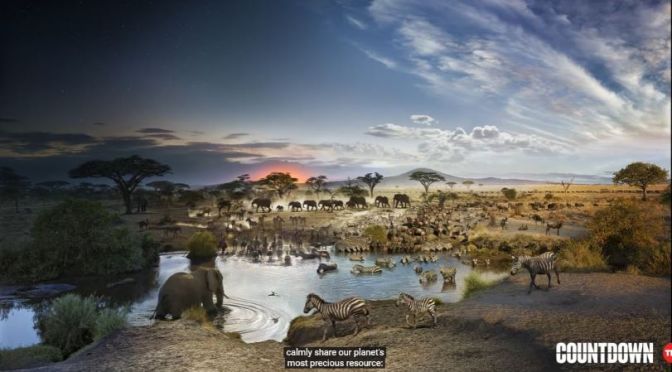
“Nature reveals itself to us in unique ways, if we stop and look at the world through a window of time,” says photographer Stephen Wilkes. Using a special photographic technique that reveals how a scene changes from day to night in a single image,
Wilkes exposes the Earth’s beautiful complexity and the impacts of climate change — from the disruption of flamingo migrations in Africa to the threat of melting ice — with unprecedented force. This performance was part of the Countdown Global Launch on 10.10.2020.
Countdown is TED’s global initiative to accelerate solutions to the climate crisis. The goal: to build a better future by cutting greenhouse gas emissions in half by 2030, in the race to a zero-carbon world.
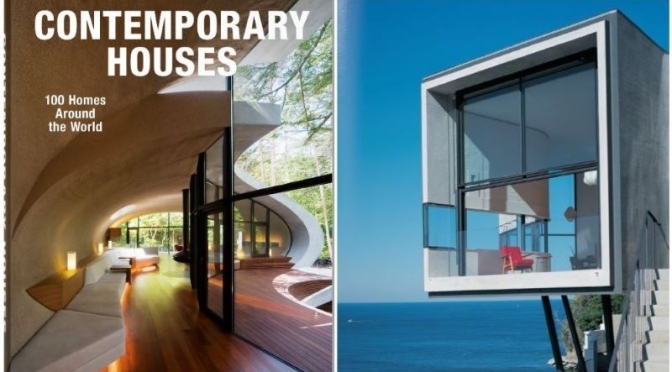
This publication rounds up 100 of the world’s most interesting and pioneering homes designed in the past two decades, featuring a host of talents both new and established, including John Pawson,Shigeru Ban, Tadao Ando, Zaha Hadid, Herzog & de Meuron, Daniel Libeskind, Alvaro Siza, and Peter Zumthor.
Accommodating daily routines of eating, sleeping, and shelter, as well as offering the space for personal experience and relationships, this is architecture at its most elementary and its most intimate.
Designing private residences has its own very special challenges and nuances for the architect. The scale may be more modest than public projects, the technical fittings less complex than an industrial site, but the preferences, requirements, and vision of particular personalities becomes priority. The delicate task is to translate all the emotive associations and practical requirements of “home” into a workable, constructed reality.
The author
Philip Jodidio studied art history and economics at Harvard, and edited Connaissance des Arts for over 20 years. His TASCHEN books include the Architecture Now! series and monographs on Tadao Ando, Santiago Calatrava, Renzo Piano, Jean Nouvel, Shigeru Ban, Richard Meier, and Zaha Hadid.








 Boomers Daily