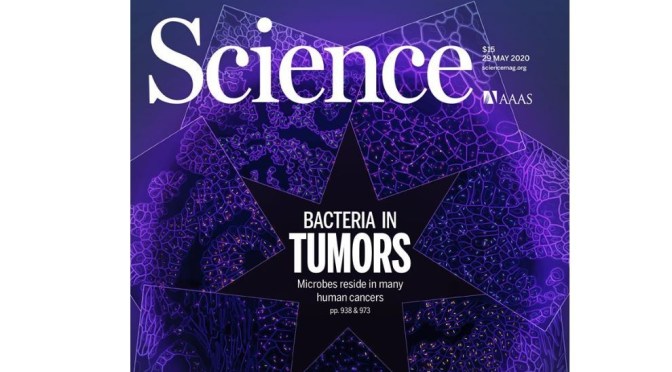
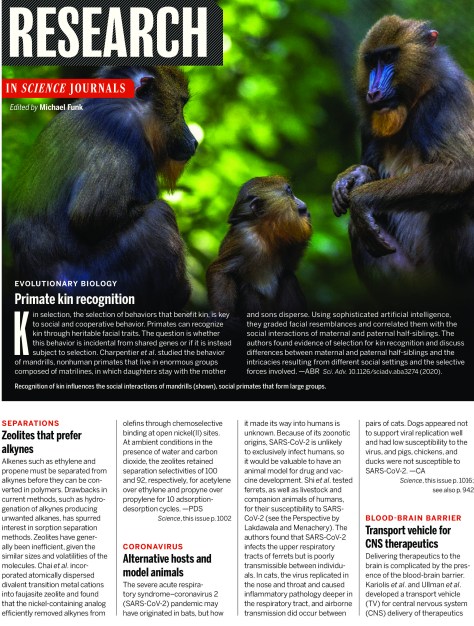
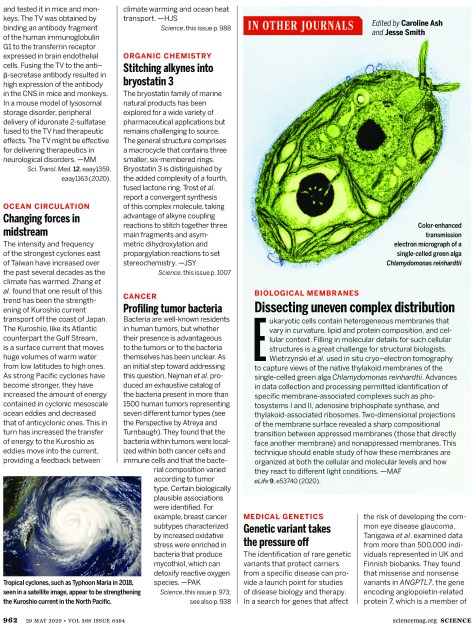
Read full Research Hightlights

Filmed and Directed by: Oliver Astrologo
Original Score by: Federico Coderoni | federico-coderoni.com/
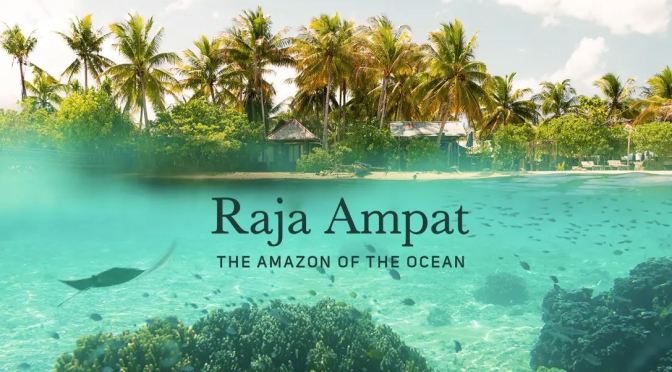
With its insanely clear waters, lagoons, waterfalls and gigantic jungles Raja Ampat is beyond your imagination. There is an unparalleled richness in wildlife and it’s not a coincidence that this gem is home of three-quarters of all known coral species in the world, but this place could be soon in danger. Over the last few years there’s been a noticeable increase in the amount of trash especially plastic in #RajaAmpat waters – Watch the video until the end to see more.
Every day approximately 8 million pieces of plastic pollution find their way into our oceans. Plastics consistently make up 60 to 90% of all marine debris studied. Today, marine conservation is considered one of the greatest scientific problems on our planet. Ecosystems have changed irreversibly, ocean management is fragmented and oceans are managed independently of the terrestrial (land) environment. Nonetheless, given that 71% of our planet is covered by water, the state of our waterways is now one of our most pressing issues.
Filmed, Edited and Narrated by: Matt Jacobs
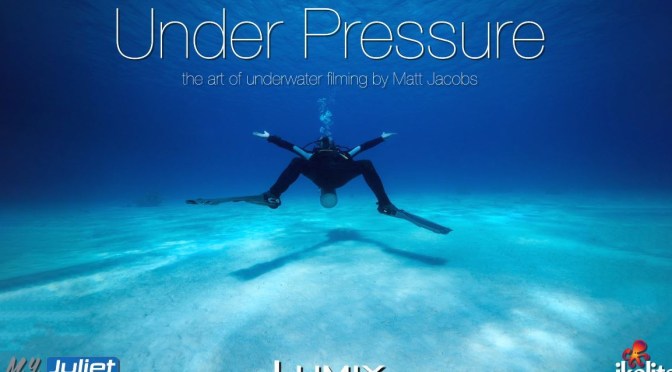
The art of underwater filming. Tips, tricks and insights into how I film underwater using the LUMIX GH5.
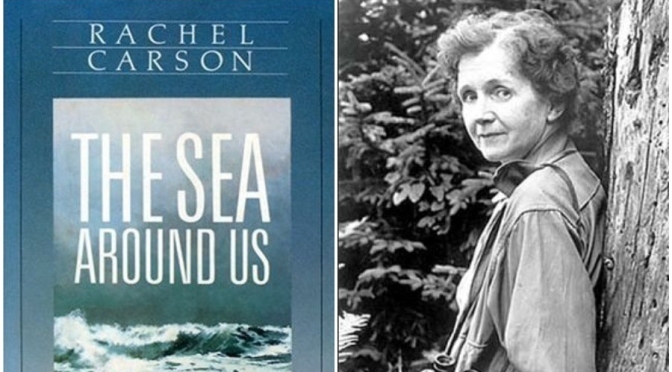
 Before she published “Silent Spring,” one of the most influential books of the last century, Rachel Carson was a young aspiring poet and then a graduate student in marine biology. Although she couldn’t swim and disliked boats, Carson fell in love with the ocean. Her early books—including “The Sea Around Us,” “The Edge of the Sea” and “Under the Sea Wind”—were like no other nature writing of their time,
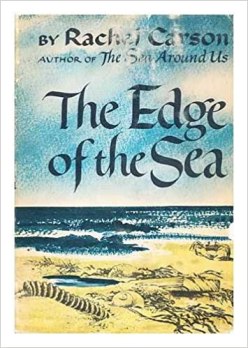 Jill Lepore says: Carson made you feel you were right there with her, gazing into the depths of a tide pool or lying in a cave lined with sea sponges. Lepore notes that Carson was wondering about a warming trend in the ocean as early as the 1940s, and was planning to explore it after the publication of “Silent Spring.” If she had not died early, of cancer, could Carson have brought climate change to national attention well before it was too late?
Excerpts from Carson’s work were read by Charlayne Woodard, and used with permission of Carson’s estate.
Rachel Louise Carson (May 27, 1907 – April 14, 1964) was an American marine biologist, author, and conservationist whose book Silent Spring and other writings are credited with advancing the global environmental movement.
Carson began her career as an aquatic biologist in the U.S. Bureau of Fisheries, and became a full-time nature writer in the 1950s. Her widely praised 1951 bestseller The Sea Around Us won her a U.S. National Book Award, recognition as a gifted writer, and financial security. Her next book, The Edge of the Sea, and the reissued version of her first book, Under the Sea Wind, were also bestsellers. This sea trilogy explores the whole of ocean life from the shores to the depths.
Late in the 1950s, Carson turned her attention to conservation, especially some problems that she believed were caused by synthetic pesticides. The result was the book Silent Spring (1962), which brought environmental concerns to an unprecedented share of the American people. Although Silent Spring was met with fierce opposition by chemical companies, it spurred a reversal in national pesticide policy, which led to a nationwide ban on DDT and other pesticides. It also inspired a grassroots environmental movement that led to the creation of the U.S. Environmental Protection Agency. Carson was posthumously awarded the Presidential Medal of Freedom by President Jimmy Carter.
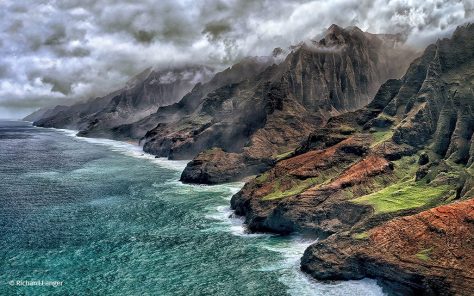
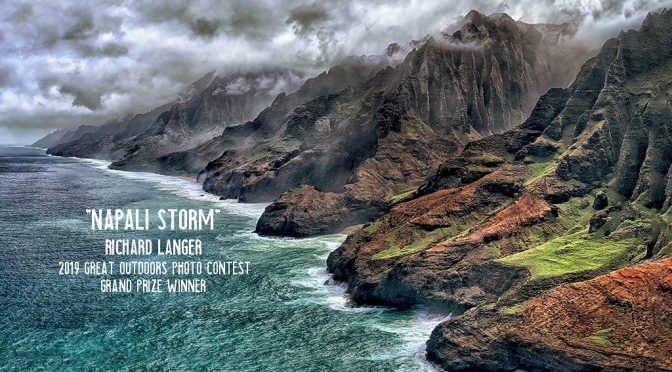
The grand prize in the 2019 Great Outdoors Photo Contest goes to Richard Langer for the image, “Napali Storm.”
“This photograph was taken from a small helicopter over the Napali cliffs on the island of Kauai, Hawaii,” explains Langer. “To avoid the distortions that would result from photographing through the helicopter’s dome, I selected one that had no doors. This was fine for photography, but it let the rain and wind in on my wife and me. Though the weather had been stormy and rainy throughout the flight, it lifted a little as we flew over the ocean. By the end of the trip, we were drenched and shaken, but knew that we had witnessed an amazing sight.”
From Outdoor Photographer
Narrated by David Tennant.
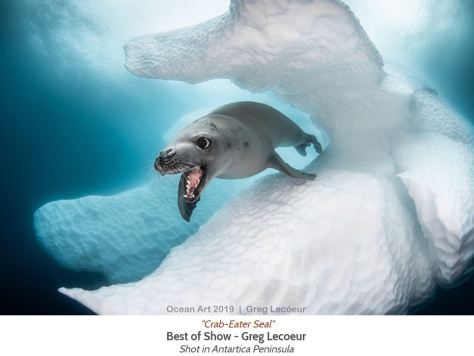
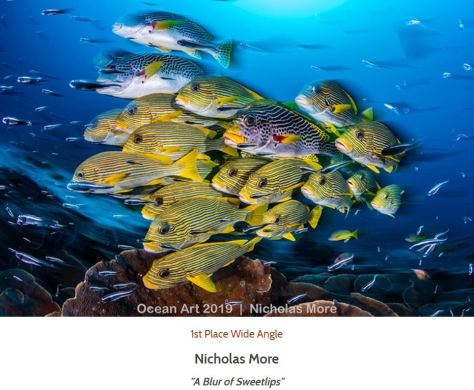
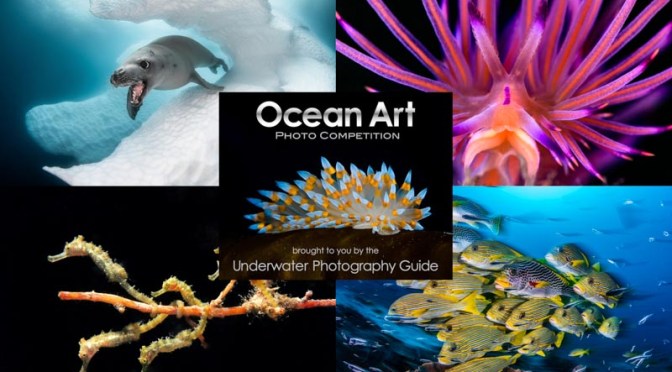
 January 13, 2020 – The prestigious Ocean Art Underwater Photo Competition, organized by the Underwater Photography Guide, has announced its 2019 winners. The 8th annual competition attracted an extremely high caliber of photos from oceans around the world. These photos showcase the best underwater photographs of the year. 2019 was one of the most competitive years to date. Our two new categories, conservation and blackwater diving, had an overwhelming response of incredible photos and were two of the highlights of the competition.
Planet Earth http://bit.ly/PlanetEarthPlaylist
This is a showreel showcasing some of our work from 2019. Most of this showreel has been taken in the Nusa Tenggara Region in Indonesia at the islands of Alor, Komodo, Flores and Bali.
2019 has been an incredible journey that took us close to some of the most beautiful and fascinating cultures as well as spectacular sceneries and great encounters with the most captivating marine life.
The locations and the people featured:
0-11 sec. Kelimutu Volcano Sunrise – Flores Island.
11-41 sec. The Traditional Waving ( Ikat ) from the tribes – Maumere mountains – Flores.
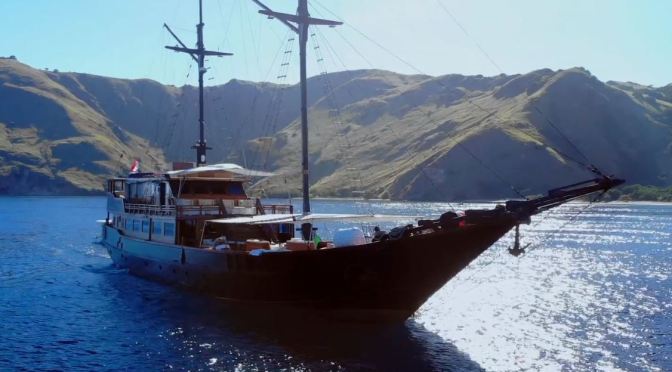
41 sec. to 1:05 sec. Samambaia Liveaboard and dolphins in Komodo and Alor.
1:05 sec. to 1:32 sec. Talent Freediver Leona Chen from China in Nusa Penida island, Bali.
1:32 sec. to 1:47 sec. Manta Ray from Manta Point dive site in Nusa Penida, Bali.
1:47 sec. to 2:16 sec. Talent Freediver Leona Chen at the Liberty Shipwreck Dive site in Tulamben, Bali.
2:16 sec. to 2:41sec. Fishermen from Alor Island
2:41 sec. till End Manta, Speed boat, Reef and Samata Luxury Liveaboard filmed in Komodo Island.
 Boomers Daily