
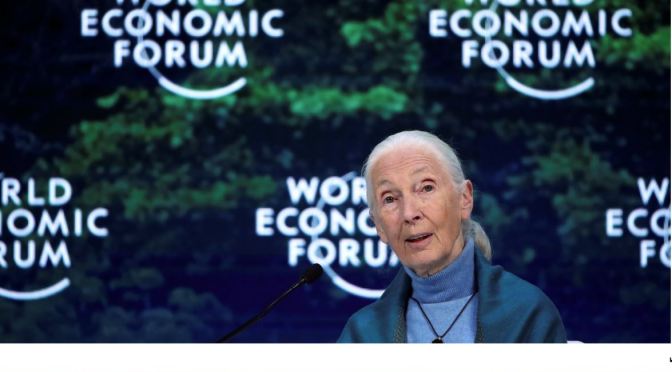
"I read Peter Singer’s book back in the 1970s. I didn’t know about factory farms. I was shocked. The next time I saw a piece of meat on my plate, I thought, Goodness, this symbolizes fear, pain, death. Who wants to eat fear, pain and death?" https://t.co/BVRZPxNzcP
— NYT Magazine (@NYTmag) July 12, 2021
Tag Archives: New York Times
Front Page Views: The New York Times (July 11, 2021)

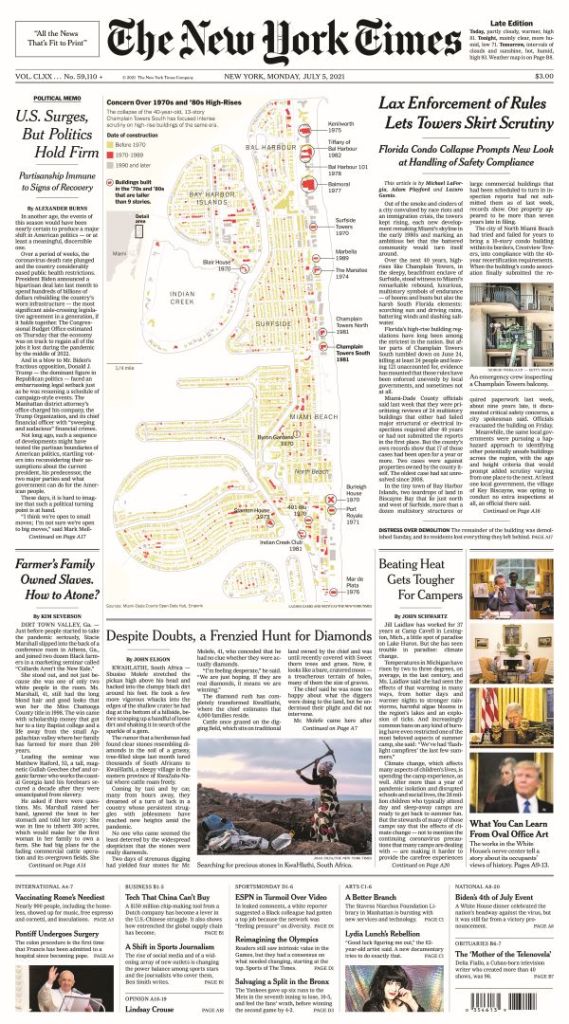
Front Page View: The New York Times (July 5, 2021)
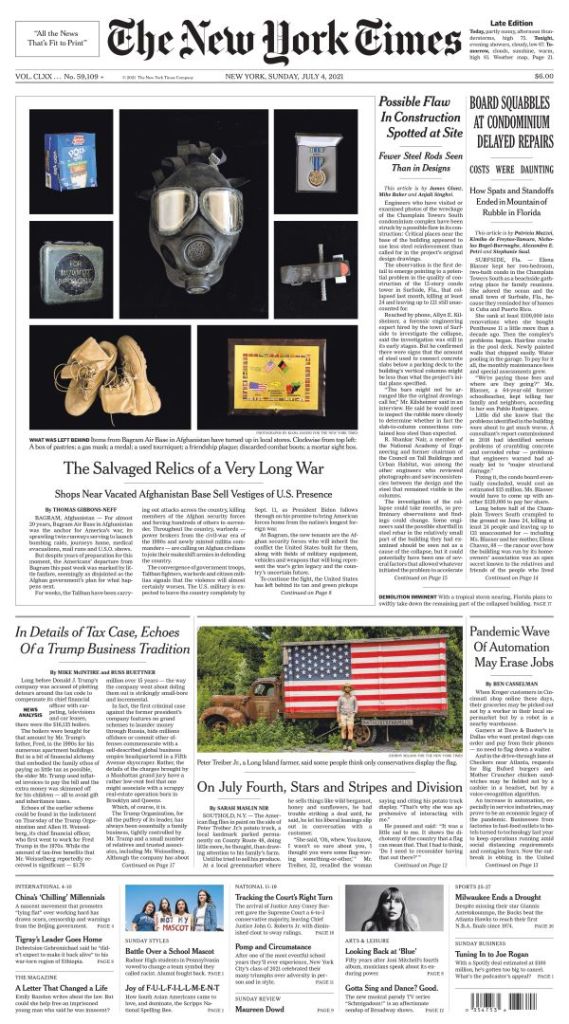
Front Page View: The New York Times (July 4, 2021)

Italian Islands: Capri & Procida Open To Tourists


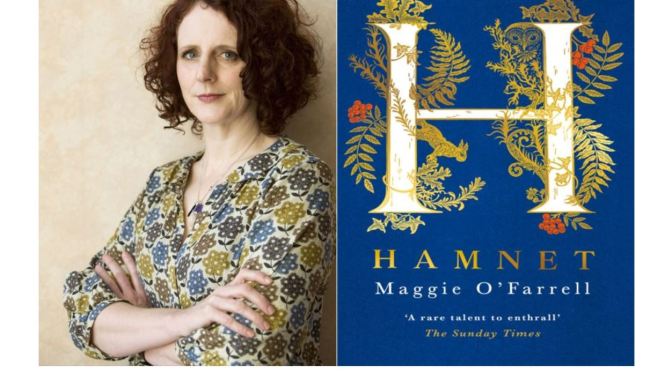
Shakespeare: ‘Hamnet’ Author Maggie O’Farrell
Maggie O’Farrell’s “Hamnet,” one of last year’s most widely acclaimed novels, imagines the life of William Shakespeare, his wife, Anne (or Agnes) Hathaway, and the couple’s son Hamnet, who died at 11 years old in 1596.
On this week’s podcast, O’Farrell says she always planned for the novel to have the ensemble cast it does, but that her deepest inspiration was to capture a sense of the young boy at its center.
“The engine behind the book for me was always the fact that I think Hamnet has been overlooked and underwritten by history,” she says. “I think he’s been consigned to a literary footnote. And I believe, quite strongly, that without him — without his tragically short life — we wouldn’t have the play ‘Hamlet.’ We probably wouldn’t have ‘Twelfth Night.’ As an audience, we are enormously in debt to him.”

Views: ‘Cycling In The English Countryside’
I live in a faded seaside town called St. Leonards-on-Sea, in Sussex, on the south coast of England. If you’ve not heard of it, you’re in good company. It’s not on anybody’s list of celebrated English beauty spots. Indeed, most of my riding is across flat coastal marsh or down-at-the-heel seafront promenades.



A year ago, as a travel photographer grounded by the pandemic, I started bringing a camera and tripod with me on my morning bicycle rides, shooting them as though they were magazine assignments.
It started out as just something to do — a challenge to try to see the familiar through fresh eyes. Soon it blossomed into a celebration of traveling at home.
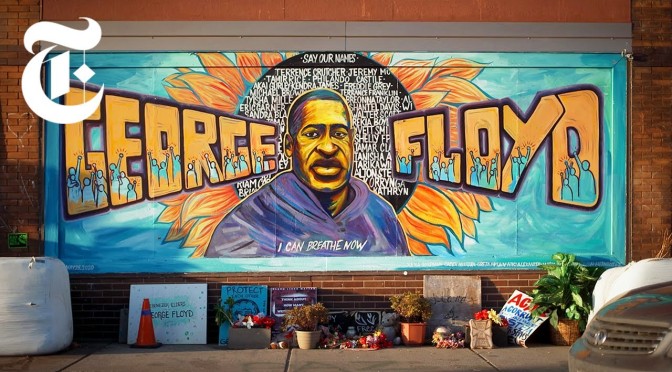
Inside View: ‘George Floyd Memorial’ Controversies
The trial over George Floyd’s death is under way in Minneapolis. What to do with his memorial site has become a controversy of its own.
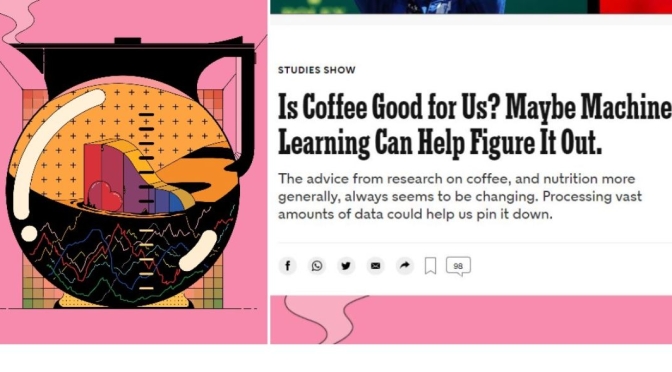
Studies: ‘Coffee’ – Machine Learning Review Shows Benefits Of Drinking It
“It may be good for you,” says Dariush Mozaffarian, dean of the Friedman School of Nutrition Science and Policy at Tufts University. “I think we can say with good certainty it’s not bad for you.” (Additives are another story.)
After the link appeared between coffee intake and a reduced risk of heart failure in the Framingham data, Kao confirmed the result by using the algorithm to correctly predict the relationship between coffee intake and heart failure in two other respected data sets. Kosorok describes the approach as “thoughtful” and says that it “seems like pretty good evidence.”

Should you drink coffee? If so, how much? These seem like questions that a society able to create vaccines for a new respiratory virus within a year should have no trouble answering. And yet the scientific literature on coffee illustrates a frustration that readers, not to mention plenty of researchers, have with nutrition studies: The conclusions are always changing, and they frequently contradict one another.

Interview: ‘GENIUS MAKERS’ Author Cade Metz On Artificial Intelligence From A Human Perspective
How Cade got access to the stories behind some of the biggest advancements in AI, and the dynamic playing out between leaders at companies like Google, Microsoft, and Facebook.
Cade Metz is a New York Times reporter covering artificial intelligence, driverless cars, robotics, virtual reality, and other emerging areas. Previously, he was a senior staff writer with Wired magazine and the U.S. editor of The Register, one of Britain’s leading science and technology news sites. His first book, “Genius Makers”, tells the stories of the pioneers behind AI.
Topics discussed: 0:00 Sneak peek, intro 3:25 Who is “Genius Makers” for and about? 7:18 *Spoiler alert!* Artificial General Intelligence (AGI) 11:01 How the story continues after the book ends 17:31 Overinflated claims in AGI 23:12 Deep Mind, OpenAI, and AGI 29:02 Outsider perspectives 34:35 Early adopters of ML 38:34 Who gets credit for what? 42:45 Dealing with bias 46:38 Aligning technology with nee
 Boomers Daily