
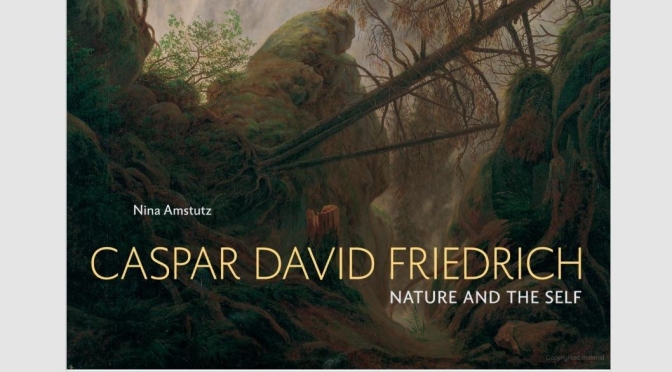
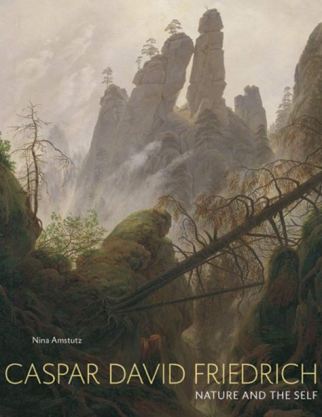
 In this revelatory book, Nina Amstutz combines fresh visual analysis with broad interdisciplinary research to investigate the intersection of landscape painting, self-exploration, and the life sciences in Friedrich’s mature work. Drawing connections between the artist’s anthropomorphic landscape forms and contemporary discussions of biology, anatomy, morphology, death, and decomposition, Amstutz brings Friedrich’s work into the larger discourse surrounding art, nature, and life in the 19th century.
Best known for his atmospheric landscapes featuring contemplative figures silhouetted against night skies and morning mists, Caspar David Friedrich (1774–1840) came of age alongside a German Romantic philosophical movement that saw nature as an organic and interconnected whole. The naturalists in his circle believed that observations about the animal, vegetable, and mineral kingdoms could lead to conclusions about human life. Many of Friedrich’s often-overlooked later paintings reflect his engagement with these philosophical ideas through a focus on isolated shrubs, trees, and rocks. Others revisit earlier compositions or iconographic motifs but subtly metamorphose the previously distinct human figures into the natural landscape.
Nina Amstutz is assistant professor in the history of art and architecture at the University of Oregon.
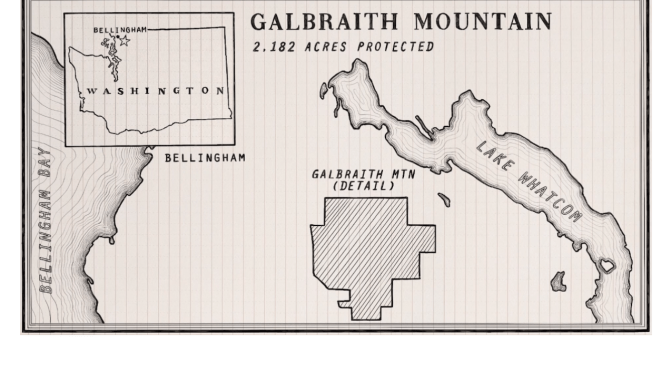
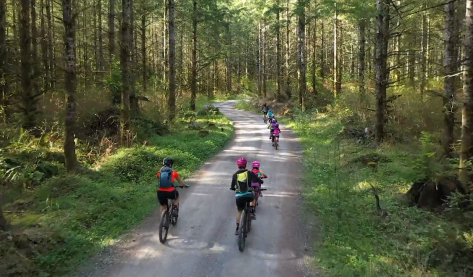


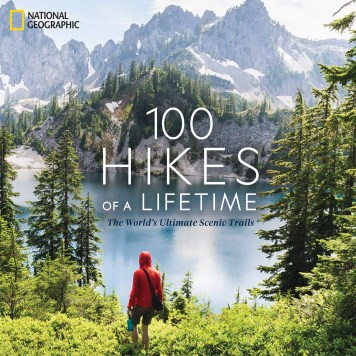 Crossing all continents and climates (from the jungles of Costa Rica to the ice fields in Alaska’s Kenai Fjords National Parks), as well as experiences (a wine route through Switzerland or moose spotting on the Teton Crest Trail in Wyoming,) there is a trail for everyone in these pages. So pack your gear and lace your boots: this comprehensive and innovative guide will lead you to experience the best hikes of your life!
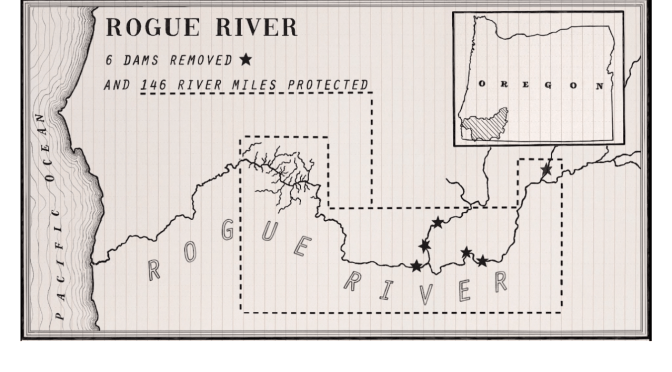
 On October 2, 2018 – the 50th anniversary of the

 In this episode of the podcast, Nature reporter Davide Castelvecchi joins us to talk about the big science events to look out for in 2020. We’ll hear about multiple missions to Mars, a prototype electric car, efforts to prevent dengue, and more.


 Boomers Daily