Tag Archives: Nature

Top New Science Podcasts: Pluto’s Dark Side Yields Dwarf Planet’s Secrets

Nature PodcastsIn 2015, after a nine-and-a-half-year journey, NASA’s New Horizons spacecraft raced past Pluto, beaming images of the dwarf planet back to Earth.
Five years after the mission, researchers are poring over images of Pluto’s far-side, which was shrouded in shadow during New Horizon’s flypast. They hope that these images will help give a better understanding of how Pluto was born and even whether a hidden ocean resides beneath the world’s icy crust.

This is an audio version of our feature: Pluto’s dark side spills its secrets — including hints of a hidden ocean

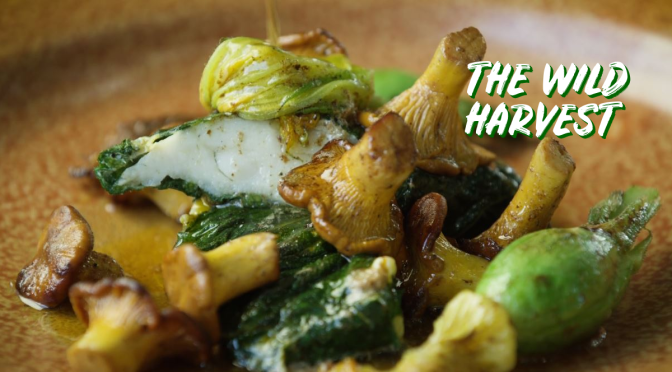
Food & Nature: “The Wild Harvest – Mid Summer” With Chef Alan Bergo


Filmed and Directed by: Jesse Roesler

Produced by: Credo Nonfiction
Featuring: Alan Bergo, Forager Chef

Edited by: Sam Kaiser

From James Beard Award-winning filmmaker Jesse Roesler and renowned Forager Chef Alan Bergo, The Wild Harvest is a new foraging & cooking series that celebrates the beauty and bounty of nature and explores what’s culinarily possible with easily foraged wild foods. This series is being created safely during quarantine using social distancing measures.

Episode 3 features the bounty of mid summer in the northern hemisphere including a wild greens salad, walleye wrapped in squash leaves with chanterelles and a blueberry desert that captures the spirit of the pine barrens. Featured foraged ingredients include Lamb’s Quarters, Chickweed, Purslane, Bee Balm, Chanterelles, Wild Blueberries, Sweet Fern, Hazelnuts.

We hope to release a new episode every 3-4 weeks for free, but are currently seeking sponsors.

Website

Top New Science Podcasts: How The Skin Stretches, Covid-19 Conferences And Pain Resistance Traits

Nature PodcastThis week’s Nature podcast looks at how skin’s unusual response to stretching is finally explained, a coronavirus update and the latest in a huge effort to map DNA. 
In this episode:

01:06 Stretching skin

For decades it’s been known that stretching skin causes more skin to grow, but the reasons why have been a mystery. Now, researchers have uncovered a mechanism to explain the phenomenon. Research Article: Aragona et al.News and Views: Stretch exercises for stem cells expand the skin

07:49 Coronapod

We discuss how the coronavirus pandemic has affected scientific meetings and how the learned societies that organise them are adapting. How scientific conferences will survive the coronavirus shockHow scientific societies are weathering the pandemic’s financial storm;

A year without conferences? How the coronavirus pandemic could change research

18:18 Research Highlights

A genetic trait for pain-resistance, and the accessibility-aware ancient Greeks. Research Highlight: A gene helps women in labour to skip the painkillersResearch Highlight: This temple was equipped with accessibility ramps more than 2,000 years ago

20:42 ENCODE updates

The ENCODE project aims to identify all the regions in the human genome involved in gene regulation. This week, data from its third iteration has been published and we examine the highlights. Research Article: SnyderNews and Views: Expanded ENCODE delivers invaluable genomic encyclopaedia

28:50 Briefing Chat

We take a look at some highlights from the Nature Briefing. This time we look at how smallpox may be much older than previously thought, and how the Earth’s atmosphere rings like a bell. Nature News: Smallpox and other viruses plagued humans much earlier than suspectedPhysics World:

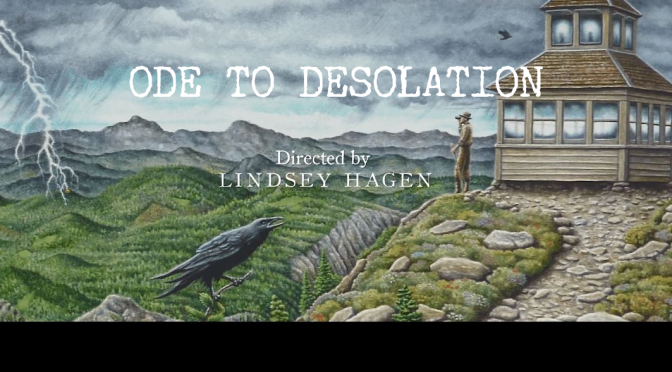
Nature & Technology: “Ode To Desolation” On Fire Lookouts In North America By Lindsey Hagen

Directed by: Lindsey Hagen

Filmed and Edited by: Chris Naum
Original Score and Mix by: Brandon Hagen
Original Artwork by: Jim Henterly

“Ode to Desolation” shares the story of Jim Henterly, a naturalist, illustrator and fire lookout as he contemplates the dwindling days of Fire Lookouts in North America.

With the influence of technology and AI threatening to make his role obsolete, we look into the future and ask ourselves what connections we will maintain to keep our human interpretation of the natural world alive.

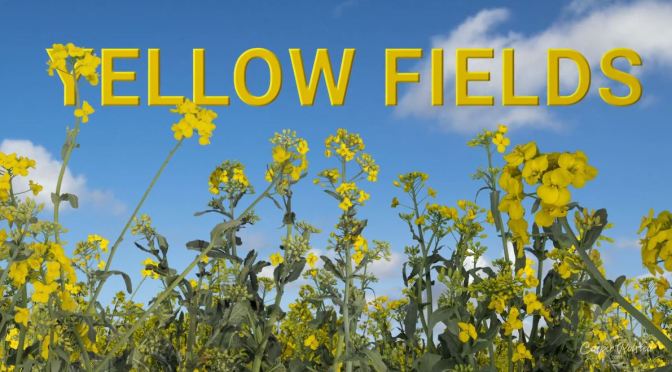
Timelapse Travel Videos: Denmark’s “Yellow Fields” By Casper Rolsted (2020)

Filmed and Edited by: Casper Rolsted

Every spring bright yellow fields occur for a few weeks all over the world. These beautiful carpets of yellow are the Rapeseed crop blooming. Many may be familiar with this crop under its other name of Canola.

The crop grows to 100 cm (39 in) in height and the flowers are about 17 mm (0.67 in) across.

Crops from the genus Brassica, including Rapeseed, were among the earliest plants to be widely cultivated by mankind as early as 10,000 years ago.

Today Rapeseed is used for production of animal feed, edible vegetable oils, and biodiesel.

Website

Top New Science Podcasts: First Humans In Americas, Covid-19 And Green Frogs

Nature PodcastWhen did people arrive in the Americas? New evidence stokes debate. New evidence may push back the date on human arrival to the Americas, and an examination of science’s flaws.

In this episode:

00:59 Ancient Americans

Two papers suggest that humans were present in the Americas thousands of years before many people have thought. We examine the evidence. Research Article: Ardelean et al.Research Article: Becerra-Valdivia and HighamNews and Views: Evidence grows that peopling of the Americas began more than 20,000 years ago

10:44 Coronapod

We discuss the latest results from vaccine trials around the world, and controversy in the US as COVID-19 data collection moves out of the CDC. News: Coronavirus vaccines leap through safety trials — but which will work is anybody’s guess

24:38 Research Highlights

How being green makes things easy for some frogs, and how waves will be affected by climate change. Research Highlight: How frogs became green — again, and again, and againResearch Highlight: Extreme Arctic waves set to hit new heights

27:11 How can science improve?

A new book highlights some of the flaws of how science is done. We caught up with the author to find out his thoughts on how science can be cleaned up. Books and Arts: Fraud, bias, negligence and hype in the lab — a rogues’ gallery

35:54 Briefing Chat

We take a look at some highlights from the Nature Briefing. This time we discuss a puzzling new insight into the expansion of the Universe, and an update to Plan S that will allow open-access research to be published in any journal. Nature News: Mystery over Universe’s expansion deepens with fresh dataNature News: Open-access Plan S to allow publishing in any journal

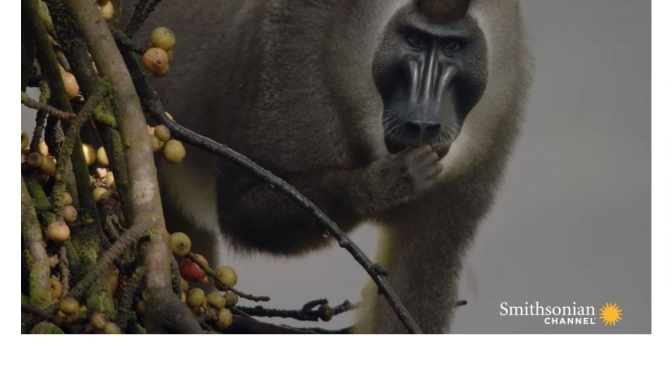
New Wildlife Videos: “The Drill – Among Rarest Primates In The World”

Roughly 20 miles off the coast of West Africa, the island of Bioko sits alone in the Atlantic Ocean. This rainforest-dominated terrain is home to one of the rarest primates in the world: the drill.
From the Show: Monkeys of Bioko https://bitly.com/2DlbNX9

Top New Science Podcasts: Exploring Graphene’s Superconductivity, Covid-19 In The Air & Lungs

Nature PodcastProbing the superconducting properties of graphene and a bacteria that can use manganese to grow. If you sandwich two sheets of graphene together and twist one in just the right way, it can gain some superconducting properties. Now, physicists have added another material to this sandwich which stabilises that superconductivity, a result that may complicate physicists’ understanding of magic angles. 

08:22 Coronapod

With evidence mounting that SARS-CoV2 can spread in tiny aerosolized droplets, researchers have called on the WHO to change their guidance for disease prevention. News: Mounting evidence suggests coronavirus is airborne — but health advice has not caught up; Research article: Morwaska et al.; WHO: Transmission of SARS-CoV-2: implications for infection prevention precautions

19:27 Research Highlights

Repairing human lungs by hooking them up to pigs, and a new form of carbon. Research Highlight: How to use a live pig to revitalize a human lungResearch Highlight: This material is almost as hard as diamond — but as light as graphite

21:46 Manganese munchers

For decades it’s been thought that microbes that use manganese as an energy source must exist. Now, for the first time, researchers have found evidence that they do. Research Article: Yu and Leadbetter

29:12 Briefing Chat

We take a look at some highlights from the Nature Briefing. This time we discuss DNA evidence of contact between ancient Native Americans and Polynesians, reintroduction of bison to the UK, and the first extinction of a modern marine fish. Nature News: Ancient voyage carried Native Americans’ DNA to remote Pacific islandsThe Guardian: Wild bison to return to UK for first time in 6,000 yearsScientific American: 

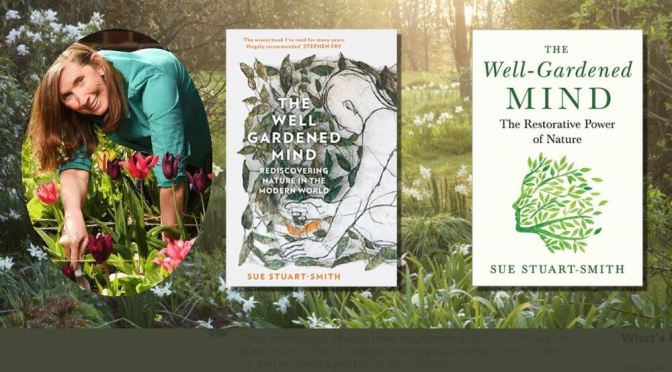
Health & Nature Books: “The Well-Gardened Mind” By Sue Stuart-Smith (2020)

 ‘The Well-Gardened Mind’ provides a new perspective on the power of gardening to change people’s lives. Here, Sue Stuart-Smith investigates the many ways in which mind and garden can interact and explores how the process of tending a plot can be a way of sustaining an innermost self.

A distinguished psychiatrist and avid gardener offers an inspiring and consoling work about the healing effects of gardening and its ability to decrease stress and foster mental well-being in our everyday lives.

The garden is often seen as a refuge, a place to forget worldly cares, removed from the “real” life that lies outside. But when we get our hands in the earth we connect with the cycle of life in nature through which destruction and decay are followed by regrowth and renewal. Gardening is one of the quintessential nurturing activities and yet we understand so little about it.

Stuart-Smith’s own love of gardening developed as she studied to become a psychoanalytic psychotherapist. From her grandfather’s return from World War I to Freud’s obsession with flowers to case histories with her own patients to progressive gardening programs in such places as Rikers Island prison in New York City, Stuart-Smith weaves thoughtful yet powerful examples to argue that gardening is much more important to our cognition than we think. Recent research is showing how green nature has direct antidepressant effects on humans. Essential and pragmatic, The Well-Gardened Mind is a book for gardeners and the perfect read for people seeking healthier mental lives.

Read more or purchase

Health Podcasts: Massive Coronavirus Outbreak At San Quentin Prison

Nature PodcastNature discusses the massive coronavirus outbreak that struck the iconic Californian prison after it rejected expert aid.

In this episode:

01:47 Disaster in San Quentin

San Quentin prison is facing a massive outbreak, we dig into how they got there. The crisis has arisen despite warnings from experts, and offers of free tests, which were declined. We ask why? And what can be done now?

News: California’s San Quentin prison declined free coronavirus tests and urgent advice — now it has a massive outbreak

29:51 One good thing

For the last episode of Coronapod, our hosts pick out ways that the pandemic has changed them for the better, including professional flexibility, a renewed focus on the power of reporting and time with family

36:07 Lockdown and children’s health

Reporter Stewart asks if lockdowns could have any lasting impact on her young children – what evidence is there on the effect of isolation on young minds?

Survey: Co-Space Study: Supporting Parents, Adolescents and Children during Epidemics