
Tag Archives: Nature
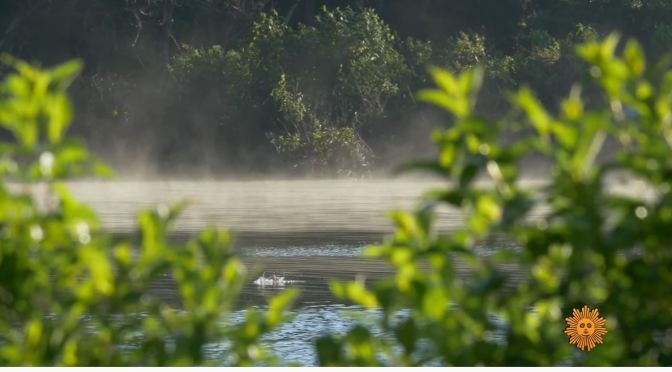
Nature Views: Lake O’ The Pines In East Texas (CBS)
“Sunday Morning” takes us to Lake O’ The Pines in east Texas at sunrise. Videographer: Scot Miller.
Lake O’ the Pines is a reservoir on Big Cypress Bayou, also known as Big Cypress Creek, chiefly in Marion County, Texas, USA. The reservoir also occupies a small part of Upshur and Morris Counties. The dam is located approximately 8.5 miles west of Jefferson.

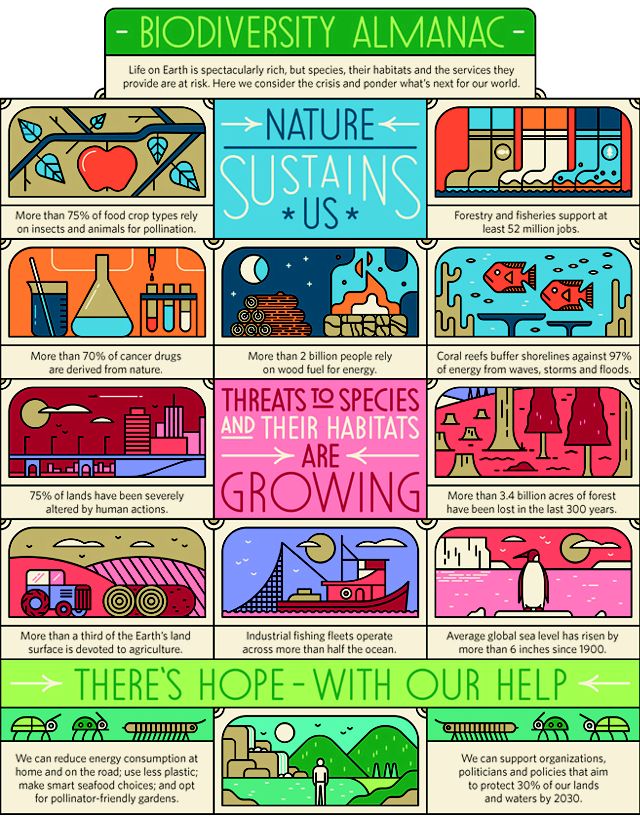
Nature: Report Finds 30% Of Species Face Extinction
Nearly 30 percent of the 138,374 species assessed by the International Union for the Conservation of Nature (IUCN) for its survival watchlist are now at risk of vanishing in the wild forever, as the destructive impact of human activity on the natural world deepens.
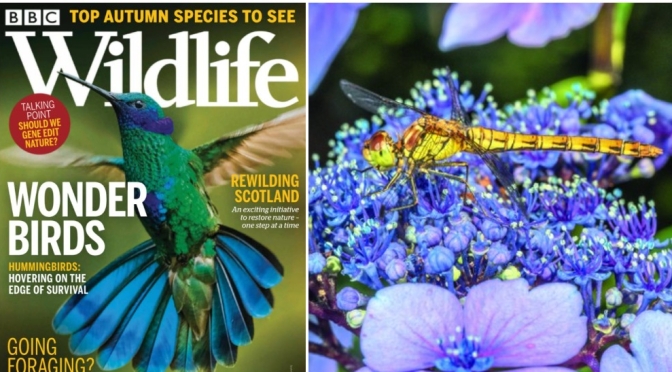
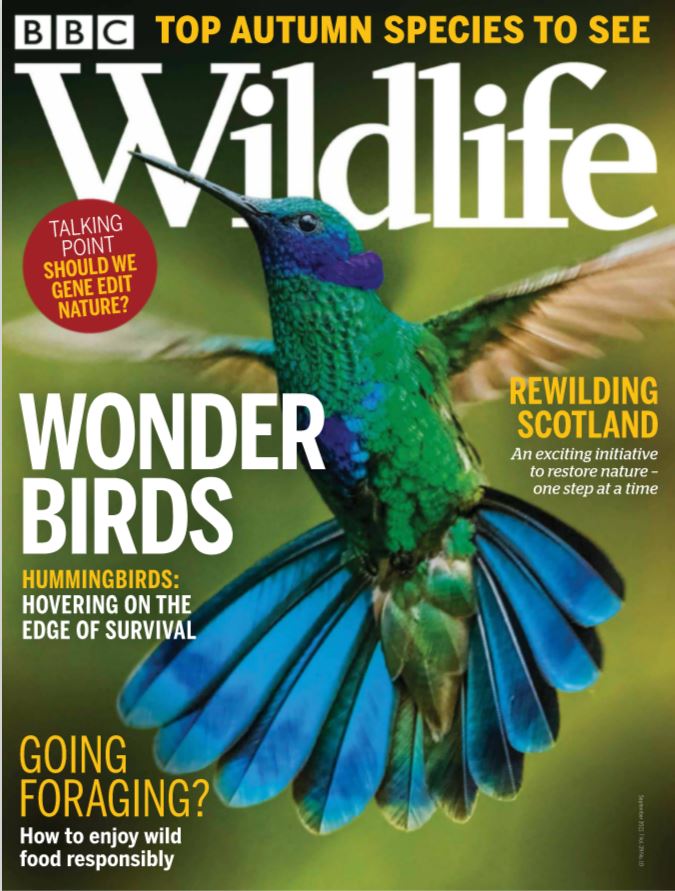
Cover Views: BBC Wildlife Magazine – September 2021
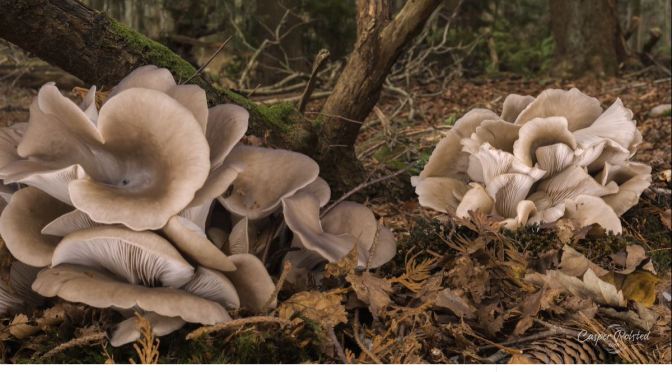
Timelapse Views: ‘Oyster Mushrooms’ In Denmark
Filmed and Edited by: Casper Rolsted
Immerse yourself in the exciting world of mushrooms. Shot in the most beautiful forests in Denmark. See and listen to this timelapse film in a quiet place where you will not be disturbed. Headphones are highly recommended.
Only in silence can we hear the song of nature.
FUNGI
Fungi are living organisms that are made up of larger cells with a cell nucleus which contains all the genetic material. Fungi are thus what we call eukaryotic organisms, which is one of the three domains of biology: animals (Animalia), plants (Plantae) and fungi (Fungi). The rest of the eukaryotic organisms, which do not fit into these three kingdoms, are called protists.
Fungi is a kingdom with about 144,000 known and described species of organisms. But it is estimated that there may be between 2.2 million and 3.8 million total species. They can be single celled or very complex multicellular organisms. The fungi kingdom includes yeasts, rusts, smuts, mildews, molds, and mushrooms. Fungi are among the most widely distributed organisms on Earth and they are of very big environmental and medical importance.
MUSHROOMS
Mushrooms are the fruiting bodies that some fungi produce – typically above ground on the soil or on decaying wood or other food sources. Mushroom varies in size, shape, color, and longevity. Some mushrooms are microscopic and completely invisible to the unaided eye while others are gigantic structures.
The fine threads under-ground that makes up the main body of the fungi is called mycelium. The mycelium stretches out beneath the mushroom in search of water and food.
Unlike a plant, a fungus can’t make its own food by using energy from the sun. Instead, the fungus produces enzymes which are released by the mycelium and break down dead plants and animals. This organic matter is then absorbed through the mycelium and used by the fungus for growth.
The mushrooms, because of their size, are easily seen in fields and forests and consequently were the only fungi known before the invention of the microscope.
OYSTER MUSHROOMS
Oyster mushrooms is the common name for the species Pleurotus ostreatus. The funghi normally grow naturally on and near trees in temperate and subtropic forests. They are found around the world including in the UK and Ireland, most of mainland Europe, Asia, and parts of North America. Unlike many fungi, these mushrooms are not seasonal and can be found all year round.
Oyster mushrooms are one of the most widely consumed mushrooms in the world and are grown commercially in many countries. They aren’t just tasty; they can be really healthy to eat. They contain antioxidants and are high in several vitamins and minerals. They even have the potential to lower cholesterol levels, slow the spread of cancer and decrease inflammation in the body.
Oyster mushrooms get their name from their oyster or shell shaped cap that grow in tiers or clusters. They have a very short or non-existent stem. The color is typically light grey or greyish-brown. Oyster mushrooms are medium to large in size with caps averaging from 5 to 25 centimeters in diameter.
Oyster mushrooms use powerful enzymes to break down and eat hardwood. Oyster mushrooms are one of the few carnivorous mushrooms. The mycelia of oyster mushrooms secrete a powerful toxin to stuns passing microscopic nematode, which are small roundworms. The fungi use their sprawling fibers to seek out and enter the mouths of these microscopic nematodes and suck out their guts. This gives the fungi nitrogen for growth.
FOLLOW MY WORK
YouTube.com/CasperRolsted?sub_confirmation=1
Instagram.com/CasperRolsted
Facebook.com/CasperRolsted
Photographer, Editor and Sound Designer: Casper Rolsted
Terralapse.com
Timelapsefilm.dk
Naturalsilence.org
CasperRolsted.com
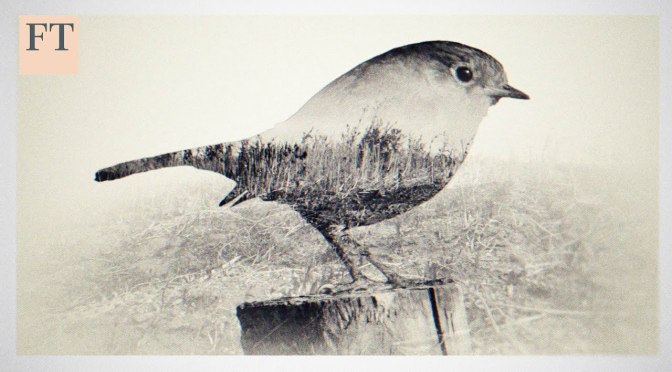
Poetry: ‘To John’ Keats By Inua Ellams (Video)
FT Weekend Festival 2021 commissioned Inua Ellams to write a response to Keats’s classic work ‘To Autumn’ marking his 200th anniversary. The animated poem ‘To John’ exposes the impact of humans on nature over those 200 years.
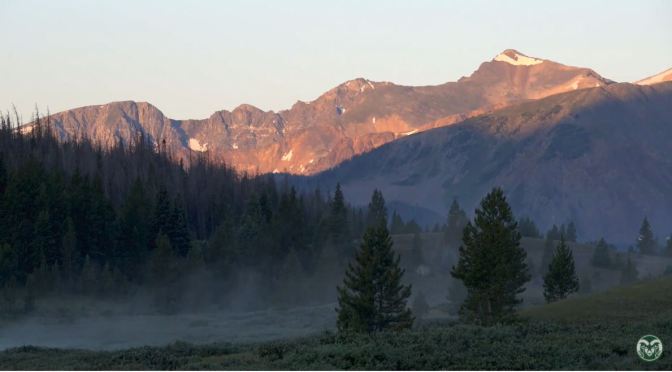
Views: 145th Anniversary Of The State Of Colorado
Colorado Day is celebrated on Aug. 1 each year to commemorate President Ulysses S. Grant’s signing of a proclamation admitting Colorado as a state and this year’s event marks the Centennial State’s 145th “birthday.”
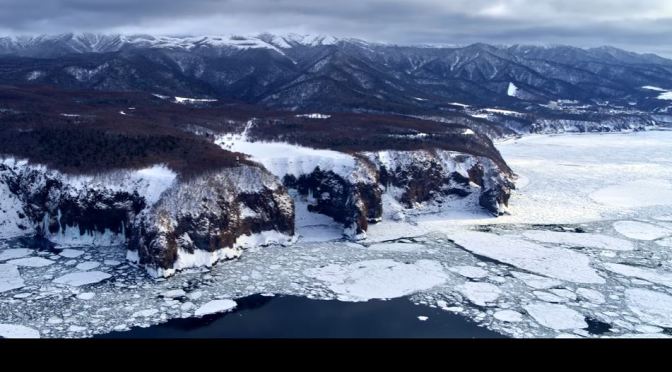
Aerial Views: Japan In 8K
Japan is an island country in East Asia, located in the northwest Pacific Ocean. It is bordered on the west by the Sea of Japan, and extends from the Sea of Okhotsk in the north toward the East China Sea and Taiwan in the south.
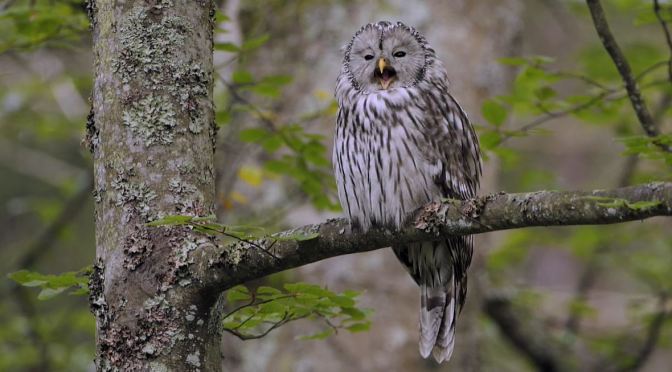
Nature & Wildlife Films: ‘Wild Slovenia’ (Trailer)
“Wild Slovenia ” A film by Matej Vranič. World Premiere at the 2021 WCFF.
SYNOPSIS:
The documentary WILD SLOVENIA visually presents the very diverse fauna and flora of Slovenia, focusing on mammals and birds, and shows some particularly interesting species of amphibians, fish, insects and plants.
In the film, we venture among the highest Alpine peaks and into the remote Dinaric forests; we travel across the Pannonian plains, descend into the underground caves of the Karst world and dive into the Adriatic Sea. The film offers the insight into the secret life of some animal species that live in close proximity to humans, often even in an urban environment, but never quite come to our sight. We witness individual interactions between humans and animals. Throughout the 83-minute film, stunning details from the animal world emerge, combined into compelling and unobtrusively instructive stories shown through interesting footage. More than 50 animal species are presented; monitored over a period of one year and presented in different roles, as dictated by their life cycle – hunting and eating, courting, fighting, mating, and caring for the offspring. With the more common species, that we see frequently, the film introduces some lesser-known features.
The film, which takes place over a period of one year, also takes the viewer through typical Slovenian landscapes and briefly introduces their main characteristics. The plot crosses between the provinces and occasionally returns to the same area in order to show what is happening in the animal world in the second part of the year. A very rich ecosystem diversity, rarely seen recordings, and scientifically verified information weaved into the intelligible text are key attributes of this film.
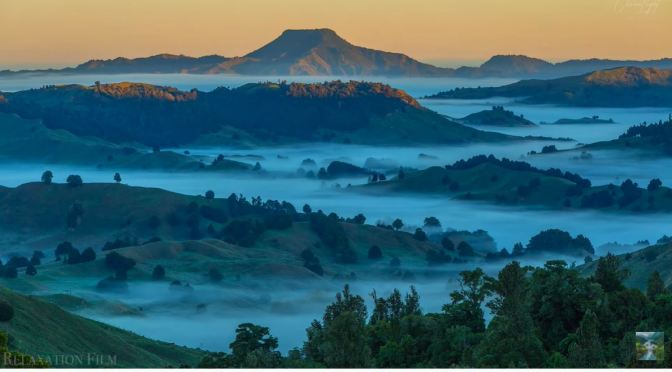
Views: The Landscapes Of New Zealand (4K Video)
New Zealand is an island country in the southwestern Pacific Ocean. It consists of two main landmasses—the North Island and the South Island —and more than 700 smaller islands, covering a total area of 268,021 square kilometres.
 Boomers Daily