
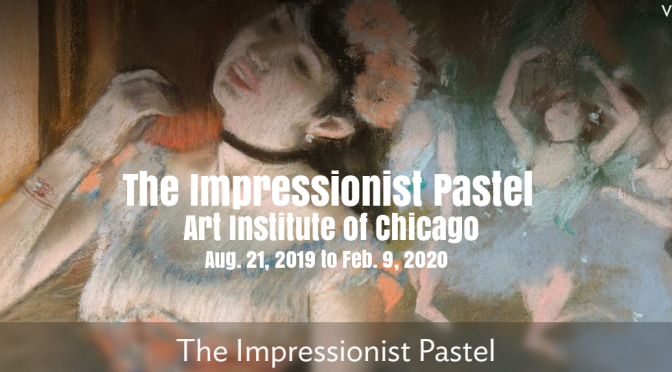
From Art Institute of Chicago online release:
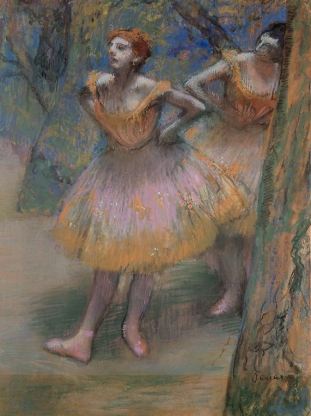 This focused installation features pastels by four artists whose work was shown in the Impressionist exhibitions: Mary Cassatt, Edgar Degas, Eva Gonzalès, and Berthe Morisot. Their subjects range from scenes of modern life, such as ballet performers and a woman working in a hat shop, to depictions of intimate moments of bathing and women with children.
Although Impressionism is most closely associated with oil painting, during the late 19th century, Impressionist artists increasingly began to exhibit and market their prints and drawings as finished works of art. In fact, prints and drawings made up nearly half of the works in the eight Impressionist exhibitions held in Paris between 1874 and 1886. Pastels in particular became increasingly sought-after by collectors.
 Pastel, a medium used to draw on paper or, less often, on canvas, is made by combining dry pigment with a sticky binder. Once artists have applied the pastel to the surface, they can either blend it, leave their markings visible, or layer different colors to create texture and tone. Pastel portraits had previously gained popularity in France and England in the 18th century, but fell out of fashion with critics when pastel was deemed too feminine; not only was it used by women artists, but it had a powdery consistency similar to women’s makeup. The Impressionists rejected this bias and instead embraced the medium’s ability to impart immediacy, boldness, and radiance.
Website: https://www.artic.edu/exhibitions/9400/the-impressionist-pastel
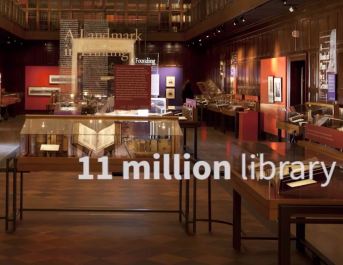 The Huntington’s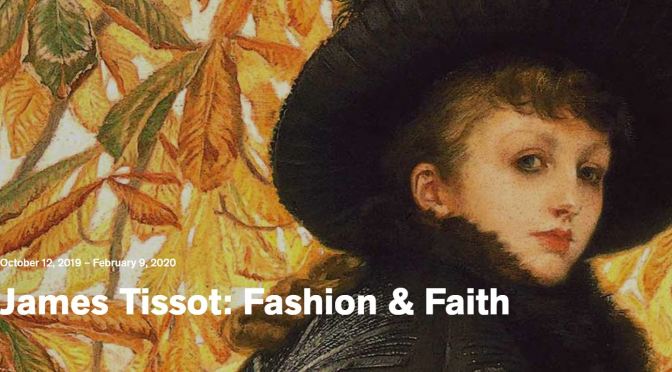
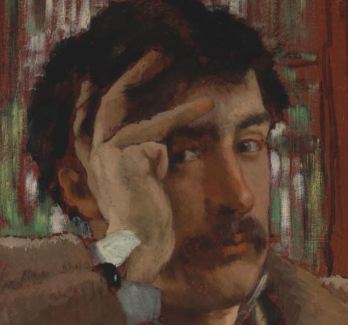 Tissot consistently defied convention in both his professional and personal life. His contributions to the academy and the avant-garde are documented by participation at diverse venues such as the Paris Salon as well as London’s Royal Academy and the Grosvenor and Dudley Galleries. This exhibition explores his multifaceted career with a fresh perspective and original scholarship and will also question where and how Tissot should be situated in narratives of the nineteenth-century canon.
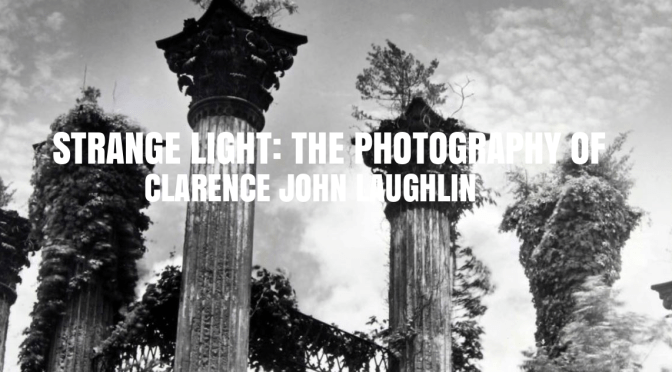
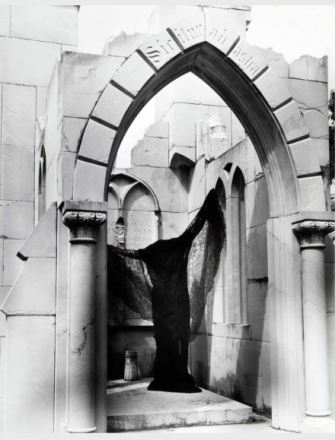 Dubbed “The Father of American Surrealism,” Clarence John Laughlin (American, 1905-1985) was the most important Southern photographer of his time and a singular figure within the burgeoning American school of photography. Known primarily for his atmospheric depictions of decaying antebellum architecture that proliferated his hometown of New Orleans, Laughlin approached photography with a romantic, experimental eye that diverged heavily from his peers who championed realism and social documentary.
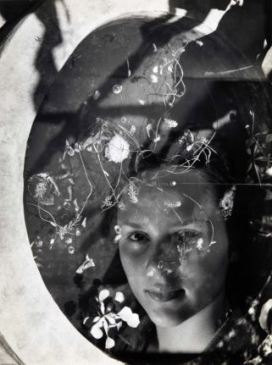 The exhibition surveys Laughlin’s signature bodies of work made between 1935 and 1965, emphasizing his inventiveness, artistic influences, and deep connection to the written word. The High began collecting Laughlin’s work in 1974 and Strange Light: The Photography of Clarence John Laughlin is the first major presentation of Laughlin’s photographs by the High Museum following a landmark acquisition of his work in 2015.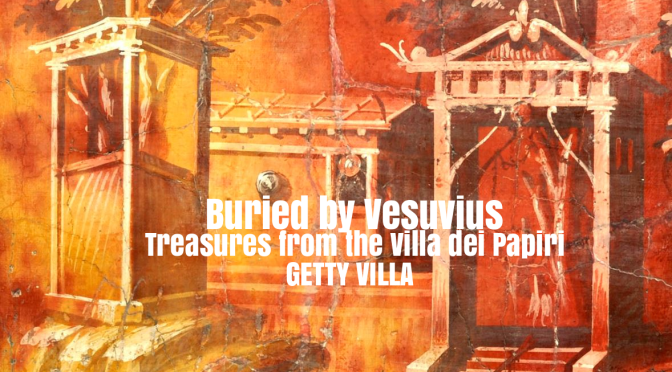
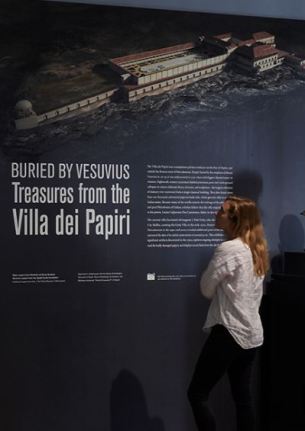 …the Getty Villa, despite some anomalies and insertions, is considered a strong likeness, which makes it a powerful locale for “Buried by Vesuvius: Treasures From the Villa dei Papiri,” the first major exhibition of works discovered in the Roman residence. The show includes Weber’s 1758 architectural map—used to build the Getty Villa—along with some of the approximately 90 sculptures pulled from the site, showing athletes, philosophers, rulers, poets and mythological figures. The exhibition also displays findings from the recent excavations.
 ‘It is the dream of every museum to bring its art as close as possible to the public and to share its passion and knowledge with the world,’ explains Isabelle Vanhoonacker, Managing Director of Public Services at RMFAB. ‘Thanks to The Frame by Samsung, this dream is now coming true.’
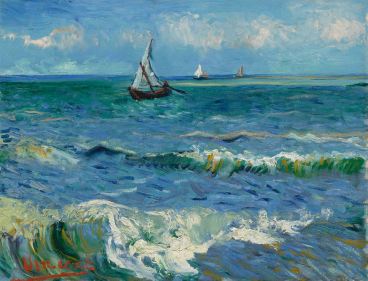 available on the Samsung Art Store for The Frame. Decorate your living room with the most famous masters from the largest Belgian art collection by making their iconic creations appear on The Frame. This discrete Samsung lifestyle TV can transform into your favourite work of art when switched off, seamlessly integrating into your living room.
 More than 1,600 museums nationwide will be opening their doors for free on Sept. 21 in honor of Museum Day.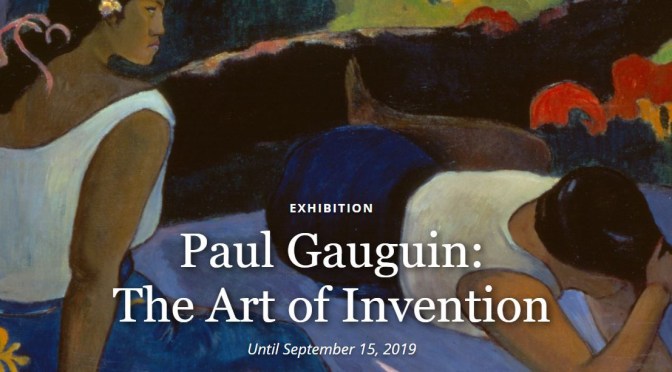
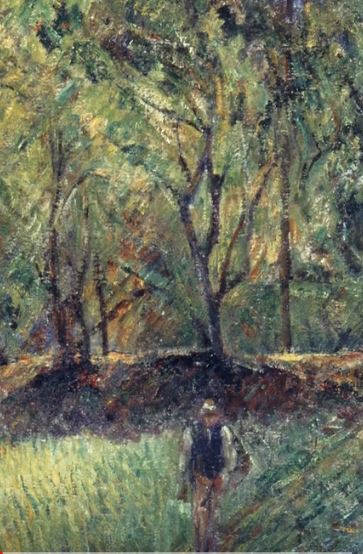 Comprising 55 Gauguin masterworks on loan from Copenhagen’s Ny Carlsberg Glyptotek, as well as some 35 objects from the collection of the Saint Louis Art Museum, “Paul Gauguin: The Art of Invention,” now on view in St Louis, offers a superb overview and deep insight into the life, thought and art of this quasi-mythological being whose shadow looms large not only over artistic Modernism but over the very romantic notion of the artist who sacrifices everything for art.
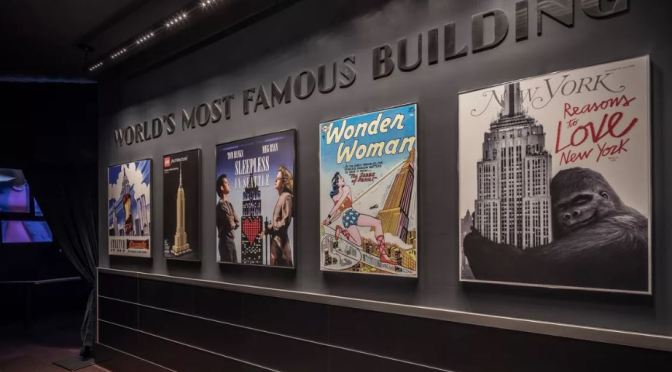
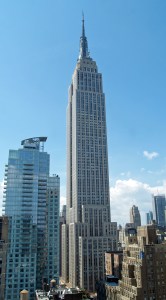 The Empire State Building, New York City’s most iconic skyscraper, has been reimagining its observatory experience for some time now. As part of a two-phase project, a new observatory entrance at 20 West 34th Street debuted last August, and now, a new set of immersive exhibits are open to the public.
 Boomers Daily