
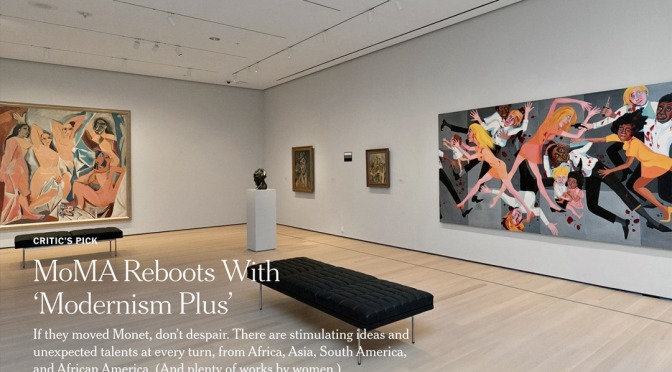
From a New York Curbed.com online article:
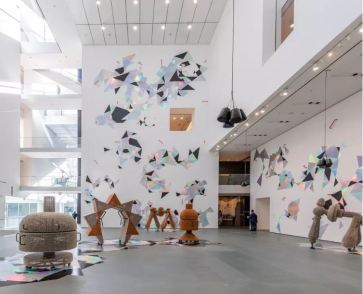 There’s also a special focus on architecture and design in this new approach to the collection: Several galleries are devoted to various aspects of those fields, including “The Vertical City,” an examination of skyscraper construction that includes photos by Berenice Abbott, Hugh Ferriss’s architectural drawings, and other ephemera. Elsewhere, building models of the Guggenheim and a spec design of MoMA by modernist master William Lescaze emphasize the importance of architecture to museums, and vice versa.
…the museum is about to reveal its most ambitious revamp yet: On October 21, MoMA will open its expanded headquarters, which now takes up most of the block on 53rd Street between Fifth and Sixth avenues. The museum has pushed westward, opening more than 40,000 square feet of fresh galleries in both a ground-up building (which rose from the ashes of the Tod Williams Billie Tsien Architects-designed American Folk Art Museum) and the base of Jean Nouvel’s supertall skyscraper next door.
The galleries aren’t all that’s been added, though: The museum has also opened a new, expansive lobby—which has two galleries that can be visited free of charge—as well as a spacious gift shop that has been relocated below street level. A wall of windows gives passersby a glimpse into the space, and is intended as a gesture of “increased transparency,” according to the museum.
To read more: https://ny.curbed.com/2019/10/11/20908427/museum-of-modern-art-expansion-open-photos
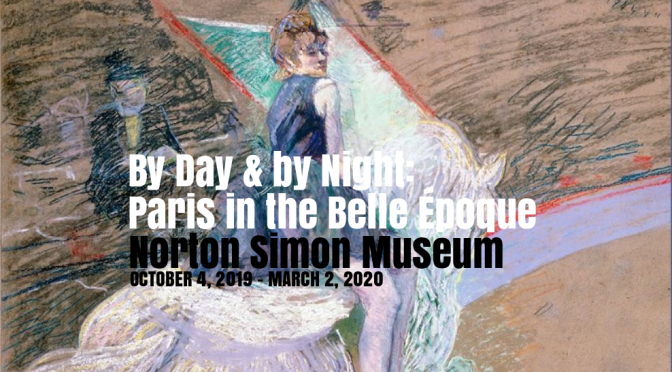
 By Day & by Night: Paris in the Belle Époque surveys the rich range of artistic responses to life in the French capital through a selection of paintings, drawings, prints and photographs from the Museum’s collections. Together these works of art demonstrate that visual artists participated in the inventive spirit of the age by interpreting the everyday as something extraordinary.
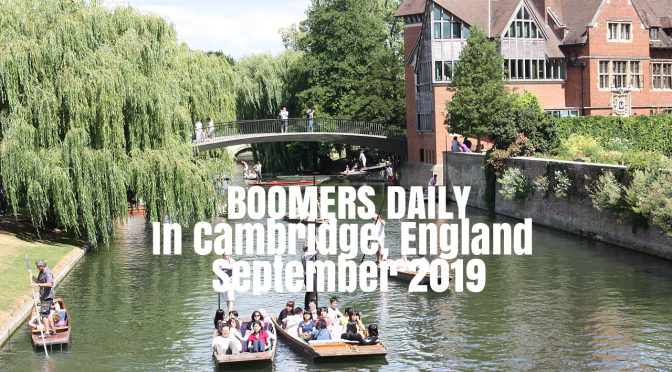

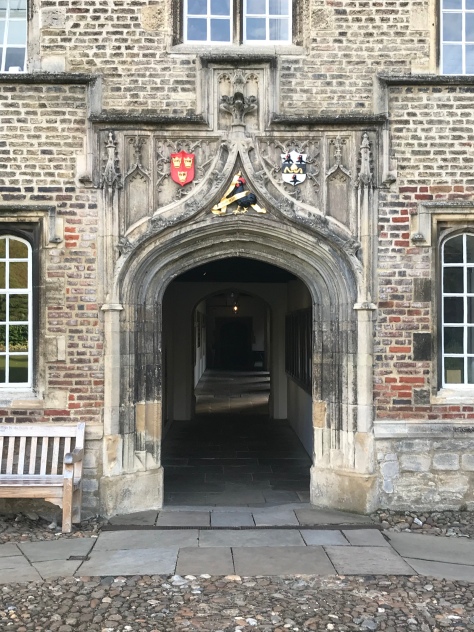
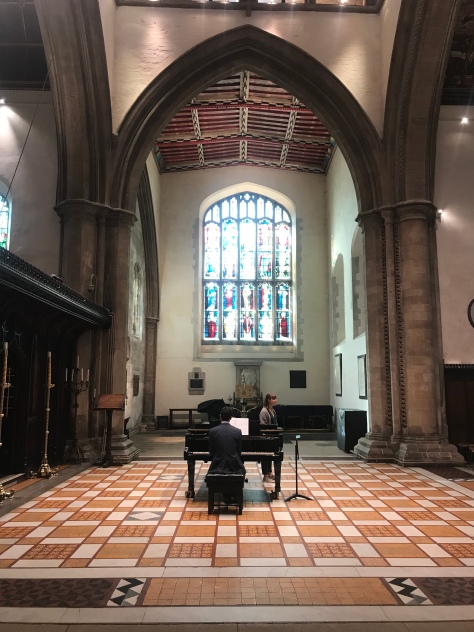


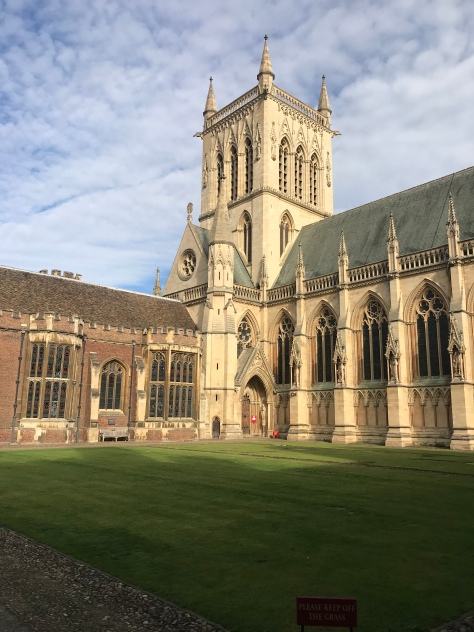


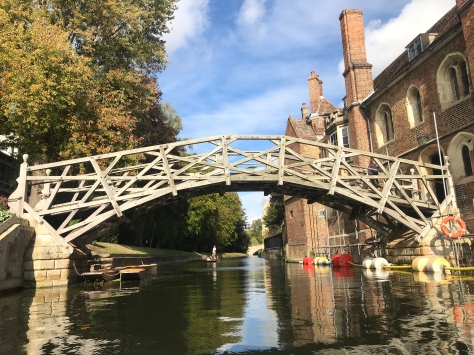
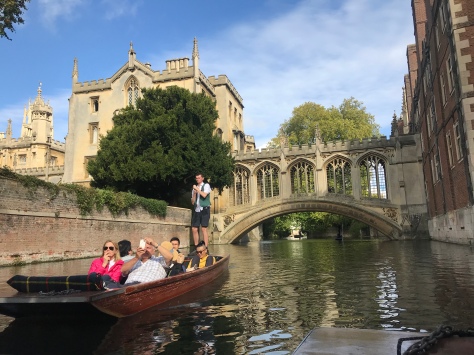


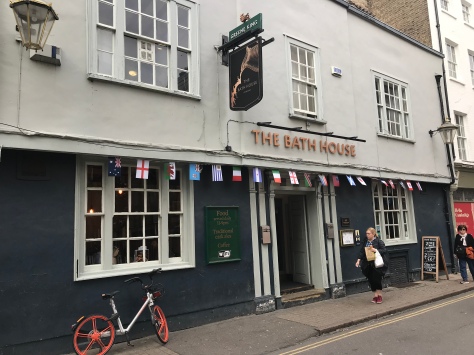
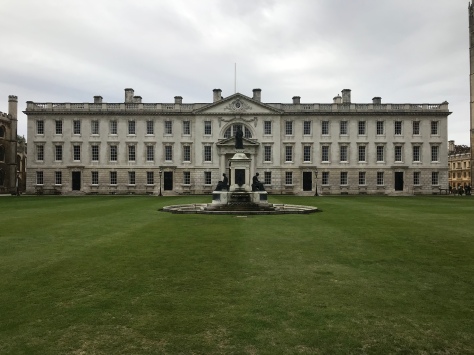

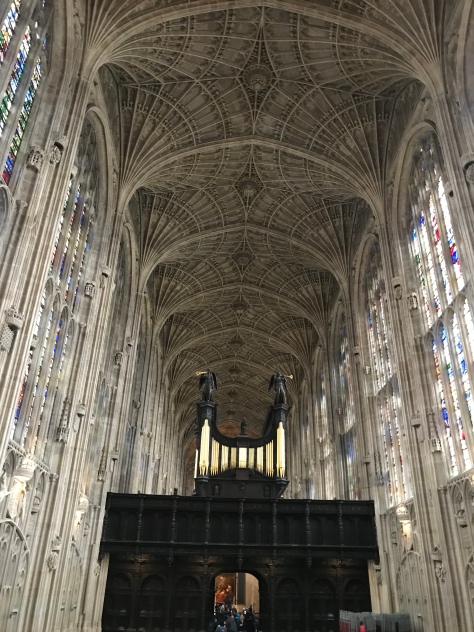


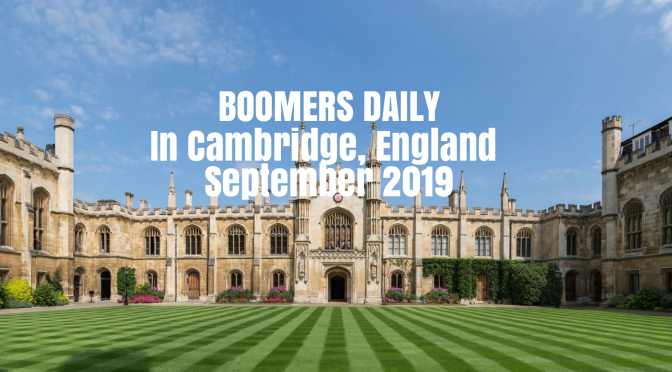
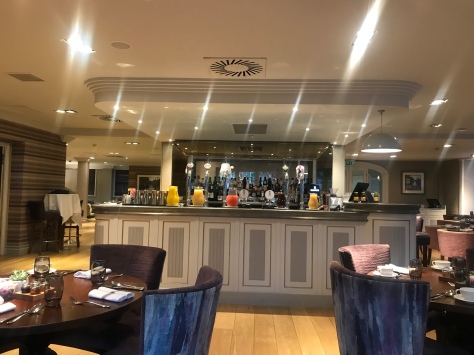
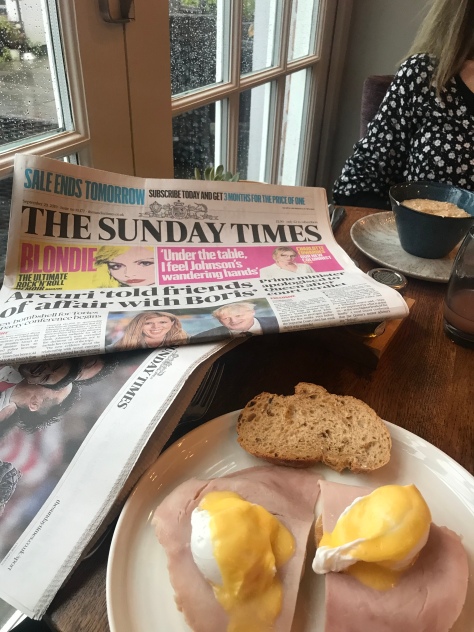

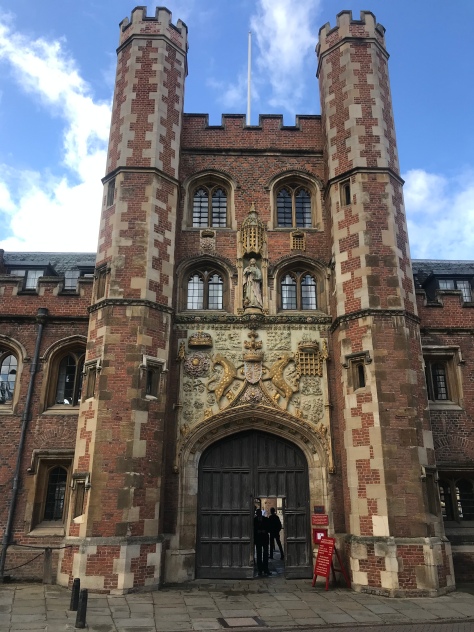






 Our first stop was the Ashmolean Museum, which was remarkably uncrowded at 9:30 am this Wednesday morning. We paid to see the special exhibit “Last Supper In Pompeii” and it was outstanding.
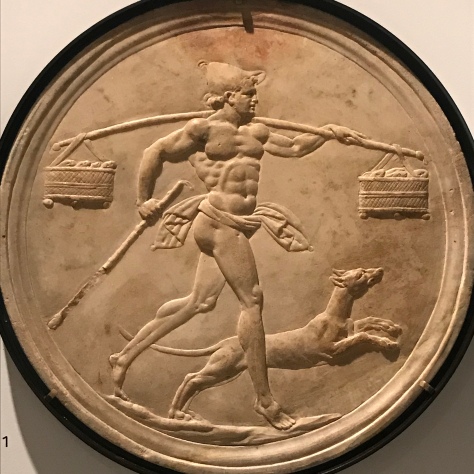


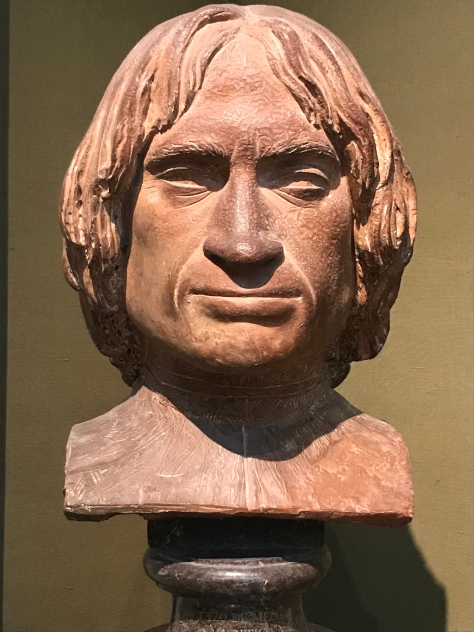
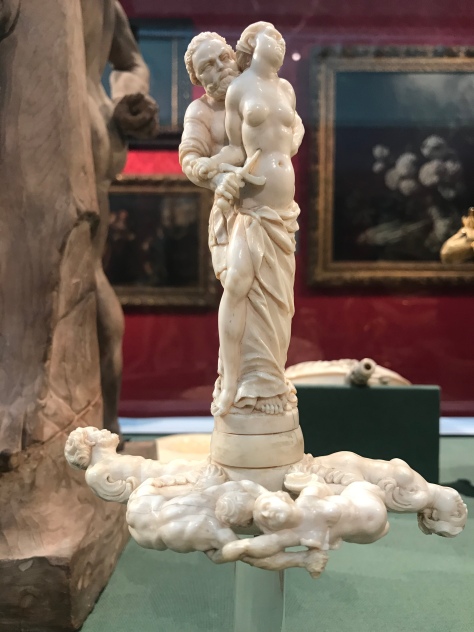


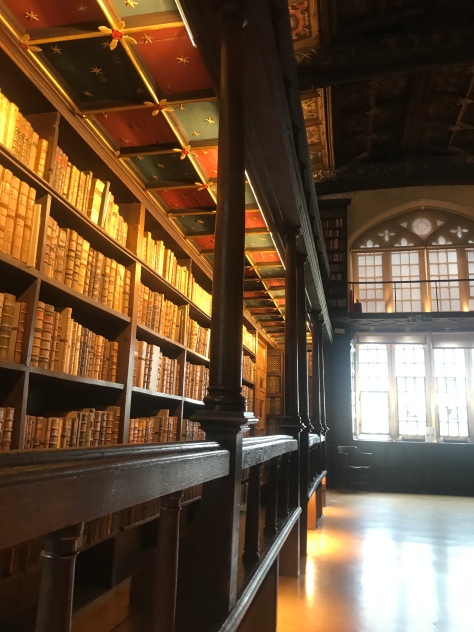


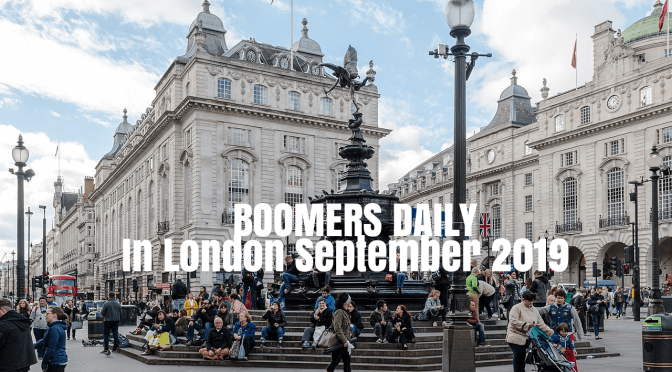
 After a great British breakfast, hopped on the Tube at Tower Hill and headed for the South Kensington station. Arrived at the Victoria & Albert Museum as it opened at 10.

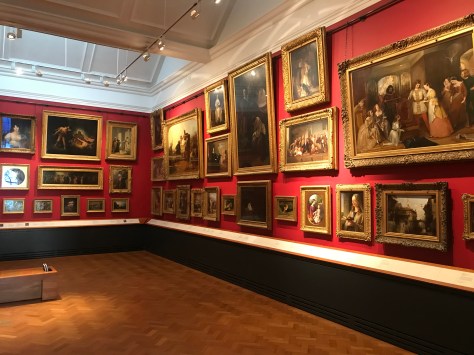
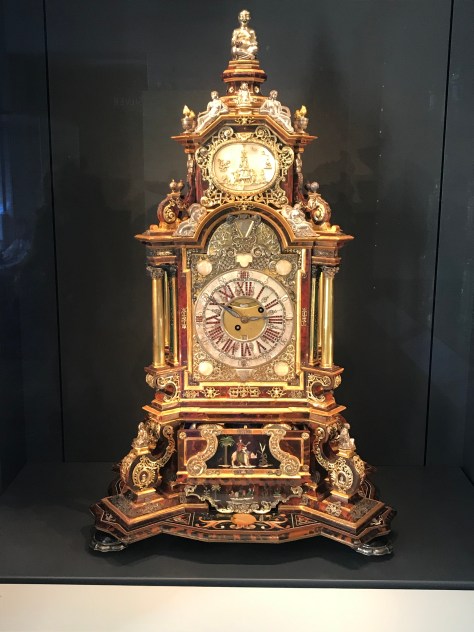

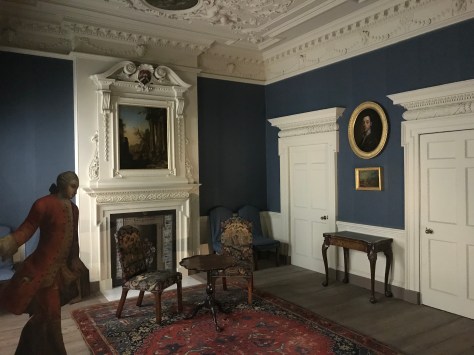

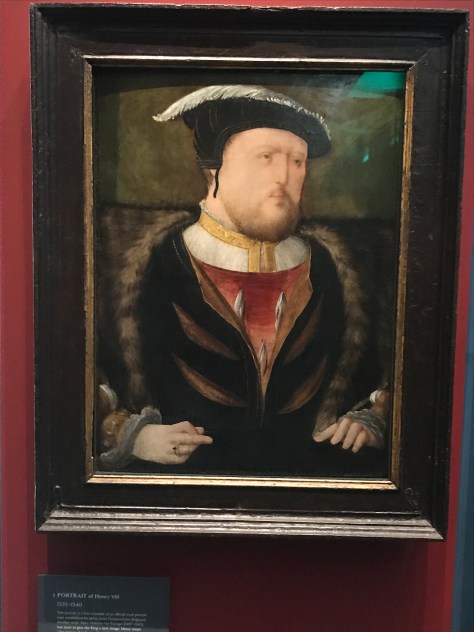

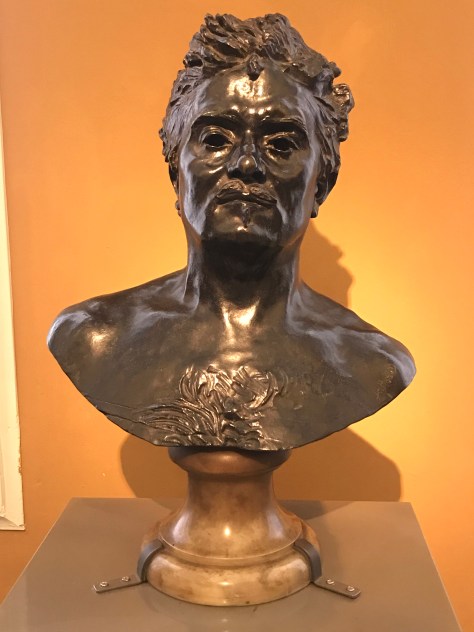

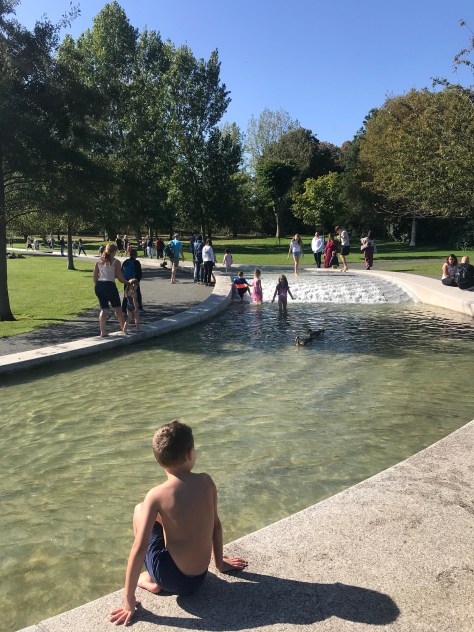


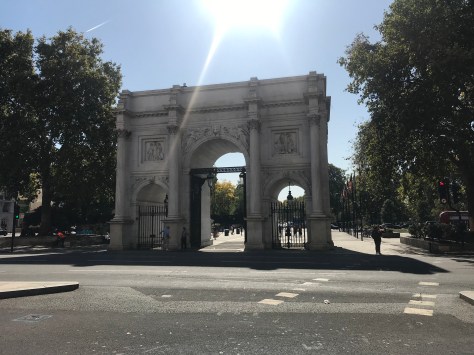

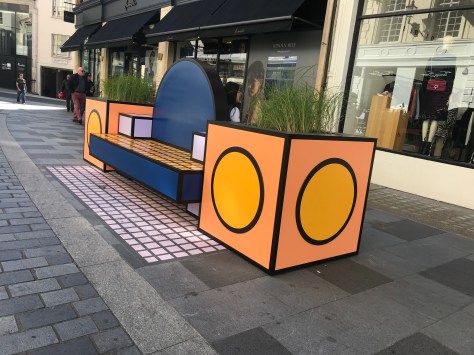


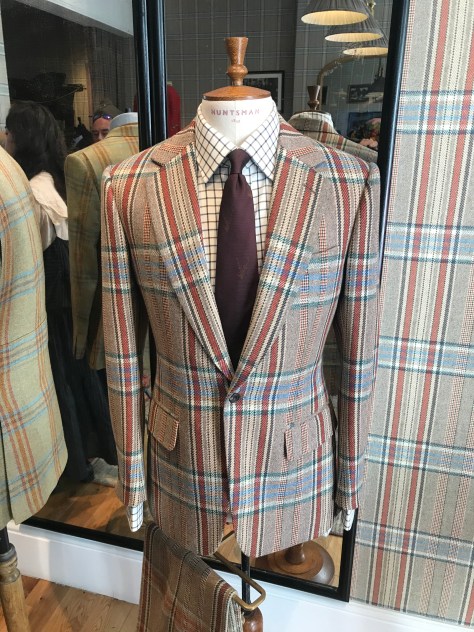

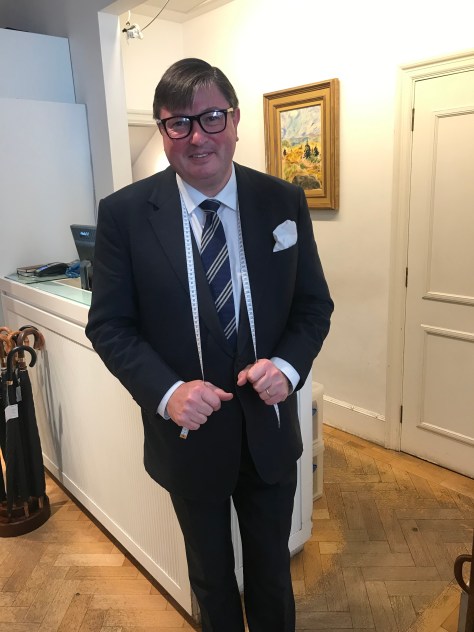
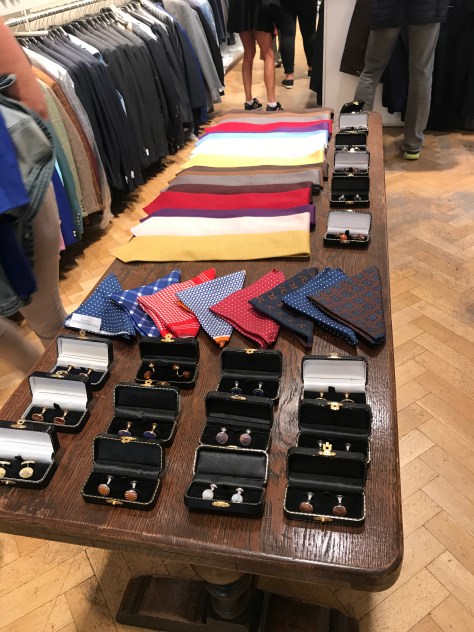







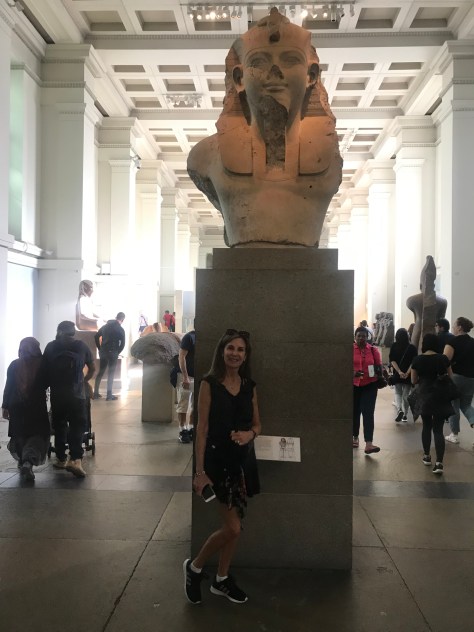
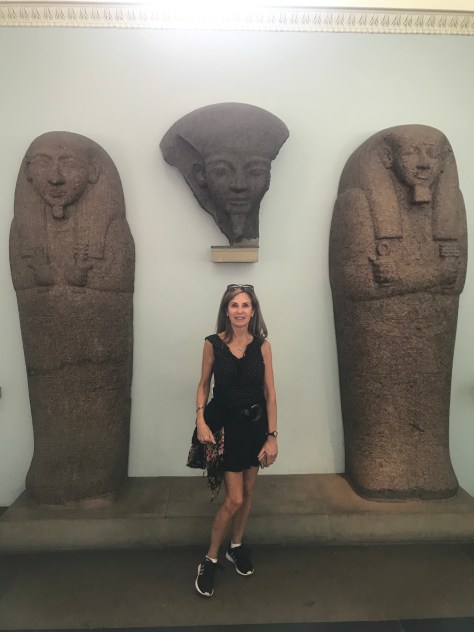
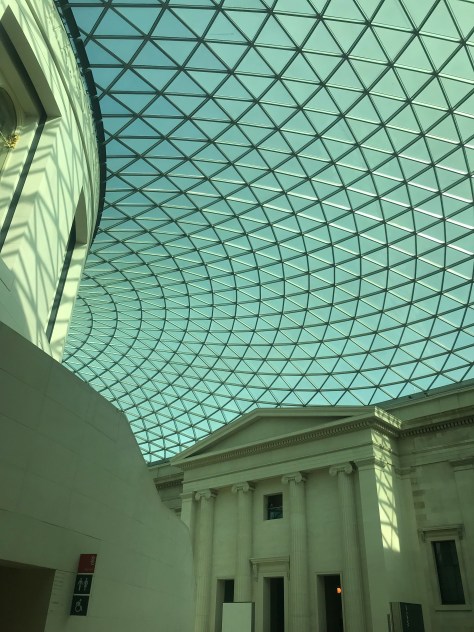
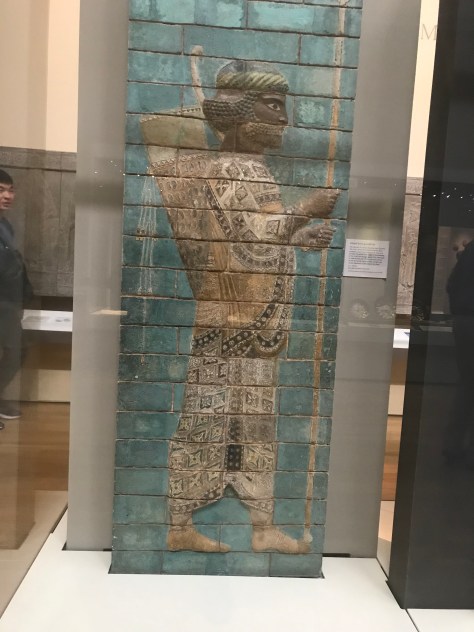
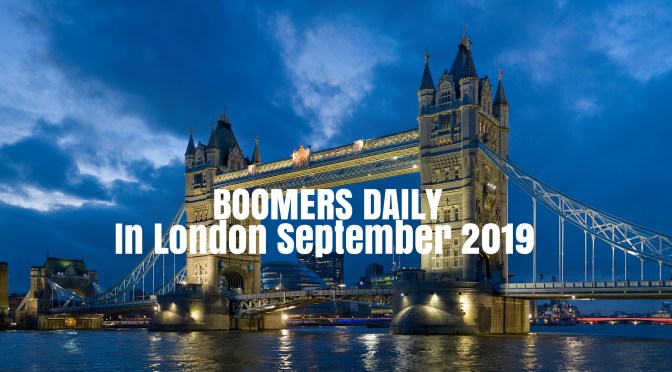
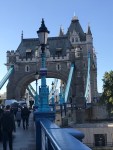 Set out at 9 am across Tower Bridge and experienced South Bank.
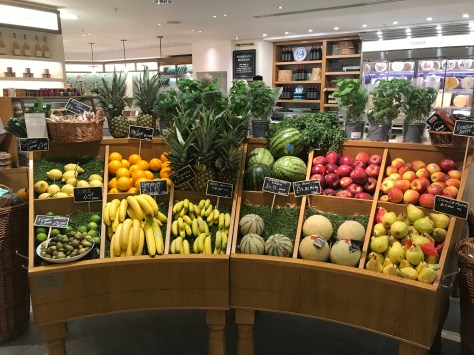
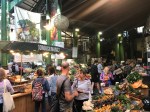 Borough Market is a must visit and it delivered delicious stall after stall of every cheese, meat, vegetable and savory or sweet foods.
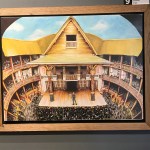 We then continued along the Thames for a quick view of Shakespeare’s Globe, followed by a tour of the Tate Modern.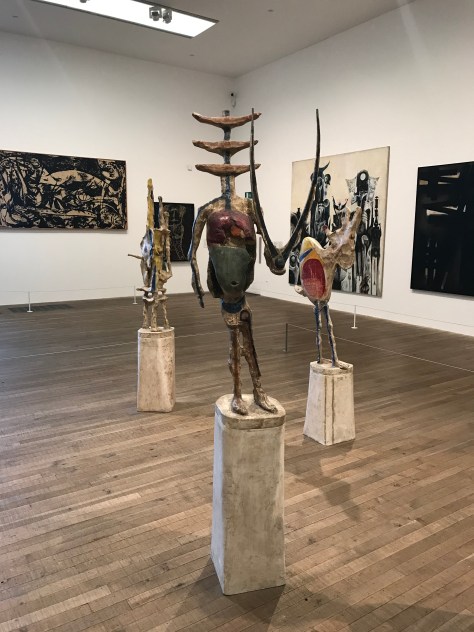
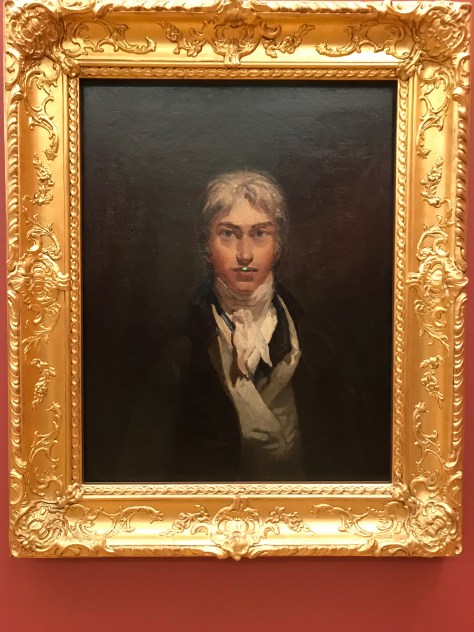
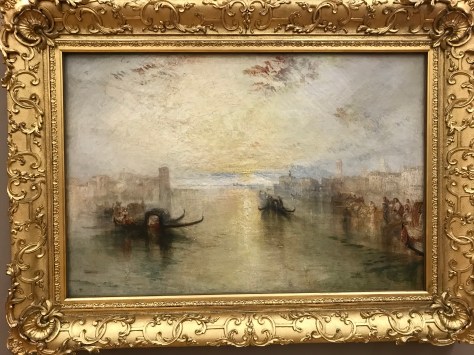
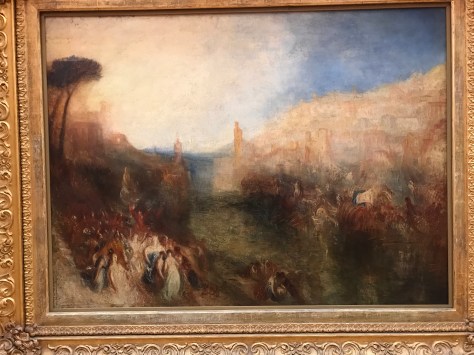
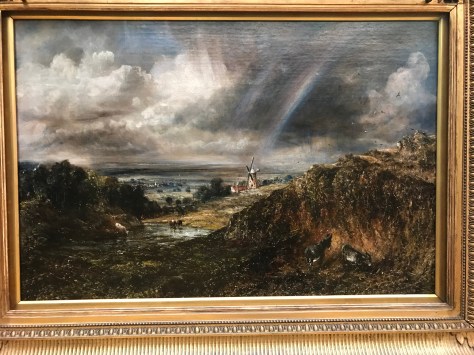
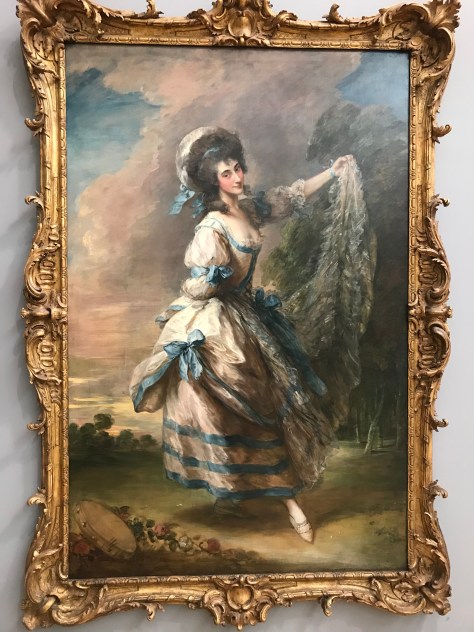
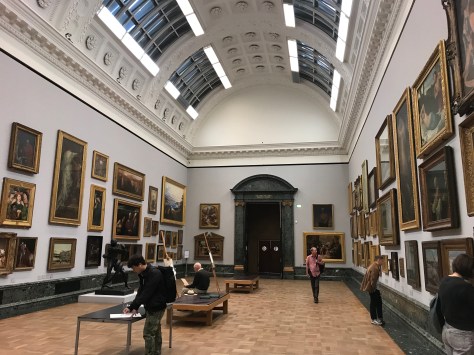
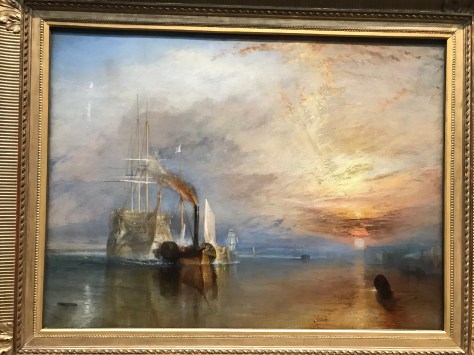
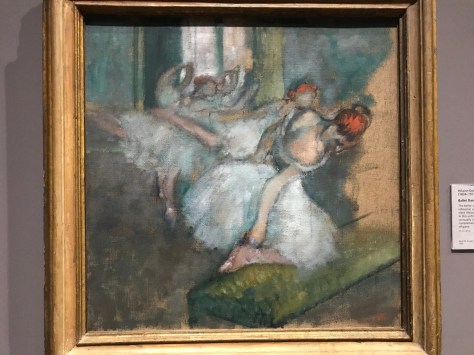
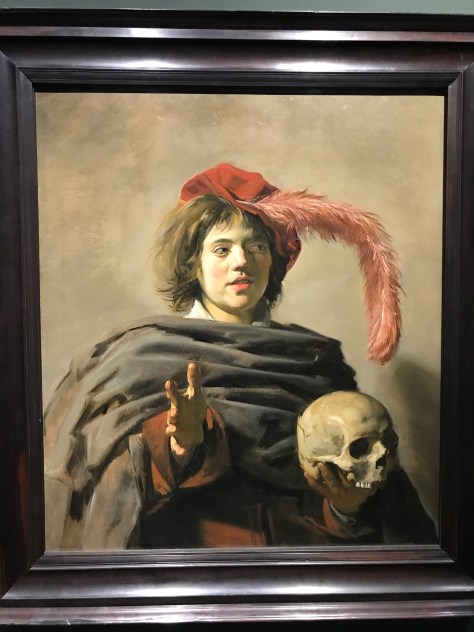
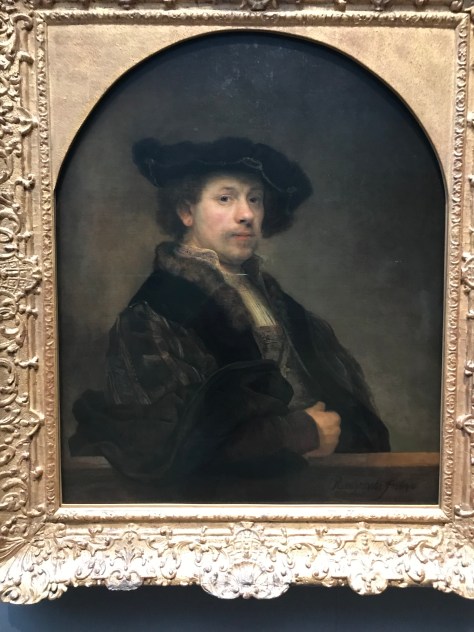
 Headed north to Buckingham Palace before walking through St. James Park to the National Gallery.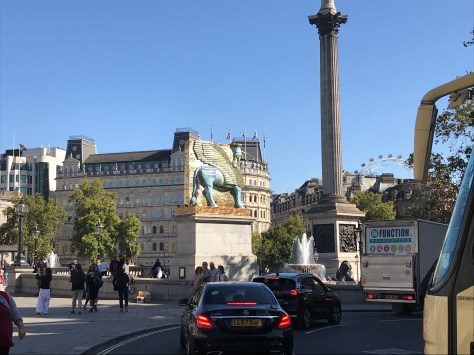
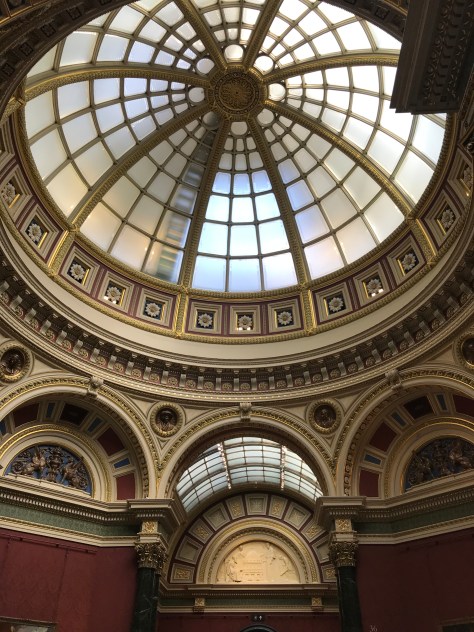
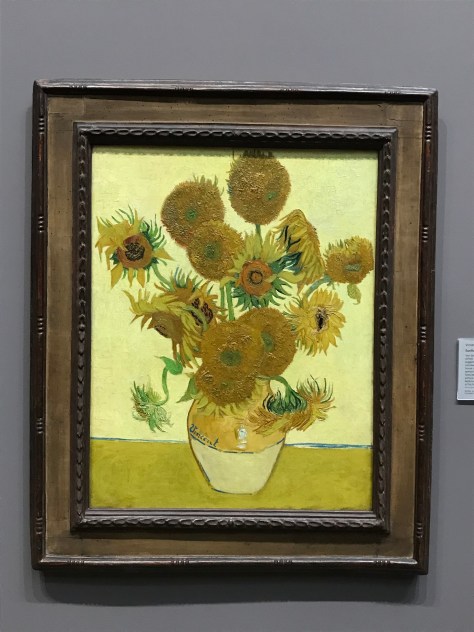
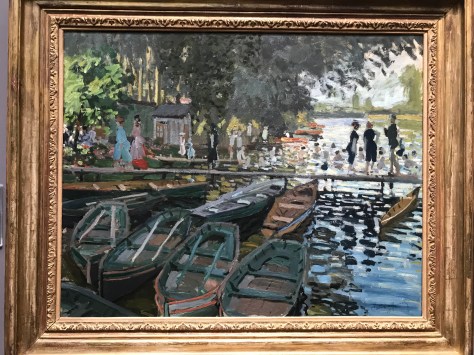

 Édouard Manet was a provocateur and a dandy, the Impressionist generation’s great painter of modern Paris. This first-ever exhibition to explore the last years of Manet’s short life and career reveals a fresh and surprisingly intimate aspect of this celebrated artist’s work. Stylish portraits,
  luscious still lifes, delicate pastels and watercolors, and vivid café and garden scenes convey Manet’s elegant social world and reveal his growing fascination with fashion, flowers, and his view of the parisienne—a feminine embodiment of modern life in all its particular, fleeting beauty.
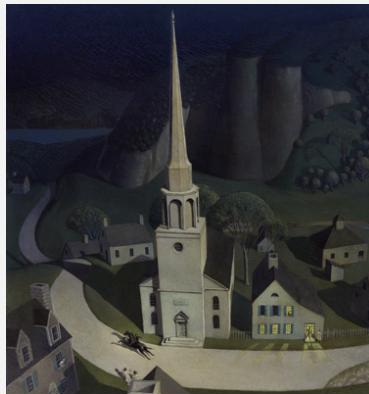 Revere’s place in history was cemented by
  The exhibition was organized by the
  Boomers Daily