

Chinese architecture studio MAD has released visuals of The Eyes of Sanxingdui, a scatter of wooden buildings it has designed for the Sanxingdui Museum in Guanghan City, China. The Eyes of Sanxingdui will contain new exhibition spaces and a visitor centre for the museum, which is known fully as the Sanxingdui Ancient Shu Cultural Heritage Museum. See more on Dezeen: https://www.dezeen.com/?p=176991
Tag Archives: Museums

Tours: Göreme Open Air Museum In Cappadocia (4K)
The Göreme Open Air Museum is the crown jewel of Cappadocia’s rich history. This small area contains the best churches in Cappadocia and several monastic complexes. For this reason, the Göreme Open Air Museum is Cappadocia’s most popular tourist destination. This article explains the broader geographical, social, and historical context of the Göreme Open Air Museum.
In 1985, the Göreme Open Air Museum was recognized as a UNESCO World Heritage Site to conserve and properly display Cappadocia’s best cave churches. To facilitate thousands of tourists each day, the Turkish government built roads, parking lots, and shops along with the Open Air Museum. These measures were helpful and necessary, but they created a spotlight effect—visitors only notice the sites within the Open Air Museum, and thus overlook all the nearby churches. The churches of the Göreme Open Air Museum must be understood within the broader context of the entire valley.
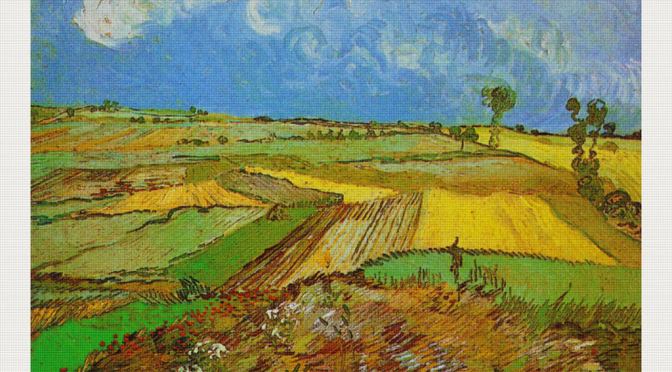
Museum Insider : ‘Wheat Fields After The Rain’ By Vincent Van Gogh (1890)
Wheat Fields after the Rain (The Plain of Auvers) – 1890
Wheat Fields is a series of dozens of paintings by Dutch Post-Impressionist artist Vincent van Gogh, borne out of his religious studies and sermons, connection to nature, appreciation of manual laborers and desire to provide a means of offering comfort to others. The wheat field works demonstrate his progression as an artist from the drab Wheat Sheaves made in 1885 in the Netherlands to the colorful and dramatic 1888–1890 paintings from Arles, Saint-Rémy and Auvers-sur-Oise in rural France.
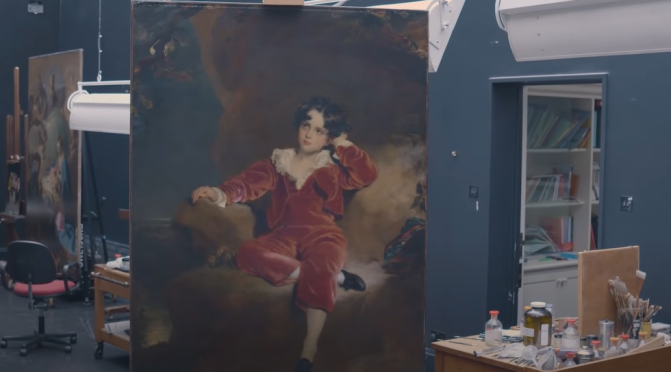
Inside British Art: ‘The Red Boy’ By Thomas Lawrence
Restorer Paul Ackroyd gets ‘The Red Boy’ ready to be displayed in the Gallery.
The Red Boy, or Master Lambton, are popular names for a portrait made in 1825 by Sir Thomas Lawrence. It is officially entitled with the name of its subject, Charles William Lambton, who was the elder son of John Lambton.
Paul Ackroyd, restorer, is cleaning ‘The Red Boy’, an iconic painting by Sir Thomas Lawrence. It was so popular it was the first-ever painting to feature on a British postage stamp.
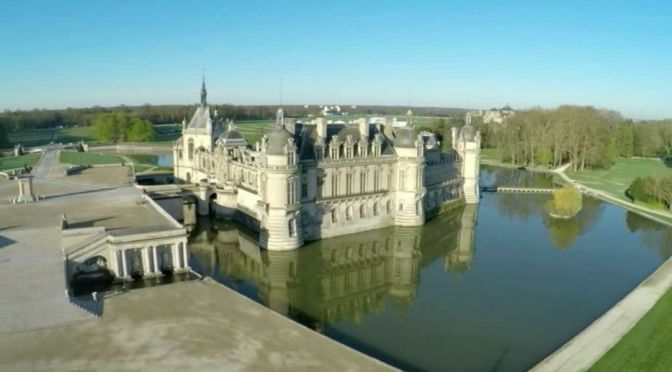
Castle Tours: Château de Chantilly In France
Every year, almost half a million visitors flock to Chantilly, one of France’s most beautiful castles. Located an hour from Paris and built in 1358, its princes greeted Louis XIV for sumptuous banquets. In the 19th century, Henri D’Orléans, Duke of Aumale, restored the château and turned it into an exceptional museum, containing the second-largest collection of paintings in France after the Louvre and more than 45,000 books. From restorers to gardeners and horseriders: behind the scenes, more than 100 people work every day on the upkeep of Chantilly. FRANCE 24 takes you to meet them.

Tours: The Getty Center In Los Angeles, California
The Getty Center, in Los Angeles, California, is a campus of the Getty Museum and other programs of the Getty Trust. The $1.3 billion Center opened to the public on December 16, 1997 and is well known for its architecture, gardens, and views overlooking Los Angeles.
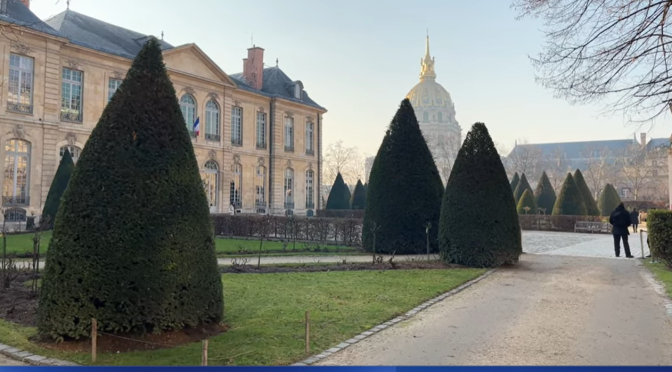
Walking Tour: The Musée Rodin in Paris, France (4K)
The Musée Rodin in Paris, France, is a museum that was opened in 1919, primarily dedicated to the works of the French sculptor Auguste Rodin. It has two sites: the Hôtel Biron and surrounding grounds in central Paris, as well as just outside Paris at Rodin’s old home, the Villa des Brillants at Meudon, Hauts-de-Seine.

Views: Jasper Johns & Paul Cézanne – Unfinished Art
What was Jasper Johns’s reaction to seeing Paul Cézanne’s The Large Bathers? Curator Carlos Basualdo recalls standing in front of the painting and Johns’s fascination with the finished and unfinished aspects of the artwork.
“Jasper Johns: Mind/Mirror” is on view through February 13. http://ow.ly/lZkg30s4V3s
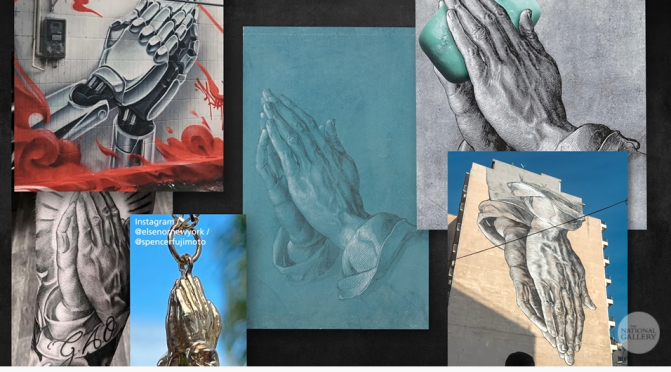
History Of Art: Albrecht Dürer’s Lasting Influence
Even if you don’t know the name, chances are you’ve seen a reproduction of one of his prints. What is it about his work that has made it last? Through paintings, drawings, prints, and letters, our exhibition ‘Dürer’s Journeys: Travels of a Renaissance Artist’ brings to life this art history megastar and the people and places he visited.
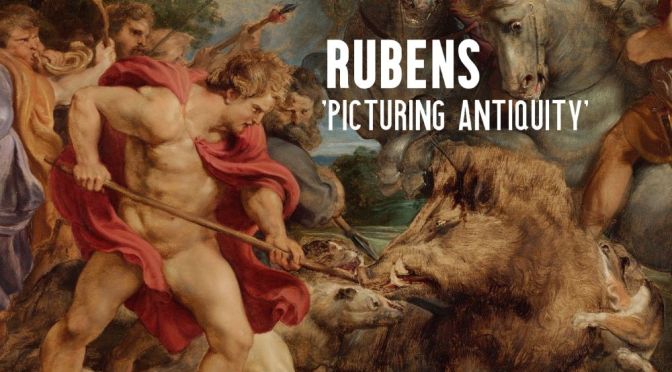
Art History: ‘Rubens – Picturing Antiquity’
“I think it just shows very well how Rubens worked, how he got the inspiration from antiquity, but he transforms it into something completely new and very alive.”
The Flemish Baroque painter Peter Paul Rubens is most famous for his dynamic, colorful renderings of religious scenes and mythological stories. Yet Rubens’s work was also deeply inspired by the art of the past. He was a keen student of classical antiquity, engaging with ancient sculptures, coins, gems, and cameos both at home and in his travels through Italy. His friendships with antiquarians, patrons, and scholars provided a network for vibrant intellectual exchanges that informed the artist’s work.
In this episode, Getty curators Anne T. Woollett, Davide Gasparotto, and Jeffrey Spier discuss their exhibition Rubens: Picturing Antiquity, which explores how Rubens was affected by and, in turn, transformed the classical past in his paintings, drawings, and designs. The exhibition, which received major support from Jo Carole and Ronald S. Lauder and generous support from the Leonetti/O’Connell Family Foundation, is on view at the Getty Villa through January 24, 2022.
For images, transcripts, and more, visit https://blogs.getty.edu/iris/podcast-peter-paul-rubens-and-the-arts-of-antiquity
 Boomers Daily