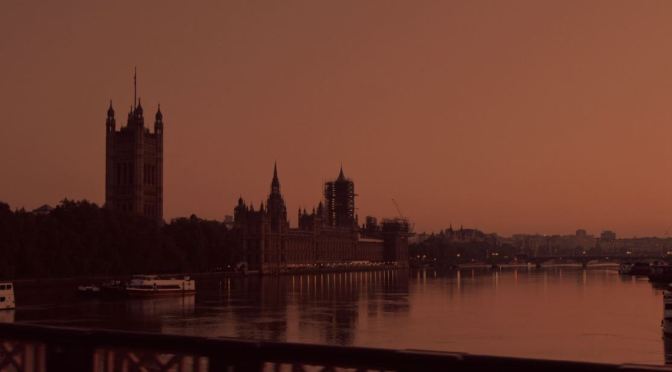
A film by Phil Arntz, Harry and James Miller
Shot around London in May 2020 during the Covid-19 Lockdown.

A film by Phil Arntz, Harry and James Miller
Shot around London in May 2020 during the Covid-19 Lockdown.
 Monocle 24 checks in on Switzerland’s plans to further ease coronavirus restrictions and ask whether the country is setting an example that others should follow.
Plus: the weekend’s newspapers and top stories. From Milan: Salone highlights, interviews and a daily running guide.
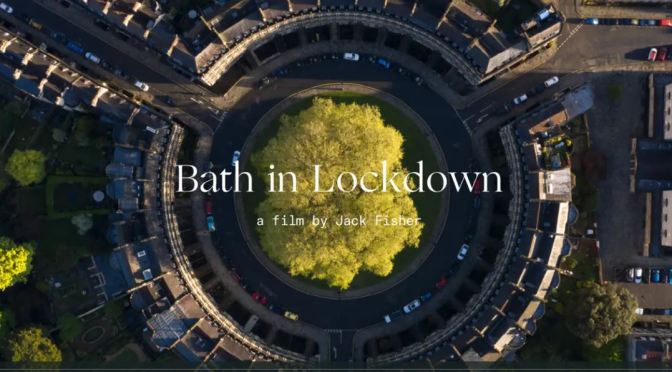
Directed, Filmed and edited by Jack Fisher
Music by Cinematic Orchestra – To Build a home
Drone Operator – Sam Gillespie
Drone Camera Operator – Jack Fisher
Graphic design – Lucia Garcia
Since lockdown began, I’ve taken my camera with me on my daily dog walks. I wanted to try and capture the atmosphere and make a record of the effects COVID 19 is having on the city I was born in, and the city I call home.
 A selection of three essential articles read aloud from the latest issue of The Economist. This week, a 90% economy—life after lockdowns will be hard in ways that are difficult to imagine today. Also, a bust-up in Brasilia (10:10), and solitude is both a blessing and a curse (17:25).
 Donald G. McNeil Jr., a science and health reporter for The New York Times, discusses how the Coronavirus lockdown might end what it would look like.
While the economy is likely to reopen slowly, there is hope that society will adapt to manage the uncertainty of our new circumstances. Here’s what experts say the next year (or more) will look like.
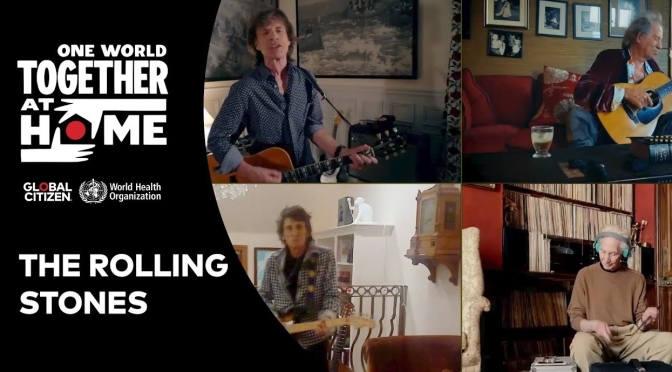
The Rolling Stones perform “You Can’t Always Get What You Want” during One World: Together At Home on April 18.
Global Citizen is a social action platform for a global generation that aims to solve the world’s biggest challenges. On our platform, you can learn about issues, take action on what matters most, and join a community committed to social change. We believe we can end extreme poverty because of the collective actions of Global Citizens across the world.
From Wallpaper.com:
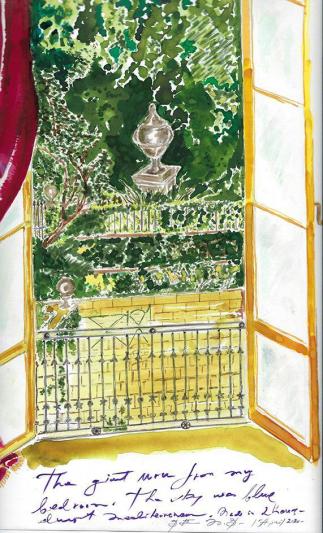
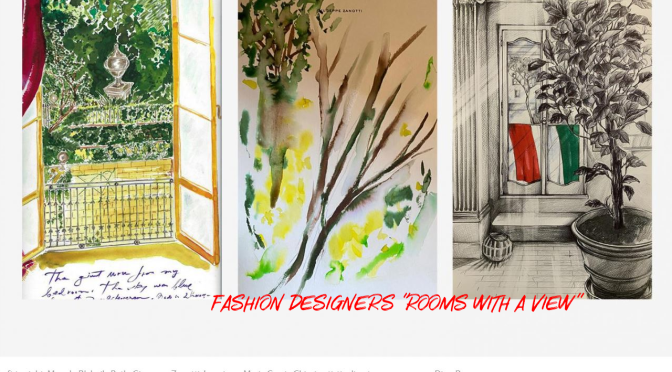
As fashion designers have acclimatised to this new, four wall-defined way of life, from Beijing to Berlin, London to Longiano, we’ve invited those within our creative community to document by hand what they can see from their work desk or window. Here we present our rooms with a view.
From Manolo Blahnik to Margaret Howell, we’ve invited fashion designers to document by hand what they can see from their work desk or window, be it a view of a verdant garden landscape, or an urban snapshot of baroque architecture.
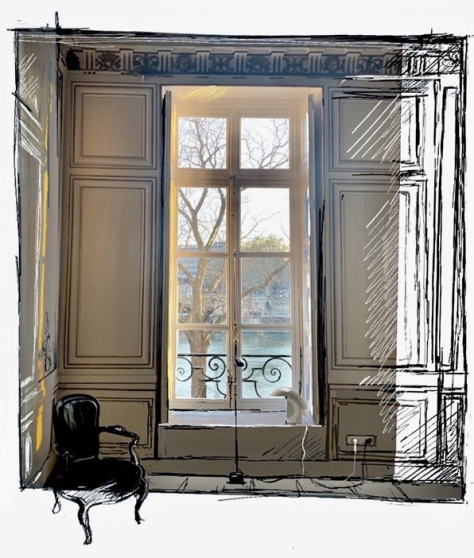
Filmed and Edited by: JÉRÉMIE ELOY, Wanali Films
Filmed on April 1, 2020
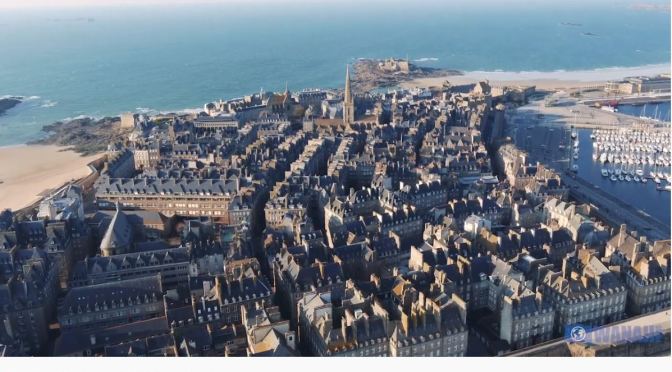
Saint-Malo is a historic French port in Ille-et-Vilaine, Brittany on the English Channel coast.
The walled city had a long history of piracy, earning much wealth from local extortion and overseas adventures. In 1944, the Allies heavily bombarded Saint-Malo, which was garrisoned by German troops. The city changed into a popular tourist centre, with a ferry terminal serving the Channel Islands of Jersey and Guernsey, as well as the Southern English settlements of Portsmouth, Hampshire and Poole, Dorset.
Founded by Gauls in the 1st century BC, the ancient town on the site of Saint-Malo was known as the Roman Reginca or Aletum. By the late 4th century AD, the Saint-Servan district was the site of a major Saxon Shore promontory fort that protected the Rance estuary from seaborne raiders from beyond the frontiers. According to the Notitia Dignitatum, the fort was garrisoned by the militum Martensium under a dux (commander) of the Tractus Armoricanus and Nervicanus section of the litus Saxonicum. During the decline of the Western Roman Empire, Armorica (modern-day Brittany) rebelled from Roman rule under the Bagaudae and in the 5th and 6th centuries received many Celtic Britons fleeing instability across the Channel. The modern Saint-Malo traces its origins to a monastic settlement founded by Saint Aaron and Saint Brendan early in the sixth century. Its name is derived from a man said to have been a follower of Brendan the Navigator, Saint Malo or Maclou, an immigrant from what is now Wales.
Saint-Malo is the setting of Marie de France’s poem “Laüstic,” an 11th-century love story. The city had a tradition of asserting its autonomy in dealings with the French authorities and even with the local Breton authorities. From 1590 to 1593, Saint-Malo declared itself to be an independent republic, taking the motto “not French, not Breton, but Malouin.
From Wikipedia

 Boomers Daily