From a JAMA Network online study (February 11, 2020):
 In this analysis of commercially insured patients who had undergone elective surgery with an in-network surgeon at an in-network facility, approximately 1 in 5 received an out-of-network bill, with a mean potential balance bill of $2011.
In this retrospective analysis of 347 356 surgical episodes among commercially insured patients who had undergone elective surgery with in-network primary surgeons and facilities, 20% of episodes involved out-of-network charges.
The patterns of out-of-network bills varied with the clinical scenario. Simpler ambulatory procedures that tend to involve 1 surgeon (arthroscopic meniscal repair, breast lumpectomy) had fewer out-of-network bills (13%-15% of cases), whereas inpatient procedures (hysterectomy, knee replacement, colectomy, CABG surgery) had more frequent out-of-network bills (24%-33% of cases). These more complex procedures were also associated with larger potential balance bills, in the range of $2000 to $4000.
Read full study

 Even limited hearing loss might be associated with cognitive decline. If true, early intervention with hearing aids might help people have better cognitive performance.
 More than 6 million people worldwide have Parkinson disease. Even though it is classically associated with tremors, the disease has many manifestations and is very treatable for most patients.


 Nathan Pritikin was a college dropout who became an entrepreneur. While doing research for the government during World War II, he observed that populations that had extremely limited food availability because of the war had substantially reduced mortality from cardiovascular disease—something unexpected at a time when cardiovascular disease was thought to be due to stress.
 Across the 6 studies of 8699 participants, mean age ranged between 70 and 74 years and mean gait speed ranged between 1.05 and 1.26 m/s. Incident dementia ranged from 5 to 21 per 1000 person-years. Compared with usual agers, participants with only memory decline had 2.2 to 4.6 times higher risk for developing dementia…
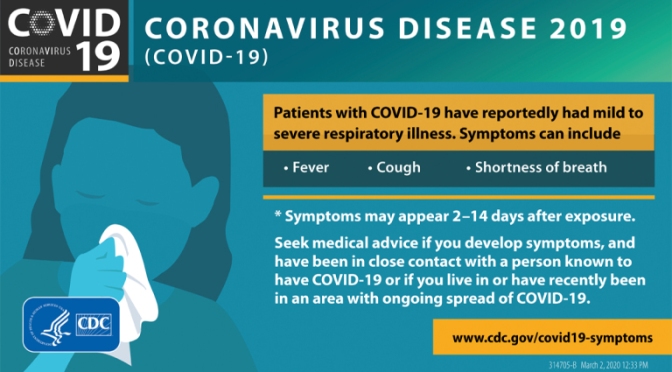
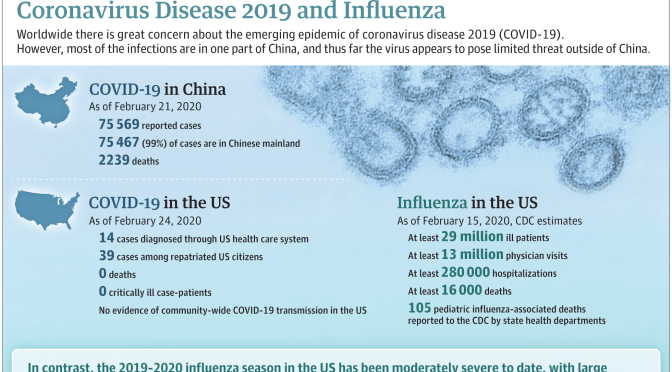
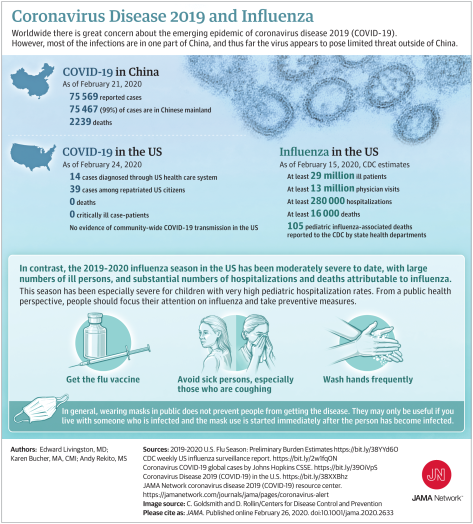
  Although coronavirus disease 2019 (COVID-19) dominates the news in early 2020, it affects few people in the US. In contrast, at the same time the US is experiencing a severe influenza epidemic, which has caused an estimated 250 000 hospitalizations and 14 000 deaths.
 Boomers Daily