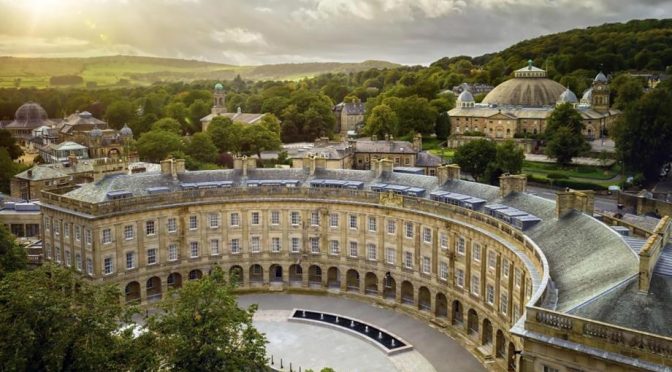
Nine wonderfully-restored Georgian buildings and landscapes, as recognised by The Georgian Group’s 2021 Architectural Awards https://t.co/DoJG6kaeze pic.twitter.com/sW9PWVyacz
— Country Life (@Countrylifemag) October 10, 2021


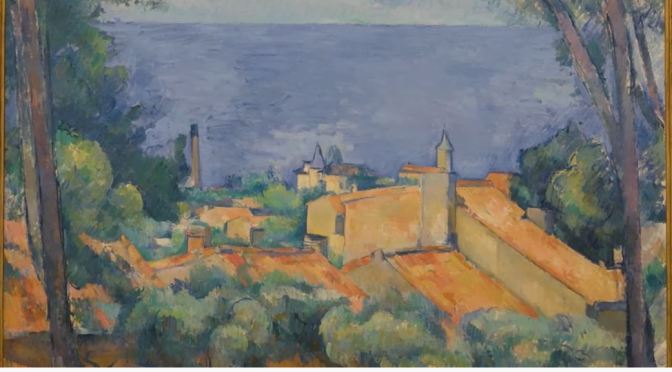
L’Estaque aux toits rouges by Paul Cézanne is one of the finest views of L’Estaque, the Provençal fishing village where the artist forged a radical new way of depicting the world around him.
Exhibited in 1936 and hidden away ever since, this remarkable piece will finally come back on view as part of The Cox Collection: The Story of Impressionism, taking place at Christie’s New York on 11 November.
While Cézanne is primarily associated with Aix-en-Provence, the village of L’Estaque near Marseille was a place that he returned to again and again when he sought sanctuary. His relationship with the village began when he holidayed there as a child with his mother. Then, in 1870, when Cézanne left Paris to avoid conscription into the army following the start of the Franco-Prussian War, he escaped to L’Estaque.
Learn More: https://www.christies.com/features/ce…
In 1836, Queen Maria, The Second, of Portugal married a German prince named Ferdinand. As a love letter to his new wife and Portuguese subjects, the King of Portugal built something that would embrace and celebrate Portugal’s cultural DNA – the Pena Palace. From above, one can see the incredibly nuanced construction of the castle’s domes to reflect Portugal’s rich history and the neo-Gothic, neo-Manueline, neo-Islamic and neo-Indian architectural influences. King Ferdinand’s attention to detail charmed his people and the Royal Family, who soon made the Pena Palace their summer residence, which would remain the case for the next six decades.
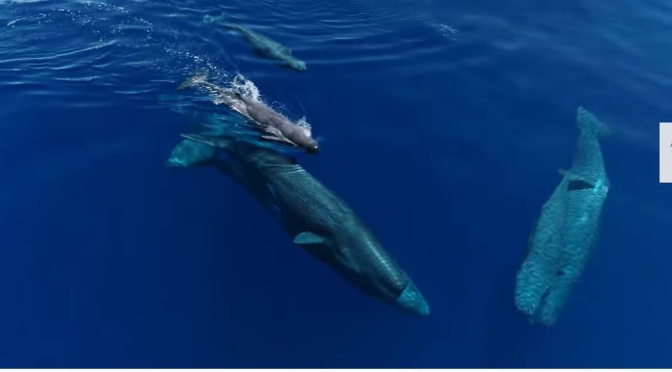
The sperm whale is the world’s largest toothed predator. It also has the biggest brain of any animal on earth.. This mind has helped them outwit their natural predators, but what happened when sperm whales came up against humans?
The sperm whale or cachalot is the largest of the toothed whales and the largest toothed predator. It is the only living member of the genus Physeter and one of three extant species in the sperm whale family, along with the pygmy sperm whale and dwarf sperm whale of the genus Kogia.
Nestling in the Evenlode Valley, sequestered down winding B roads but with its own railway station, Charlbury is a vibrant yet picturesque Oxfordshire town. A centre for festivals, full of welcoming pubs, and ideal for walking and cycling, there’s always something going on in Charlbury.
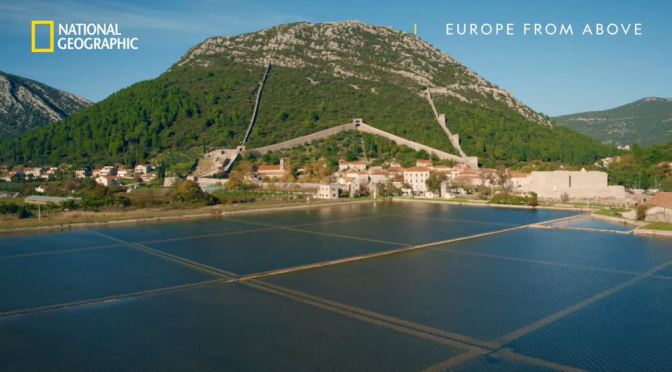
4,000 years ago, in the ancient city of Ston, vast stone walls over 7 kilometres long zigzagged across the hills to enclose a precious Croatian secret. Now, we know that the people of the town were protecting one of the Europe’s most spectacular natural wonders – 50 giant pans of fresh salt, hidden beneath the lagoons.
Once harvest time would arrive, the water would evaporate, leaving behind salt so valuable that the town would have to keep thieves at bay. Join this unique aerial tour of Croatia, where incredible drone photography reveals nature’s beauty and historic landmarks side-by-side.
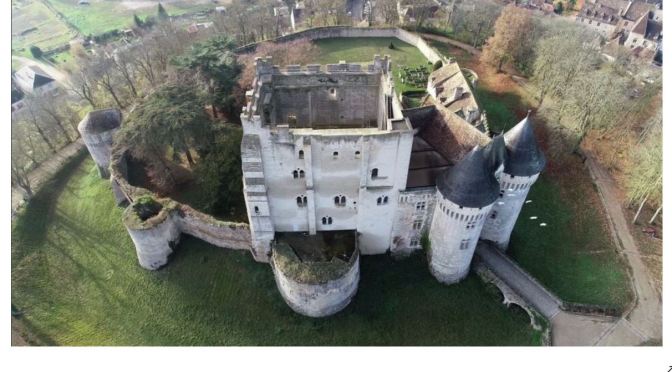
The #castle of the counts of #Perche stands on a hill overlooking the #French town of Nogent-le-Rotrou, in the central Eure-et-Loir department. This thousand-year-old fortress, testament to a wealth of local history, is now a museum. Through nearly 400 objects, it takes visitors on a journey through time, from the Middle Ages to the French Revolution. FRANCE 24 takes you on a tour.
The castle of Saint-Jean dominates the town and is a fine example of medieval architecture and of the history of Nogent-le-Rotrou. The rectangular keep is 30 metres high and is 60 metres above the Huisne valley. Its construction began in the first years of the 11th century after the first Lord of Nogent, Rotrou I. The end of 12th century and beginning of the 13th saw the construction of the circular enclosure and 7 defensive towers. The castle of Saint-Jean has withstood many sieges in its time, the most violent was probably in 1428 when the Count of Salisbury burnt the keep and destroyed the inside of the building. In 1624, de Sully became the owner and built the attractive Louis XIII pavilion against the north rampart. The interior has been completely renovated since the 1960s and now houses a local history museum with exhibits and documents about country life in Perche, as well as on the history of the town and the castle. It also houses various temporary exhibitions.
We continue our travels into the Cotswolds proper, stopping off at the secluded village of Glympton. A large country estate encircles the church here, but ancient English laws allow us right of access.
Glympton is a village and civil parish on the River Glyme about 3 miles north of Woodstock, Oxfordshire. The 2001 Census recorded the parish’s population as 80.






 Boomers Daily