

Tag Archives: Greece

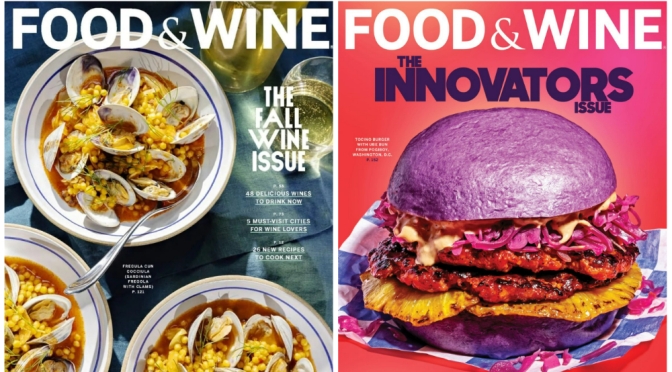
Reviews: Food & Wine Magazine – April 2023

Image

FOOD & WINE MAGAZINE – APRIL 2023 ISSUE:

Drinks Innovators of the Year 2023

Food & Wine Drinks Innovators of the Year 2023

For our second annual Food & Wine Drinks Innovators of the Year, we combed the ranks of brewers, winemakers, and distillers to single out the people changing the way we drink. But innovation doesn’t necessarily just mean a new tweak to a process or a new category of alcoholic (or non-alcoholic) beverage. 

Why This Island Is Considered the Culinary Capital of Greece

Chania, Crete, Greece

Greece‘s largest island, Crete, is home of the first European civilization, and, in many ways, it holds the mystery — and secret — of the Mediterranean diet

Crete checks everything off the list of Greek specialtieswine from centuries-old vineyards that is some of the best in the Mediterranean; olive oil dubbed the “elixir of life” and said to be the source of the high longevity rate; and the infamous cheese, which is so specific, villages have their signature. 

Anthony Bourdain Once Said This Restaurant in Paris Was a Must-Visit, Second Only to the Eiffel Tower

North Carolina’s ‘Triangle’ Is the Perfect Destination for a Weekend of Eating

News: Biden Meets EU’s Von Der Leyen, China’s Motives, SVB Bank, Nigeria Fallout

March 13, 2023: What’s China’s standing with the West after US president Joe Biden and European Commission president Ursula von der Leyen meet in Washington? Plus: unpacking the Nigeria elections fallout, a roundup of Asia-Pacific papers and all the winners and surprises on Hollywood’s biggest night.

News: UK-France Summit In Paris, Vatican To Return Parthenon Sculptures

March 10, 2023: Can Rishi Sunak and Emmanuel Macron mend Anglo-French relations at their summit in Paris? Plus: the Vatican returns three Parthenon sculpture fragments, the latest aviation news and the final episode of our series lifting the lid on the world of espionage.

City Walks: Thessaloniki In Northern Greece (2023)

Tourister (March 8, 2023) – Thessaloníki, formerly Salonika, historically Thessalonica, city and dímos (municipality), Central Macedonia (Modern Greek: Kendrikí Makedonía), on the western Chalcidice (Chalkidikí) peninsula at the head of a bay on the Gulf of Thérmai (Thermaïkós). An important industrial and commercial centre, second to Athens (Athína) in population and to Piraeus as a port, it is built on the foothills and slopes of Mount Khortiátis (Kissós; 3,940 feet [1,201 metres]), overlooking the delta plains of the Gallikós and Vardar (Axiós or Vardaráis) rivers.

Founded in 316 BCE and named for a sister of Alexander the Great, Thessaloníki after 146 was the capital of the Roman province of Macedonia. As a military and commercial station on the Via Egnatia, which ran from the Adriatic Sea east to Byzantium (i.e., Constantinople), it grew to great importance in the Roman Empire. Two letters written by the Apostle Paul were addressed to its inhabitants (Thessalonians), and its first bishop, Gaius, was one of Paul’s companions. The city prospered in the Byzantine Empire despite repeated attacks by Avars and Slavs in the 6th and 7th centuries. In 732, two years after he prohibited icons, the Byzantine emperor Leo III (reigned 717–741) detached the city from papal jurisdiction and made it dependent on the patriarch of Constantinople. During the iconoclastic regimes of Leo and his successors, the city defended the use of icons in worship and acted to save some of these art treasures.

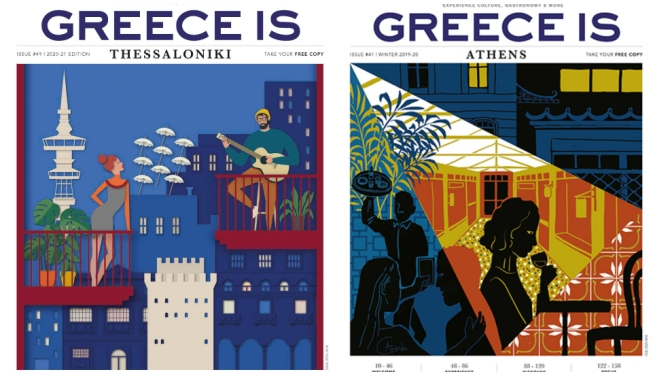
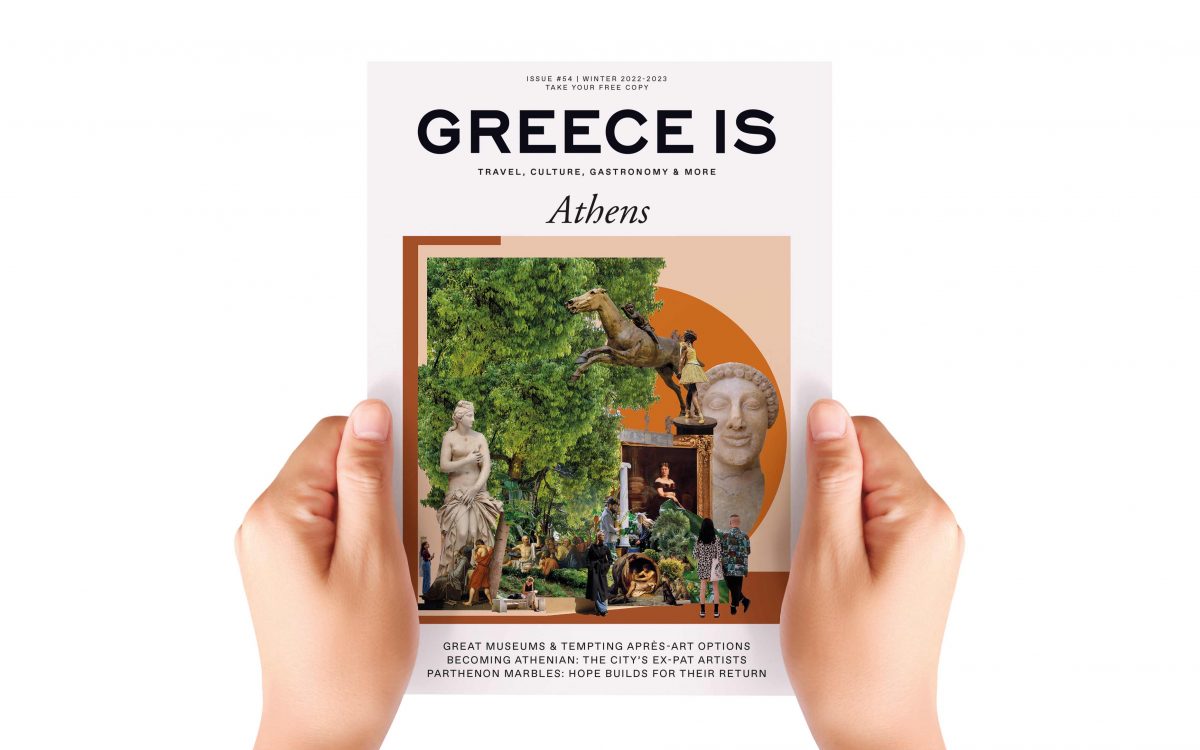
Culture & Travel: Greece Is Magazine Winter 2022-23

Greece Is Athens Winter 2022-2023 issue:

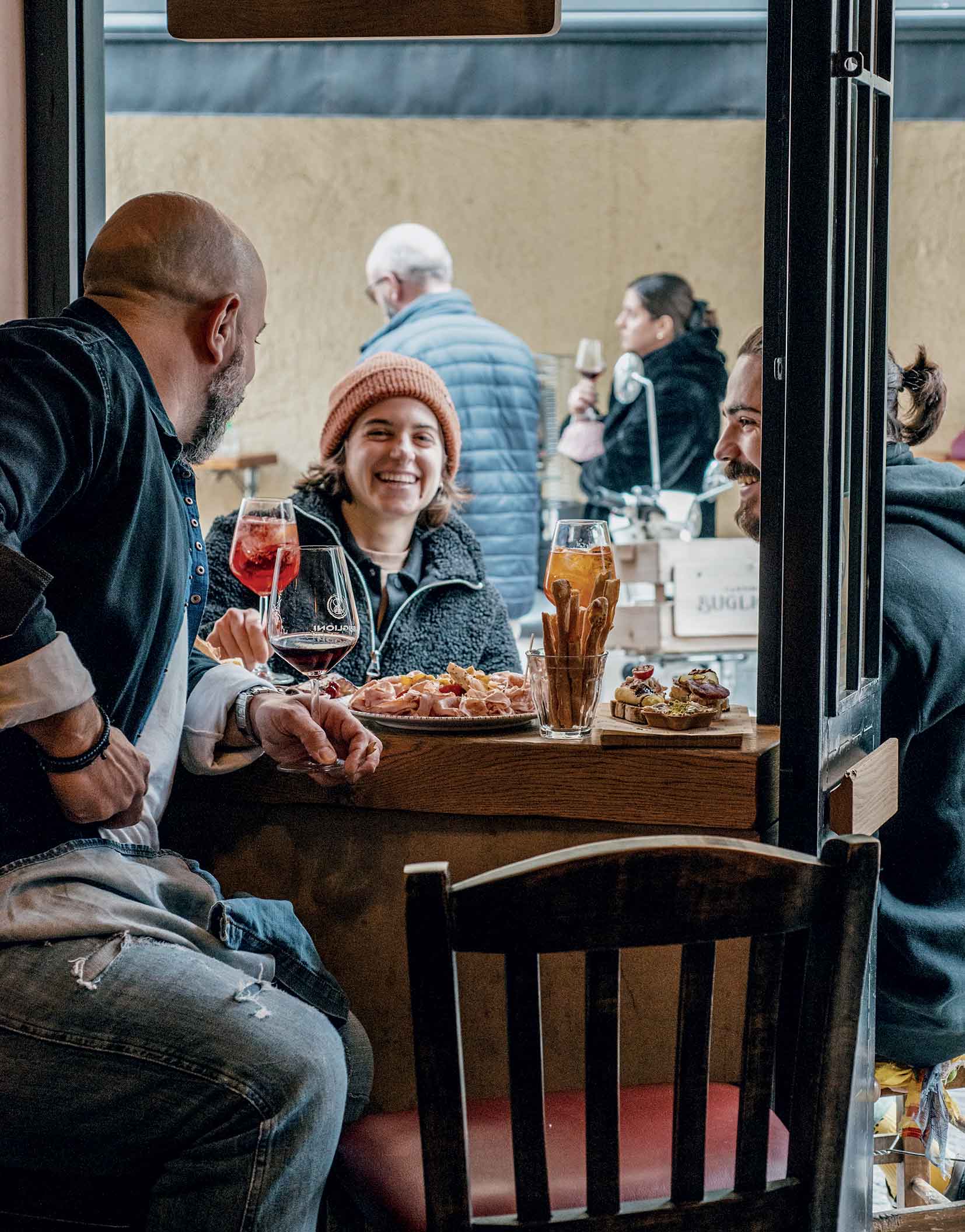
Enjoying aperitivo in the neighborhood of Koukaki.© Angelos Giotopoulos

This year, Athens was crowned Europe’s Leading Cultural City Destination at the World Travel Awards, and in this 143-page magazine, culture takes center stage. We guide you to Athens’ major museums and the neighborhoods around them; learn what life is like for the many artists who in recent years have sought their way from abroad to create homes and studios here; trace ancient philosophers’ favorite haunts in and around the Athenian Agora; present museum tours tailored specifically to children; discover the local dining scene through a historic lens as renowned Greek writer Christos Choumenidis presents five traditional and contemporary restaurants with their unique stories to tell; and check in on the development of the never-more-hot campaign for the return of the Parthenon marbles.

Cinematic Travel: The Island Of Corfu, Greece

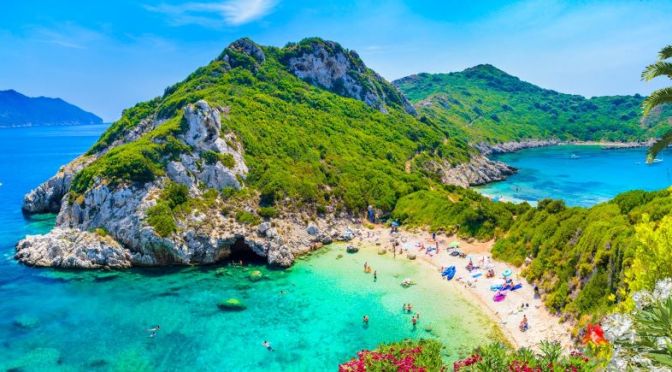
With the passage of time the island may have changed, but we can still feel the spirit of a distant glorious past. Its rich multi-cultural heritage, its historic monuments, its stunning natural landscape, its crystal clear seas, and its excellent weather all year round explain why Corfu is one of the most cosmopolitan Mediterranean destinations weaving a powerful spell on its visitors.

Corfu (Kerkyra in Greek), unlike the rest of Greece, never fell under the Ottoman oppression. Due to the successive dominations of the Venetians, the French and the British over the centuries, the island has primarily become part of the Western rather the Levantine world. Their culture wielded strong influence in the city: it was here that the first Greek University (the Ionian Academy), the first Philharmonic Orchestra and the First School of Fine Arts were founded.

Greek Island Views: A Walk In Kos Old Town (4K)

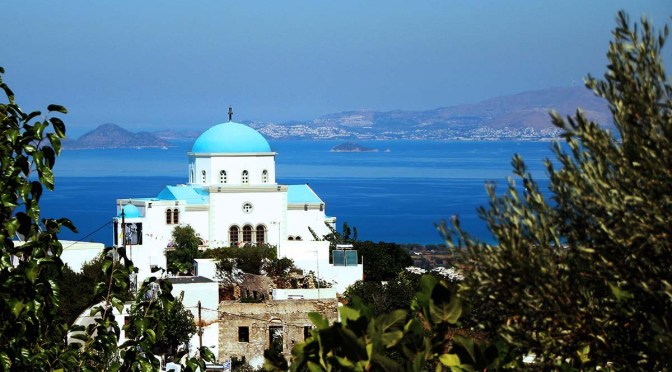
With long sandy beaches, a balmy climate and monuments from various historical eras, Kos was among the first Aegean islands to attract visitors –during the 1930s, under Italian rule. Despite its touristic role, Kos is in fact one of the most fertile Greek islands, with rich volcanic soil and an adequate water supply from its single mountain range.

Local melons have long been famous – old-timers as far away as the Cyclades remember the melon-peddlers from Kos – and they’re still sold at the roadside. Agriculture continues to co-exist with tourism, baled hay and grazing cattle (there are said to be almost as many cows as people – 18,000 – on Kos) found just behind beachfront hotel complexes.

As a strategic border island with Turkey, a military presence is inevitable if usually not intrusive – though it’s quite possible to catch a glimpse of exercising tanks, cattle and hotel wings all at once.

Island Views: A Walking Tour In Mykonos, Greece

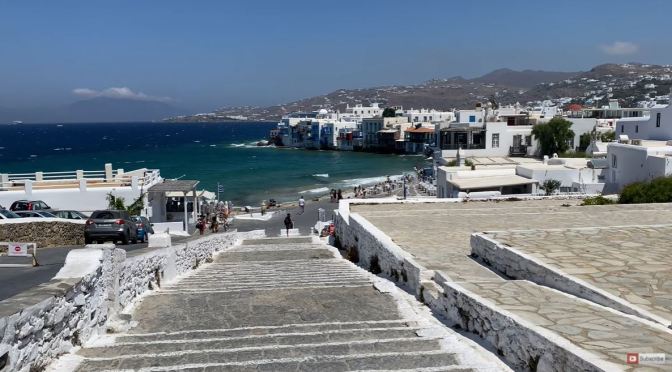
Mýkonos, also spelled Míkonos, island, dímos (municipality), and perifereiakí enótita (regional unit), South Aegean (Modern Greek: Nótio Aigaío) periféreia (region), southeastern Greece. Mýkonos is one of the smaller of the eastern Cyclades (Kykládes) group of Greek islands in the Aegean Sea.

According to legend, it is the piece of rock thrown by Heracles to destroy the Giants. It is a rugged granite mass, about 33 square miles (85 square km) in area, lying next to Delos (Dílos) and between Tínos to the northwest and Náxos (Náchos) and Páros to the south. Mýkonos has several beaches, and on the north coast the Gulf of Pánormos forms a deep indentation. Located on the west side of the island is its capital, Mýkonos town; the town is the centre of a thriving tourism industry and is renowned for its nightlife.

Filmed in September 2022.

Tours: 25 Most Beautiful Small Towns In Europe

When planning a vacation to Europe, some of the first destinations that come to mind will be the teeming cities of Paris, London or Rome. Each of these metropolises is incredible, but they are far from all that Europe has to offer.

By exploring some of the smaller towns across the continent, it is possible to see a more authentic, traditional side to Europe. If you’re planning an upcoming getaway to the continent, here are just a few of the most beautiful small towns in Europe.

Summer Walks: Santorini In The Aegean Sea, Greece

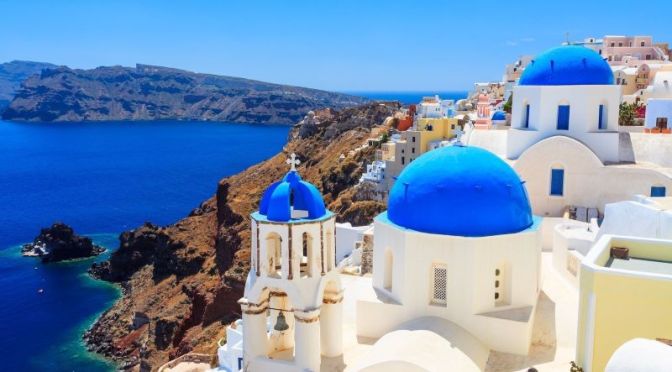
Thera, Modern Greek Thíra, also called Santorin, or Santoríni, island, southernmost island of the Cyclades (Modern Greek: Kykládes) group, southeastern Greece, in the Aegean Sea, sometimes included in the Southern Sporades group. It constitutes a dímos (municipality) within the South Aegean (Nótio Aigaío) periféreia (region).

Geologically, Thera is the remaining eastern half of an exploded volcano. Its bow-shaped rim and the remnant isles of Thirasía and Aspronísi form an open lagoon that measures 37 miles (60 km) in circumference. In the centre of the lagoon are two active volcanic islets, Néa Kaméni (“New Burnt Island”) and Palaía Kaméni (“Old Burnt Island”). Thera proper consists largely of lava and pumice, the latter of which is the island’s main export. Red-wine grapes are also grown. The lagoon is rimmed by red-, white-, and black-striped volcanic cliffs rising to almost 1,000 feet (300 metres). The summit of Thera is the 1,857-foot (566-metre) limestone Mount Profítis Ilías in the southeast. The chief town, Thíra (locally called Firá), was badly damaged by an earthquake in 1956. Other settlements include Emboríon and Pírgos to the south and the port of Oía at the north entrance to the lagoon, which was destroyed by the 1956 earthquake.