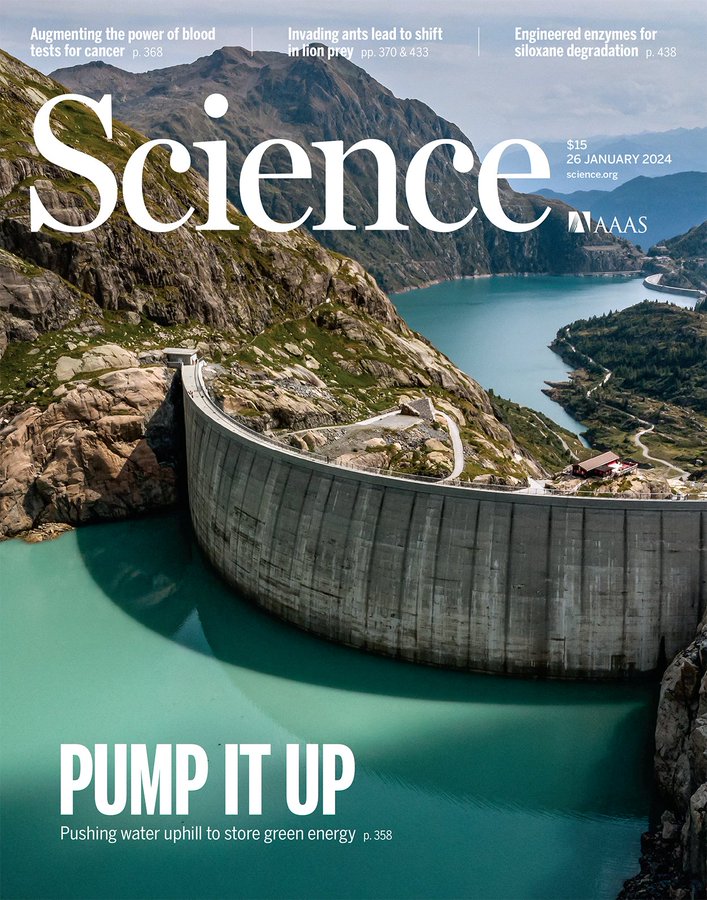

Science Magazine – January 18, 2024: The new issue features‘Plants And People’ – Global Hotspots of Utilized Plants; Long Covid Markers of Immune Dysfunction; A mammoth’s life story, written in tusk, and more…
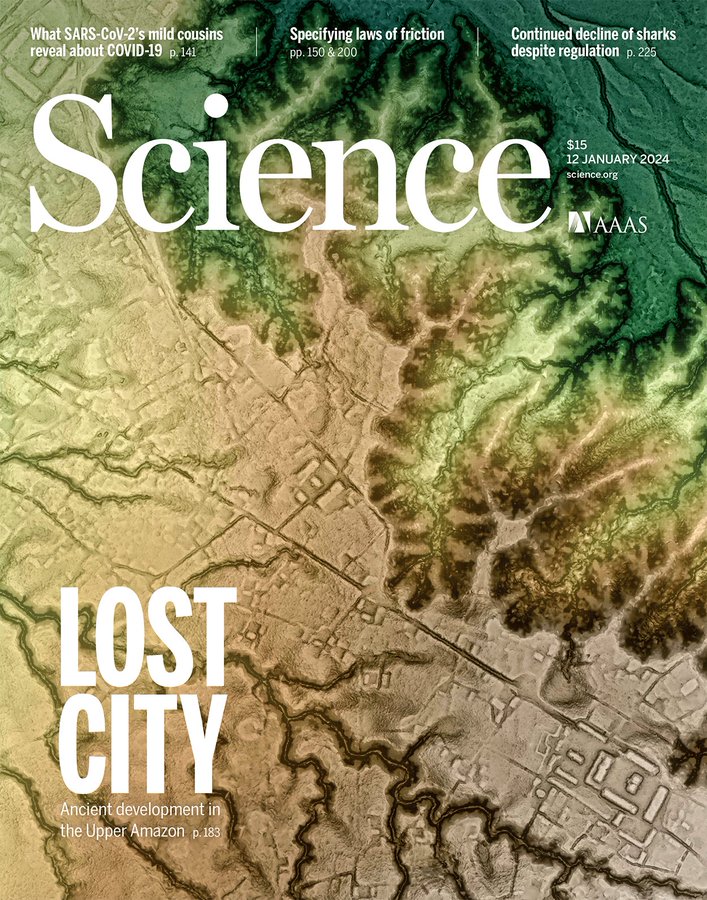
Science Magazine – January 11, 2024: The new issue features‘Lost City’ – Ancient development in the Upper Amazon; What SARS-CoV-2’s mild cousins reveal about Covid-19; Specifying laws of friction and a Continued decline in sharks despite regulation…
The Globalist Podcast (December 5, 2023) – How the Israel-Hamas war is altering the political landscape in France, impacting US military aid to Ukraine and threatening to draw in more actors amid increasing tensions in the Middle East.
Also, papers, the latest on the Alaska Air-Hawaiian Airlines deal and business news.
The Globalist Podcast (December 4, 2023) – A look at how the Cop 28 summit is going with Andrew Freedman, senior climate reporter at Axios. Plus: Venezuela’s referendum and a murder conspiracy in Delhi.
Tomorrow’s Build (November 7, 2023) – The city of Seville in Spain is implementing measures to mitigate the scorching heat. Called the CartujaQanat, it is a €5 million pilot project that aims to reduce average temperatures by around 10°C in a region of the city.
These systems, developed over 1,000 years ago, consist of the construction of underground channels that transport water across a large area that needs to be cooled. Vertical shafts drilled along the channel bring underground air to the surface, lowering above-ground temperatures.
In summer, people don’t leave their house until 8pm and festivals usually start at 10pm. Built on the banks of the Guadalquivir River during the Middle Ages, the Spanish city regularly records temperatures above 40 degrees Celsius (104 degrees Fahrenheit) during July and August. And scientists expecting temperatures above 50°C in the near future.
nature Magazine – August 31, 2023 issue:In this week’s issue, AI pilot beats human champions in aerial contest – Artificial intelligence has taken on and beaten human competitors in many games, including chess, StarCraft and Gran Turismo.
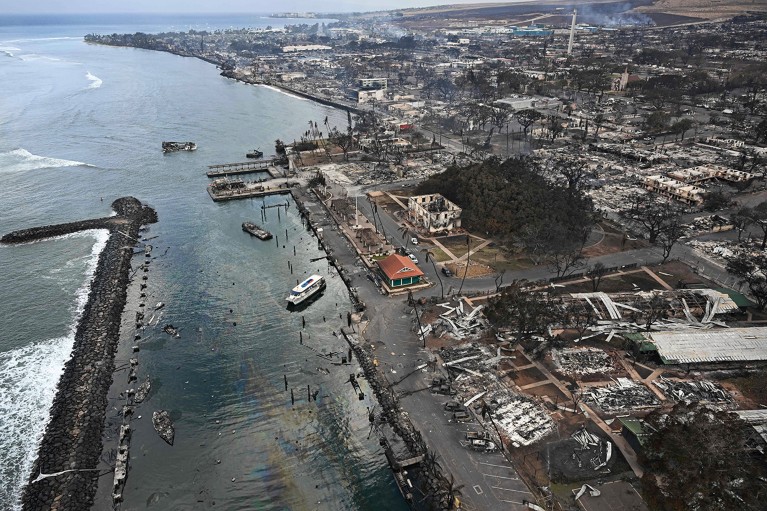
Events in Hawaii show how much we have to learn about wildfire spread — but simple research steps can help to build resilience.
Driven by drought, high winds and extreme heat, fires in recent years have caused destruction and losses on a scale bigger than anyone is used to. The average annual global cost of wildfires is around US$50 billion, the World Economic Forum said in January. And by the end of the century, climate change might make catastrophic conflagrations 50% more common, according to the United Nations Environment Programme. Given the surge in urban development in and near forested areas, something has to be done to protect communities. As Maui’s experience shows, little is in place.
In a rapidly urbanizing world, what happens in cities matters — and sustainability success stories show what can be achieved when researchers and policymakers work together.
More than half of the world’s population lives in cities, and that proportion is set to grow. By 2050, another two billion people will be urban dwellers, the United Nations estimates. Cities lie at the nexus of all aspects of human development, from building thriving economies to coping with climate change.
The planet has warmed 1.2 ºC on average, but that’s enough to produce big extremes.
From wilting saguaros in Arizona and hot-tub-like temperatures off the coast of Florida to increased heat-related hospitalizations in Europe and agricultural losses in China, last month felt unusually hot. It was: several teams have now confirmed that July 2023 was the hottest month in recorded history. And there’s more to come.
July is typically the hottest month of the year, and this July shattered records going back as far as 1850 by around 0.25 °C. Overall, the average global temperature was 1.54 °C above the preindustrial average for July, according to Berkeley Earth, a non-profit group in California that is one of several organizations tracking global warming. It’s a seemingly small increase, but what many people across the world actually experienced was a bout of long and often brutal heat waves.
Science Magazine – August 4, 2023 issue: DNA was sequenced from 27 African Americans buried at Catoctin Furnace, Maryland, where enslaved people labored between 1774 and 1850. The tree trunk forms a double helix comprising 27 segments representing each sequenced individual.
Tropical forests host an unusually high diversity of tree species. Strong interactions between individuals are hypothesized to create these patterns. A tree is more likely to survive when surrounded by different tree species with different resource needs, diseases, and herbivores. Kalyuzhny et al. found patterns consistent with this mechanism in a long-term forest plot in Panama. Adult trees in this site are more distant from members of their own species than from other species and more distant than would be expected by chance or by the limits of seed dispersal. This study shows that distances between conspecifics are maintained in adult trees, helping to explain the high diversity of tropical forests.
News, Views and Reviews For The Intellectually Curious