How is a drapery put in place? For what reasons does this motive persist until today? How to explain its power of fascination? These are the questions that this exhibition intends to pose, in order to enter the “factory” of the drapery and to get closer to the artistic gesture. By showing the stages of making a drapery, the visitor will discover the singular practices of artists from the Renaissance to the second half of the 20th century.
November 30, 2019 – March 8, 2020, Museum of Fine Arts of Lyon
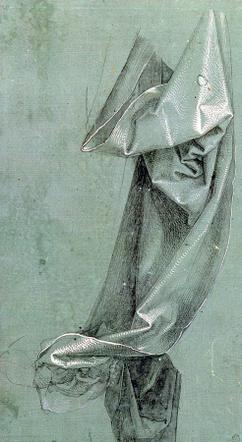
Albrecht Dürer, Drapery Study, 1508, Brush and Indian Ink, heightened white on dark green paper
The Musée des Beaux-Arts in Lyon retains an exceptional drawing by Albrecht Dürer studying a piece of drapery. This meticulous study reveals how the flexibility of a fabric lends itself to an infinity of folds, underlined by shadows and lights.
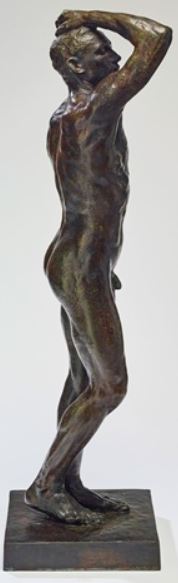
Rodin first exhibited a bronze and a plaster version of The Age of Bronze at the Cercle Artistique in Brussels in January 1877. A few months later, he exhibited the plaster at the Paris Salon, where it caused a scandal. ‘The vitality and naturalism of the sculpture was so extreme, the sense of modelling so observed, that he was accused of having cast the sculpture from the model himself,’ says the specialist.
Tudor Davies, Head of Impressionist & Modern Art in Paris, reveals why Rodin’s Salon ‘scandal’ marked a pivotal turning point in the artist’s career.
The Age of Bronze was originally conceived in 1877, and is widely considered Rodin’s first great work, ranking alongside his later masterpieces, including LaPorte de l’Enfer, Le Penseur and Le Baiser. Its conception marked a decisive turning point in the sculptor’s career.
Director of Photography – Christophe Collette
Underwater DoP – Vincent Kardasik
Executive producer – Blaise Izard
Line Producer – Manu Henoque
Editor Andreas – Arvidsson
Composer – Gustav Karlström
Sound design – Anton Ahlberg
Colorist – Nicke Jacobsson
Production co – badassfilms.tv
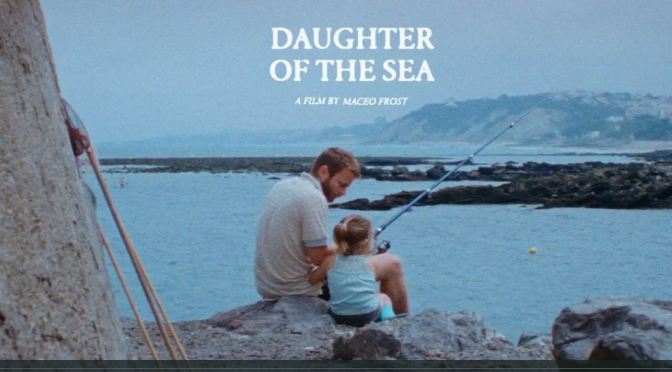
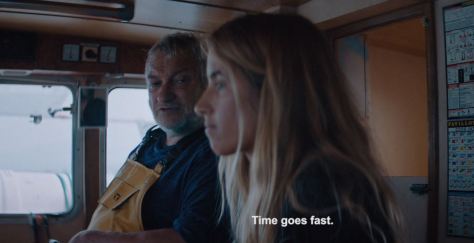
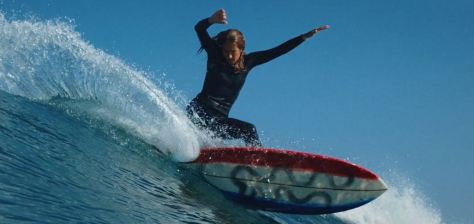
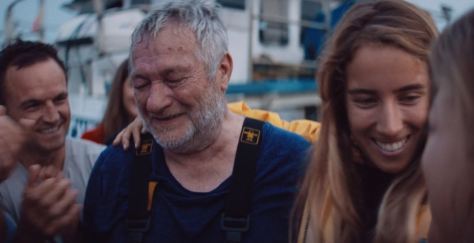
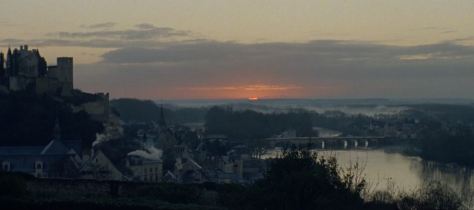
“Daughter of the Sea” is a short film exploring a fishermans relationship with his daughter and the sea. Shot in the French town St Jean de Luz.
Words by: Antoine Leiris
Cinematographer: Zack Spiger
Production Co.: Gang Films
Music Score: AWVFTS
Filmed at: Chateaux Fontainebleau
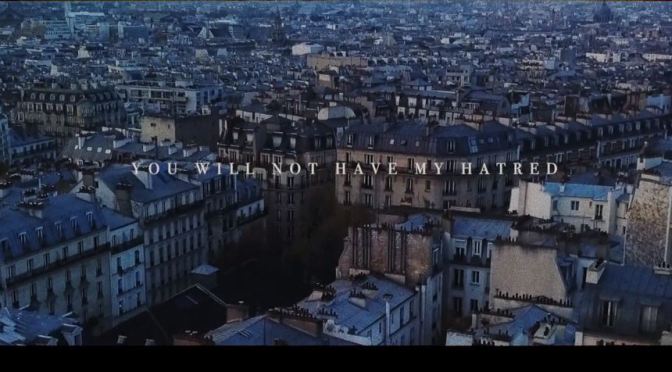
“I vividly remember the morning I read these powerful words for the first time. It was a cold November afternoon and a friend of mine had shared it on Instagram. As I was reading, I glanced over at my son playing in the living room – he was 17 months old, and I started coming undone. My wife looked over at me and I couldn’t speak, I just handed her the phone, and she also just came undone. These words had stuck with me for 4 years and they haven’t let go of me. How can a man, who had suffered so much, have a such a spirit of resilience and grace? Thank you Antoine Leiris for seeing the world unlike how most people see it – for showing a way that flows in the opposite direction of hate, and retaliation. Its words like yours that change the world. This film is a contemplative meditation on those words, be patient with it.”
This week our correspondent joined Emmanuel Macron on his visit to China. The French president is stretching his diplomatic wings, and has some striking views about Europe’s place in the world. The state of Texas has been reliably Republican for decades, but its demographics are changing; could it at last turn blue? And how Japan is dealing with its epidemic of public-transport groping.
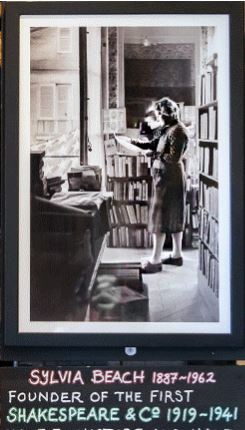
One hundred years ago this month, you opened the shutters of a small bookshop on rue Dupuytren. Its name was Shakespeare and Company. I often wonder if, on that first morning, you could ever have imagined how important your story would be.
You were only 32 but had already lived quite a life. Soulful and fearless, witty and energetic, you’d been active in the women’s suffrage movement, studied French poetry in Paris, and served with the Red Cross in Serbia during the First World War. You had also met Adrienne Monnier, one of the first women in France to found her own bookshop. Adrienne would be your companion for decades to come.
Your bookshop—first on rue Dupuytren, then around the corner on rue de l’Odéon—became a sanctuary for Anglophone and Francophone writers. T.S. Eliot, Gertrude Stein, Ezra Pound, James Joyce, Ernest Hemingway, Djuna Barnes, and F. Scott Fitzgerald, as well as André Gide, Paul Valéry, and Louis Aragon, among many others, all bought and borrowed books from you, and attended readings and parties at Shakespeare and Company. As André Chamson wrote about you: “Sylvia Beach carried pollen like a bee. She cross-fertilised these writers. She did more to link England, the United States, Ireland, and France than four great ambassadors combined.” I think of this whenever I ponder the role booksellers and bookshops can play during this age of political and ecological turbulence. When James Joyce couldn’t find anyone to publish Ulysses—his modernist masterpiece that had been condemned for obscenity—you stepped up. Even when you closed your bookshop in 1941, it was not an act of defeat but of defiance—you would rather see your life’s work shuttered forever than sell Finnegans Wake to a high-ranking Nazi officer.
Sylvia Whitman
When my father, George Whitman, opened this bookshop in 1951, you were not just a regular visitor but an inspiration. You had shown how a true bookseller must also be prepared to be a librarian, a publisher, a PO box, a banker, a hotelier, and—most importantly—a friend to writers and readers. For your belief that a love of reading is more important than the quest for profit, you have been called the patron saint of independent bookstores. We’re sure that your extraordinary memoir and your beautiful letters continue to embolden booksellers the world over, just as they embolden us. Particularly during hard times, your story stands like a beacon when we need direction, comfort, or inspiration.
Thank you, Sylvia, for everything you did and everything you stood for.
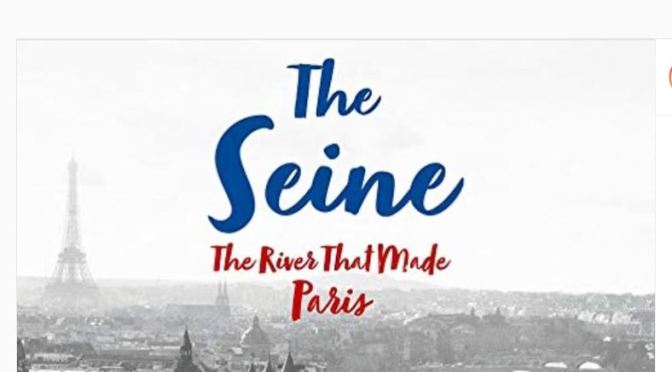
Sciolino’s keen eye and vivid prose bring the river to life as she discovers its origins on a remote plateau of Burgundy, where a pagan goddess healed pilgrims at an ancient temple. She follows the Seine to Le Havre, where it meets the sea. Braiding memoir, travelogue, and history through the Seine’s winding route, Sciolino offers a love letter to Paris and the river at its heart and invites readers to explore its magic.
In the spring of 1978, as a young journalist in Paris, Elaine Sciolino was seduced by a river. In The Seine, she tells the story of that river through its rich history and lively characters—a bargewoman, a riverbank bookseller, a houseboat dweller, a famous cameraman known for capturing the river’s light. She patrols with river police, rows with a restorer of antique boats, discovers a champagne vineyard, and even dares to swim in the Seine.
French literary greats Marcel Proust and Émile Zola visited Les Bains after its opening as a bathhouse in the late 19th century. Decades later in 1978, designer Philippe Stark transformed the place into a nightclub, welcoming a different calibre of guests through its doors. David Bowie, Mick Jagger and Karl Lagerfeld were among the people to make a splash at this Paris institution.
The new Les Bains hotel, revamped by architect Vincent Bastie, features a restored grand entrance that stays true to its Haussmannian roots. Designers Tristan Auer and Denis Montel were drafted in to design the interiors, while outdoor areas have also received an update, including the courtyard, opened up to draw in more light.
Les Bains, the iconic Paris nightclub, has reopened as a 39-room hotel five years after partygoers last enjoyed a drink and a dance. It’s the latest chapter in the life of the 1885 Haussmannian building, which has played host to a who’s who of the creative world.
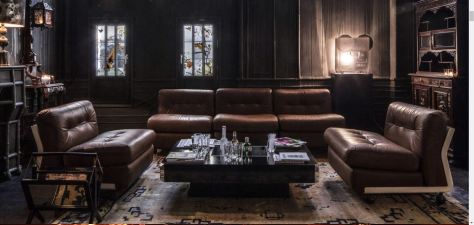
Les Bains will retain its famous party spirit when the bar, club and restaurant open later this month. And the likes of Jagger and Bowie might still feel the need to let their hair down when they step onto the dance floor, which mimics Stark’s chequered design from 1978.
Champagne is a lot bigger than it seems. Vineyards can be up to an hour away from each other depending on traffic, so it’s best to pick a home base in the heart of the region. The luxurious Domaine Les Crayères was the former home of Madame Pommery’s daughter (Pommery was a 19th century French businesswoman who took over her husband’s successful wine business after he passed away). The space was transformed into a hotel in the early 1980s, where it still retains some of the Belle Époque sensibility from its previous owner.
Champagne is one of those places in the world that there’s truly no bad season to visit. Yet, before you let the bubbles get to your head, remember to plan everything in-advance as many vineyards are small, independently owned, and can’t always accommodate walk-ins. The place is also very spread out, so you should consider renting a car or hiring a driver if you’re booking several tastings. Luckily, getting to Champagne is easy, as it’s only a two-hour train ride from Paris. In fact, some travelers even opt to simply make a day trip out of it. Time spent aside, the grandiose French architecture all the way to the glow of the vineyards will warm your heart (no, it’s not just the alcohol) and have you immediately wanting to come back.
Part of the luxury hotel chain Les Airelles, Le Grand Contrôle is named for the building it will occupy—a 17th-century structure once used as the finance hub of the palace. The hotel will have 14 rooms, some of them apartments, as well as a wellness center, indoor swimming pool, and an Alain Ducase restaurant.
Its views include the ornate gardens outside of the Orangery, a building custom built for housing the palace’s array of tropical trees during winter.
Though the hotel is keeping mum about the details on the interior, The Spaces reports that Parisian designer Christophe Tollemer will render the hotel in classic 18th-century style, gold, glass, and molding. There’s no word on rates yet, but we’ll go ahead and guess they’ll be as haute as the hotel itself.


 How is a drapery put in place? For what reasons does this motive persist until today? How to explain its power of fascination? These are the questions that this exhibition intends to pose, in order to enter the “factory” of the drapery and to get closer to the artistic gesture. By showing the stages of making a drapery, the visitor will discover the singular practices of artists from the Renaissance to the second half of the 20th century.
 Albrecht Dürer, Drapery Study, 1508, Brush and Indian Ink, heightened white on dark green paper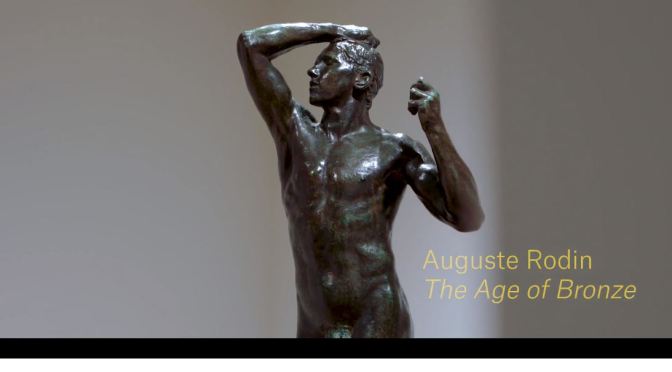
 Rodin first exhibited a bronze and a plaster version of

 This week our correspondent joined Emmanuel Macron on his visit to China. The French president is stretching his diplomatic wings, and has some striking views about Europe’s place in the world. The state of Texas has been reliably Republican for decades, but its demographics are changing; could it at last turn blue? And how Japan is dealing with its epidemic of public-transport groping.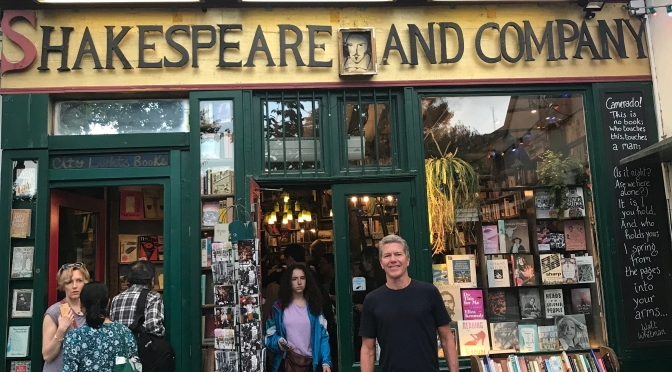
 One hundred years ago this month, you opened the shutters of a small bookshop on rue Dupuytren. Its name was Shakespeare and Company. I often wonder if, on that first morning, you could ever have imagined how important your story would be.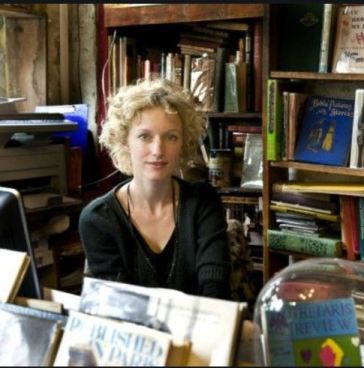

 Sciolino’s keen eye and vivid prose bring the river to life as she discovers its origins on a remote plateau of Burgundy, where a pagan goddess healed pilgrims at an ancient temple. She follows the Seine to Le Havre, where it meets the sea. Braiding memoir, travelogue, and history through the Seine’s winding route, Sciolino offers a love letter to Paris and the river at its heart and invites readers to explore its magic.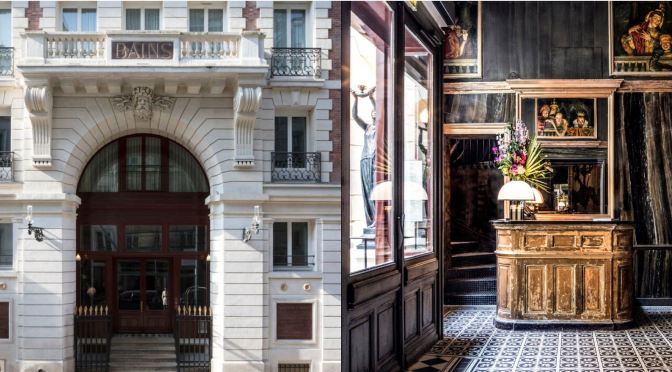

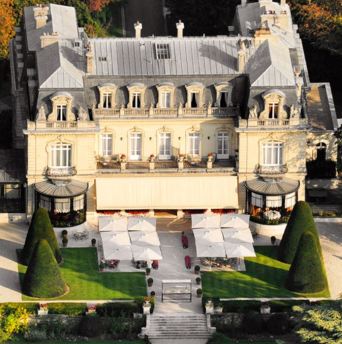 Champagne is a lot bigger than it seems. Vineyards can be up to an hour away from each other depending on traffic, so it’s best to pick a home base in the heart of the region. The luxurious Domaine
  Champagne is one of those places in the world that there’s truly no bad season to visit. Yet, before you let the bubbles get to your head, remember to plan everything in-advance as many vineyards are small, independently owned, and can’t always accommodate walk-ins. The place is also very spread out, so you should consider renting a car or hiring a driver if you’re booking several tastings. Luckily, getting to Champagne is easy, as it’s only a two-hour train ride from Paris. In fact, some travelers even opt to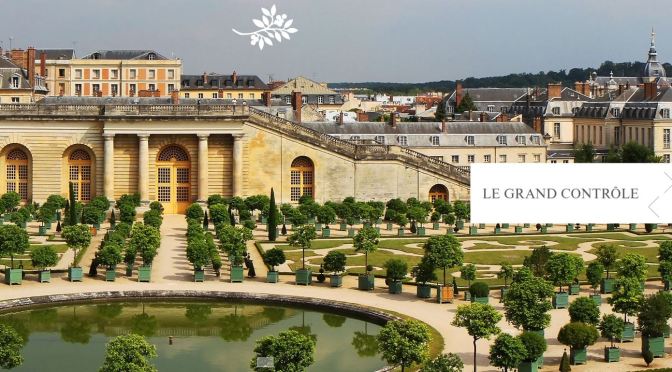
 Part of the luxury hotel chain Les Airelles, Le Grand Contrôle is named for the building it will occupy—a 17th-century structure once used as the finance hub of the palace. The hotel will have 14 rooms, some of them apartments, as well as a wellness center, indoor swimming pool, and an Alain Ducase restaurant.
 Boomers Daily