The puzzle of Palaeospondylus – Over a hundred years ago, archaeologists discovered fossils of the aquatic animal Palaeospondylus. But since then researchers have been unable to place where this animal sits on the tree of life. Now, new analysis of Palaeospondylus’s anatomy might help to solve this mystery.
08:18 Research Highlights
A strong, silk-based version of mother of pearl, and the parrots that use their heads when climbing.
10:51 How lasers revealed an ancient Amazonian civilization
Archaeologists have used LiDAR to uncover evidence of an ancient civilization buried in the Bolivian Amazon. The team’s work suggests that this area was not as sparsely populated in pre-Hispanic times as previously thought.
We discuss some highlights from the Nature Briefing. This time, the debate surrounding the first transplant of pig kidneys into humans, and the plants grown in lunar soil.
In this week's issue: A new wave of archaeological investigations is reconstructing intimate details of our ancestors' lives from fossilised footprints.
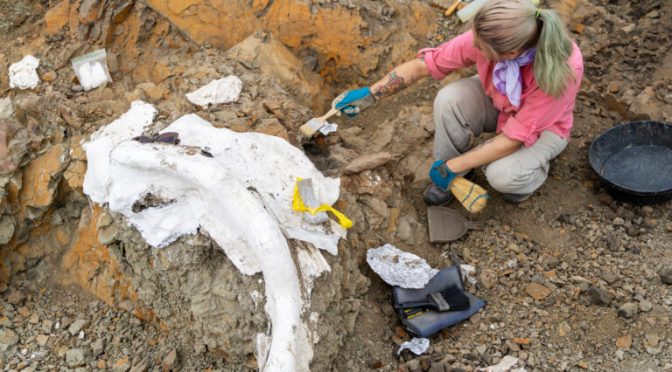
“It’s Cretaceous crime scene work: We have a body — how did it get here?” Kelsie Abrams, Fossil Lab Manager for the UW’s Burke Museum of Natural History and Culture, left her climate-controlled lab to wield jackhammers and shovels on a dusty hillside of the Hell Creek Formation in remote eastern Montana, possibly the best place in the world to find fossils from the Late Cretaceous. In this short film, follow Abrams and the dig team from the field to the lab, as they unravel mysteries from the end of the age of dinosaurs.
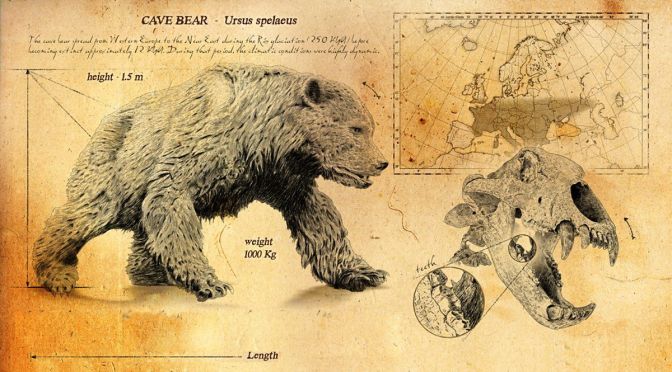
Bears are able to live and sometimes thrive from the North Pole to the tropical rainforests around the equator and although they are largely confined to the forests nowadays, in the not too distant past they dominated grassy plains as well. And in overcoming the challenges of each new habitat they migrated into presented, they have evolved to drastically change diets. Bears evolved from small carnivorous animals and yet have become omnivorous, insect eaters, or have a diet occupied entirely of plant foods. So how have bears been able to evolve to eat almost any food in a very small amount of time.
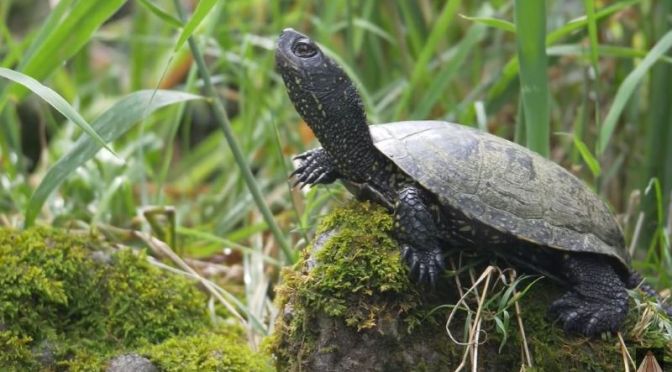
Turtle evolution has caused many problems for scientists over the years due to multiple fossil discoveries seeming to contradict each other with different turtle features evolving independently on different turtle ancestors. However, although there is still work to be done this video sets out to explain what is known so far.
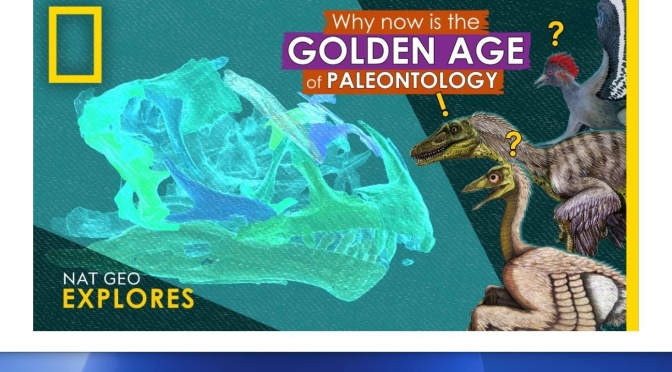
With advancements in technology and access to areas once considered unreachable, the field of paleontology is experiencing a golden age of discovery. Roughly 50 new dinosaur species are found each year, giving us a closer look at their prehistoric world like never before. Our previous understandings of how dinosaurs looked and evolved are being revolutionized, especially in regards to evidence that modern birds descended from dinosaurs. But while it’s exciting to see how incredibly far paleontology has come from the previous generations, it’s equally as thrilling to imagine what new discoveries lie just ahead.
Should anyone be able to dig up and sell dinosaur fossils? It’s a question that’s increasingly being asked as the commercial fossil market booms. WSJ met with fossil hunters and scientists to learn more about this niche market and the big bucks at stake.
News, Views and Reviews For The Intellectually Curious



 Boomers Daily