
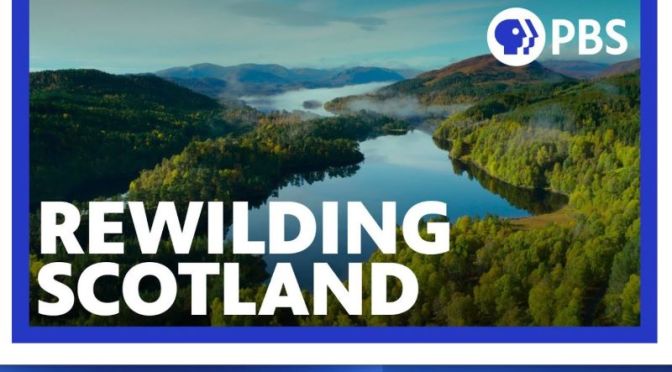
Alan Watson Featherstone, ecologist and founder of “Trees for Life,” describes the moment he realized he needed to help in the effort to rewild Scotland, resulting in the founding of his charity “Trees for Life” to achieve this. Tune in or stream “The Age of Nature” Wednesdays, October 14-28, 2020 at 10/9c.
Tag Archives: Environment

Ocean Resources Video: ‘Deep-Sea Mining And The Environment’ (Economist)
Mining companies and governments will soon be allowed to extract minerals from the deep-ocean floor. These rare metals are vital for a more environmentally sustainable future on land, but at what cost to the health of the ocean?
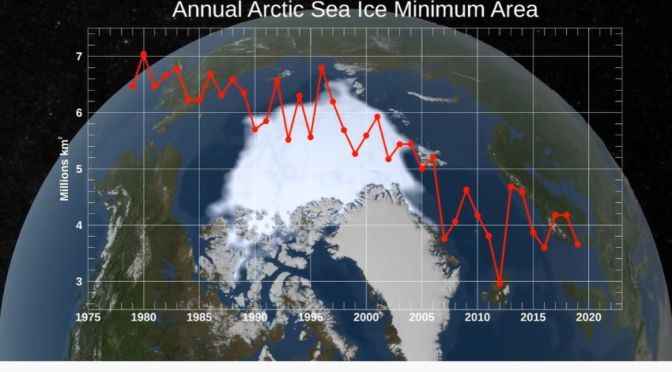
Environment Videos: NASA Reports Rising Arctic Temps, Low Sea Ice In 2020
On Sept. 15, 2020, Arctic sea ice reached its annual minimum extent — the second-lowest on record. This summer, temperatures soared in the Siberian Arctic, and intense fires burned through peatland. The Arctic region is warming three times faster than the rest of the planet.
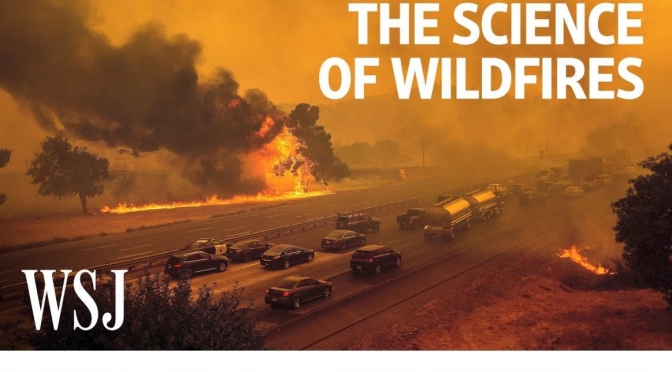
New Environment Videos: “The Science Of Wildfires”
Global satellite data indicate wildfires are becoming bigger and more intense. WSJ talks with NASA’s Doug Morton to understand the science behind what’s making the planet more flammable and making fires harder to control.
Noah Berger/Associated Press
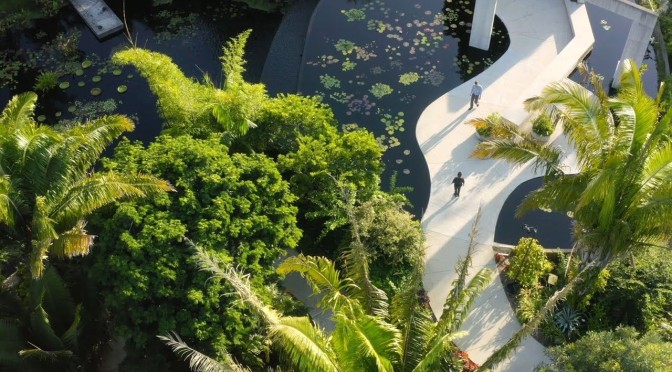
Conservation: “How To Increase Water Efficiency At Home” (NatGeo Video)
We’re facing a water shortage in the United States, but there’s a few helpful tips you can do at your home and in your gardens to make a difference. Partner Content for Finish.
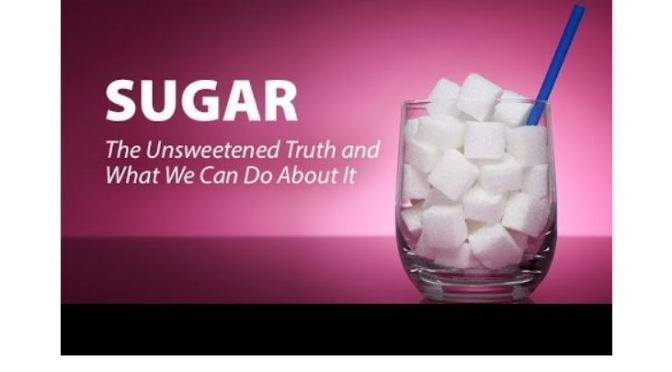
Rise Of Obesity: “Sugar – The Unsweetened Truth”
Obesity is at the root of silent epidemics such as type 2 diabetes and nonalcoholic fatty liver disease.
Laura Schmidt explores the causes and solutions, taking lessons from tobacco: reducing the availability of harmful substances reduces consumption, thereby reducing harms to health. She talks about the UCSF Healthy Beverage Initiative and the effects it has had on employee health.
Recorded on 02/13/2020. [5/2020] [Show ID: 35586]
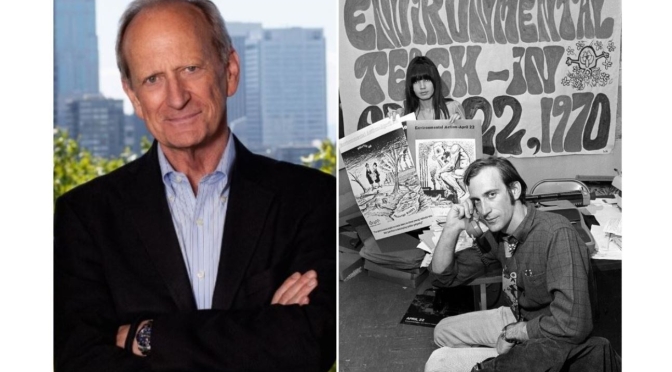
Interviews: 75-Year Old Earth Day Founder Denis Hayes – “How It Began”
From a Rolling Stone Magazine Interview (April 22, 2020):
 Well, in 1970, things were vastly more limited. We had three dominant television networks, and also public broadcasting. We had a handful of national newspapers and the wire services. News magazines were much more important than now. That was pretty much it.
Denis Hayes is the Mark Zuckerberg of the environmental movement, if you can imagine Mark Zuckerberg with a conscience and a lot less cash. Like Zuckerberg, Hayes dropped out of Harvard to start an eccentric and unpromising venture. Zuckerberg’s was called Facebook, which he launched in 2004; Hayes’ was called Earth Day, which he founded in 1970.
Hayes is a child of the Sixties. He grew up in a small town on the Columbia River in Washington state, where his father worked in a paper mill and Hayes saw firsthand the toxic consequences of the collision between industry and nature: dirty air, spoiled streams, dead fish. He drifted through college, bummed around in Asia and Africa, and thought deeply about the role of humans in the natural world.
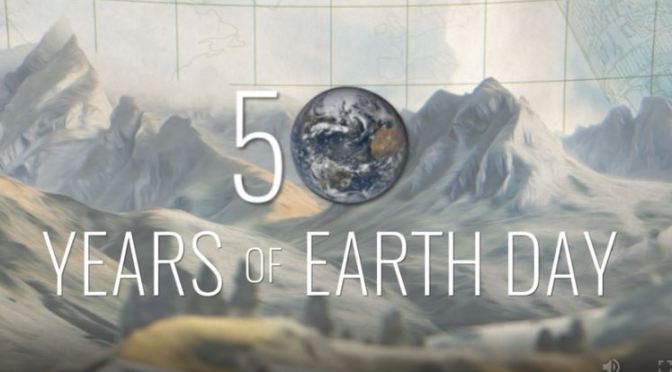
Environment: “NASA Looks Back At 50 Years Of Earth Day” – April 22, 2020 (Video)
It’s been five decades since Apollo 8 astronaut William Anders photographed Earth peaking over the Moon’s horizon. The iconic image, dubbed Earthrise, inspired a new appreciation of the fragility of our place in the universe. Two years later, Earth Day was born to honor our home planet. As the world prepares to commemorate the 50th anniversary of Earth Day, NASA reflects on how the continued growth of its fleet of Earth-observing satellites has sharpened our view of the planet’s climate, atmosphere, land, polar regions and oceans.
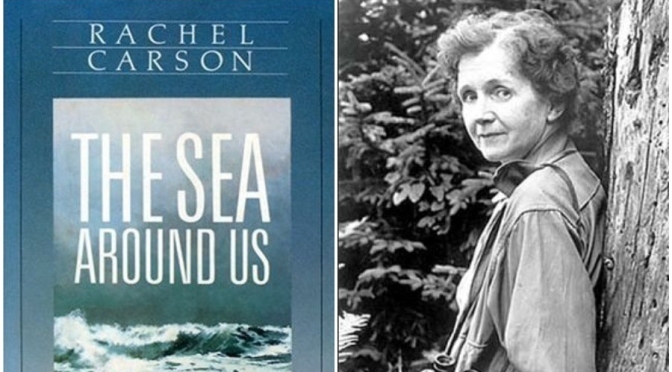
Literary Tribute: Rachel Carson “Dreams Of The Sea” (The New Yorker)
 Before she published “Silent Spring,” one of the most influential books of the last century, Rachel Carson was a young aspiring poet and then a graduate student in marine biology. Although she couldn’t swim and disliked boats, Carson fell in love with the ocean. Her early books—including “The Sea Around Us,” “The Edge of the Sea” and “Under the Sea Wind”—were like no other nature writing of their time,
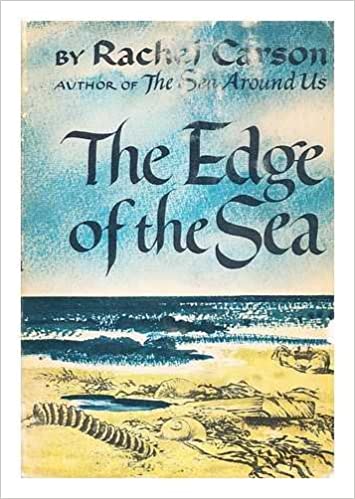 Jill Lepore says: Carson made you feel you were right there with her, gazing into the depths of a tide pool or lying in a cave lined with sea sponges. Lepore notes that Carson was wondering about a warming trend in the ocean as early as the 1940s, and was planning to explore it after the publication of “Silent Spring.” If she had not died early, of cancer, could Carson have brought climate change to national attention well before it was too late?
Excerpts from Carson’s work were read by Charlayne Woodard, and used with permission of Carson’s estate.
Rachel Louise Carson (May 27, 1907 – April 14, 1964) was an American marine biologist, author, and conservationist whose book Silent Spring and other writings are credited with advancing the global environmental movement.
Carson began her career as an aquatic biologist in the U.S. Bureau of Fisheries, and became a full-time nature writer in the 1950s. Her widely praised 1951 bestseller The Sea Around Us won her a U.S. National Book Award, recognition as a gifted writer, and financial security. Her next book, The Edge of the Sea, and the reissued version of her first book, Under the Sea Wind, were also bestsellers. This sea trilogy explores the whole of ocean life from the shores to the depths.
Late in the 1950s, Carson turned her attention to conservation, especially some problems that she believed were caused by synthetic pesticides. The result was the book Silent Spring (1962), which brought environmental concerns to an unprecedented share of the American people. Although Silent Spring was met with fierce opposition by chemical companies, it spurred a reversal in national pesticide policy, which led to a nationwide ban on DDT and other pesticides. It also inspired a grassroots environmental movement that led to the creation of the U.S. Environmental Protection Agency. Carson was posthumously awarded the Presidential Medal of Freedom by President Jimmy Carter.


 Boomers Daily