The overall winner, by William Davies: ‘Brecon in Winter’, Brecon Beacons National Park, Wales. Dawn sunlight warms up a winter’s morning in the Brecon Beacons.
‘Rough and Tumble’ Photo by Lloyd Lane Photography (www.lloydlane.uk), runner-up in the 2022 Landscape Photographer of the Year.
Tryfan by Aled Lewis. A photo of the iconic Tryfan in Snowdonia National Park.
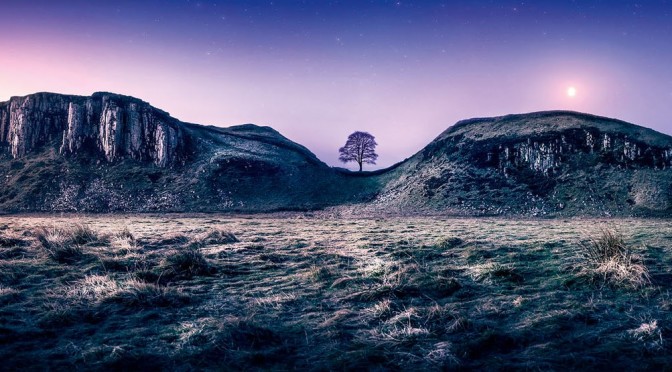
‘Sycamore Gap Sun and Moon’, by Brian Eyler. Sycamore Gap Sun and Moon. Northumberland, England.
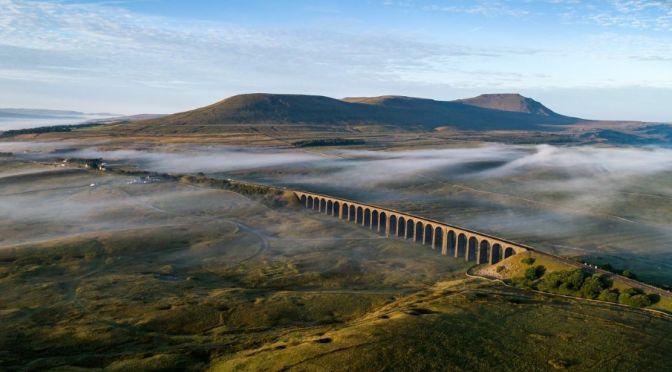
The Yorkshire Dales is home to outstanding scenery, great castles, abbeys and a breathtakingly peaceful atmosphere. At its heart are two very special protected areas – Yorkshire Dales National Park and Nidderdale Area of Outstanding Natural Beauty (AONB) – as well as it having the Forest of Bowland AONB and North Pennines AONB as its close neighbours. These protected areas are truly not to be missed.
“Yorkshire Dales, a home to 20000 people and 600000 sheep. The Dales is group of river valley in north England, each valley having its own character. This short film shows variety of seasons in the Dales and typical Yorkshire Dales landscape, such as drystone walls, wildflower meadows and limestone pavements.”
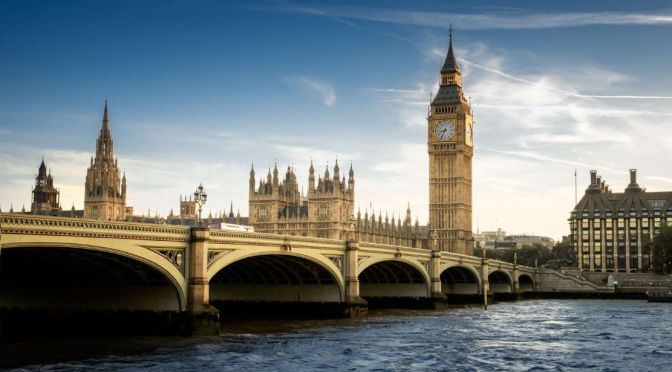
DW Euromaxx – After years of renovation work, London’s famous landmark finally sounds again: Big Ben! We take you on a tour of the inside of the tower and reveal five secrets about it. This much in advance: The tower is not called Big Ben…
Big Ben is the nickname for the Great Bell of the striking clock at the northeast end of the Palace of Westminster. The nickname is frequently extended to refer also to the clock and to the entire clock tower.
In 2012, the official name of the tower was changed to “Elizabeth Tower” to commemorate the Queen’s Diamond (60th year as queen) Jubilee.
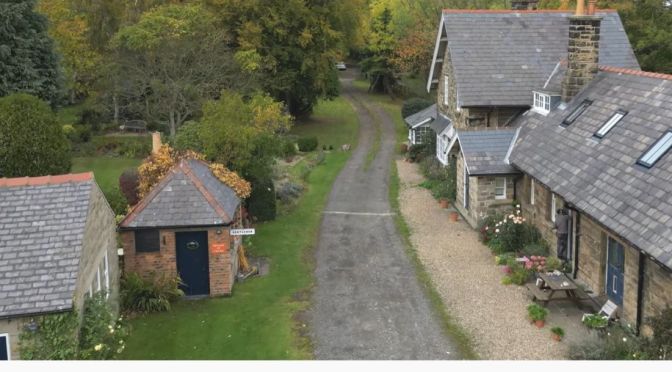
ScarboroughTourist – The Scarborough & Whitby Railway was a railway line from Scarborough to Whitby in North Yorkshire, England. The line followed a difficult but scenic route along the North Yorkshire coast.
The line opened in 1885 and closed in 1965 as part of the Beeching Axe. The route, now a multi-use path, is known as “The Cinder Track”
The track was subsequently lifted in 1968, although speculation about a potential potash mine near Hawsker meant that the track from there to Whitby remained in place until 1972.
The line is now used as a bridleway for cycles, pedestrians and horses, known as the “Scarborough to Whitby Rail Trail”, “Scarborough to Whitby Cinder Track”, or simply “The Cinder Track”.
In the 1980s an area of the former line in the Northstead district of Scarborough was briefly used as football and cricket pitches.
In 2018 plans to spend £3.5 million to repair and improve the Cinder Track were backed by the borough council. The plans would see the route resurfaced, drainage improved and the creation of a new management body to oversee the development of the track. There is also the possibility of introducing a visitor centre, cafe and pay and display parking to generate ongoing funding to maintain the route. Work upgrading the track began in January 2020 and the first stage is now complete.
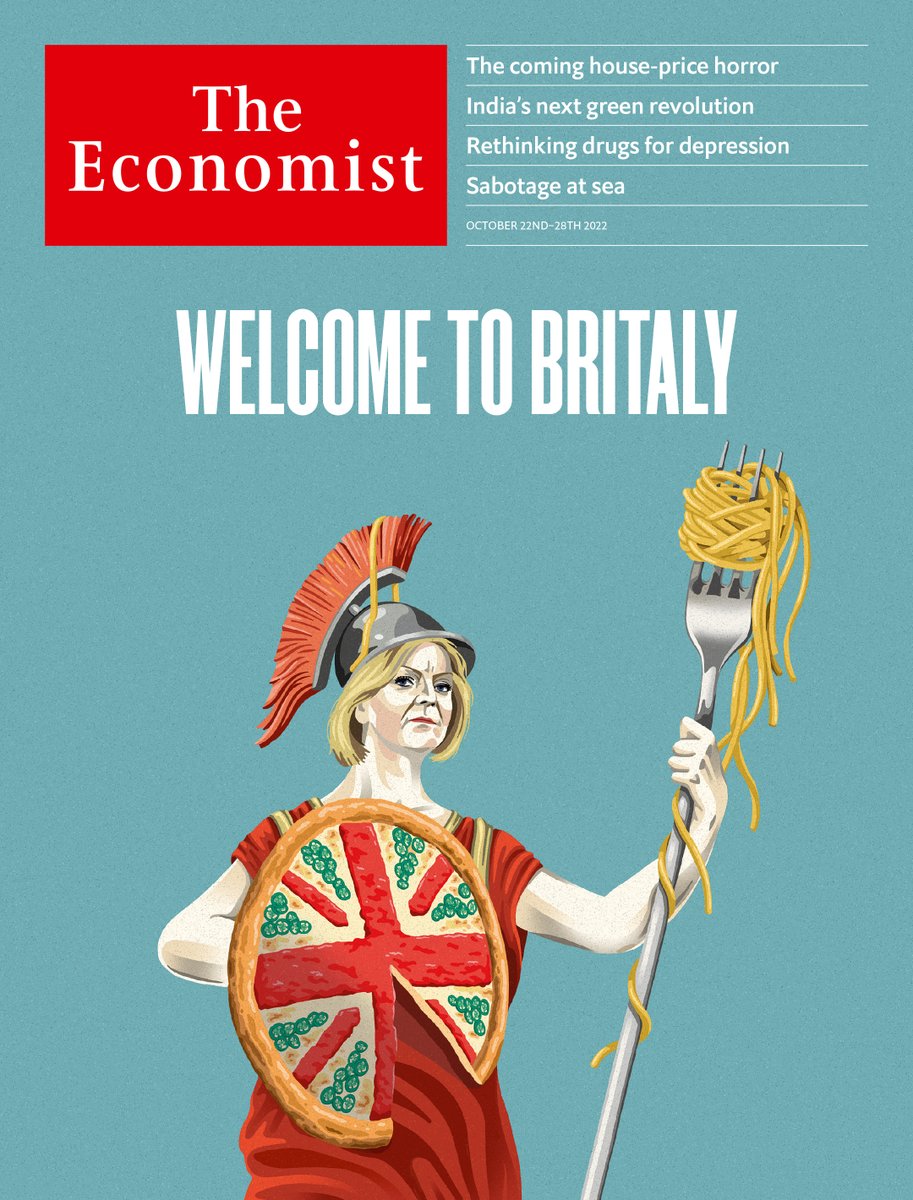
A country of political instability, low growth and subordination to the bond markets
In 2012 liz truss and Kwasi Kwarteng, two of the authors of a pamphlet called “Britannia Unchained”, used Italy as a warning. Bloated public services, low growth, poor productivity: the problems of Italy and other southern European countries were also present in Britain. Ten years later, in their botched attempt to forge a different path, Ms Truss and Mr Kwarteng have helped make the comparison inescapable. Britain is still blighted by disappointing growth and regional inequality. But it is also hobbled by chronic political instability and under the thumb of the bond markets. Welcome to Britaly.
The bus takes about 1.5 hours and takes us on a journey past some breathtaking views of coastal scenery and charming towns such as Newhaven, Peacehaven and Seaford, before arriving in Brighton, a seaside metropolitan located in the Southeast coast of England.
Eastbourne is a resort town on England’s southeast coast. On the seafront are Victorian hotels, the 19th-century Eastbourne Pier and a 1930s bandstand. Towner Art Gallery includes modern British works. Nearby, Redoubt Fortress, built during the Napoleonic Wars, has a military museum. Southwest along the coast, in South Downs National Park, are the tall chalk cliffs of Beachy Head and its striped 1902 lighthouse.
Brighton is a seaside resort and one of the two main areas of the City of Brighton and Hove in the county of East Sussex, England. Brighton is 47 miles south of London. Archaeological evidence of settlement in the area dates back to the Bronze Age, Roman and Anglo-Saxon periods.
Emily Bronte, Anne Bronte, and Charlotte Bronte lived 180 years ago. We visit Bronte Country and walk in the footsteps of the Bronte Sisters, piecing together their tragic short lives as we visit places they lived or frequented. The Brontes wrote some of the most dramatic fiction right here in West Yorkshire and many of the places still exist.
On our walk, we will head to where it all started at the Bronte’s birthplace in Thornton. Visit the school that Charlotte Bronte immortalised as Lowood School in Jane Eyre. See Oakwell Hall which she based Fieldhead on in Shirley. Walk the wild Haworth Moors to Top Withens where Emily Bronte found inspiration for Wuthering Heights, and a whole lot more. All the time telling the story of how the 3 Bronte Sisters came to be the famous writers we all know today.
The Lake District is a region and national park in Cumbria in northwest England. A popular vacation destination, it’s known for its glacial ribbon lakes, rugged fell mountains and historic literary associations. Market towns such as Kendal, Ambleside and Keswick on scenic Derwentwater are bases for exploring the area and home to traditional inns, galleries of local art and outdoor equipment shops.











 Boomers Daily