
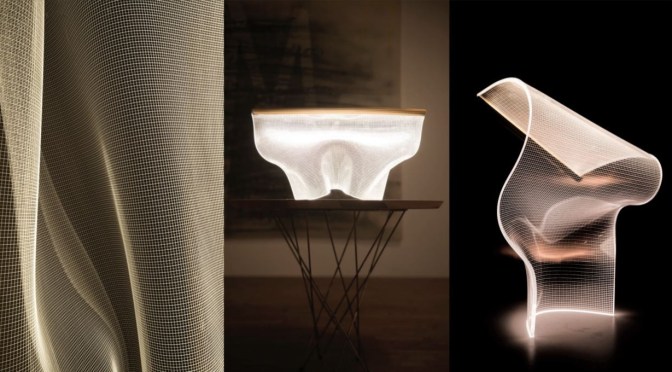
Gweilo is a new collection of custom lights by PARTISANS. Inspired by the idea that light itself could be harnessed and manipulated to create a physical sculpture, PARTISANS developed a design that alters light at its source. Gweilo reimagines illumination to architectural effect.
As spectral sculptures that fold and bend like light rays themselves, the pieces function as accents, dividers, or centerpieces, gracefully delineating space to create an
ethereal atmosphere.

Each Gweilo light is handmade using thermoforming, a technique that allows etched optical grade acrylic sheets to be custom-shaped while they are still in their hot plastic
state. The sheets are heated to just under 400°C, at which point they become molten and pliable. They are immediately removed from the heat source and sculpted to produce a
variety of distinct folds and curves. When the metal extrusion containing an embedded LED strip is affxed to the cooled sheet’s edge, light is diffused across the etchings, amplifying the luminescent output. The result is an infnite set of silhouettes and sizes that emulate the vital movement of light.
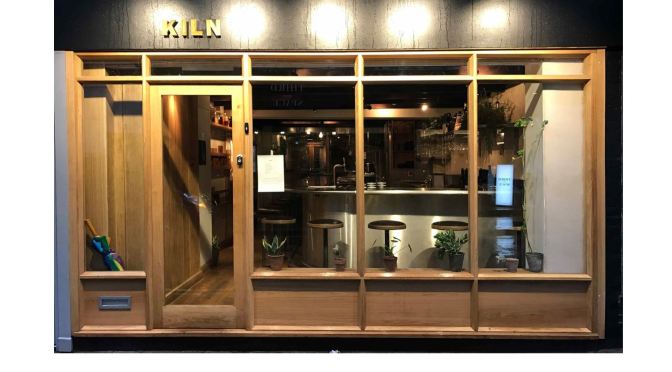
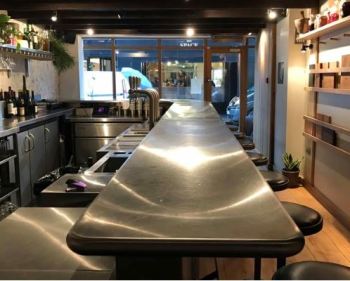 With just four tables, a few counter seats and no reservations, getting a spot at Kiln can be a challenge. But it is one that is absolutely worth the wait.
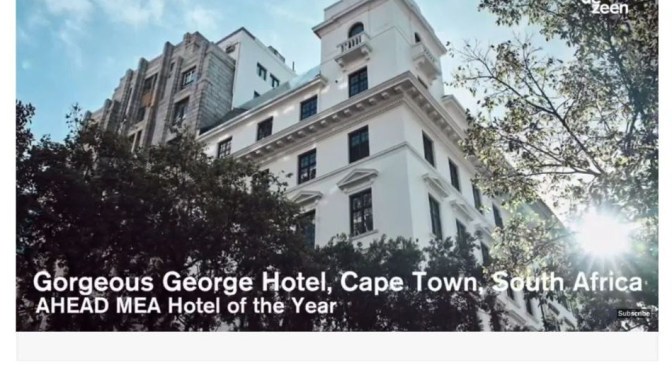
 Middle East and Africa hospitality awards, is a 36-room renovation of a pair of historic buildings in downtown Cape Town, South Africa.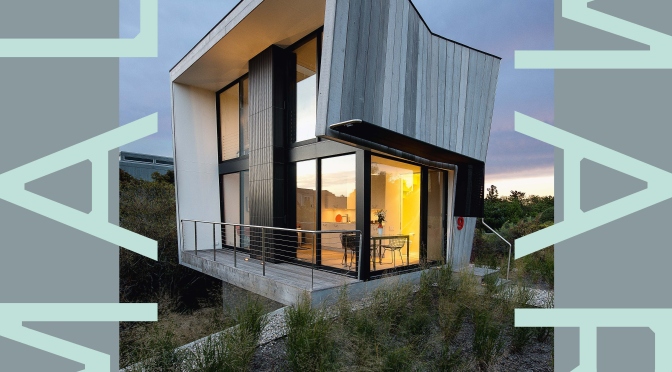
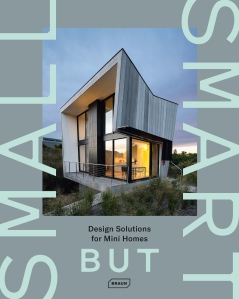 This volume presents a large variety of sophisticated solutions for mini houses in terms of architectural style, construction method and interior design. Whether portable or prefabricated, newly built or reused, rural or urban, they all meet the highest technological and sustainable standards to literally reduce their owners’ ecological footprint.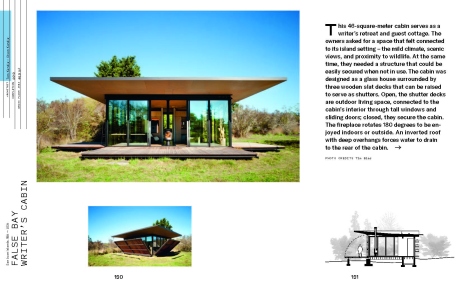
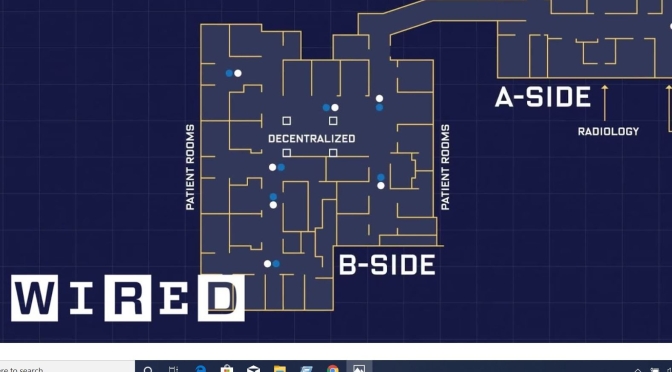
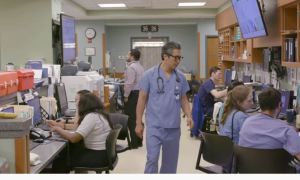 Produced by WIRED Brand Lab with American Institute of Architects | How can design transform emergency rooms from one of the most stressful and chaotic places into a place of healing? Dr. Bon Ku and architect Billie Faircloth, AIA, break down the science behind designing a better work environment for hospitals.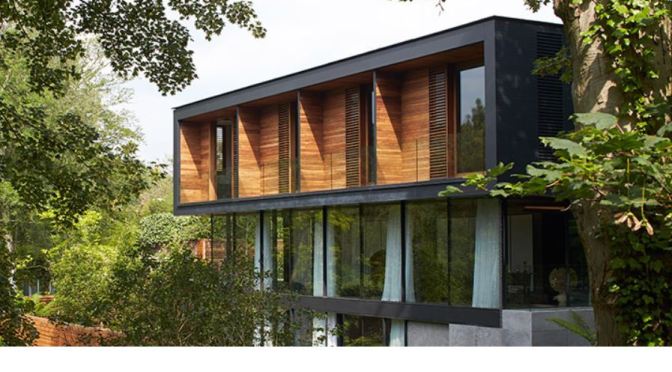
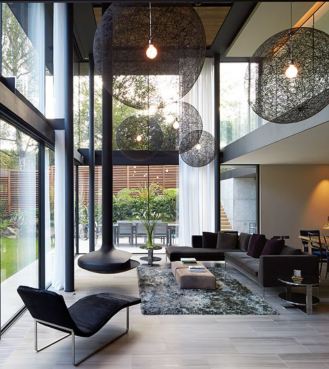 A stunning 6,200 sq ft space, this remarkable and sprawling house rises up through its surrounding landscaped gardens. Described by the Architects’ Journal as having a “beguilingly cave-like relationship to the outside world”, it is a bold vision of contemporary architecture in which the natural world has been thoroughly entwined with the design.
 Recline by the pool, listen to the artificial stream winding its way through the gardens, meander across the footbridge: this home was conceived for those long, dreamy summer days.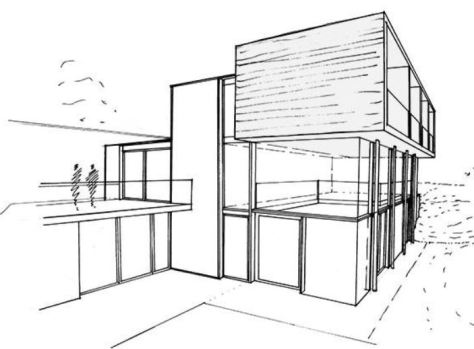


 Lo—TEK, derived from Traditional Ecological Knowledge, is a cumulative body of multigenerational knowledge, practices, and beliefs, countering the idea that indigenous innovation is primitive and exists isolated from technology. It is sophisticated and designed to sustainably work with complex ecosystems.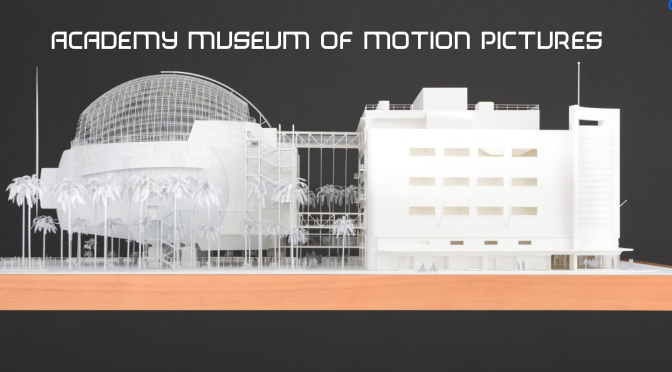
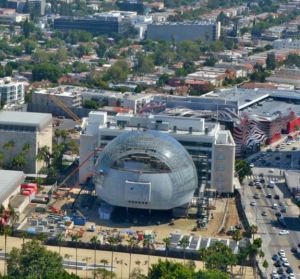 “The Academy Museum gives us the opportunity to honor the past while creating a building for the future—in fact, for the possibility of many futures. The historic Saban Building is a wonderful example of Streamline Moderne style, which preserves the way people envisioned the future in 1939. The new structure, the Sphere Building, is a form that seems to lift off the ground into the perpetual, imaginary voyage through space and time that is moviegoing. By connecting these two experiences we create something that is itself like a movie. You go from sequence to sequence, from the exhibition galleries to the film theater and the terrace, with everything blending into one experience.”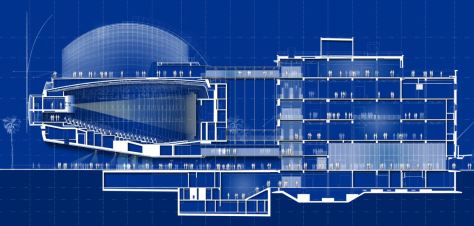
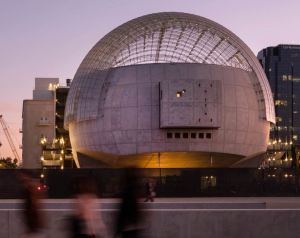 Situated on the famed “Miracle Mile,” the museum will preserve and breathe new life into the former 1939 May Company department store, now re-named the Saban Building. Celebrating its history and imagining new possibilities, the additions to the building that date from 1946 have been removed and replaced with a spherical building that features the 1,000-seat David Geffen Theater and the Dolby Family Terrace with views towards Hollywood. The revitalized campus will feature more than 50,000 square feet of gallery space, two theaters, cutting-edge project spaces, an outdoor piazza, the rooftop terrace, an active education studio, a restaurant, and store.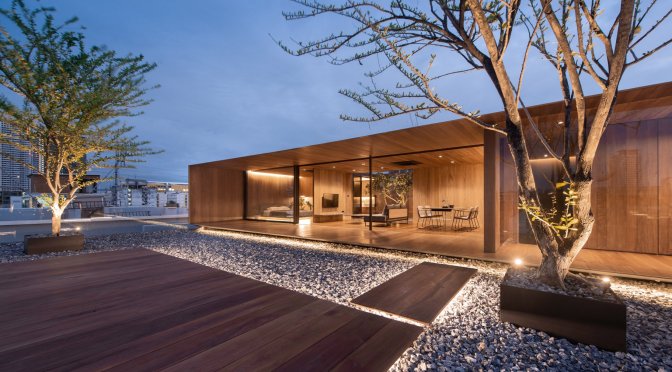
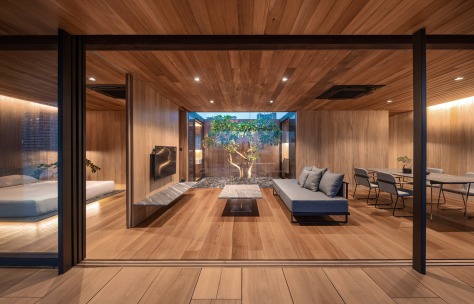
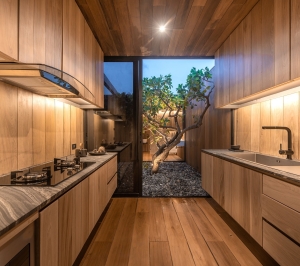 Our idea was not to make this house feel like a building, but to free it from form. We wanted it to be just a borderless box that emerges out of nowhere in the sky, as if the thickness of the wall and roof were non-existent, but still able to make holes in the ceiling to install curtains, air conditioners, and embed lights. Our intention was to give an illusion to onlookers that the entire ceiling was in the same straight line even though we featured a drop ceiling and a slope that was intentionally used to make the wall and ceiling look thin.
 Boomers Daily