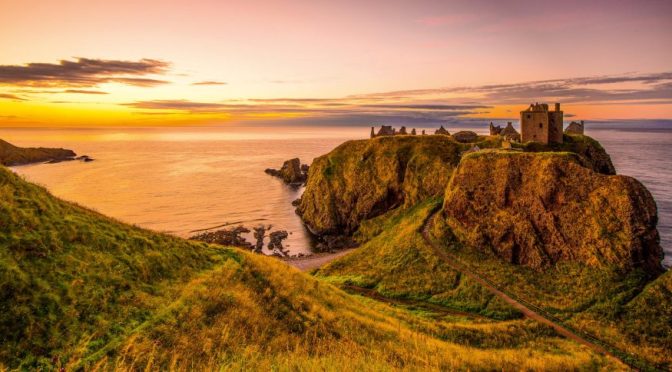
Scotland on film, from Harry Potter and Trainspotting, to its surprise stand-in role as London, New York and San Francisco https://t.co/aXQvtlTI4U pic.twitter.com/OjxblEjUZo
— Country Life (@Countrylifemag) October 9, 2021


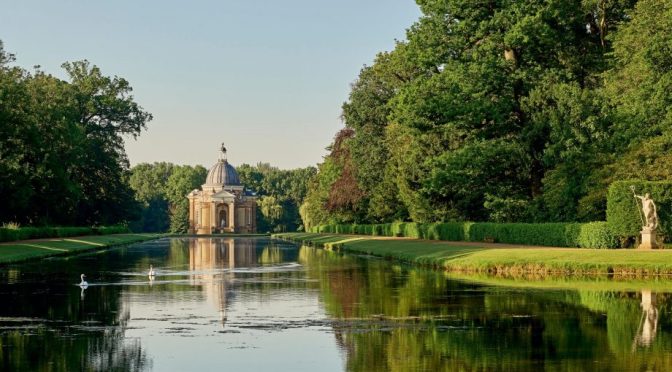
The Archer Pavilion in Wrest Park, Bedfordshire — a place in the care of English Heritage — is one of the most spectacular garden buildings of the English Baroque. Both the pavilion and Thomas Archer, the architect that designed it, are ripe for reappraisal, says Helen Lawrence-Beaton. Photographs by Paul Highnam for Country Life.
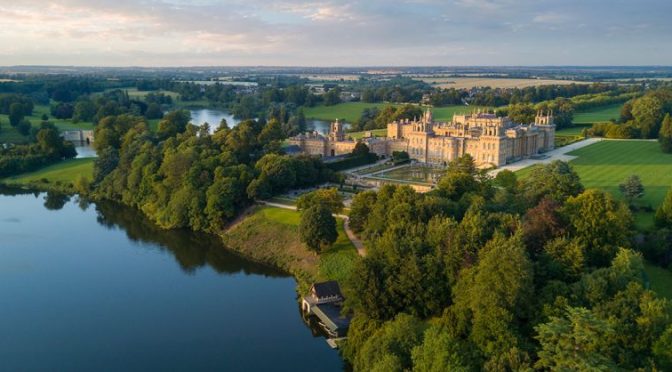
Vast and impersonal country houses, built to create an impression on visitors rather than bestow creature comforts on inhabitants, had been a feature of the English landscape long before Blenheim Palace. Yet this huge complex, the house alone encompassing seven acres of Oxfordshire on completion in 1725, bore comparison with the largest palaces of Europe.
Set to become the historic seat of the Dukes of Marlborough after Queen Anne gifted the manor of Woodstock to the 1st Duke, John Churchill, in 1705, as a reward for his military triumphs, it’s the only English country house — those of bishops aside — that has by longstanding popular consent been accorded the honorific title of palace (it was once described by some as Blenheim Castle).

Read issue
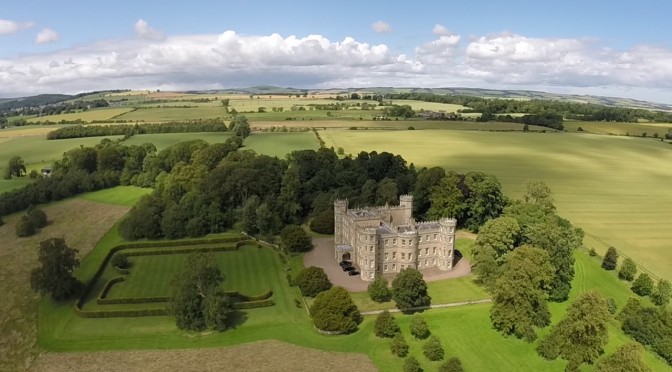
Wedderburn Castle, Berwickshire, is one of Robert Adam’s less familiar commissions — yet just as extraordinary as many of his more famous buildings. Recently rescued from neglect by owners David Home Miller and Catherine Macdonald-Home, it has a fascinating story to tell about the development of his castle style.

The ‘castle style’ of the Georgian era might be said to have been invented by Vanbrugh, who aimed to give ‘something of the castle air’ with his additions to Kimbolton Castle, Huntingdonshire, in 1707–10 .
In practice, that amounted to little more than a battlemented parapet applied to a completely symmetrical building. In the late 18th century, the architect Robert Adam was undoubtedly influenced by Vanbrugh, whose mastery of what he called ‘movement’ in architectural composition — ‘the rise and fall, the advance and recess with other diversity of form, in the different parts of a building’ — he admired (although he deplored the Baroque master’s ‘barbarisms and absurdities’).
William Lee Hankey RWS, RI, ROI, RE, NS was a British painter and book illustrator. He specialised in landscapes, character studies and portraits of pastoral life, particularly in studies of mothers with young children such as “We’ve Been in the Meadows All Day”.
There is a certain ecstasy in flight. Travel with no constraints of speed, boundary or traffic, surmounting geography without effort, looking down like a god or a hawk.
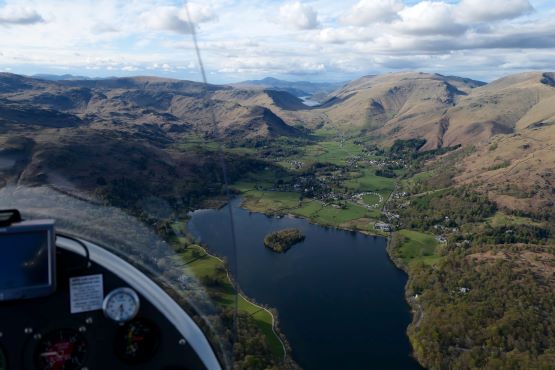
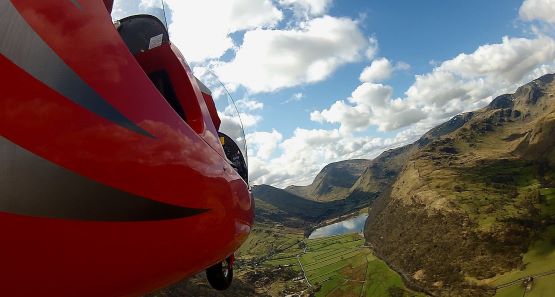
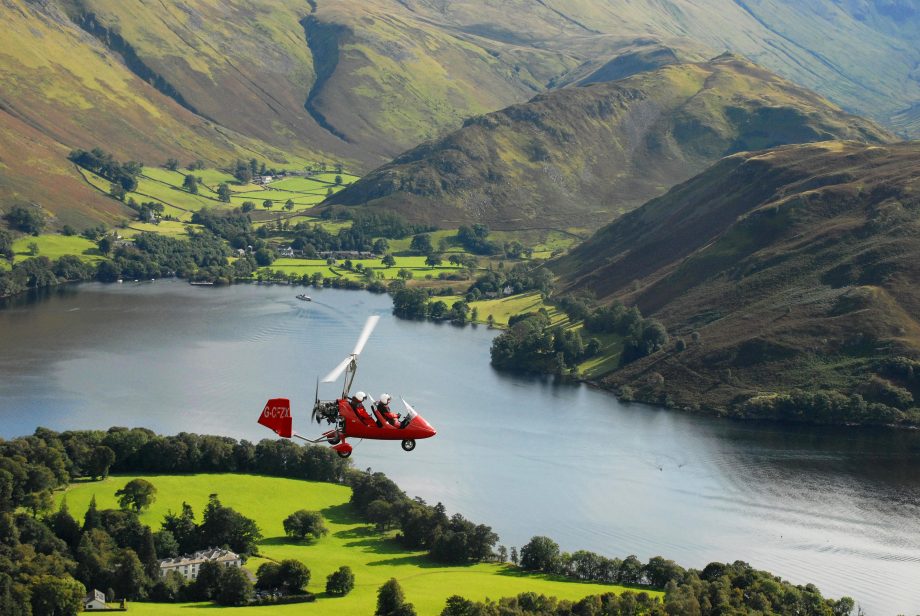
The best place to do this is the Lake District, where I went in June. Modern autogyros (also called gyrocopters) are usually slender aircraft about 3ft wide and 15ft long.
They have no wings. Instead, an unpowered rotor provides lift and a small engine and propeller at the back give forward speed.
Recent video of Lake District autogyro flight:
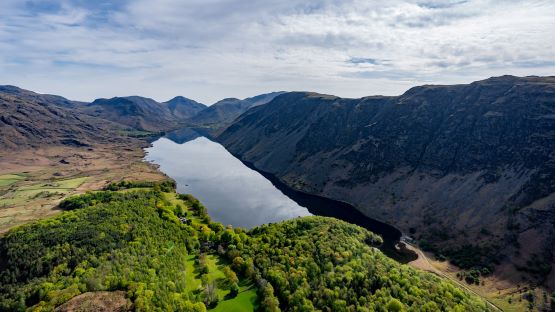
The delights of our flight were marvellous: floating buoyant in the summer air, deftly absorbing or avoiding updrafts and downdrafts, thrumming softly over the tapestry of lakes and fells, skimming steep, dun-coloured slopes or the meadows where poets wandered, Ruskin enthused and Beatrix Potter conjured small animals to human life.




 Boomers Daily