
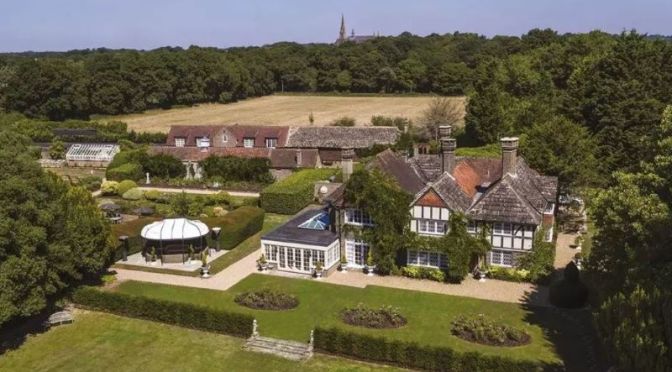
According to its Historic England listing, the present Grade II-listed manor house dates from the 17th century or earlier, although the original manor of Morley was one of three Shermanbury manors listed in the Domesday survey.


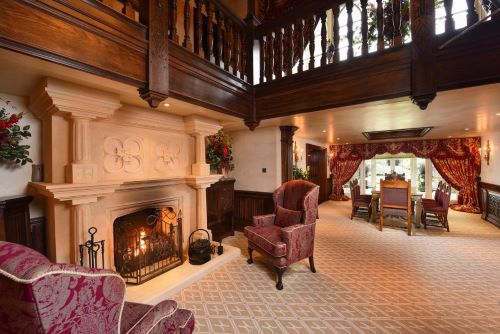

Restored, enlarged and partly rebuilt over the years, Morley Manor stands in 14¼ acres of pristine gardens, grounds and post-and-railed paddocks, with southerly views to the South Downs.
It offers more than 6,900sq ft of sumptuously refurbished living space, including a large reception hall and four reception rooms.
The equestrian facility includes a stable courtyard with 11 stables, a heated rug room, a horse wash-down bay with hot and cold water, a heated tack room (what bliss!), a separate oak tack room and two first-floor apartments.






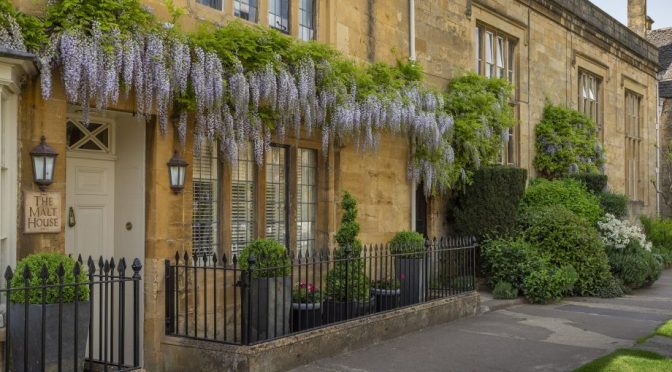
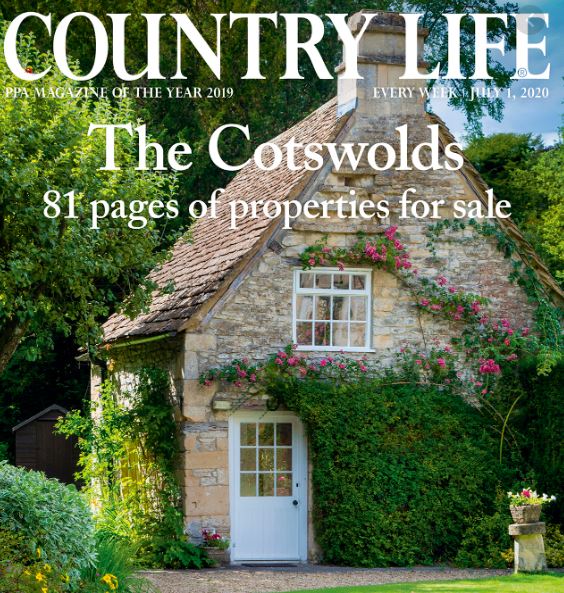 Chipping Campden is a town charmed by limestone. Its walls dance by the light of the dying day… Chipping Campden’s High Street is best viewed from the covered market of 1627, looking up towards the church tower. The houses are of a creamy local limestone. Walls are offset by grey-brown roof tiles and white woodwork, fronted by foxgloves, hydrangeas and a skirt of lawn.’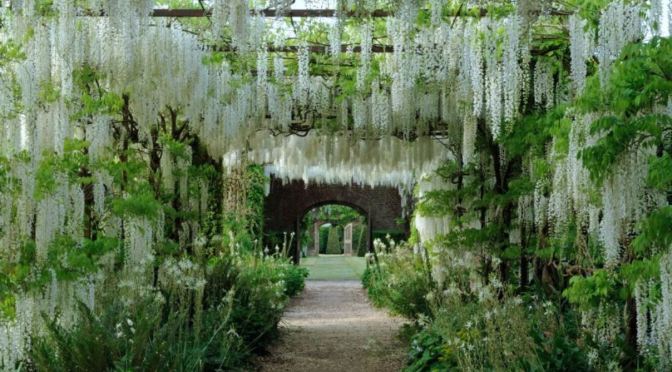
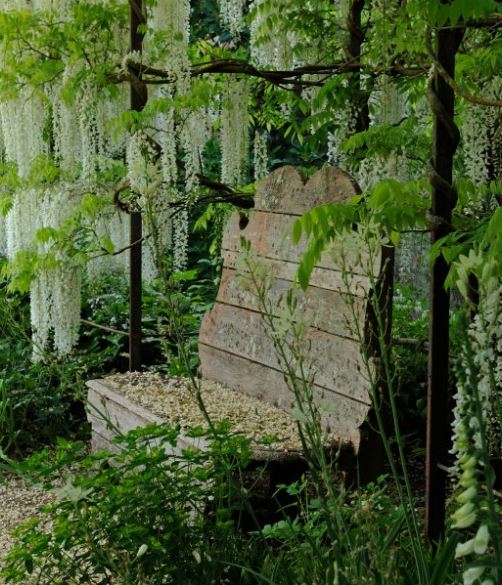 The wisteria at Petworth’s private garden is simply astonishing. Non Morris takes a look at how it’s done, with pictures by Val Corbett.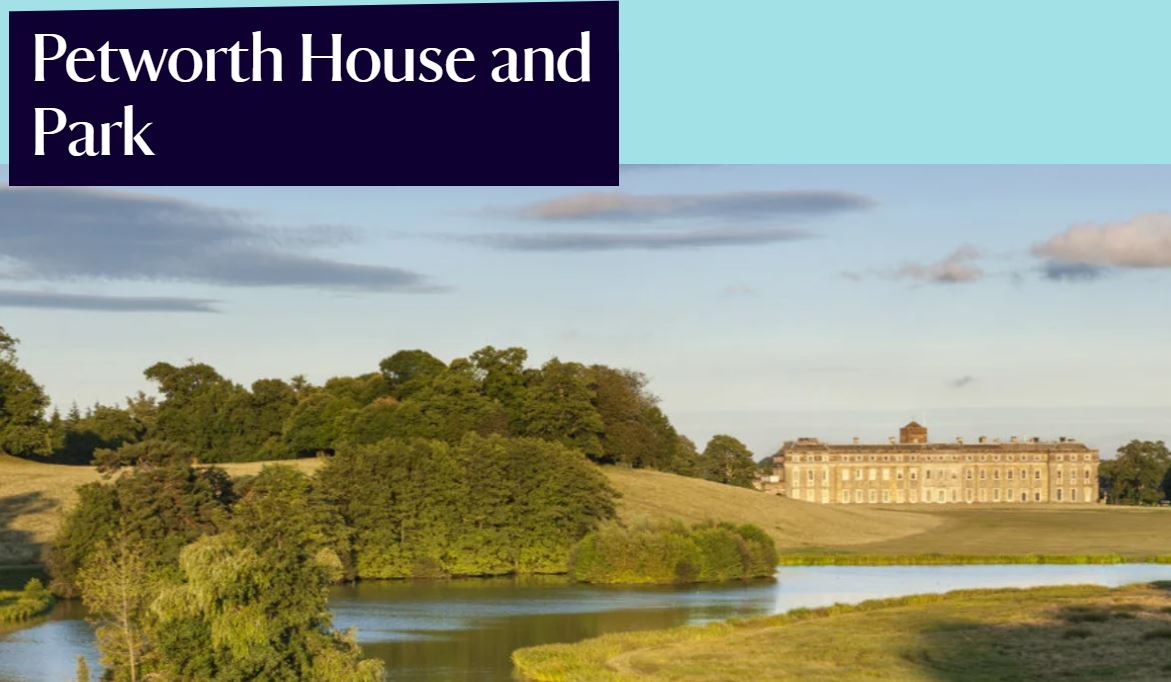
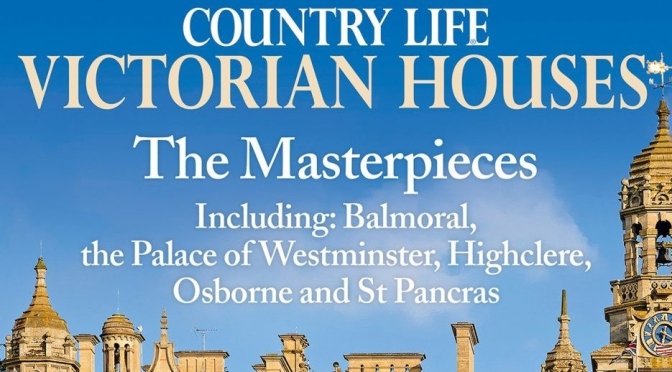
 First published in 1897, Country Life is itself a late-Victorian institution. What could be more appropriate, therefore, than to celebrate this anniversary with a collector’s issue of articles and photographs from the magazine’s archives?
 Boomers Daily