


Tag Archives: Coronavirus
Wednesday Podcast: Virus Misinformation, 2020 Election & Surveillance
 The spread of misinformation is crippling our fight against the coronavirus. Social media and a deeply partisan divide are fueling what the World Health Organization calls an “infodemic,” which is just as urgent as the virus itself.
- Plus, the 2020 election could determine the future of the Keystone XL and Dakota Access pipelines.
- And, going back to work might require getting used to surveillance and data collection in the workplace.
- Guests: Axios’ Bryan Walsh, Ben Geman, and Erica Pandey
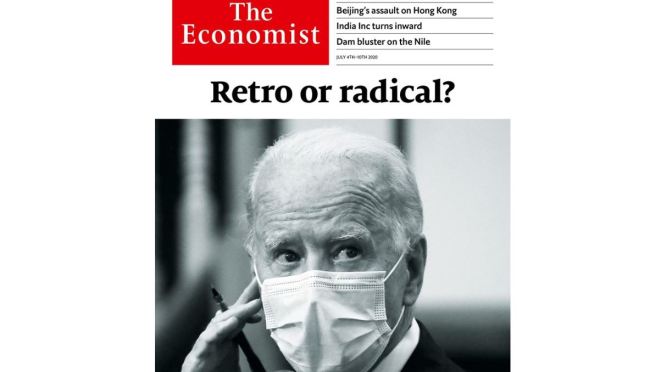
World News: Joe Biden, Coronavirus Waves & Putin’s Russia (Economist)
 A selection of three essential articles read aloud from the latest issue of The Economist. This week, Joe Biden: Retro or radical? (9:34), the world is not experiencing a second wave of covid-19—it never got over the first (15:25), and a phoney referendum shows that Putin’s legitimacy is fading.

Covid-19 Update Podcast: Researchers Simulate New Outbreaks “Military-Style”
 Researchers have run numerous military-style simulations to predict the consequences of fictitious viral outbreaks. We discuss how these simulations work, what recommendations come out of them and if any of these warnings have been heeded.
24:08 One good thing
Our hosts pick out things that have made them smile in the last week, including audience feedback, the official end of the Ebola outbreak in the northeastern Democratic Republic of the Congo, and an enormous t-shirt collection.
News: World’s second-deadliest Ebola outbreak ends in Democratic Republic of the Congo
28:50 The latest coronavirus research papers
Benjamin Thompson takes a look through some of the key coronavirus papers of the last few weeks.
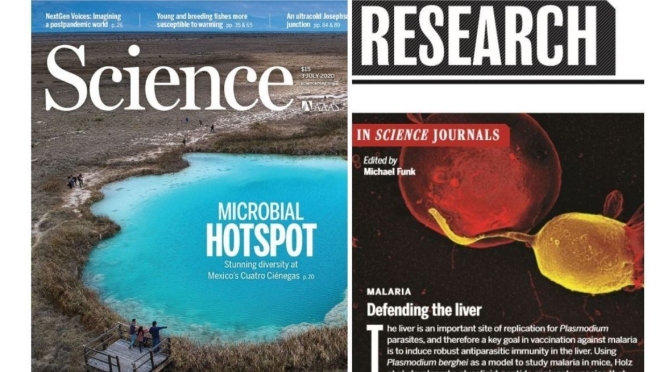
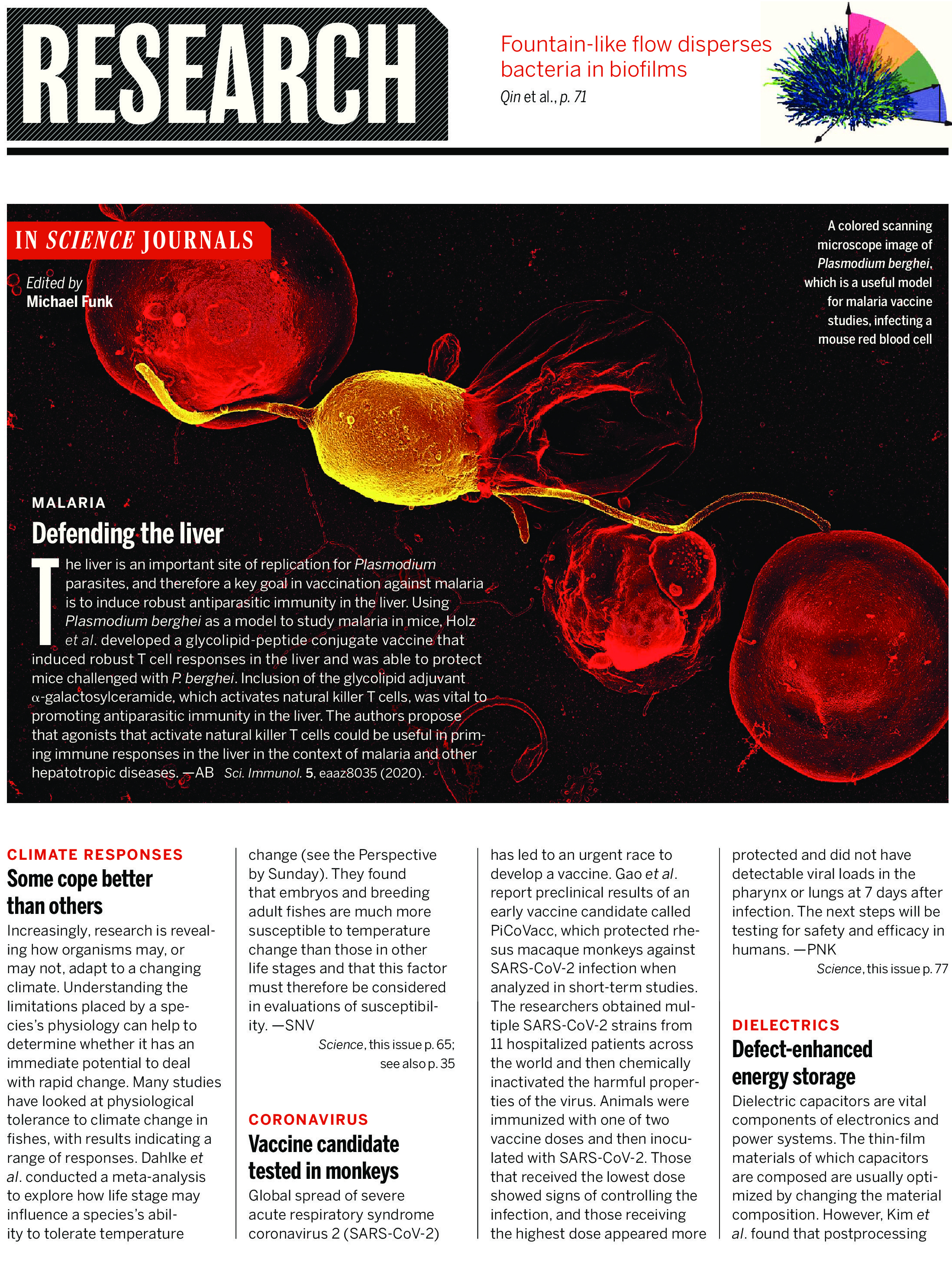
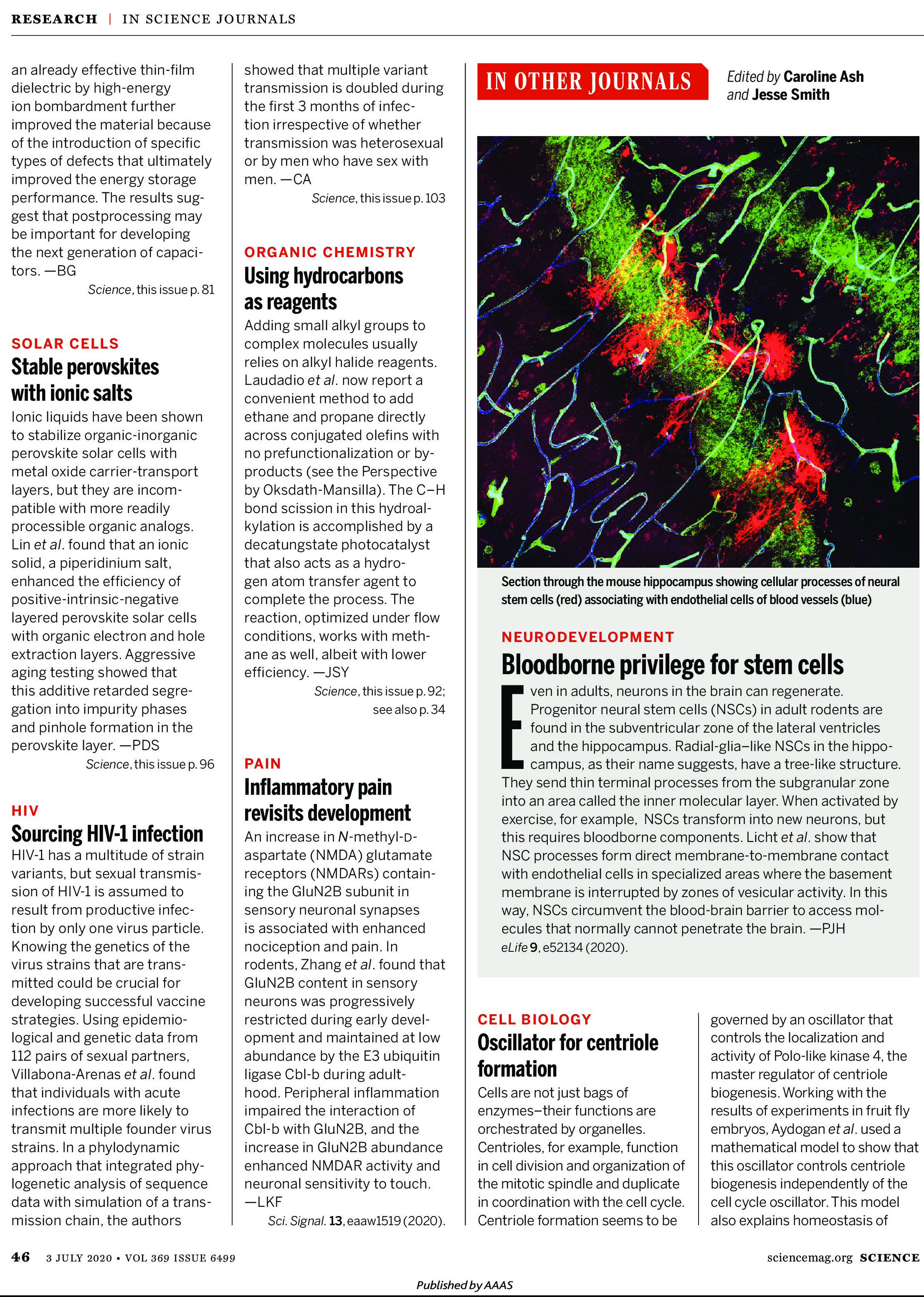
TOP JOURNALS: RESEARCH HIGHLIGHTS FROM SCIENCE MAGAZINE (July 3, 2020)
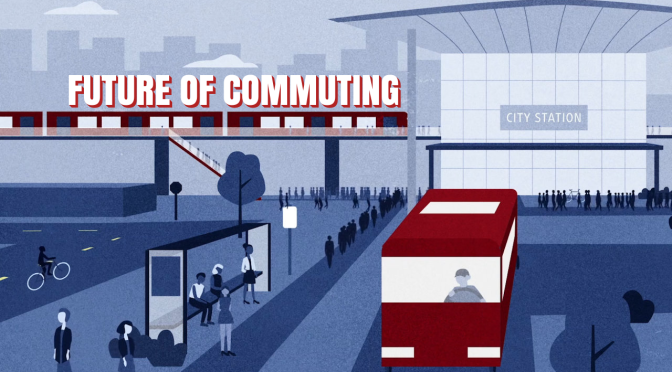
Transportation: “How Covid-19 Is Changing Everyday Commuting”
Traveling on trains and buses means potential exposure to the coronavirus, so cities are racing to make their public transit systems safe. WSJ explores how things like sanitizing robots, working from home and expanded bike lanes are changing our commutes. Video/Illustration: Jaden Urbi and Zoë Soriano.
Coronavirus Update: State Of The Pandemic After Six Months (Nature Podcast)
 We take a look back over the past six months of the pandemic, and discuss how far the world has come. It’s been a period of turmoil and science has faced an unprecedented challenge. What lessons can be learned from the epidemic so far to continue the fight in the months to come?
Also in this episode:
12:55 Unanswered questions
After months of intensive research, much is known about the new coronavirus – but many important questions remain unanswered. We look at the knowledge gaps researchers are trying to fill.
Nature Medicine: Real-time tracking of self-reported symptoms to predict potential COVID-19
20:36 How has lockdown affected fieldwork?
The inability to travel during lockdown has seriously hampered many researchers’ ability to gather fieldwork data. We hear from three whose work has been affected, and what this means for their projects.

Top New Science Podcasts: Coronavirus Masks, Sled Dogs And Humankind
 Kimberly Prather, an atmospheric chemist at the University of California, San Diego, who studies how ocean waves disperse virus-laden aerosols, joins host Sarah Crespi to talk about how she became an outspoken advocate for using masks to prevent coronavirus transmission. A related insight she wrote for Science has been downloaded more than 1 million times.
Mikkel Sinding, a postdoctoral fellow at Trinity College Dublin, talks sled dog genes with Sarah. After comparing the genomes of modern dogs, Greenland sled dogs, and an ancient dog jaw bone found on a remote Siberian island where dogs may have pulled sleds some 9500 years ago, they found that modern Greenland dogs—which are still used to pull sleds today—have much in common with this ancient Siberian ancestor. Those similarities include genes related to eating high-fat diets and cold-sensing genes previously identified in woolly mammoths. In this month’s book segment, Kiki Sanford talks with Rutger Bregman about his book, Humankind: A Hopeful History, which outlines a shift in the thinking of many social scientists to a view of humans as more peaceful than warlike.

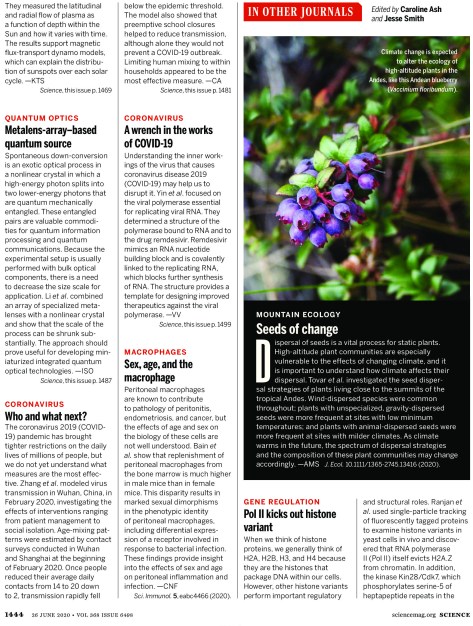
TOP JOURNALS: RESEARCH HIGHLIGHTS FROM SCIENCE MAGAZINE (JUNE 26, 2020)


Post-Covid Cities: “Fear In An Elevator” (CityLab)
As offices and businesses around the world slowly begin to reopen, the spotlight turns to one of the most traditionally uninteresting forms of transportation: the elevator. Modern cities are intrinsically reliant on these vertical transports which, in light of the global pandemic, can carry new risk factors.
 Boomers Daily