

5 Minutes That Will Make You Love the Flute

It’s an instrument based on the most fundamental sign of life: breath. Listen to the best music ever written for it.
The flute is one of humanity’s oldest ways of producing a beautiful sound, and it is based on the most fundamental sign of life: breath. Made from bones, wood or reeds, the earliest specimens date from the Paleolithic era. The flute is often associated with things elegiac, poetic, angelic — with purity — but also with the world of magic; in mythology, Orpheus seduces the underworld playing the flute. In this excerpt from Gluck’s Orpheus opera, the flute is extremely sensual, and, with its lyrical soaring, takes us from earthly pleasures to heavenly ones.
Flute: Julien Beaudiment
Piano: Hugh Sung

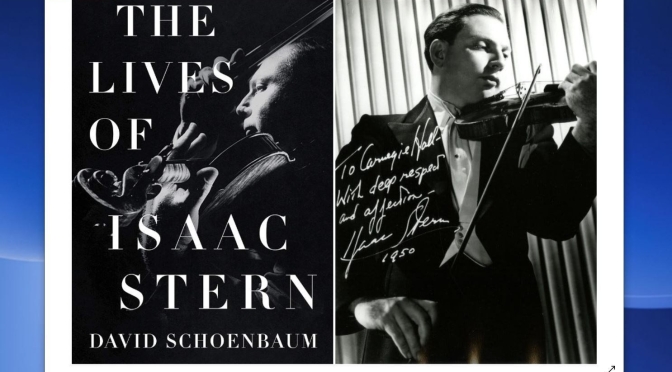
 Tuesday, July 21, marks the centennial of the birth of violinist Isaac Stern. He was not only an acclaimed musician, but a devoted teacher who was a mentor to generations of musicians.

 Rossini’s 1829 opera “William Tell” is rarely performed today, but its Overture lives on as one of the most popular works in the classical repertoire. The Overture is essentially an instrumental suite written in four parts and performed without pause. The best-known section is the last, the allegro vivace, famously used as the rousing theme music for “The Lone Ranger” radio and TV series (and notoriously so in “A Clockwork Orange).
 Ever since
  Boomers Daily