

From net-zero houses to plug-and-play dwellings and converted shipping containers, each chapter explores the varied and exciting ways that architects and designers are using pre-fabricated technology to address today’s living and world challenges.


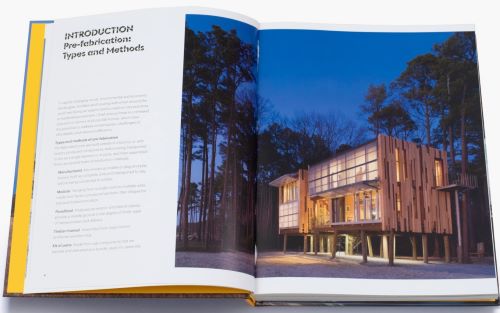
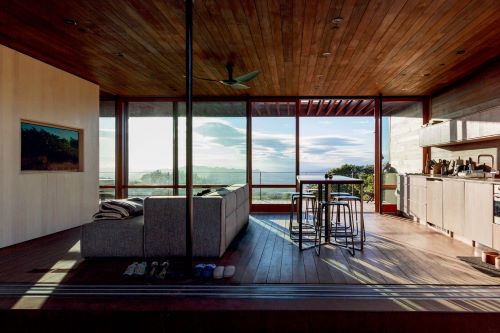
This survey of the world’s most innovative and successful examples of pre-fabricated homes explores the full range of possibilities, open to anyone seeking to find clever and up-to-date solutions for building their own home.
A reference section includes in-depth essays, which explore the latest manufacturing methods, trends and technologies, presenting a wide range of possibilities to suit every need, taste and desire.
Richly illustrated with photography and drawings, with projects selected by a long-time expert in pre-fab architecture, this fresh take on new solutions presents the factory-made house in a new light. Whether designing on a tight budget, crafting something self-sustaining or simply looking for new spatial ideas, this is an essential and future source of inspiration for architects, designers and home-builders.



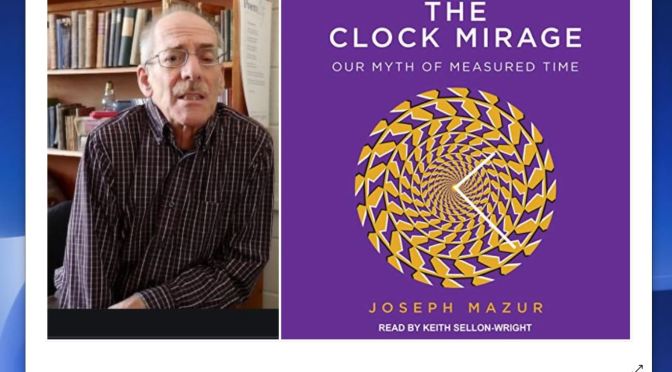
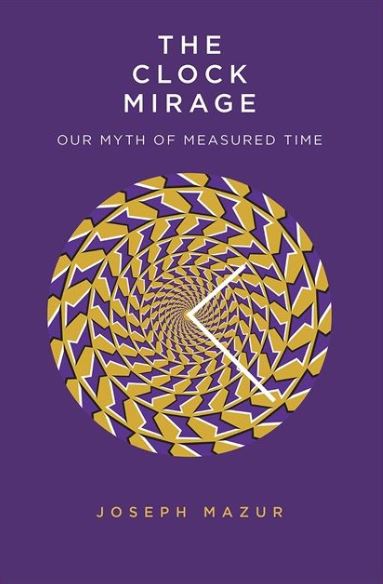 With a narrative punctuated by personal stories of time’s effects on truck drivers, Olympic racers, prisoners, and clockmakers, Mazur’s journey is filled with fascinating insights into how our technologies, our bodies, and our attitudes can change our perceptions. Ultimately, time reveals itself as something that rides on the rhythms of our minds. The Clock Mirage presents an innovative perspective that will force us to rethink our relationship with time, and how best to use it.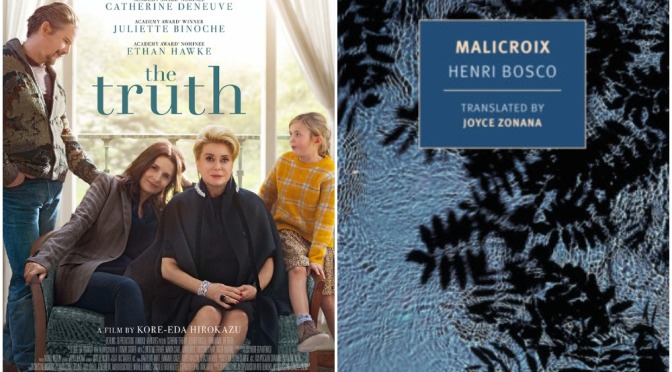
 This week, Medaya speaks with acclaimed filmmaker Hirokazu Kore-eda about his new film, The Truth (La Vérité), starring French film screen legends Catherine Deneuve and Juliette Binoche. Kore-eda discusses complicated family dynamics, the relationship between art and truth-telling and what brought him to France.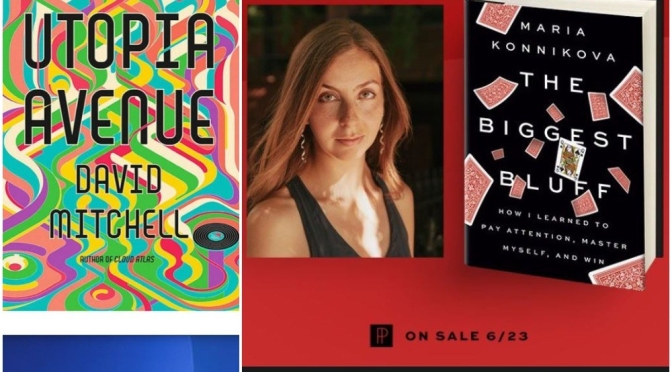
 Daniel Mendelsohn discusses Mitchell’s career and new novel, “Utopia Avenue,” and Maria Konnikova talks about “The Biggest Bluff.”
 “The whole lesson of this pandemic, and the whole lesson of 9/11, is we can’t ignore the world, or if we do ignore the world, it’s at our peril,” Haass says. “These oceans that surround us are not moats. We’ve got to pay attention to the world and we’ve got to fix things here at home.”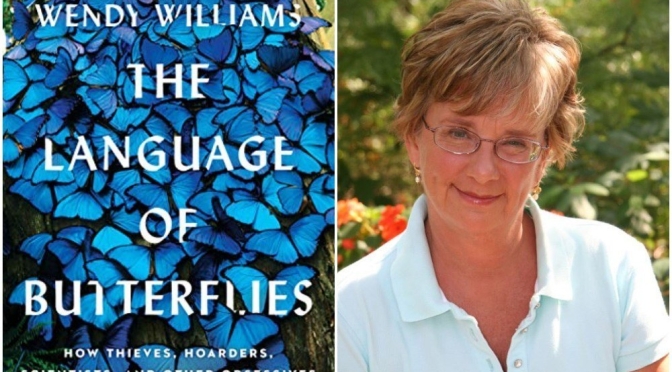
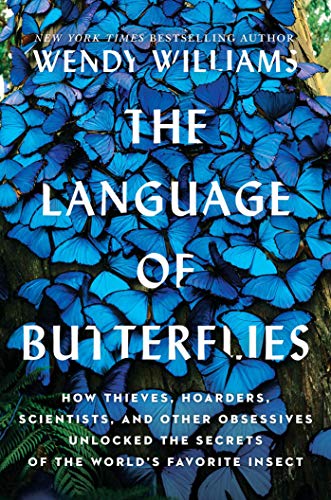 Butterflies are one of the world’s most beloved insects. From butterfly gardens to zoo exhibitions, they are one of the few insects we’ve encouraged to infiltrate our lives. Yet, what has drawn us to these creatures in the first place? And what are their lives really like? In this groundbreaking book, New York Times bestselling author and science journalist Wendy Williams reveals the inner lives of these “flying flowers”—creatures far more intelligent and tougher than we give them credit for.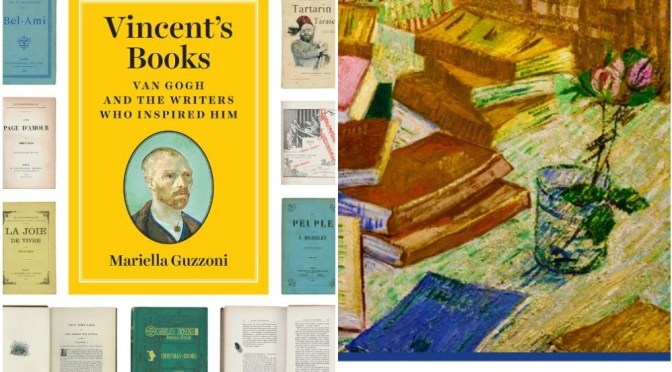
 In his paintings we see books on their own, or books in the company of people or other objects; small, lonely ziggurats of books, or a book beside a candle. That last juxtaposition is telling in the extreme. Vincent had a reverence for books. They were sacred ground. They have a kind of inner glow about them.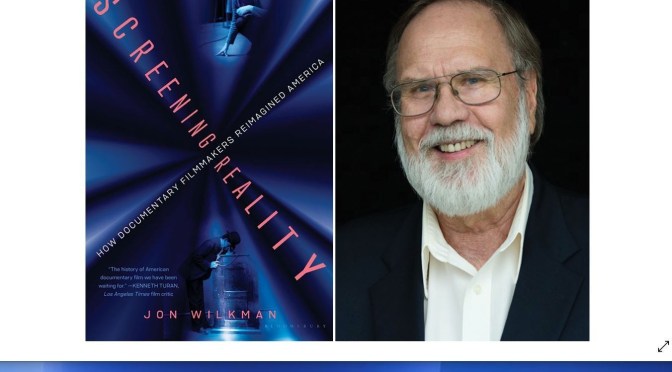
 Boomers Daily