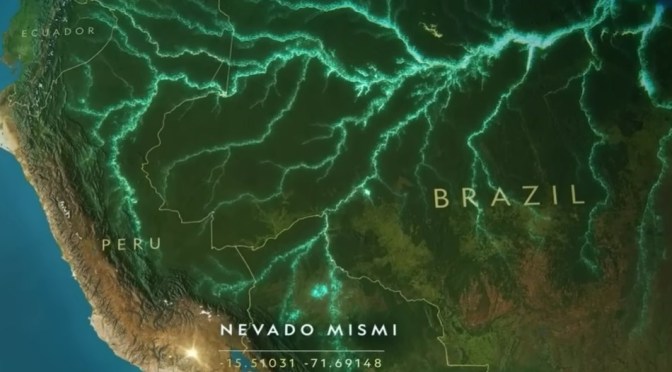
National Geographic (September 24, 2024): Presented by @ROLEX Over the course of two years, teams of Explorers on the Rolex and National Geographic Perpetual Planet Amazon Expedition have studied the Amazon River Basin from source to mouth – across six countries.
In this bonus material to National Geographic’s “Expedition Amazon” documentary, premiering on 10 October, National Geographic Explorers Thomas Peschak, Fernando Trujillo, Thiago Silva and Julia Tavares guide us from the farthest source of the river, the Nevado Mismi in Peru, to the official start of the Amazon at the Brazilian Meeting of the Waters.
Along the way we meet an adored Colombian rescue manatee named Moechi, and travel to rare Bolivian clearwaters, where gilded catfish are plentiful.
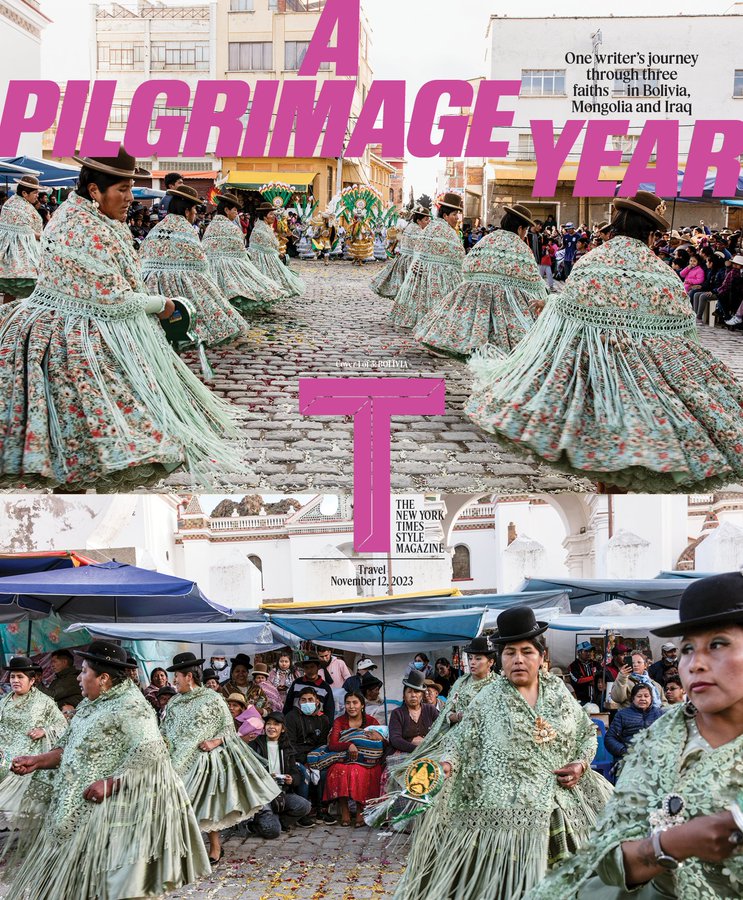
THE NEW YORK TIMES STYLE MAGAZINE (November 12, 2023) – T’S TRAVEL ISSUE features the writer Aatish Taseer embarked on an epic 40,000-mile journey through Bolivia, Mongolia and Iraq. What he learned was less a life-altering revelation and more a lesson in curiosity itself.
A tourist camp about 50 miles east of Erdene Zuu monastery in Mongolia. Richard Mosse
The writer Aatish Taseer embarked on a journey through Bolivia, Mongolia and Iraq. What he learned was less a life-altering revelation and more a lesson in curiosity itself.
Travel, the movement of people from one place to another, has always existed. But long before we thought to travel for pleasure, we traveled for purpose: for commerce, and for faith.
Even the most casual student of the Silk Road, that fearsome, wondrous network of routes that people began plying in the second century B.C. (and did so for approximately the next 1,600 years) knows that the two — business and God, whoever or whatever your god was — often intermingled. Merchants and adventurers returned with new kinds of goods, but also with new kinds of ideas: of art, of architecture, of ideology, of faith. The Silk Road brought Islam to India, and Buddhism to Japan. It’s why travel has always been both thrilling and dangerous. You never know how a new land is going to change you; it never knows how you’re going to change it.
The Island of the Sun in Bolivia’s Lake Titicaca, a pilgrimage site since before the Inca Empire.Credit…Stefan Ruiz
The dozens of books that T writer Aatish Taseer read before his journey through Bolivia, Mongolia and Iraq, and what he learned from each pilgrimage.
Eighteen months ago, when the New York-based T writer at large Aatish Taseer began planning his reporting trips for this month’s three-part feature story — an exploration of religious travel in Bolivia, Mongolia and Iraq — he was already well acquainted with the idea of pilgrimage. His first book, the 2009 memoir “Stranger to History,” opens with what is arguably the world’s best-known faith-motivated journey, the hajj to Mecca, and ends with what he describes as a personal pilgrimage to meet his estranged father in Pakistan. In Delhi, India, where Taseer grew up, quick trips for the purpose of worship were commonplace. “People would do a pilgrimage on an ordinary Sunday,” he says, “instead of going to an amusement park.”
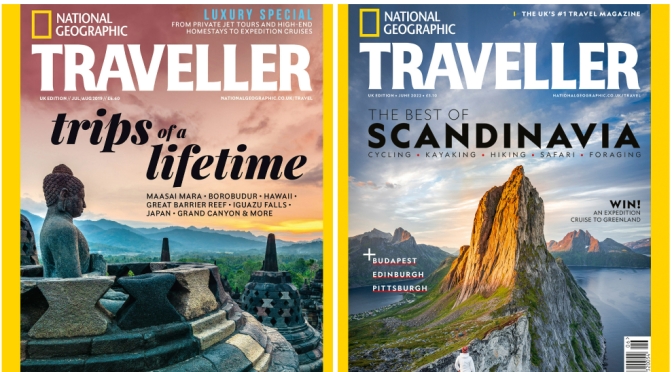
National Geographic Traveller Magazine (July/August 2023): The issue features the best-value safaris available, an off-road journey in Bolivia, three Camino de Santiago itineraries and a weekend in Czech Republic’s South Moravia.
This issue also comes with a free UK & Ireland guide — featuring 52 short breaks around Britain and Ireland, whether it’s cycling in the Peak District or exploring Edinburgh’s finest wine bars.
Also inside this issue:
Bolivia: An off-road take on the classic journey from the Atacama Desert to the Uyuni Salt Flat. Florida: The show must go on in the Sunshine State, be it the Everglades or tropical Keys. Sardinia: Hiking trails, colourful townsand resilient communities from coast to mountains. Camino de Santiago: Retrace ancient pilgrim paths. Jaipur: Art is all around you in Rajasthan’s largest city. Perth: The capital of Western Australia beckons with revitalised public spaces. South Moravia: Germanic villages, ancient forests and wine cellars in the Czech Republic’s south east. Belém: Long overlooked as a culinary destination, this Brazilian city puts the spotlight on Amazonian ingredients. Bali: Where to stay on this popular Indonesian island.
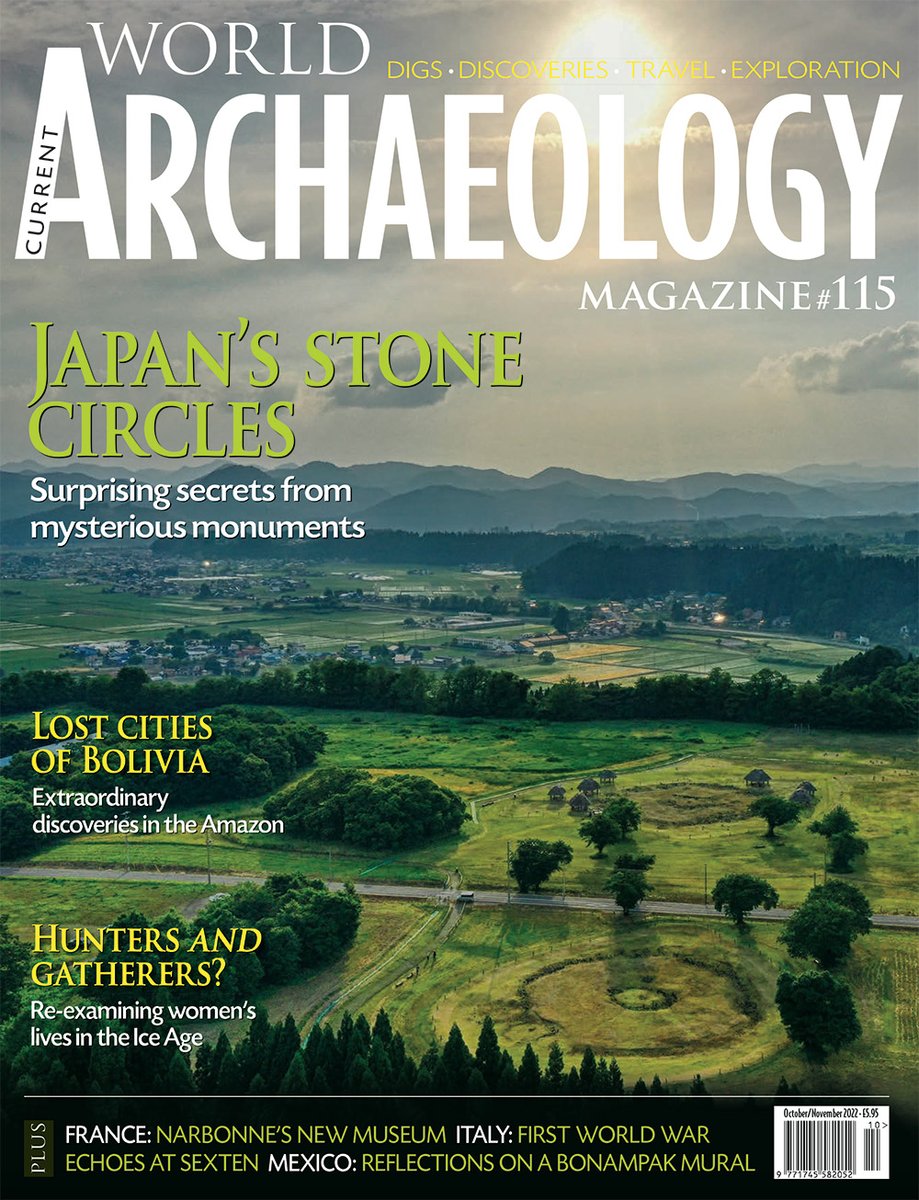
The World Archaeology October 2022 issue explores the secrets of Japan’s stone circles, the lost prehistoric cities of Bolivia, women’s everyday lives in the Ice Age, an idyllic alpine region that saw fierce fighting during the First World War, and much more.
The stone circles of Japan are enigmatic monuments. These structures were created by Jomon hunter-gatherers, mostly from roughly 2500-300 BC, and can be associated with burials, seasonal ceremonies, and solar alignments. Such preoccupations are far from being restricted to Jomon Japan, with study of these circles proving influential when it came to early 20th-century attempts to understand Stonehenge. In our cover feature, we take a detailed look at some of the Jomon stone circles, examining both the monuments themselves, and wider activity in the period.
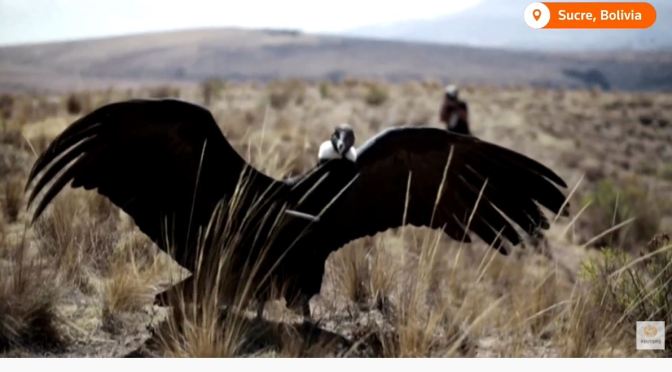
The Andean condor is a South American bird in the New World vulture family Cathartidae and is the only member of the genus Vultur. Found in the Andes mountains and adjacent Pacific coasts of western South America, the Andean condor is the largest flying bird in the world by combined measurement of weight and wingspan. Two Andean condors were released back to the wild in the mountains of Bolivia after they were nursed back to health.
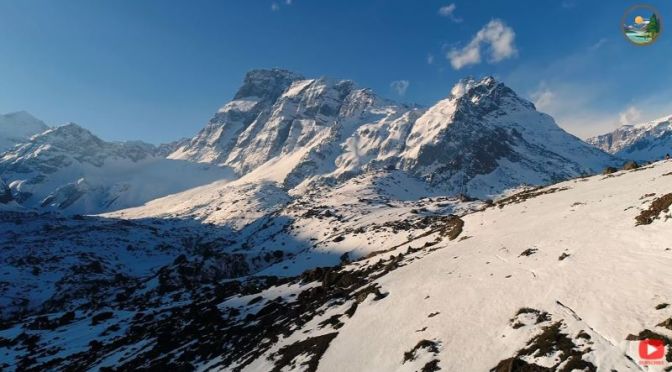
The Andes, running along South America’s western side, is among the world’s longest mountain ranges. Its varied terrain encompasses glaciers, volcanoes, grassland, desert, lakes and forest. The mountains shelter pre-Columbian archaeological sites and wildlife including chinchillas and condors. From Venezuela in the north, the range passes through Colombia, Ecuador, Peru, Bolivia, Argentina and Chile.
Video Highlights 00:55 – Vinicunca Rainbow Mountain 02:07 – Monte Fitz Roy 03:36 – Carunculated caracara bird 05:22 – Uyuni Salt Flat 06:05 – Lonquimay Volcano 07:49 – Maipo Canyon
From giant icecaps far south to bone-dry deserts further north – I traveled 20.000 km across Chile, Argentina, Bolivia and Peru for six months and was blown away by the variety of landscapes on this continent.
But one thing I found that all these climate zones have in common are those massive mountains rising high above their lands. May it be the majestic granite walls of Patagonia, perfectly shaped volcanos in the Atacama desert or some of the high alpine peaks of the Peruvian highlands.
Even though it only captures very few of them, this short timelapse film is a tribute to all those lone peaks in South America. There is still so many more to discover and photograph.
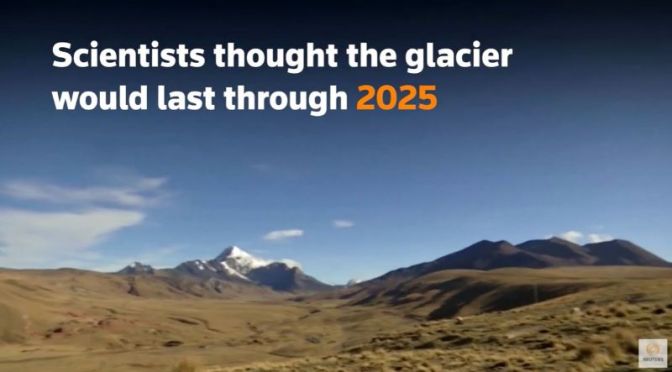
Bolivia’s Tuni glacier is disappearing faster than initially anticipated, according to scientists in the Andean nation, a predicament that will likely make worse water shortages already plaguing the capital La Paz
News, Views and Reviews For The Intellectually Curious




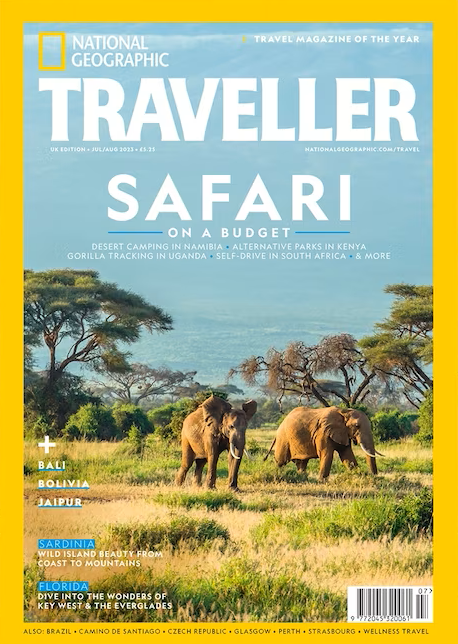
 National Geographic Traveller Magazine (July/August 2023): The issue features the best-value safaris available, an off-road journey in Bolivia, three Camino de Santiago itineraries and a weekend in Czech Republic’s South Moravia.

 Boomers Daily