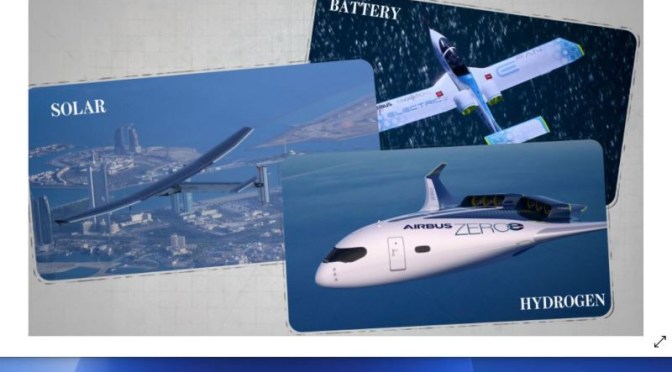
As much of the aviation industry fights to survive the coronavirus pandemic, some economists and engineers see the crisis as an opportunity to use stimulus funds to propel air travel to a carbon-neutral future.
Photo illustration: George Downs

As much of the aviation industry fights to survive the coronavirus pandemic, some economists and engineers see the crisis as an opportunity to use stimulus funds to propel air travel to a carbon-neutral future.
Photo illustration: George Downs
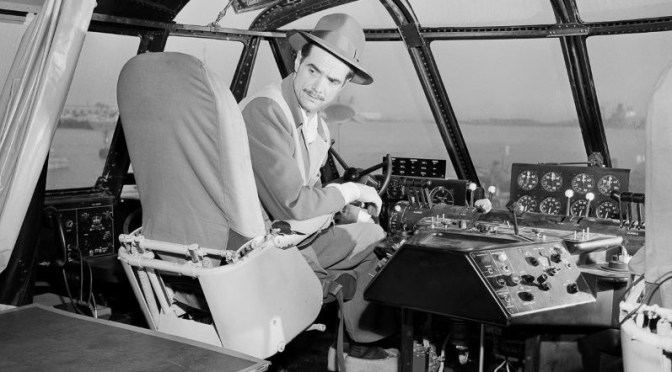
Howard Hughes was a lot of things: one of America’s first billionaires, a film producer and an entrepreneur in industries from media to oil to property.
But Hughes was also a keen aviator and owner of the airline TWA, who broke round-the-world records and paved the way for competition in international air travel.

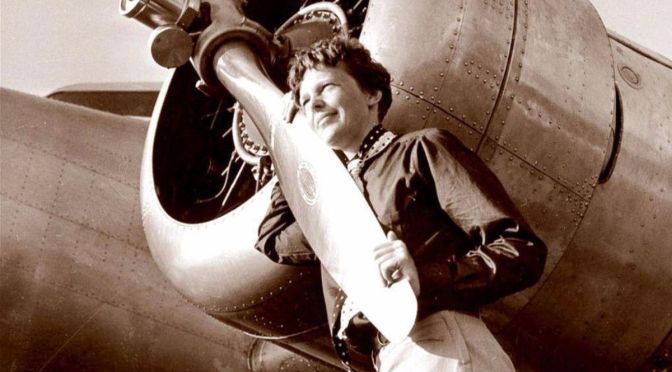
In this new series we profile some of the fearless record-breaking aviators who flew to dizzying heights and were pioneers in their field. We begin with the first woman to fly solo across the Atlantic, Amelia Earhart, who paved the way for women in aviation.
Featured Electric Aircraft and Airplanes:
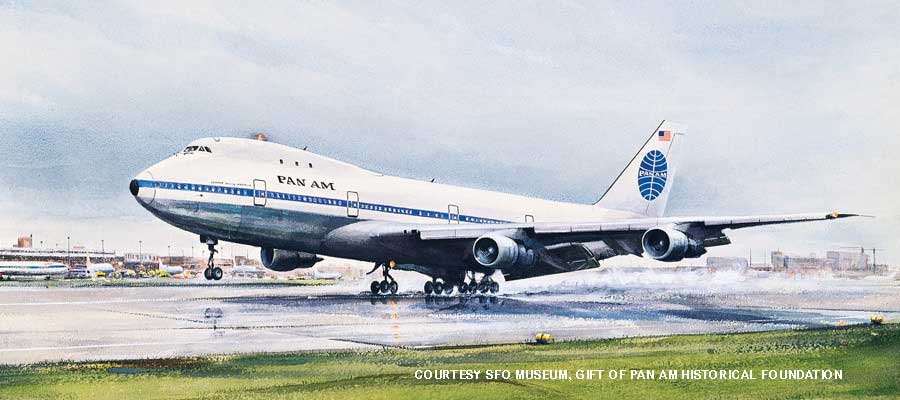
On January 15, 1970, First Lady of the United States Pat Nixon christened Pan Am’s first 747, at Dulles International Airport (later Washington Dulles International Airport) in the presence of Pan Am chairman Najeeb Halaby. Instead of champagne, red, white, and blue water was sprayed on the aircraft.
The 747 entered service on January 22, 1970, on Pan Am’s New York–London route; the flight had been planned for the evening of January 21, but engineoverheating made the original aircraft unusable. Finding a substitute delayed the flight by more than six hours to the following day when Clipper Victor was used.
From Wikipedia
From a New Atlas online review:
An important step towards autonomous aviation was taken today, as Cirrus Aviation announced “Safe Return” functionality for its G2 Vision jet, which will find the nearest airstrip, alert authorities and land itself in an emergency.
The Vision is a small private jet capable of seating seven people, cruising at over 300 knots at 31,000 feet. Small, quick and user-friendly, it’s good for those that wish to fly themselves, as well as being flown. It’s been a successful product for Cirrus, but its new functionality could represent something bigger. CEO Zean Nielsen calls it “a product that we believe is going to change personal aviation forever.”
Safe Return Autonomous Autoland, developed in conjunction with Garmin, manifests as a button on the roof of the Vision jet that is accessible to passengers. If something happens to the pilot, a passenger can hit the button and request an autoland.
To read more: https://newatlas.com/aircraft/cirrus-vision-g2-automatic-emergency-landing/


 Boomers Daily