The Local Project – (May 5, 2023) – A bold interpretation of an architectural farm house, Daylesford Longhouse seeks to rediscover how to live with the land. Recentering on the fundamental nature of our existence and self-sustained living, Partners Hill expertly imagines a beautiful home that sets the tone for a revived way of living that may be crucial for a sustainable future.
Video timeline: 00:00 – Introduction to the Architectural Farmhouse 00:37 – The Architect and Design Custodian 01:25 – A Walkthrough of the Home 02:30 – Research of the Agricultural Model 03:12 – The Concept of the Space 03:44 – Living and Working in the Space 04:04 – Establishing a Greenhouse 04:30 – The Extraordinary Kitchen 05:02 – The Unfolding of the Multifaceted Home 05:44 – Leaving the Location A Changed Person 06:02 – A Collection of Small Ideas 06:41 – The Architects Proud Moments
Located in a charming country town near Melbourne, Daylesford Longhouse sits on an elevated ridge, accommodating the sweeping views of the Australian landscape that the house sits so well within. The challenge was to uncover how an architectural farm house could flourish in a place where the land is deeply exposed to vast populations of ravenous grazing wildlife, extreme temperature variations, strong winds and a lack of water.
The concept for the architectural farm house was about having a community hub to hone skills of self-sufficiency, exchange knowledge and run programs where other people can learn. The home’s façade blends into the landscape in a way that doesn’t dominate, echoing the ethos of the residence. The multi-functional estate includes a large shed that houses a domestic dwelling at the eastern end, a garden kitchen and an intimate Airbnb and sleeping quarters.
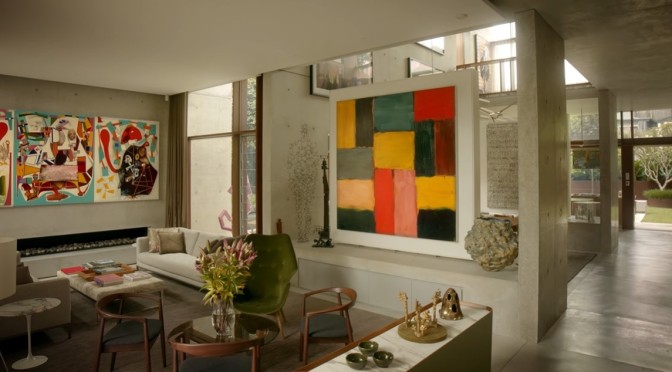
The Local Project – (April 21, 2023) – Imbued with a sense of calm and tranquillity, Tonkin Zulaikha Greer Architects creates a dream home that encourages contemplation. A neutral approach to materiality is complemented by an extensive art collection and sculptural furnishings, inspiring stillness and a sense of wonder for what lies beneath the structure’s outward façade.
Video timeline:00:00 – Introduction to the Art Lovers Dream Home 00:29 – The Location of Almora House 00:44 – The Clients and The Brief 01:15 – The Organisation of the Home 01:55 – A Walkthrough of the Home 02:59 – An Enduring, Timeless and Maintenance Free Home 03:37 – Where The Spatial Richness is Derived From 04:11 – The Most Enjoyable Project for the Architect 04:46 – Favourite Parts of the Home
Located in the coastal refuge of Balmoral Beach in Sydney’s Mosman, Almora House is a collection of unique spaces. The clients have resided in the house for over twenty years and have come forward with the brief to design an enduring, timeless, maintenance-free dream home that would accommodate their extensive art collection. Almora House presents a distinctive shape that encourages a soft contemplation.
The form of the house itself is organised around a spine that runs almost north-south — the structure stretching its way along this spine, with a series of rooms that push out into the garden, creating small courtyards. Various features throughout the home also encourage contemplation, particularly the bookshelf. Housed in the upstairs library, the bookshelf’s rear side is made of slightly frosted glass, becoming an alluring abstract composition seen from the dining room. The spine design of the dream home creates an effortless sense of flow in its layout. Inside the front door, there is a guest bathroom and bedroom that open into a courtyard.
As you walk south along the spine, the first of the living rooms, a dining room with double-height ceilings and a kitchen unfurl to the left. Beyond the kitchen is an informal room with four glass walls that open into the garden. Upstairs are the master bedroom and powder room, a study and a gallery. Thoughtful choices surrounding materiality also create a dream home that embodies a poignant sense of calm and introspection. Glass is used to welcome the serenity of the surrounding greenery into the home.
A concrete frame is used as a neutral material that showcases the art within the home and inspires calm. Almora House reveals itself to incite tranquillity, stillness and retrieve from the constant movement of daily life. Tonkin Zulaikha Greer Architects perfectly balances an appreciation of practicality, art and craftsmanship to create a dream home that acts as a container of curiosities and a hub for the calm moments integral to being present in our fast-paced, modern world.
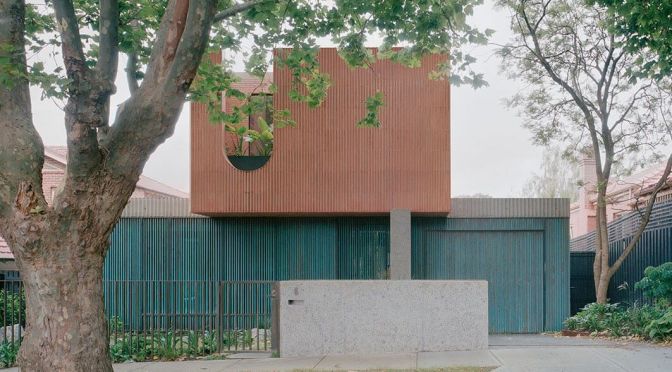
The Local Project – (April 18, 2023) – Located in the established suburb of Glen Iris, the modern dream house by Pandolfini Architects responds to the desire for a home built of hard-wearing materials and to tell the story of the client’s most recent travels.
Video timeline:00:00 – Introduction to the Ultra Modern Dream House 00:28 – Main Components of The Brief 01:00 – The Composition of the Home 01:42 – Contrasting of the Pavilions 02:17 – The Car Workshop 02:32 – Glass Links and Palette Cleansers 03:03 – The Theme of Discovering New Things and Surprising Moments 03:55 – The External Raw Materials vs. The Internal Materials 04:38 – Effortless and Simple Materials
Reinterpreting the story of floating down rivers, going around bends and discovering new landscapes, the form of the modern dream house creates a journey through distinct architectural and material choices. Composed of three main pavilions, Glen Iris House holds the private wing at the front, a middle pavilion for the dining and living areas, and the last pavilion, which hosts a car workshop that is inherent to the storytelling of the home.
The desire for hard-wearing materials struck a chord with Pandolfini Architects, therefore, raw elements were employed for the exposed form of architecture along the exterior façade. Providing beauty to the home’s shape, bricks have been laid vertically and then rotated 45 degrees to create a strikingly complex surface that the light dances across. As the home faces west, the addition of copper screens has been employed to mediate the natural illuminance that comes inside, providing dappled light throughout the bedrooms.
Similarly, in each pavilion, the glass links provide the opportunity to cleanse the palette so that one can transition seamlessly between zones. Additionally, the links offer a connection to the surrounding landscape of the modern dream house. Used to contrast the brick pavilion, the living barn – the middle pavilion – uses exposed concrete ribs to form the shape of the interior design. Containing materials such as American Oak timber, travertine and soft hard-plaster walls, the living room barn has been broken up with structural elements so that each space can shine independently.
Additionally, a curved breakfast nook formed out of travertine adds to the middle pavilion’s internal structure, while a sculptural fireplace sits between the living and dining rooms and delineates the spaces. Continuing with the theme of discovery, the architect has created surprising moments throughout the interior with timber batten walls and concealed doors that open up to other corridors or into new areas that are not expected. Though arches are present throughout the modern dream house, the choices were not premeditated and instead have evolved naturally throughout the design process. Furthermore, the hard and dense materials used for the exterior of the home are complemented by the arches to insert a playfulness and respite over the home’s form. Providing a contrast to the internal materials, which are softer and more refined, only three materials were used for the home’s exterior.
With bush-hammered concrete, terracotta brickwork and copper, Pandolfini Architects chose the materials due to their hard-bearing nature and ability to age with the property. Incredibly proud of how the materials have come together, Pandolfini Architects recognises the joint effort with the builders, interior designer and the clients who helped to create their own modern dream house.
Smithsonian Channel (April 15, 2023) – From Lionfish to Peacock Mantis Shrimp, here’s a look at some of the reef’s fiercest predators from ‘Castro’s Secret Reef,’ Deadly Australians: Oceans and Beaches,’ ‘Great Blue Wild: Indonesia,’ and ‘David Attenborough’s Great Barrier Reef.’
The Local Project – (April 12, 2023) – Located in Brunswick, Victoria, Brunswick House by Placement is a showcase of how a narrow home can contain a lot of graceful design aspects within its walls. Sitting on a small block, the house offers a north-to-south-facing layout, with neighbours flanking on either side.
Tasked to rectify a defunct terrace typology that is common to the area, the architect has employed a refined sense of detail from entrance to the back courtyard. To retain certain aspects of the original home, Placement has chosen to maintain the main bedroom with its original fireplace. While the house tour continues on, small design elements help to reignite the home’s historical character through a modern lens.
Placement has a sense of release and decompression to unveil the house by designing a double-height ceiling that leads into the dining area. When responding to the home’s narrow site, the architect had to find a way to welcome light into the centre of the building. This crucial design element was answered by the use of a central courtyard, which has been finished with large glass windows to allow for light to flood the living spaces. Moving from the dining area, two hallways are revealed, one which accesses the bathroom and another that works as a galley kitchen, and at the end of both hallways sits the living room and rear garden.
An additional mezzanine level is built above the hallways, designed to be used as a multipurpose room, second bedroom or office space. However, the space ultimately helps to zone out the separate dining and living areas. Employing bricks as the main material element within the narrow home, they are laid in a stack bond to accentuate the verticality in the space. Selecting the Nubrik artisan by Brickworks for its tactility and textural quality, the architect has used brick to help define the interior detailing and works alongside the timber joinery. In doing so, the timber is employed to do the heavy lifting of the interior spaces as the joinery creates a seamless transition between living, dining and the mezzanine level by creating overlapping lines.
Into the Wild Films (April 11, 2023) – Just 50km west of Sydney Australia, is the spectacular natural wonderland of the Greater Blue Mountains. Known best for the Three Sisters, Echo Point, Scenic World and Wentworth Falls, this documentary explores the natural wonders hidden beyond these grand panoramas.
From the incredible display of the Superb Lyrebird to the underwater world of the Sydney Spiny Crayfish. Descend into its deep dark slot canyons before flying like a bird over the Blue Gum Forest. Discover its rare and ancient Wollemi Pines and explore its mysterious sandstone pagoda landscapes. Witness temperature inversions creating seas of clouds before marveling at the carnivorous plants that inhabit the sheer cliff faces. This is the Blue Mountains as you’ve never seen it before.
The Globalist, April 6, 2023: As Russia’s foreign minister, Sergey Lavrov, visits Turkey, we assess the current state of relations between the two countries? Plus: Australia’s Liberal Party opposes having an Indigenous voice in parliament, the latest tech news and unusual anti-bullying policies in Japan and South Korea.
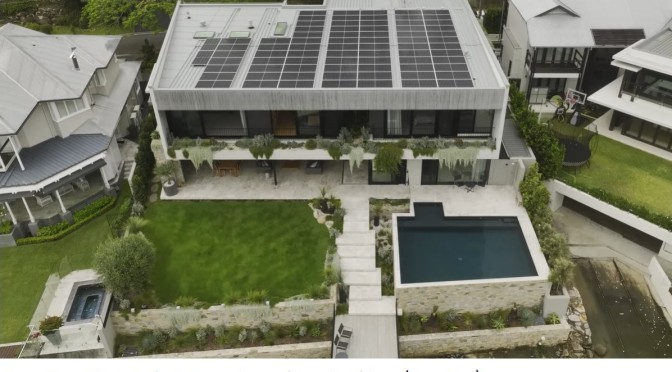
The Local Project – (April 4, 2023) – Fulfilling the client’s desire to build their concrete dream house, Shaun Lockyer Architects considers the tactile and environmental benefits of building with concrete. Located in an inner-city suburb of Brisbane,
Video timeline:00:00 – Introduction to the Concrete Dream House 00:32 – The Home and The Area 01:05 – Views from the Home 01:31 – A Modernist Theme on Approach 02:02 – A Walkthrough of the Home 02:22 – A Canvas for Life and Personality 02:40 – Less is More 02:59 – The Materials 03:41 – Controlling and Curating the Light 04:29 – Engaging with the Landscape 05:16 – Client and Architect Relationships
Dilkera embodies responsive design in how it reacts to both its climate as well as its location. Dilkera’s striking concrete façade and distinctive form are largely informed by the subtropical climate. The residence is a direct expression of how a home’s design can manage a rapidly changing mix of rain, heat and humidity – typical conditions of Brisbane and south-east Queensland where the home resides.
So that the inhabitants are not constantly moving between the inside and the outside to avoid the weather, there are deep thresholds, lovely wide eaves and protected edges so there’s a constant sense of being able to live throughout the entire concrete dream house, despite the season. Shaun Lockyer Architects also explores what elements make up a concrete dream house. The home offers vestiges to surrounding scenery, including views of bushland on the eastern side, an expansive river looking across to New Farm Park and The Powerhouse on the western side, and views of the city to the southwest.
Through a bold approach to materiality, Shaun Lockyer Architects designs a robust yet welcoming home. The structure’s materiality is kept minimal and, while concrete dominates, it is complemented by a beautiful stone that forms the base of the house along with black and blond timbers throughout. Concrete floor finishes from the inside to outside are consistent, creating a seamlessness between indoor and outdoor spaces as the concrete transitions to oak cabinetry and extends through to the furniture.
An incremental revealing of what lies beyond this concrete dream house expresses a deliberate modernist theme. As soon as one enters the home there is an opening of space, with a double-height room that becomes the centre of gravity in both the form and architecture of the house. Walking around the home, views through to the landscape and garden reveal themselves, which nurtures a connection to the outside and a sense of the residence’s transparency.
Dilkera expresses the tangible reality of what was once a mere vision of a concrete dream house. To achieve this, Shaun Lockyer Architects prioritised the relationship with the client and in turn created a home that is distinctly different, resulting in a deliberate attempt for the home to engage with the landscape rather than be a dialogue about the building in itself.
The Local Project – (March 21, 2023) – Only reachable by boat, Marra Marra Shack by Leopold Banchini Architects is a hidden eco-friendly timber cabin that embraces a quiet lifestyle removed from the bustle of city living.
Video timeline:00:00 – Introduction to the Eco-Friendly Timber Cabin 00:46 – The Site and its Location 01:06 – The Brief: Simplicity and Discovery 01:30 – Working with a Remote Construction Site 01:59 – Hand Built and Off-Grid 02:32 – A Walkthrough of the Cabin 03:06 – The Feature Window 03:57 – A Timber Structure 04:29 – Custom Made Furniture 05:00 – The Materials 05:36 – Hidden in Plain Sight
As Leopold Banchini Architects’s first Australian project, the hidden eco-friendly timber cabin required only two bedrooms, easy living spaces and a connection to landscape. Using the occasion to discover the Australian landscape, the Swiss architect has used the unique crafts only available in this country. The entire building has been completed by two carpenters and using materials that required no heavy machinery.
Additionally, each chosen material responds directly to the complexity of weather, tides and floods experienced in the unique riverside location. Sitting on a slope, the hidden eco-friendly timber cabin welcomes guests with an awe-inspiring reveal upon arrival at the renovated jetty. After walking up the stairs the house tour begins at the entrance to the main living spaces, which includes the living room, dining area and kitchen. Located to the rear of the shack are two smaller bedrooms with bathrooms, both of which have been designed to offer solitude where the owners can enjoy their own space.
Finished with a large window that overlooks the river, the living room gives the impression that the home sits upon the water instead of above. By using counterweights, the opened window turns the living space into an inside and outside deck, allowing a deeper connection to the wider surrounds. The interior of the hidden eco-friendly timber cabin has been imbued with locally sourced timbers, including iron bark that is used for the pillars that hold the home together. Other elements within the home, including the stairs and flooring, are made from turpentine wood from the old jetty, while spotted gum forms the structural beams along the roof of the cabin.
Additionally, the furniture of the home has been designed specifically for Marra Marra Shack by using leftover wood from the construction. Other elements in the home, including the fireplace, sink and all steel elements, have been custom made to resolve the few needs of the owners while staying in the house. Being in the middle of an Australian national park, the architect had to respond to certain elemental outcomes including floods, fire and tide heights. Built up on a slope to respond to the conditions, the exterior of the home has also been covered in fibre cement and plaster board to address fire safety in the warmer months.
While the exterior of the hidden eco-friendly timber cabin appears to be made of other materials, it is evident when entering the home that the interior is entirely made of timber. Elevated and surrounded by trees, Marra Marra Shack does not transform the landscape but becomes one with it.
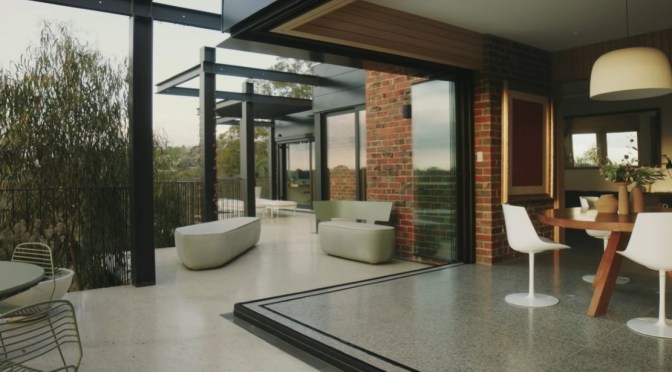
The Local Project – (March 21, 2023) – Celebrating a 1970s clifftop house and its original design, Stawell House by Architects EAT is a culmination of subtle restorations and additions that bring a modern liveliness to the home’s 50-year-old history.
Video timeline:00:00 – Introduction to the 1970s Clifftop House 00:26 – The Location and The History 00:56 – Clifftop Views 01:14 – A Walkthrough of the Home 01:53 – Experiencing Everything Nature Has to Offer 02:08 – The Materials 03:18 – A Personal Project for the Owners 03:57 – The Landscape 04:18 – A Restoration Project not a Redesign
Located in Studley Park, Melbourne, the 1970s clifftop house showcased original architecture that could not be replicated. However, desiring a respectful and modern update the clients chose to collaborate with Architects EAT, who agreed that retaining Stawell House’s character was important. While also taking on the role of project managers, the owners were able to maintain an intimate and collaborative throughout the entire process of restorations. Overlooking the Yarra River, the 1970s clifftop house asserts itself as part of the landscape blending effortlessly into the topography.
As the house tour begins, Stawell House’s modern renovations unfold like a sincere love letter to its original form. Beginning from the façade, the red brick home references the traditional build, yet once the door opens modern uplifts begin to take centre stage. After a linear skylight leads onto the kitchen and dining space, guests and owners make way to the balcony, which overlooks the west. Additionally, a spare bedroom and bathroom and the master bedroom have been installed on the entrance level to allow the owners ease of movement from private rooms to the public spaces.
Located downstairs, the guest room has been built with an ensuite containing an outdoor bathtub allowing the guest to fully experience the elements. To deal with the effects of a west-facing house, the architects have delivered a range of architectural devices which includes external steel shading. The external materials used for the 1970s clifftop house provide a weather resistance while also maintaining a tree like appearance to fit in with the surrounds. Honouring the original layout of the home, the floorplan remains wide as to allow an ease of movement and living.
Furthermore, timber cladding has been heavily featured on the internal walls and windows. Taken from the original home, the timber has been painstakingly removed, sanded and oiled again before re-use. Managing the entire construction process themselves, the owners work closely with the builders and trades to deliver personal modern updates to the 1970s clifftop house. Showing Architects EAT a range of design inspirations found in magazines, the owners were able to collaborate and create a home that reflects their personalities.
Additionally, the owner has also worked on the landscape, adding a deep personal touch that will grow with the home. Focused more on restoration rather than redesign, Architects EAT have worked closely with the owners and the trades to create a defining home for the modern age.
News, Views and Reviews For The Intellectually Curious









 Boomers Daily