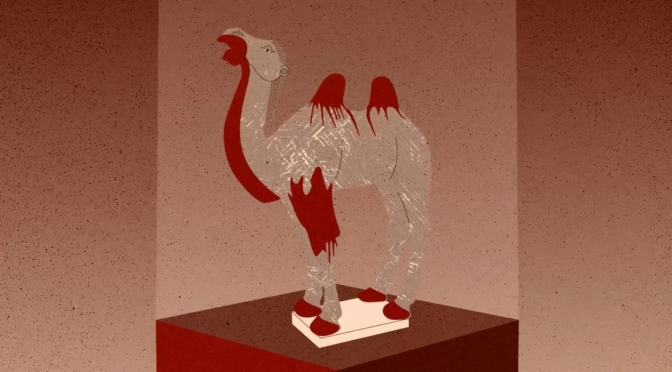
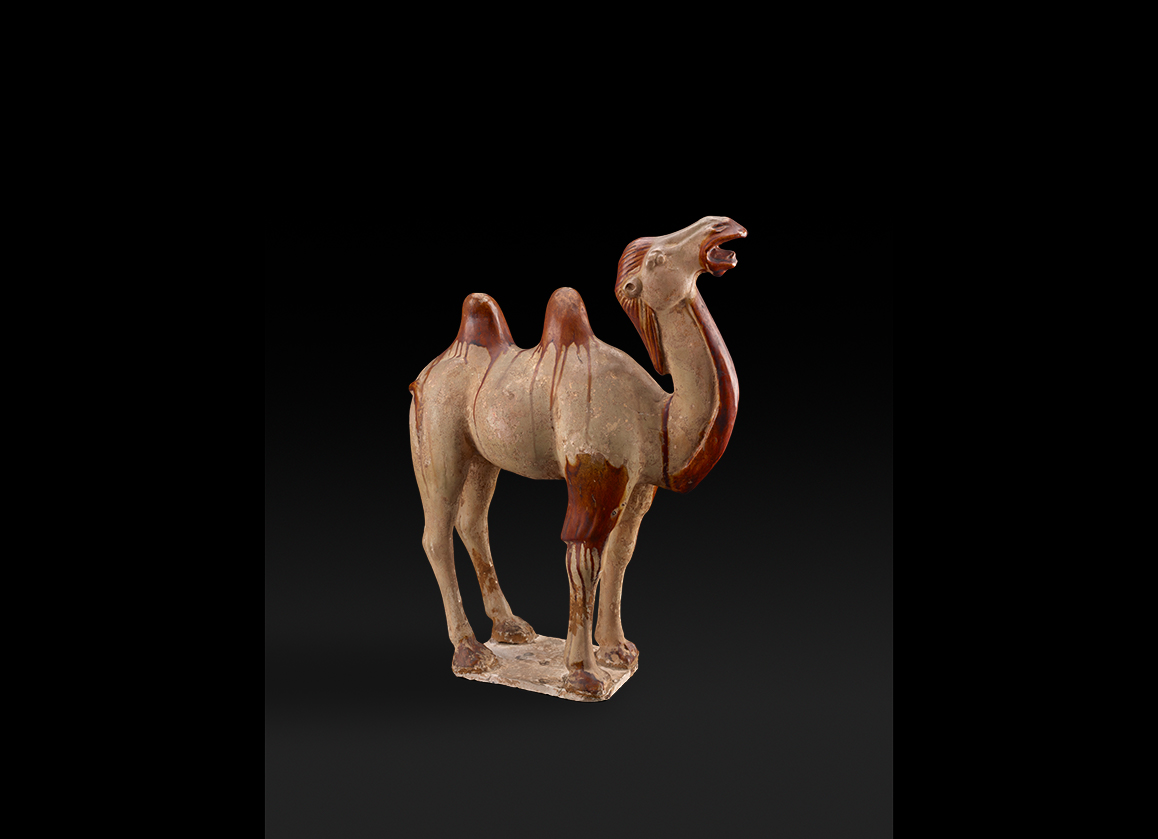
Ashmolean Museum (June 26, 2023): This short film by Carina Hanslik shares an insight into the incredible story behind an ancient ceramic camel.
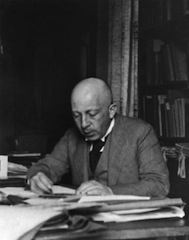
The object that inspired this animation, a ceramic camel dating back to the Tang Dynasty (AD 618–907), helps us to tell the story of Paul Jacobsthal, a Jewish professor of Archaeology at the University of Marburg in the 1930s, who was forced to leave Germany.
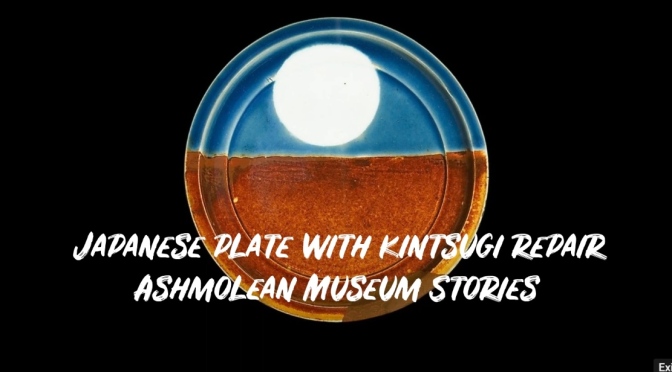
Ashmolean Museum (June 7, 2023): Here, animator Charlie Black brings the poetic story behind this beautifully broken 17th-century Japanese plate to life.
The Japanese collection is now best known for its ceramics, in particular the collection of seventeenth- and eighteenth-century export porcelain which is one of the most comprehensive collections in the world. Ceramics for the Japanese market are also well represented, including fine examples of Arita, Nabeshima and Hirado porcelain, tea ceremony wares and Kyoto earthenwares.
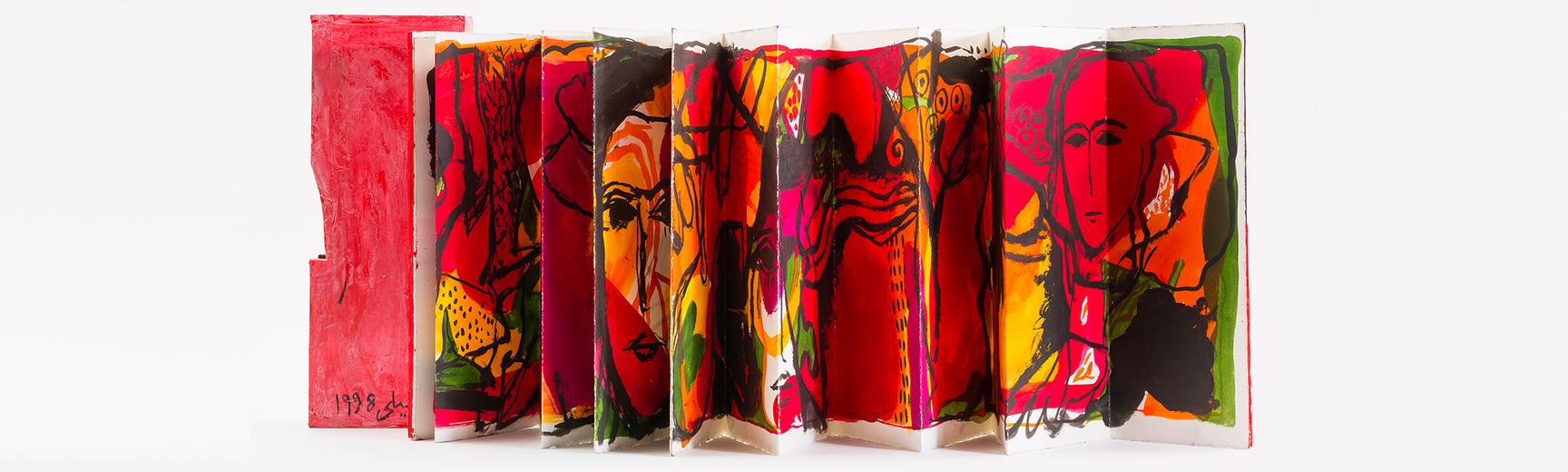
Ashmolean Museum (April 26, 2023): ‘The Arab world’s most influential living artist’, Dia al-Azzawi is best known for monumental and colourful canvasses. His work spans many genres, including a type of artist books known in Arabic as ‘dafatir’.
Here Francesca Leoni, curator of Dia al-Azzawi: Painting Poetry at the Ashmolean, introduces us to the work of this important contemporary artist and takes us through the exhibition currently on display at the Ashmolean Museum.
Dia Al-Azzawi is an Iraqi painter and sculptor, now living and working in London, and one of the pioneers of modern Arab art. He is noted for incorporating Arabic script into his paintings.
Dia al-Azzawi: Painting Poetry is open and free to visit until 10 June 2023.
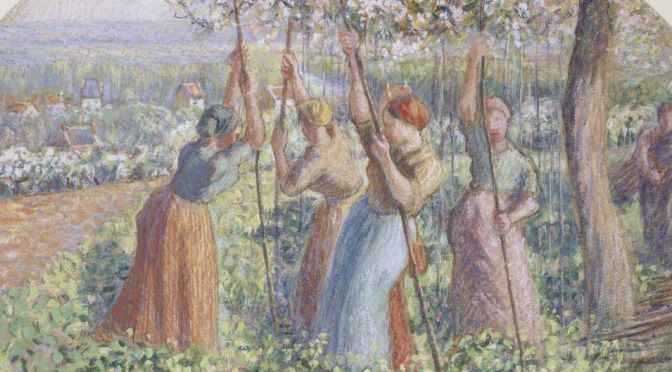
This major exhibition, of works drawn from the Ashmolean’s collections as well as international loans, will span Pissarro’s entire career.
Camille Pissarro (1830–1903) is one of the most celebrated artists of nineteenth-century France and a central figure in Impressionism. Considered a father-figure to many in the movement, his work was enormously influential for many artists, including Claude Monet and Paul Cézanne. It opens in spring 2022.
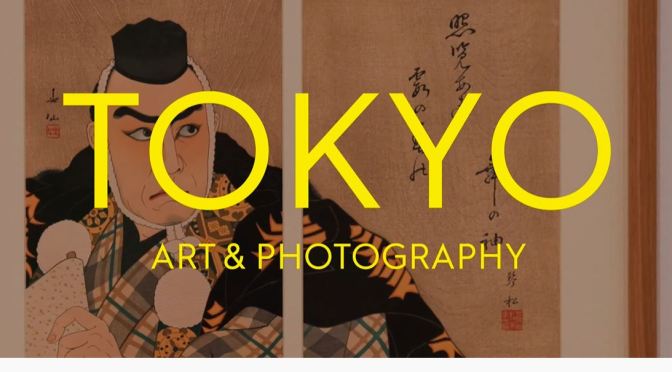
Explore Japan’s capital city through the vibrant arts it has generated over 400 years as you enjoy a virtual behind-the-scenes tour of the Ashmolean’s 2021 Tokyo: Art & Photography exhibition with curators Lena Fritsch and Clare Pollard. The film also features a conversation with visual artist Enrico Isamu Oyama, who was commissioned to create a work for the exhibition. Tokyo is one of the world’s most creative, dynamic and thrilling cities. This major exhibition features a wide variety of artworks created in a metropolis that has constantly reinvented itself. Highlights include historic folding screens and iconic woodblock prints, video works, pop art, and contemporary photographs by Moriyama Daido and Ninagawa Mika. With new commissions by contemporary artists, loans from Japan and treasures from the Ashmolean’s own collections, the show provides a fascinating insight into the development of Tokyo into one of the world’s most important cultural hotspots. Tokyo: Art & Photography is open at the Ashmolean Museum until 3 January 2022 http://www.ashmolean.org/tokyo
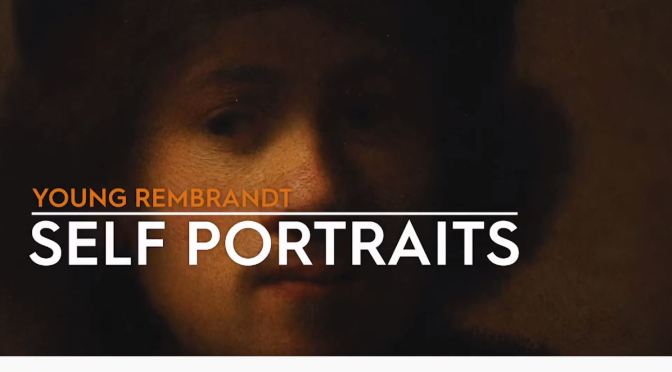
Curator An Van Camp explains Rembrandt’s use of a printmaking technique known as etching, and what his early experiments tell us about the young artist’s working process.
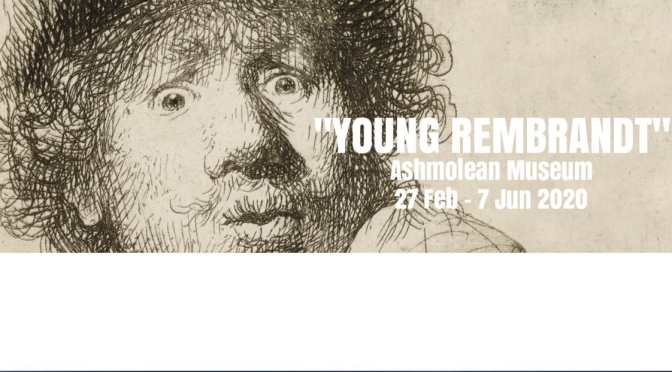
The Ashmolean’s 2020 Young Rembrandt exhibition is currently closed, but you can still visit virtually. Watch this introduction from exhibition curator An Van Camp, and explore the exhibition section by section at ashmolean.org
The Young Rembrandt exhibition charts the astonishing transformation of the Dutch master Rembrandt. Spanning the years 1624 to 1634, it traces how a young and unremarkable artist from Leiden became the superstar of 17th-century Amsterdam and one of the greatest artists of all time.
Rembrandt Harmenszoon van Rijn; 15 July 1606 – 4 October 1669) was a Dutch draughtsman, painter, and printmaker. An innovative and prolific master in three media, he is generally considered one of the greatest visual artists in the history of art and the most important in Dutch art history. Unlike most Dutch masters of the 17th century, Rembrandt’s works depict a wide range of style and subject matter, from portraits and self-portraits to landscapes, genre scenes, allegorical and historical scenes, and biblical and mythological themes as well as animal studies. His contributions to art came in a period of great wealth and cultural achievement that historians call the Dutch Golden Age, when Dutch art (especially Dutch painting), although in many ways antithetical to the Baroque style that dominated Europe, was extremely prolific and innovative and gave rise to important new genres. Like many artists of the Dutch Golden Age, such as Jan Vermeer of Delft, Rembrandt was also an avid art collector and dealer.
Witness the meteoric rise of Rembrandt, from his first tentative works as a teenager in his home town of Leiden, to the sublime masterpieces he produced in Amsterdam ten years later.
This landmark show explores the early years of the career of the most famous of all Dutch artists, Rembrandt van Rijn (1606–1669). Beginning with his earliest known paintings, prints and drawings made in the mid-1620s, and ending at the moment he rockets to stardom in Amsterdam in the mid-1630s, this exhibition charts an astonishing transformation.
This is the largest collection of works devoted to the young Rembrandt and includes over 30 of his paintings, and 90 drawings and prints from international and private collections. On display for the first time is the newly discovered painting Let the Little Children Come to Me.
Don’t miss this unprecedented opportunity to examine young Rembrandt’s work and observe his remarkable metamorphosis from insecure teenager to the greatest Dutch painter of all time.





 Boomers Daily