
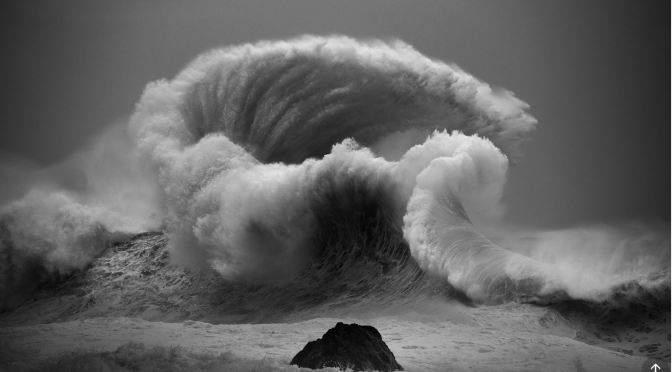
From a Colossal online article:
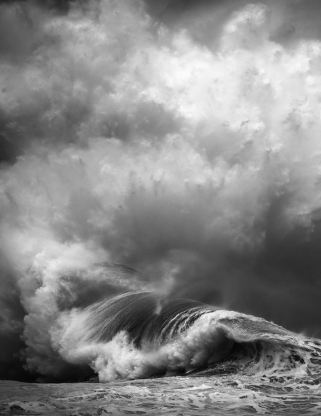 In a statement on the artist’s website, the Maelstrom series is described as “a cursory glimpse of the exchange, cycle and balance of power fundamental to the functioning of our planet and its oceans… Maelstrom encourages the viewer to reflect upon our own naivety and place as a species within the greater natural balance of power.”
Luke Shadbolt captures the roiling majesty of ocean waves in his large-scale aquatic photographs. Printed at 150 x 100 cm (nearly 6 feet by 3.3 feet), the color and black-and-white images show the dramatic shapes and dynamic textures of open water when agitated by major weather events.
https://lukeshadbolt.com/portfolio
The Acquiesce the Front series similarly seeks to draw connections between the human experience and our natural environment. “The physical manifestations portrayed are a deft reflection of those storms that are implicit to the human condition,” and our individual frailty in the face of big events. Yet Shadbolt finds hope in the potential “to learn and grow from these events. While we may be powerless to stop the storm from approaching, we can work to redirect the flood.”
To read more: https://www.thisiscolossal.com/2019/10/waves-by-luke-shadbolt/?mc_cid=e31c291cfd&mc_eid=28f9488a9b

 We conclude that Pollock avoided the appearance of the hydrodynamic instabilities, contrary to what was argued by previous studies. Pollock selected the physical properties of the paint to prevent filament fragmentation before deposition, and applied it while moving his hand sufficiently fast and at certain heights to avoid fluid filaments from coiling into themselves. An understanding of the physical conditions at which these patterns were created is important to further art research and it can be used as a tool in the authentication of paintings.
 Considered one of the most prominent American painters of the 20th century, the life and work of Jackson Pollock have been the subject of books, movies, and documentaries [
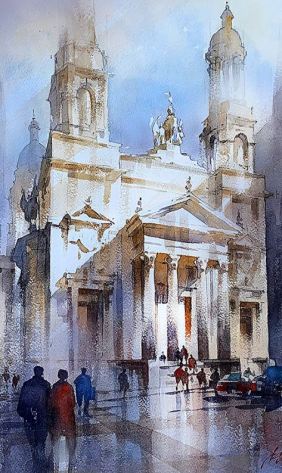 Since I work as a fine artist now, there are fewer commercial entities to please, so I’ve discovered something that should have been very obvious. If you want to engage the viewer, don’t tell them everything, encourage them to ask their own questions. An artist should not describe—he or she should interpret. If you design into your work a bit of mystery—areas where the viewer must “fill in the blanks”—you set up an unspoken dialog with your viewers and an emotional weight will begin to develop organically. This is just one example of course, but an important one.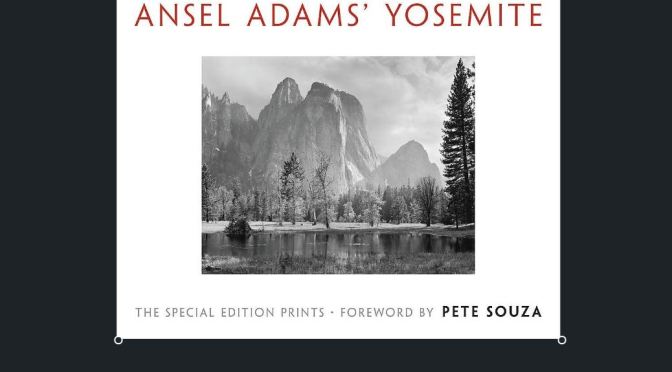
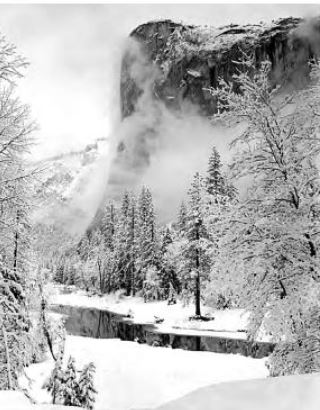 Making the Special Edition Photographs is an assignment I continue to this day, with Ansel’s vision and standards always in mind as I work. The prints are still made directly from Ansel’s negatives and in the “traditional” way: in a wet darkroom with amber safelights, chemicals and running water. The prints are still silver-gelatin prints, meaning that the image-forming element is literally metallic silver. Precious.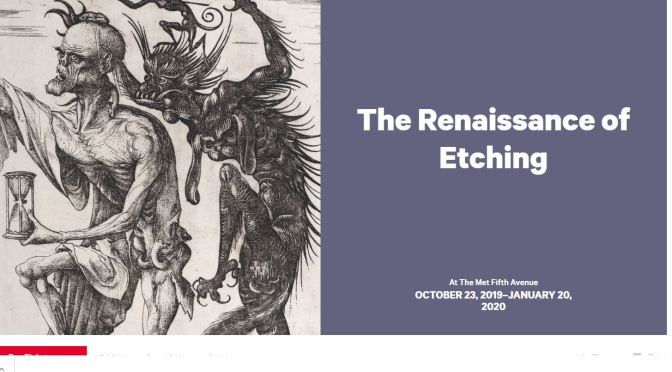
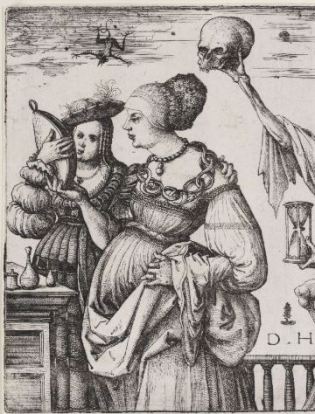 This exhibition traces the first sixty years of the etched print (circa 1490 to circa 1560), from its emergence in the workshop of the German printmaker and armor decorator Daniel Hopfer to the years when a range of artists from Germany, Flanders, Italy, and France began experimenting with etching. Approximately 125 etchings, produced by both renowned and lesser-known artists, are displayed alongside a number of drawings, printing plates, illustrated books, and armor.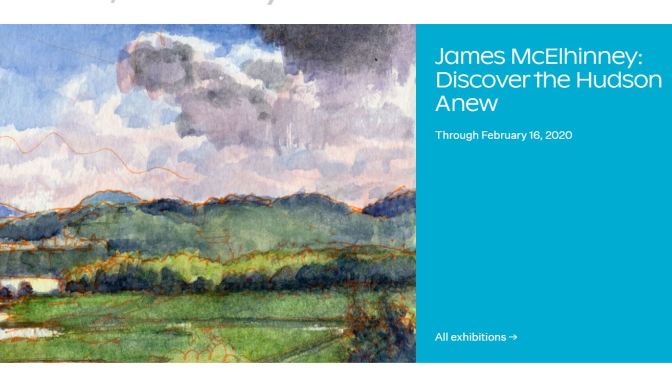
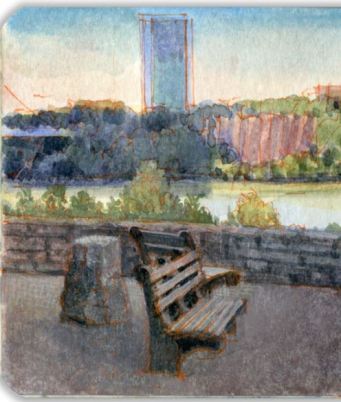 James McElhinney: Discover the Hudson Anew presents the painter’s sketch books and prints related to the River in a comprehensive showing for the first time. A video program, animating turning pages, will allow visitors to see additional sketchbook paintings. McElhinney says he wants his art to demonstrate “that constructive dialogue between humanity and nature is alive and well, while underscoring how art provides durable and dynamic modes of engagement.”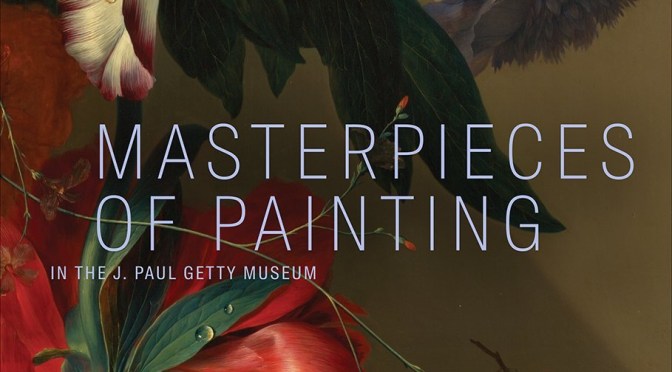
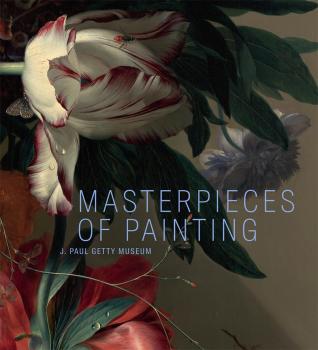 Masterpieces of Painting surveys more than one hundred of the most exquisite and significant paintings displayed in the museum’s famed, daylight-suffused galleries. Vibrant full-color illustrations and engaging descriptions of these masterworks reveal their fascinating histories and cultural, social, and religious meanings. Sure to enchant and edify all art lovers, this book is a spellbinding tour through the history of Western painting.
 Rooted in a passion for the Italian Renaissance as well as Dutch and Flemish Baroque works, the original collection of J. Paul Getty (1892–1976) has been transformed over four decades to include seminal pieces by celebrated masters such as Masaccio, Titian, Parmigianino, Cranach, El Greco, Rubens, van Dyck, Rembrandt, Poussin, Canaletto, Fragonard, Turner, Manet, Degas, Renoir, Monet, van Gogh, Cézanne, and Ensor.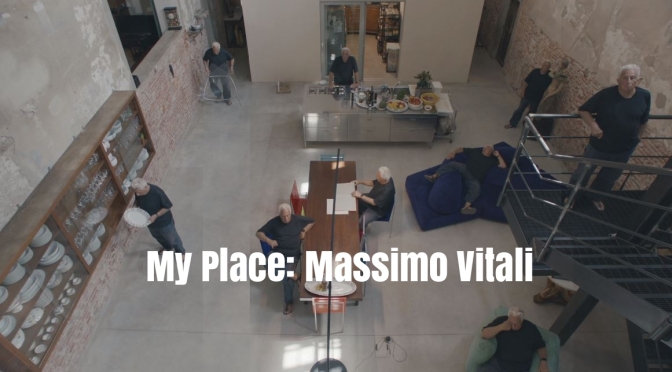
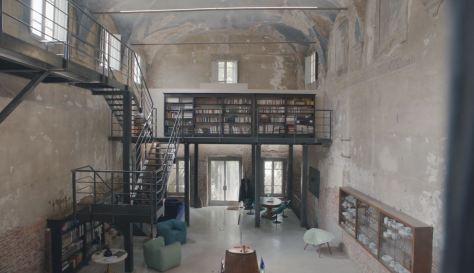
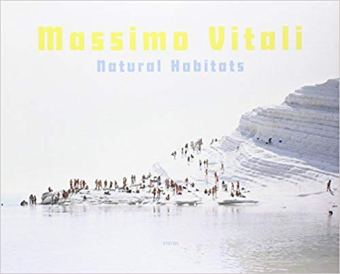 An assortment of inflatable alligators, damp bodies and candy cane-colored umbrellas typify Italian photographer Massimo Vitali’s ongoing Beach Series, which he began in 1995. Born in Como, Italy in 1944 Vitali’s internationally recognized panoramas of busy ski resorts, clubs, pools and piazzas explore the multilayered stories present in communal leisure places.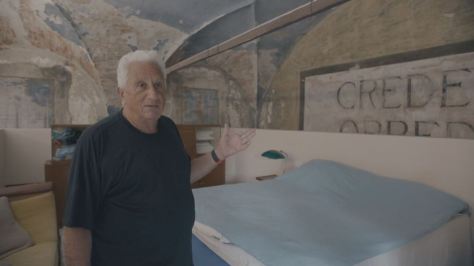
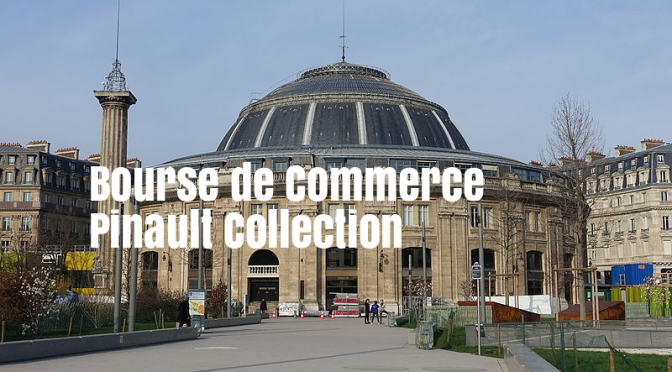
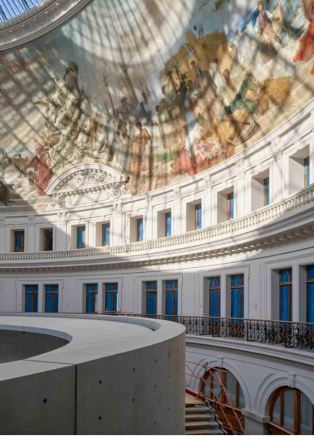 The plans for the venue were previously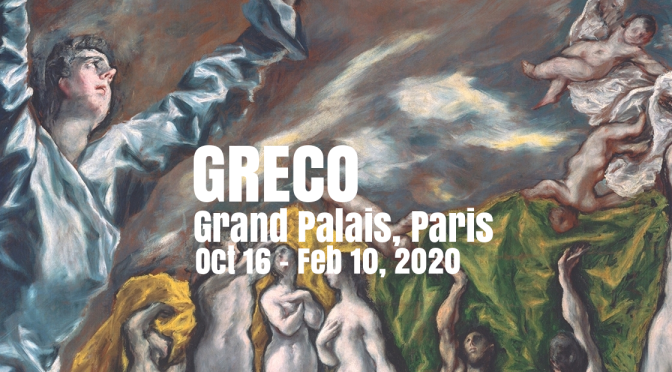
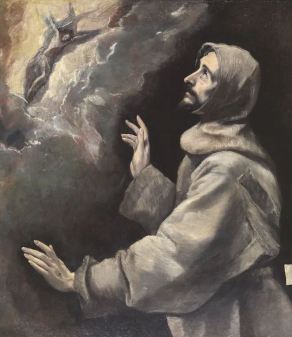 Rediscovered in the late 19th century, celebrated by authors, acknowledged and embraced by the 20th century avant-garde, the artist has enjoyed the dual prestige of tradition and modernity, linking Titian to the Fauvists and Mannerism to Cubism, Expressionism, Vorticism and Abstraction up to the Action painting.
 Boomers Daily