Tag Archives: Architecture & Design

Design And Architecture: The Top Ten Books Of 2024

Best architecture and design books

Dezeen (December 17, 2024): The top 10 architecture and design books of 2024 include:
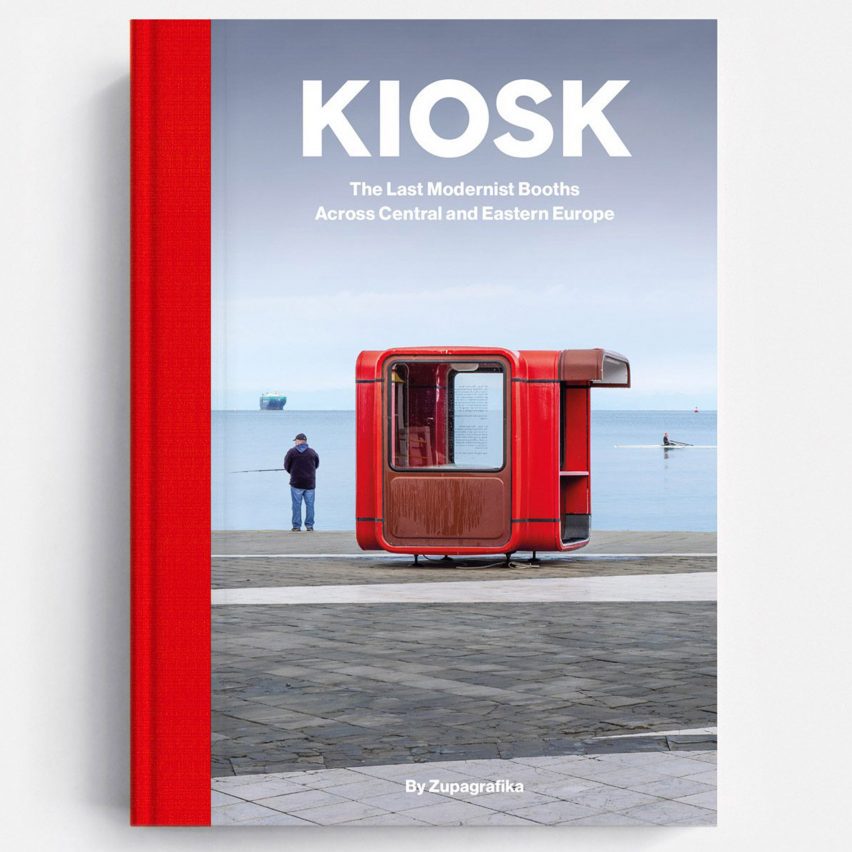
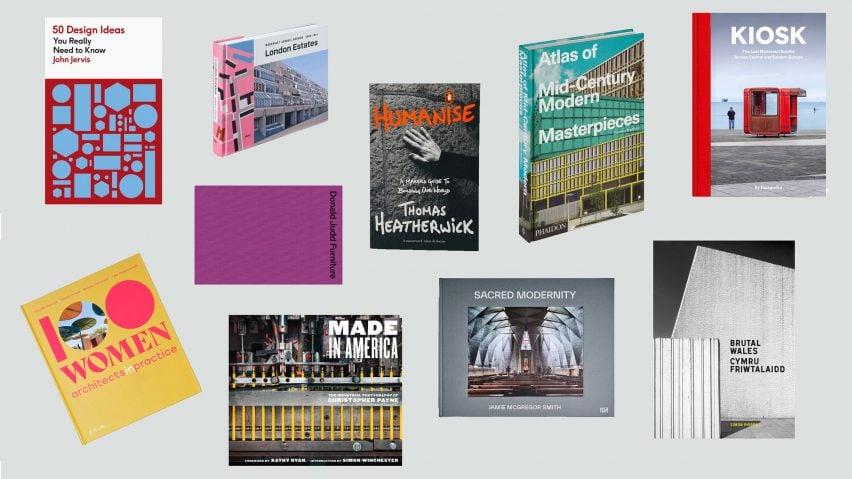
2024 top architecture books: Kiosk by David Navarro and Martyna Sobecka

Kiosk by David Navarro and Martyna Sobecka

Simply named Kiosk, this book features photos of more than 150 modernist, modular kiosks that brighten streets across central and eastern Europe.

Authors David Navarro and Martyna Sobecka aimed to draw attention to the surviving, unusual structures that were constructed in factories in the Eastern Bloc from the 1970s to the 1990s.
Find out more about Kiosk ›


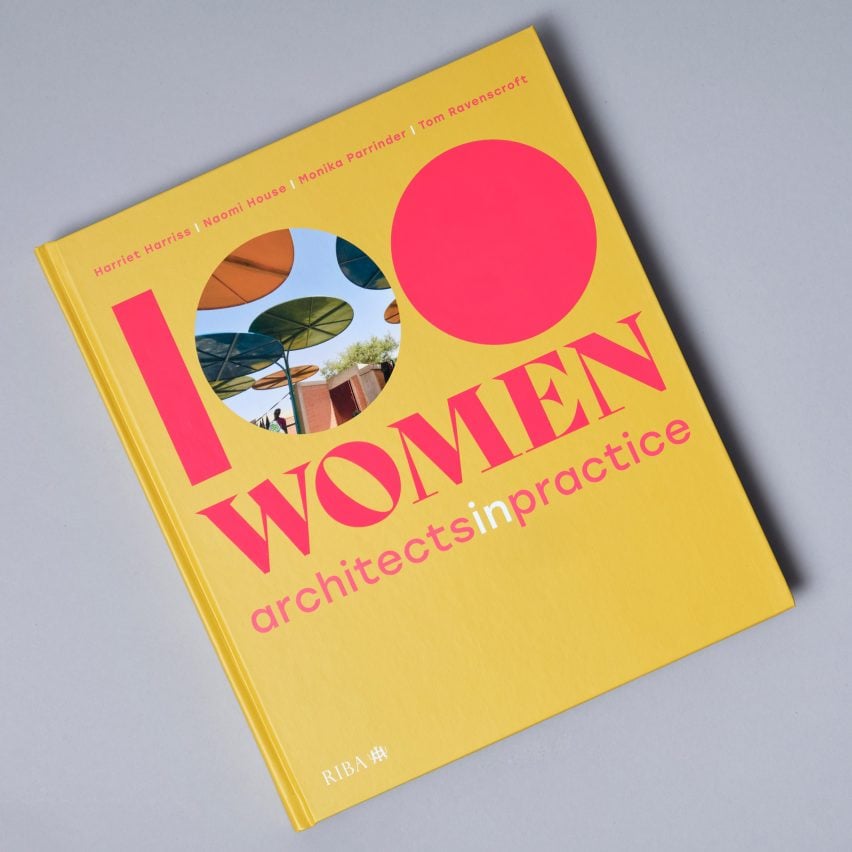
100 Women: Architects in Practice by Harriet Harriss, Naomi House, Monika Parrinder and Tom Ravenscroft

100 Women: Architects in Practice by Harriet Harriss, Naomi House, Monika Parrinder and Tom Ravenscroft

Written by academics Harriet Harriss, Naomi House, Monika Parrinder and Dezeen editor Tom Ravenscroft, 100 Women: Architects in Practice showcases the work of  architects from 78 different countries.

The book contains interviews with some of the world’s best-known architects including Liz Diller, Tatiana Bilbao, Mariam Issoufou Kamara and Lina Ghotmeh, along with numerous women who have not yet received extensive global attention.

Find out more about 100 Women: Architects in Practice ›
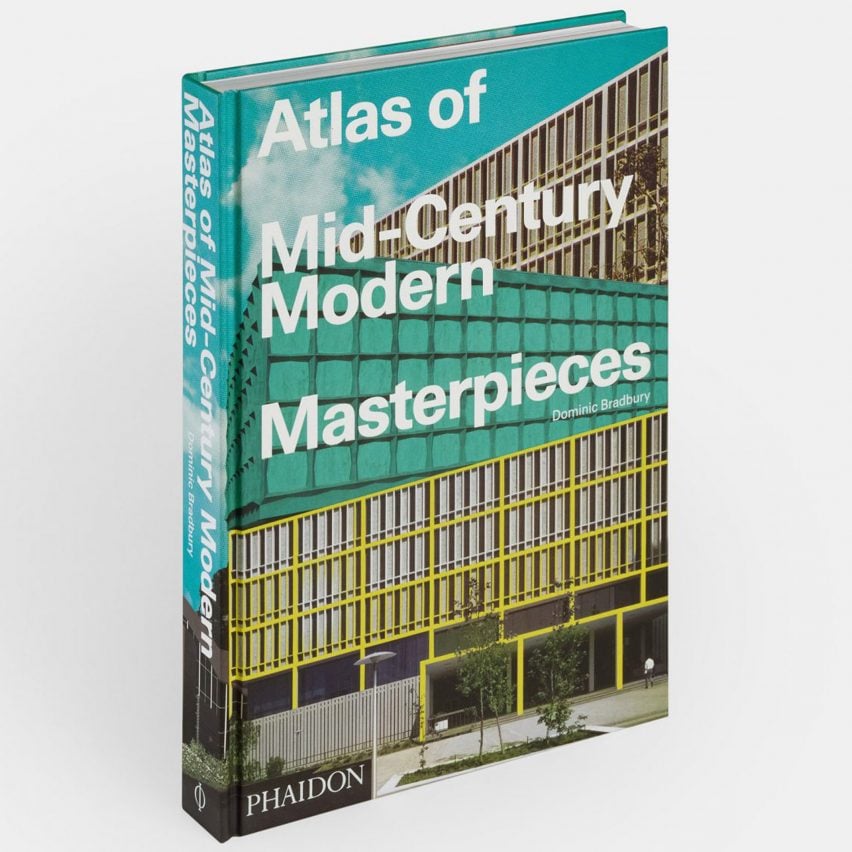

2024 top architecture books: Atlas of Mid-Century Modern Masterpieces by Dominic Bradbury

Atlas of Mid-Century Modern Masterpieces by Dominic Bradbury

Published by Phaidon, the Atlas of Mid-Century Modern Masterpieces is an encyclopedia featuring 450 mid-century-modern buildings from all across the world.

The book not only contains many of the key buildings created by the movement’s trailblazers but also those designed by more under-represented architects.

Find out more about Atlas of Mid-Century Modern Masterpieces ›
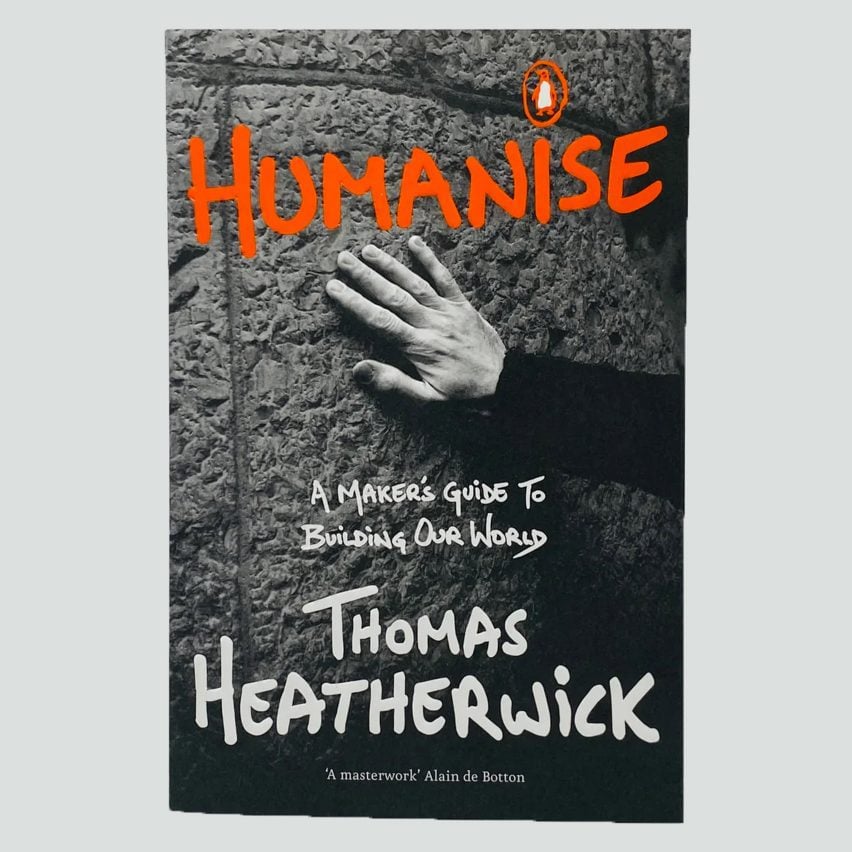

2024 top architecture books: Humanise by Thomas Heatherwick

Humanise by Thomas Heatherwick

The book that undoubtedly drew the most attention this year was Thomas Heatherwick’s Humanise.

In the book, along with a Radio 4 series and initiative of the same name, British designer Heatherwick takes aim at “boring” buildings.

Find out more about Humanise ›
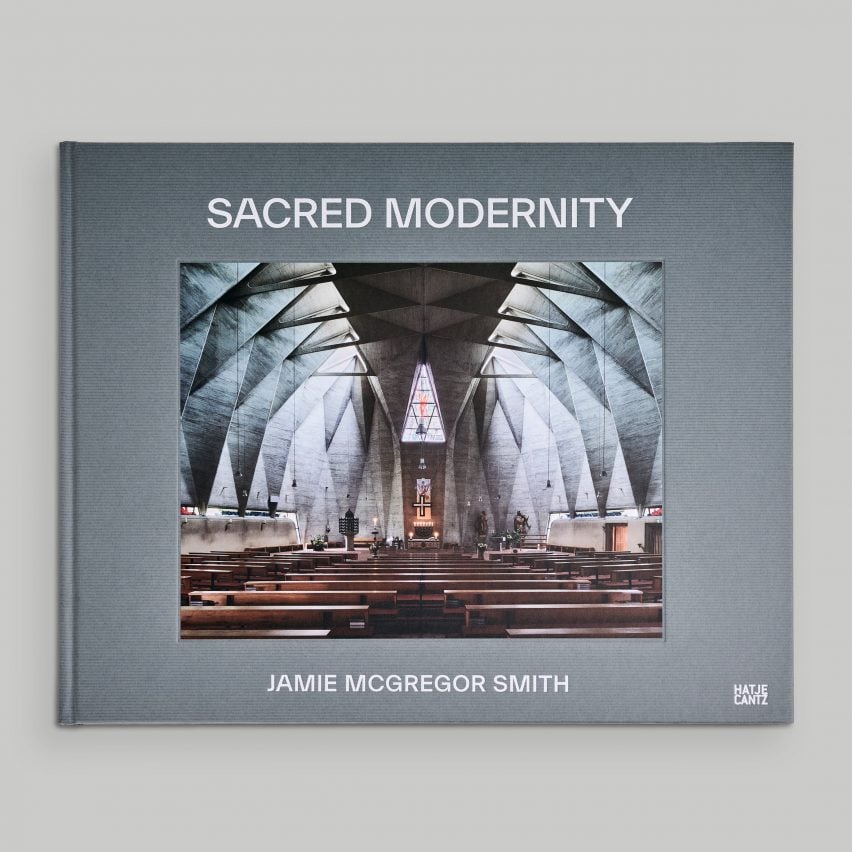

2024 top architecture books: Sacred Modernity by Jamie McGregor Smith

Sacred Modernity by Jamie McGregor Smith

Sacred Modernity aimed to showcase the “unique beauty and architectural innovation” of brutalist churches across Europe.

The book contains 139 photographs of 100 churches taken by photographer Jamie McGregor Smith over five years, along with essays by writers Jonathan Meades and Ivica Brnic.

Find out more about Sacred Modernity ›
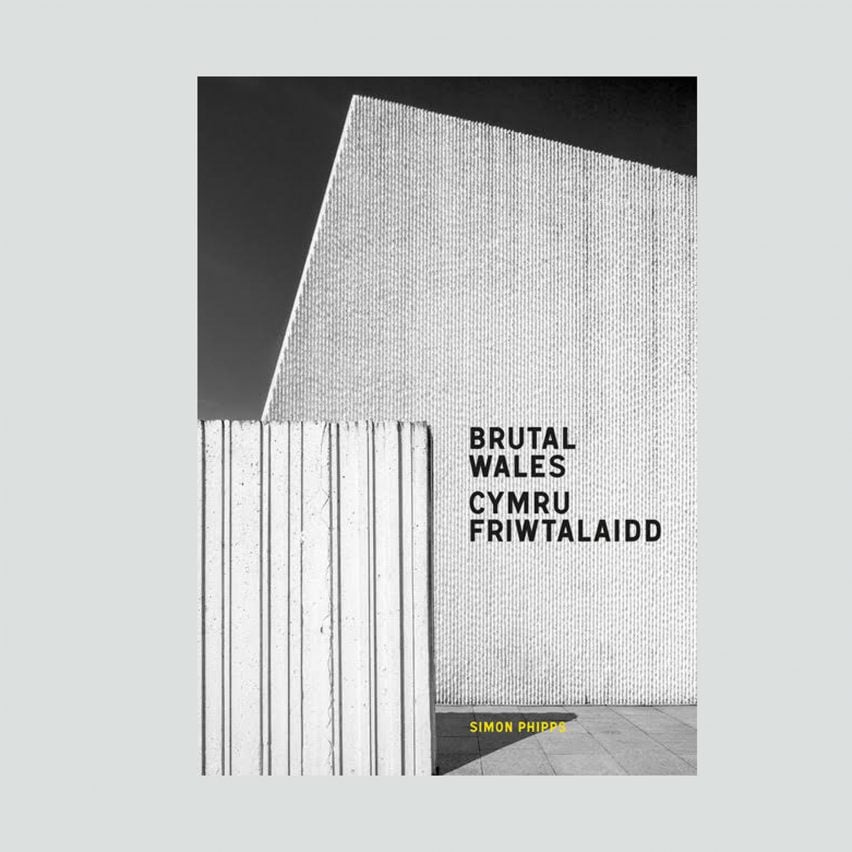

Brutal Wales by Simon Phipps

Brutal Wales by Simon Phipps

Simon Phipps’ follow up to his Brutal North and Brutal London books, Brutal Wales highlights architecture in the brutalist style across the country.

Alongside photography of 60 buildings, the book has explanatory texts in both Welsh and English, as well as an introduction by social historian John Grindrod.

Find out more about Brutal Wales ›


Donald Judd Furniture by Judd Foundation

Donald Judd Furniture by Judd Foundation

The Donald Judd Furniture book contains photos of all the furniture pieces created by the artist for his New York and Marfa, Texas, properties that remain in production.

Along with the photos, the book contains archival sketches by Judd, newly commissioned drawings of each piece and several essays by the artist.

Find out more about Donald Judd Furniture ›
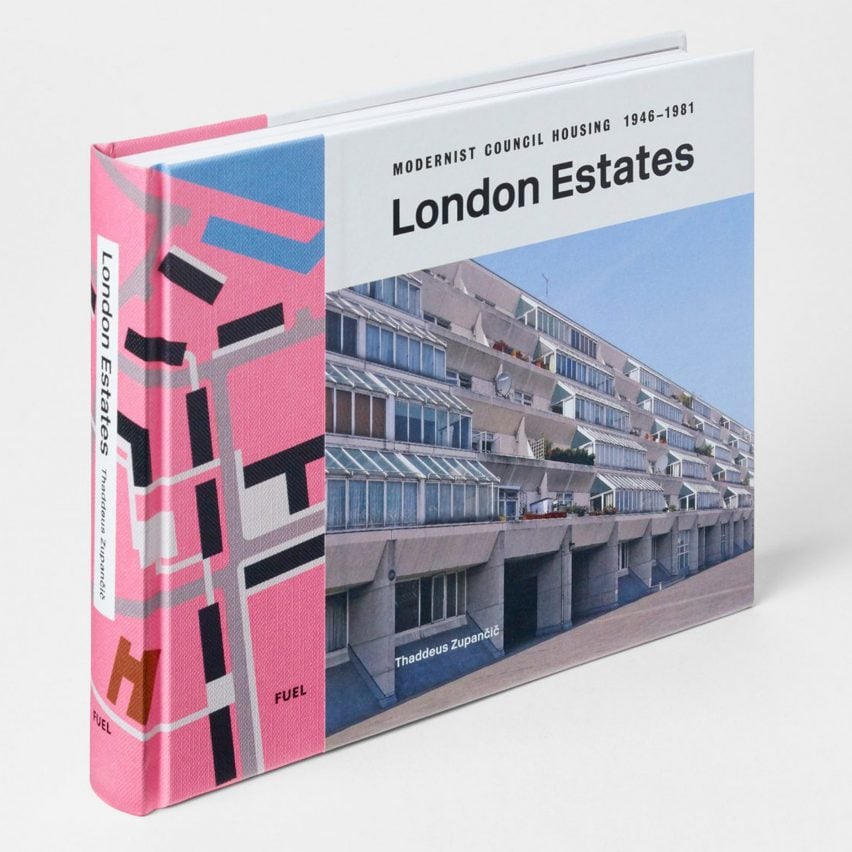

London Estates by Thaddeus Zupančič

London Estates by Thaddeus Zupančič

London Estates documents the modernist council housing built in the UK capital in the post-war period.

Described by publisher Fuel as “the most comprehensive photographic document of council housing schemes in the capital”, the book was photographed by Thaddeus Zupančič.

Find out more about London Estates ›


Made in America by Christopher Payne

Made in America by Christopher Payne

Photographer Christopher Payne’s Made in America book contains images taken over the past decade in the USA’s factories.

Payne created the book as a way of helping to preserve the legacy of industry in America, while documenting the skill of workers who are featured in the photography.

Find out more about Made in America ›


50 Design Ideas You Really Need to Know by John Jervis

50 Design Ideas You Really Need to Know by John Jervis

The latest book in the 50 ideas series, 50 Design Ideas You Really Need to Know contains essays tracking the evolution of design from the 19th century to today.

Written by John Jervis, the book aims to make a broad range of design concepts accessible to a wide audience.

Find out more about 50 Design Ideas You Really Need to Know ›
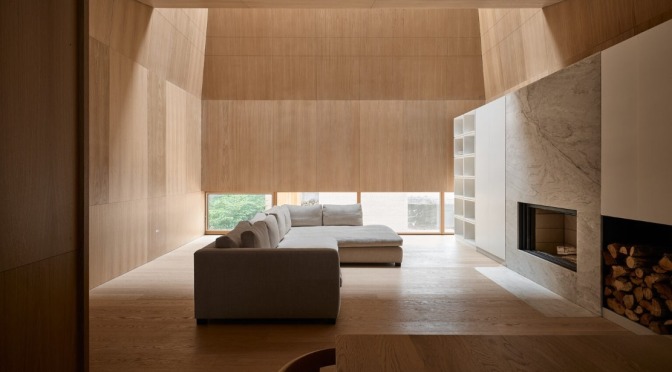
Architecture Tour: ‘OG House’ In Halifax, Canada

The Local Project (January 23, 2024) – OG House by Omar Gandhi is an architects own home in Halifax, the capital of the Canadian province of Nova Scotia. Defined by a deft understanding of light and form, it is a deeply personal home and a compelling piece of architecture, as seen in The Local Project’s house tour.

Video timeline: 00:00 – Introduction to the Architects Own Home 00:55 – The Family Centred Brief 01:58 – The Layout and Walkthrough of the Home 03:42 – A Focus on the Light and Sculpted Areas 04:28 – The Neutral Material Palette 04:59 – Customised Furniture Pieces 05:57 – Proud Moments and Favourite Aspects

As the project’s architect, Omar, says, the brief for this home was to create a house for his family as well as a new studio space for his budding practice. As it happens, his architecture studio grew rapidly over the course of the build, and as such, the ground floor studio space is now an extension of his original waterfront studio and a place to work on community projects with his team. This project illustrates a seamless understanding of how domestic and non-domestic principles can coexist within an architects own home.

The footprint of this house was heavily defined by the site and its setbacks from abutting properties and to the street. Cleverly, Omar has used these parameters to gently guide the architecture and ensuing build. In the house tour of an architects own home, Omar highlights the site’s various constraints, which have been reinterpreted as opportunities in designing a compelling piece of architecture. As Omar says, “the volume was resolved from the outset, so it became a process of articulation and sculpting, and in some cases, sacrificing overall square footage for moments of joy, delight and surprise.”

Residential Design: The Onze22 Towers In Brazil

Dezeen (January 24, 2024) – French-Brazilian studio Triptyque has completed an 85-metre-high residential development in São Paulo that offers its occupants indoor-outdoor living.

Onze22 consists of two towers, with the largest containing 24 storeys. Balconies wrap the building on three sides, allowing apartments to extend outdoors.

Read more on Dezeen: https://www.dezeen.com/?p=2022497

San Francisco Design: A Tour Of Redwood House

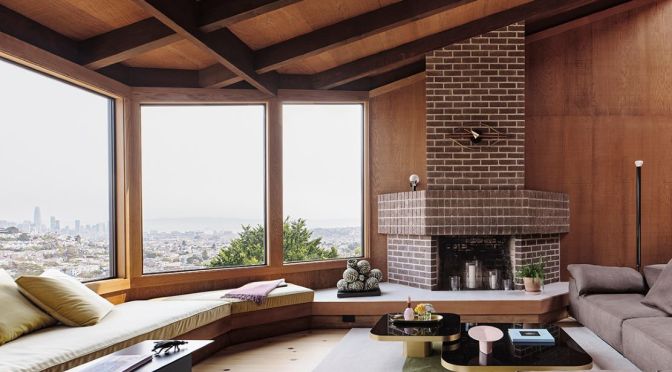
The Local Project (January 23, 2024) – Redwood House sits on a hillside in San Francisco’s charming Noe Valley. Originally designed in the 1970s by prominent local architect Albert Lanier, the house has undergone an extensive yet sympathetic renovation by Studio Terpeluk, ushering the home into a new epoch with integrity and vigour.

Video timeline: 00:00 – Introduction to the Art-Filled Oasis 00:46 – The History of the Home 01:43 – A Unique Layout 03:36 – The Textured Material Palette 04:25 – Favourite Moments 05:06 – The Sustainability Practices

“When I first walked into the space several years ago, I was completely enamoured with the scale, geometry and volume of it,” says architect Brett Terpeluk in this house tour. “There was something so peaceful, calming and embracing about the space that I felt immediately connected to the architecture.” Retaining this essence was essential to Brett and the clients, and, as such, the scope focused on “leaning up” the decor and interior design, enhancing the existing volumes and increasing the square footage, as documented in this house tour. As the architect says, the home’s unusual footprint and layout provided intriguing foundations from which to work.

“This house is very unique in that instead of having a monolithic house with a street presence and large backyard, it’s broken down into a series of courtyards and volumes.” This stacked approach to architecture results in a combination of moments enlivened by views of the cityscape and landscaping at the house’s edges. As well as sightlines, texture plays an important role in animating the architecture and interior design, which was an intentional move from the architect. The redwood remains a prominent feature and the staircase, which is profiled in the house tour, is one of Brett’s favourite moments for the “haptic feedback” it provides upon touching the handrail. The clients’ love of colour can be seen in the furniture and art, as well as in the tones throughout, notably the kitchen cabinetry.

sertions but also to original architect Albert Lanier’s design.

Australian Architecture: ‘Lee House’ Tour In Sydney

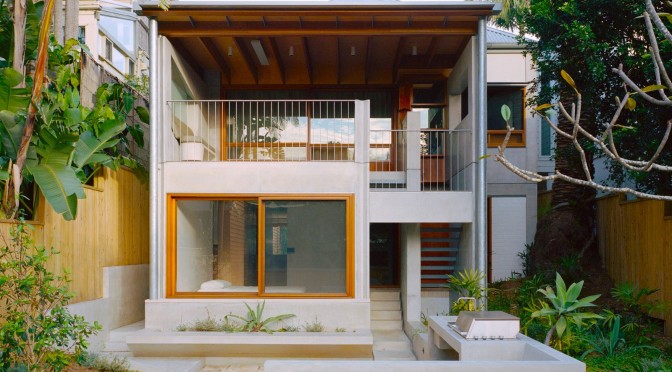
The Local Project (January 19, 2024) – A beautiful dance of soft curves and geometric lines, Lee House is a study in balance and restraint where the architect redesigns a 200 year old home. Angelo Candalepas, director of Candalepas Associates and the architect of Lee House, assumes a very conceptual approach to architecture – evident in the house he has crafted.

Video timeline: 00:00 – Introduction to the 200 Year Old Home 01:02 – The Original Concept 02:13 – Seeking Perfection Through Form 03:00 – Behind The Material Palette 04:30 – The Relationship Between Builder and Architect 05:26 – Experiencing the Intimacy of the Home 06:50 – Favourite Aspects

“What we have tried to do is seek aspects of perfection in form that enable us to encourage something in the human condition which isn’t able to be seen, but is perhaps only able to be felt,” reflects Angelo. Here, the architect redesigns a 200 year old home in Sydney’s Watsons Bay. The front façade appears as a humble, one-storey traditional cottage that sits in contrast to the two-storey, modern, geometric façade at the rear. The way the architect redesigns a 200 year old home was a step away from the client’s original brief – removing the existing cottage and creating a large home.

After many discussions, the client developed a modesty about their brief. “It meant we could work with an incredibly quiet house… something that is purely an interior design,” says Angelo. The architect redesigns a 200 year old home with a material palette that is simultaneously robust, raw and refined. Timber flooring and ceilings make the space feel spacious yet cosy and is also used in the kitchen for joinery, the dining table and the base of the island bench. This is complemented by the heavy use of concrete for walls, stairs and detailing, softened by round curves. Styling is dominated by minimalist furniture and neutral tones.

California Cabin Design: Sea Ranch Forest Retreat

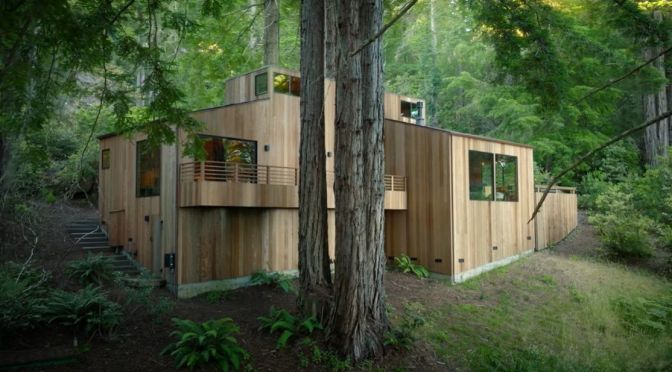
The Local Project (January 16, 2024) – The Local Project’s latest house tour takes viewers inside an architect’s own cabin at Sea Ranch, a planned Californian community founded in the 1960s by architect and developer Alan Boeke.

Video timeline: 00:00 – Introduction to the Architect’s Own Cabin 01:50 – The History of The Sea Ranch Community 02:19 – Unique and Special Aspects 02:35 – A Walkthrough of the Cabin 03:37 – Aligning with The Original Footprint 05:40 – The Sea Ranch Design Rules 06:50 – A Natural Material Palette 07:50 – Proud Moments

Originally designed in the 1970s by William Turnbull Jr. – one of Sea Ranch’s pioneering architects – the cabin now belongs to Berkeley-based architect Joanne Koch, who has renovated the cabin with humility and respect. Pleasingly, it still exhibits many of Sea Ranch’s defining tenets surrounding quiet and environmentally sustainable architecture, reimagined through a contemporary lens. Joanne considers herself to be a “steward and caretaker” of this historic house at Sea Ranch. Stepping inside an architect’s own cabin, it is easy to see how she has respected the original design intent by gently reimagining the architecture and interior design.

The house tour highlights various spaces inside an architect’s own cabin, such as the kitchen, bedrooms, garden, courtyard and balconies, illustrating a blend of contemporary and heritage ideals through the interior design, furniture and décor. The materials echo the cabin’s 1970s sensibility with a subtle contemporary edge, and a palette of moss green, blue and grey not only reflects the hues of the surrounding forest but complements the amber tones of the sugar pine throughout the home. The kitchen features new cabinetry and refined yet elemental fixtures to reflect the rudimentary nature of the cabin. The presence of the surrounding landscape inside an architect’s own cabin is significant. “You just have this feeling that you need to look up into the trees,” Joanne says.

Sea Ranch Forest Retreat illustrates the importance of taking an informed and intuitive approach to architecture of heritage significance. With thanks to Joanne’s sensitive response, this cabin will prevail as an important piece of modernist American architecture.

Design: Tour Of A Coastal Ranch Home In California

The Local Project (January 9, 2024) – Situated in a frequently cold, wet and windy location, Ramirez Residence by Norman Millar Architects and Judith Sheine Architect is a sea ranch home that is built to complement the rugged landscape.

Video timeline: 00:00 – Introduction to the Modern Ranch 01:10 – A Coastal Location and its History 02:12 – The Architectural Collaboration and Design Guidelines 04:04 – Building the Interiors into the Landscape 04:29 – The Clients Coastal Requests 05:26 – A Traditional and Natural Material Palette 06:55 – Respecting the History of Sea Ranch

Placed north of San Francisco, and positioned along miles of ocean coastline, Ramirez Residence possesses an interesting history that goes back to the community’s conception by Alfred Boeke. Transforming a sheep ranch on a degrading landscape into an ideal utopian community, Alfred Boeke implemented strict design guidelines for the architecture of the buildings and the way they sat in the landscape. As such, each of the surrounding homes were inspired by weathered barns, designed out of local timber and made to withstand the harsh climate over a long period of time.

Built into the landscape, Ramirez Residence was specifically designed to preserve local views and communal open spaces. Based on the design principles and ideas of the weathered barns with the slopping roof of a ranch, Ramirez Residence appears fairly simple in its exterior form. With no overhangs to prevent uplift from the strong winds, the house tour shows an almost box-like home clad in local timbers but, once inside, a complex and articulated interior design reveals itself. Following the house tour inside, the reveal of built-in furniture continues the idea of a home nestled into the landscape. Emphasising this idea in the bathrooms and kitchen, the architects encourage the idea that the rooms and kitchen are objects within the home.

San Francisco Bay Design: Sausalito Houseboat Tour

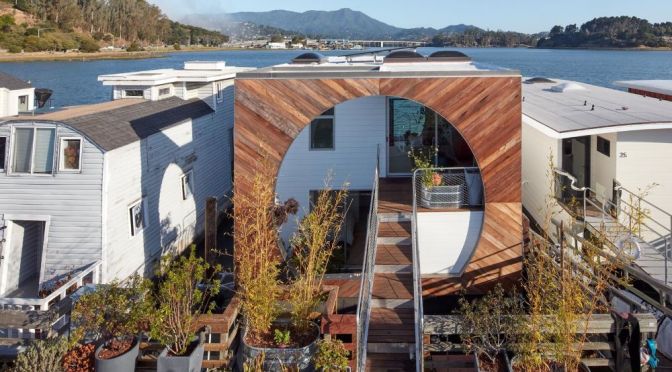
The Local Project (January 2, 2024) – A house boat with rounded windows that frame the bay, Sausalito Houseboat by Craig Steely Architecture evokes a deep appreciation of the surrounds.

Video timeline: 00:00 – Introduction to the World’s Best House Boat 00:40 – The House Boat Community and its History 01:02 – A Spacious Brief 02:03 – A Walkthrough of the House Boat 02:46 – The Layered Design Approach 03:23 – A Simplistic Material Palette 03:50 – Accounting for the Climate 04:23 – Satisfying and Favourite Aspects

Located just north of San Francisco, the home is situated in a small house boat community of Sausalito. In World War II, Liberty ships were once predominantly built in the area, however, after the war, it was abandoned for residential use. As such, a community was established and house boats were built, creating a truly memorable location for a home. Working closely with the client – who wanted something spacious – Craig Steely Architecture took to designing a house boat that went against the typical aesthetic and design of others.

Additionally, the house boat is clad in décor that will accommodate the weather and surrounds, using materials such as old red wood from another project that does not have any finish but remains sturdy. Thinking about the dock, the ocean, the views and the Sausalito Bay surrounds, Craig Steely Architecture created a home that was reactive and connected the interior space to the outdoors. However, when the client and architect discovered the lot, they found a sinking barge but, deeply interested with the history of the space, they took to designing a house boat that referenced the bohemian history.

Australia Design: Tiny House Tour In Fitzroy

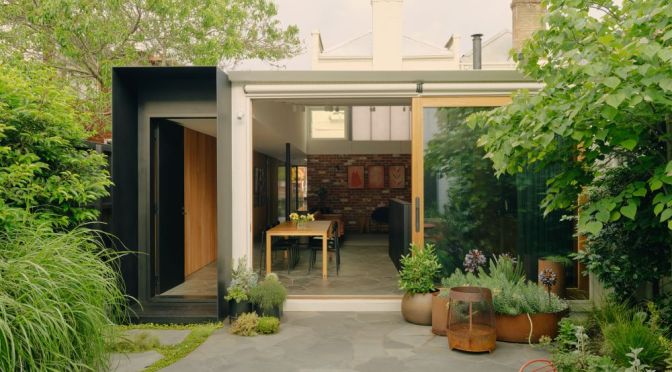
The Local Project (December 29, 2023) – Fitzroy Laneway House is an architects own tiny house grounded in foresight and malleability – attributes that an architect brings when designing their own home.

Video timeline: 00:00 – Introduction to the Architects Own Tiny House 01:32 – A Family Centred Brief 02:01 – A Walkthrough and the Layout of the House 03:18 – Integrating the Landscape and Exterior 03:50 – A Robust and Grounded Material Palette 04:54 – The Connected Design Approach

Andrew Child of Andrew Child Architecture creates a family home designed with both the present and the future in mind that eloquently responds to its inner-city Melbourne location. Andrew was immediately drawn to the original home, which is one of five Victorian terrace homes in a historically rich street in Fitzroy – a vibrant locale with lots of old buildings mixed in with new pieces of architecture. The brief for an architects own tiny house was to create a residence that would accommodate Andrew and his family into the future and be open to change.

“I also wanted something quite informal, that felt relaxed. We want to have fun here,” says Andrew. Fitzroy Laneway House is founded on the notion of connection to the site and the surrounding area. “I wanted the house to feel like a sanctuary, but I still wanted it to feel like we are connected to Fitzroy,” notes Andrew. As such, large windows offer views of the garden, neighbouring buildings and across rooftops. “If things change, like trees knocked down, we have installed shading blinds, timber screens, metal screen curtains, drapes and hanging planters, which all help with managing privacy while still making us feel connected to the locale,” says Andrew.

Architecture: Peninsula House, Victoria, Australia

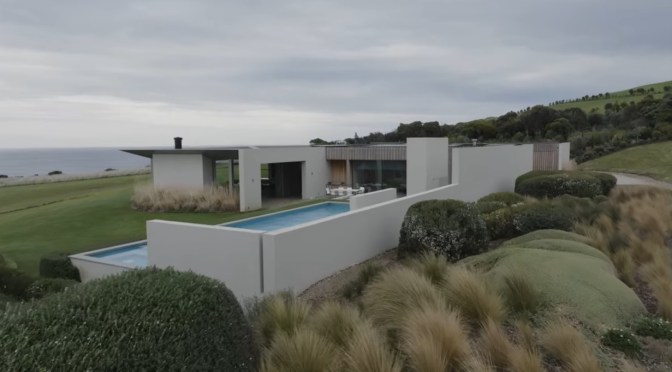
The Local Project (December 26, 2023) – Nestled into the landscape of Victoria’s Mornington Peninsula and overlooking the ocean, Peninsula House by Carr is a hidden coastal home that inspires a sense of awe and immersion, all thanks to the encompassing landscape.

Video timeline: 00:00 – Introduction to the Hidden Coastal Home 01:34 – A Two Part Brief 02:28 – Experiencing The Layout of the Home 03:20 – An Expanding Floor Plan 04:12 – The Simplified Yet Rural Material Palette 05:39 – Seasonal Changes Influencing Feelings

Peninsula House has a dual purpose: to serve as a space for showcasing the client’s art collection and to become a home that would be both cosy for two occupants and able to welcome visiting guests and family with ease. Considering the placement of the hidden coastal home, with the site exposed to the challenging weather patterns of the Bass Strait, the architecture and intimate interior design were significantly influenced by the prevailing climate conditions. “We wanted to create cosy spaces that feel protected so inhabitants could retreat,” says Lucy Cuthbertson, Associate at Carr and project architect for Peninsula House.

To shield itself from powerful winds, the house nestles into the landscape, strategically incorporating outdoor spaces positioned to receive protection from the elements. Access to the hidden coastal home is through an undulating carriageway, guiding visitors to a picturesque courtyard. Continuing through a long hallway, one encounters a glass wall that frames breathtaking views of the natural surrounds. Peninsula House features a central spine that serves as an art gallery and a formal axis for the house. The public entry is through the art gallery, and this dual access is important for maintaining privacy and facilitating movement.