
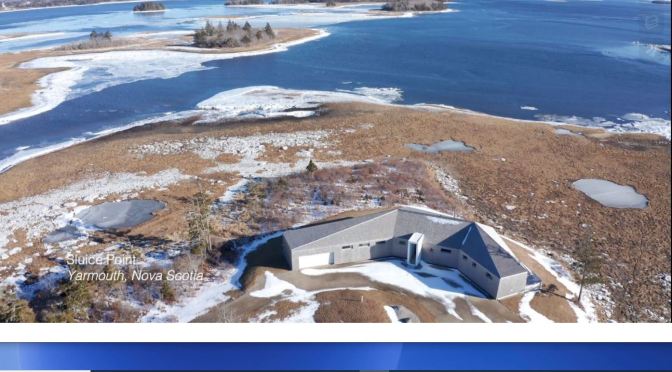

Though Gandhi’s projects are dramatically different in form, such consideration of their remote, subarctic backdrop connects them to one another — they “look like they could only be in Nova Scotia,” he says.
EVERY FEW DAYS, the Canadian architect Omar Gandhi migrates between Toronto, his hometown, and Halifax, the capital of Nova Scotia, where he opened his eponymous firm in 2010. A year and a half ago, Gandhi added New Haven to his weekly peregrinations — he was teaching a seminar at the Yale School of Architecture called Where the Wild Things Are, after Maurice Sendak’s 1963 children’s book.
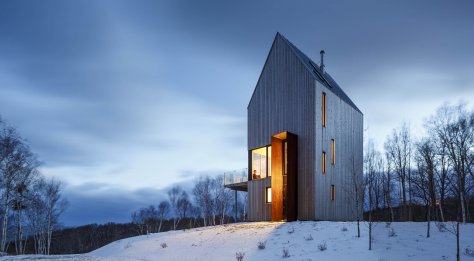
 For the final project of the semester, the professor took his class to the wind-swept island of Cape Breton (a glove-shaped appendage separated from Nova Scotia’s main peninsula by the narrow Strait of Canso) to visit Rabbit Snare Gorge — his 2013 project with the New York-based architecture firm Design Base 8 — a slender cabin that stretches 43 feet tall, like a 16th-century Mannerist portrait. Touring the surrounding plot, a 47-acre wooded slope bisected by the creek that gives the house its name, Gandhi, 40, asked his students to conceive a “campus of creatures” — a set of structures that, as he described it when we met at his Halifax studio last summer, “have an attitude and respond and look like they move.”

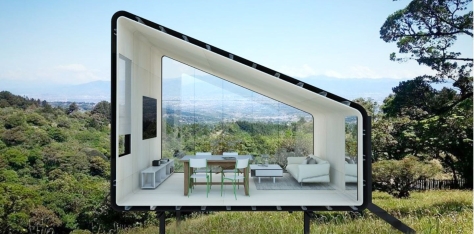
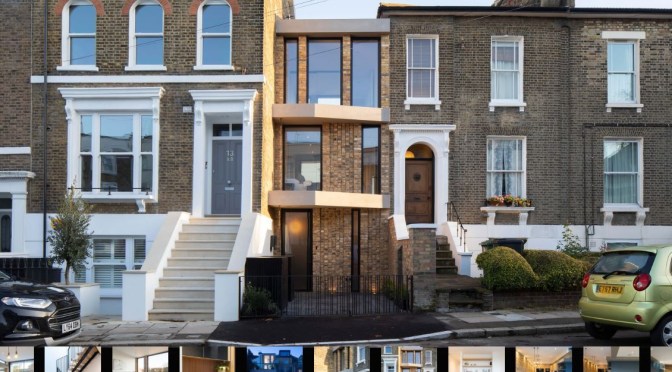

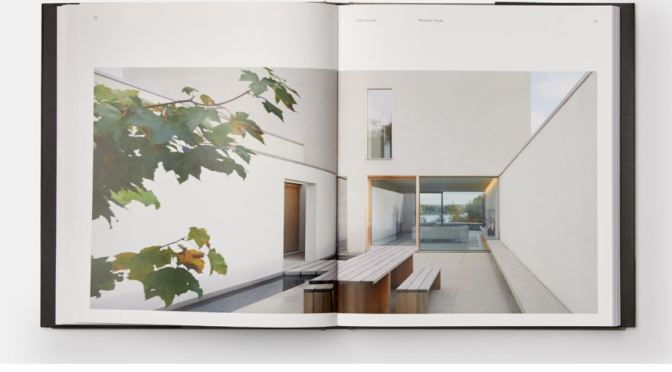
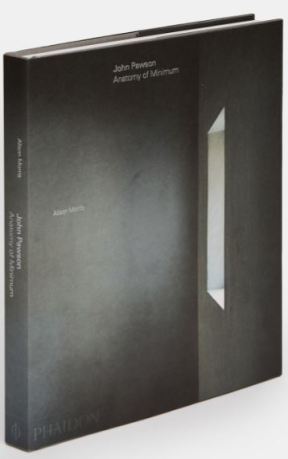 British architectural designer John Pawson has, in a career spanning over three decades, created an inimitable body of work characterized by its distillment of the fundamental ingredients of architecture into their most elemental, elegant expressions.
 approach, Pawson is sensitive to the intimate rituals of daily life and his buildings are far from austere: instead, they elegantly make the case for the clarity and freedom to be found in the act of reduction.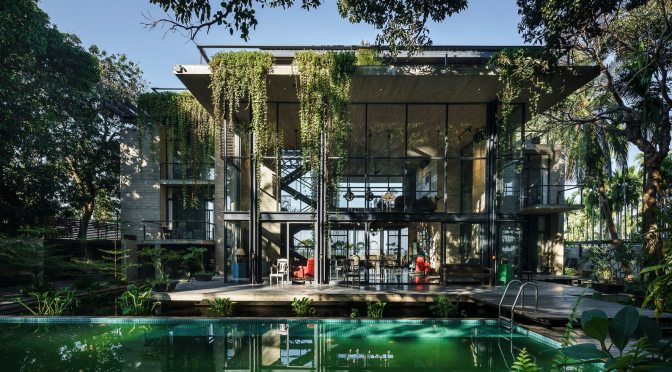
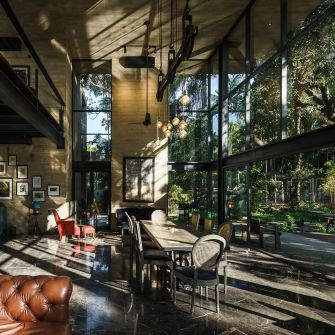 The two and half-storied ‘Vacation Villa’ in Himchori marine drive is a holiday destination amidst the natural setup of hills and sea. The existing topography inspired project is an alluring statement of contemporary architecture in Bangladesh. The purpose of the villa as a place of vacationing is well served as it ensemble two exquisite natural proponent of the site; sea and hills within its built premise. Knotting multiple forces of nature within a space to create and balance the desired psychological mood of relaxation for user was the challenge.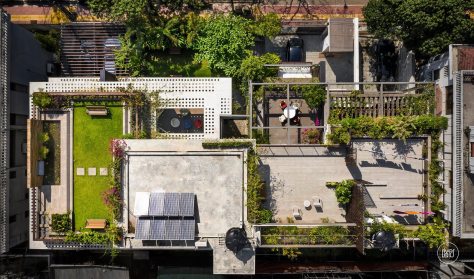

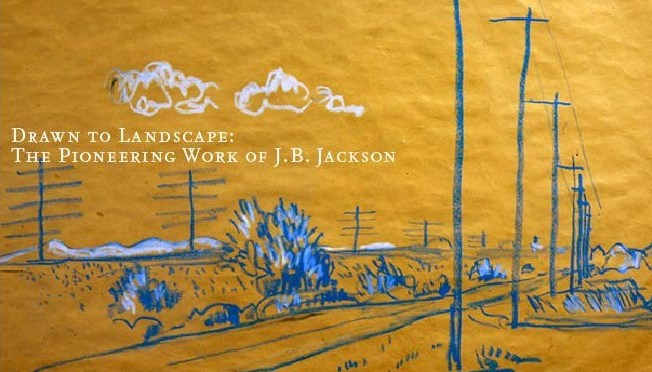
 After a varied life of traveling, writing, sketching, ranch labor, and significant service in army intelligence in World War II, Jackson moved to New Mexico and single-handedly created the magazine Landscape. As it grew under his direction throughout the 1950s and 1960s, Landscape attracted a wide range of contributors. Jackson became a man in demand as a lecturer and, beginning in the late 1960s, he established the field of landscape studies at Berkeley, Harvard, and elsewhere, mentoring many who later became important architects, planners, and scholars.
 countryside and city, exploring them as texts that reveal important truths about society and culture, present and past. In Jackson’s words, landscape is “history made visible.”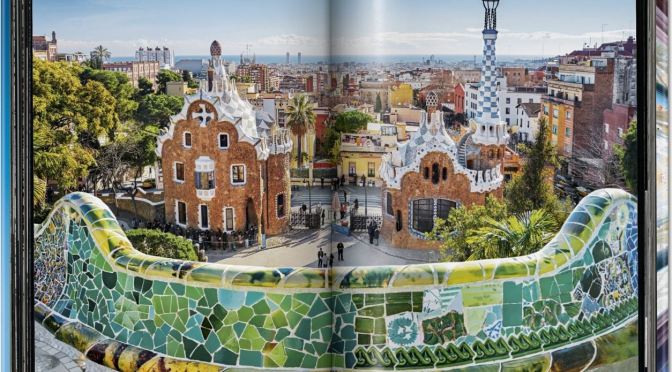
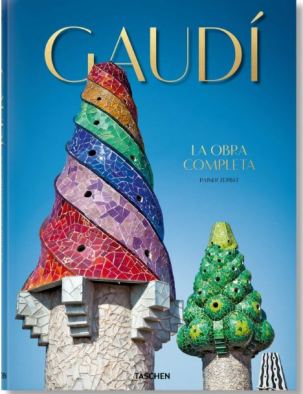 Through brand-new photography, plans and drawings by Gaudí himself, historical photos, as well as an appendix detailing all his works—from buildings to furniture, decor to unfinished projects—this book presents Gaudí’s universe like never before. Like a personal tour through Barcelona, we discover how the “Dante of architecture” was a builder in the truest sense of the word, crafting extraordinary constructions out of minute and mesmerizing details, and transforming fantastical visions into realities on the city streets.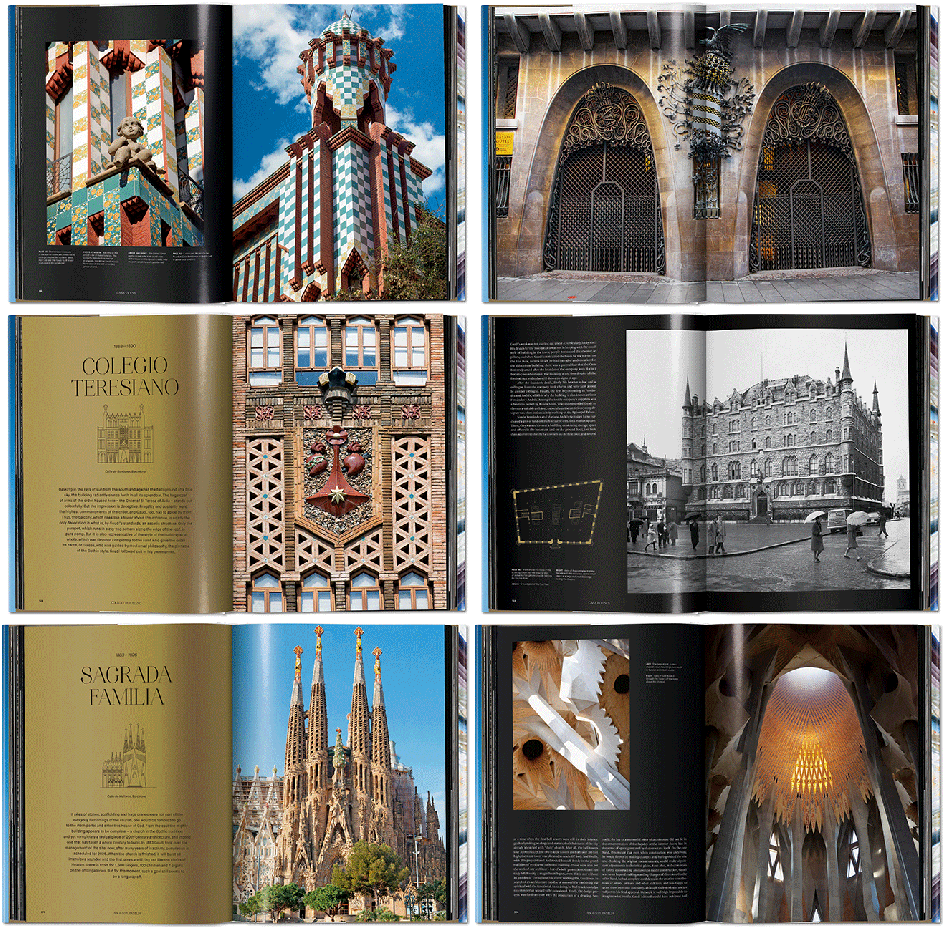
 Gaudí’s incomparable architecture channels much of this multifaceted intricacy. From the shimmering textures and skeletal forms of Casa Batlló to the Hispano-Arabic matrix of Casa Vicens, his work merged the influences of Orientalism, natural forms, new materials, and religious faith into a unique Modernista aesthetic. Today, his unique aesthetic enjoys global popularity and acclaim. His magnum opus, the Sagrada Familia, is the most-visited monument in Spain, and seven of his works are UNESCO World Heritage Sites.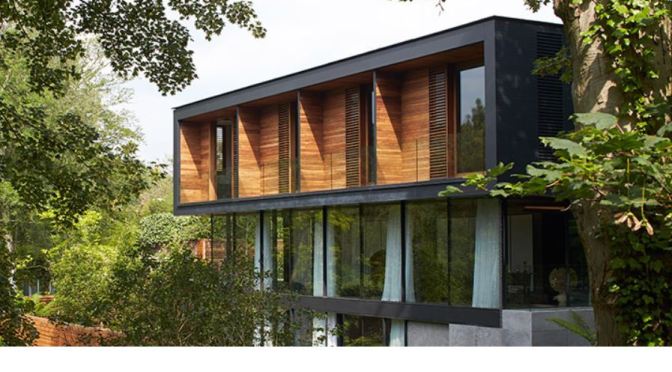
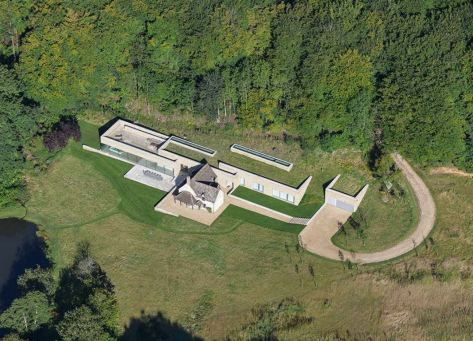
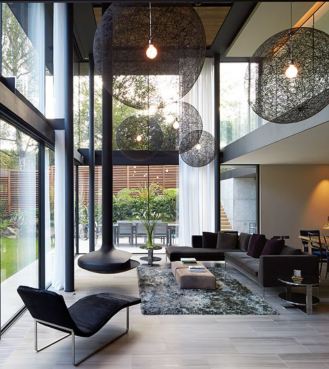 A stunning 6,200 sq ft space, this remarkable and sprawling house rises up through its surrounding landscaped gardens. Described by the Architects’ Journal as having a “beguilingly cave-like relationship to the outside world”, it is a bold vision of contemporary architecture in which the natural world has been thoroughly entwined with the design.
 Recline by the pool, listen to the artificial stream winding its way through the gardens, meander across the footbridge: this home was conceived for those long, dreamy summer days.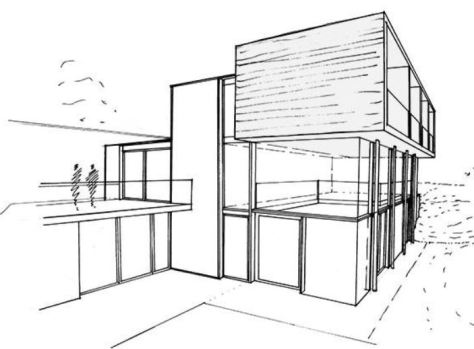


 British architect Norman Foster reflects on his first high-tech building and how it shaped offices to come, in this exclusive video produced by Dezeen. Named after the electronics manufacturer that commissioned the building,
 Boomers Daily