
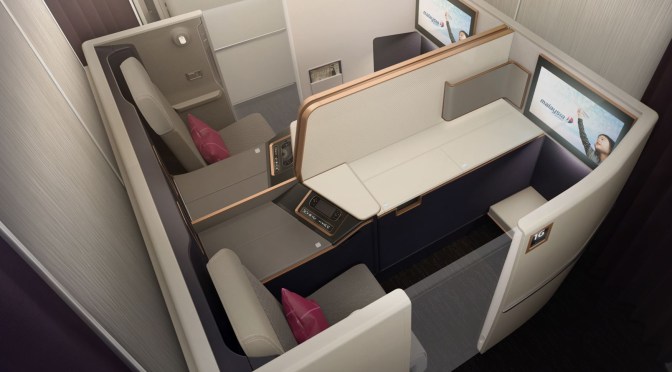
‘Monocle On Design’ talks airplane interiors with Adam White, director of Factorydesign, and ask journalist Anthony Paletta why airports are designed with short-haul in mind. Plus: we jet off to Helsinki for an exhibition that celebrates the capacity of travel to broaden our horizons.
-
Factorydesign
Monocle’s Nic Monisse caught up with Adam White, founder of aeronautical interiors firm Factorydesign, to discuss the future of seats, trims and finishes in airplane cabins.
-
Future-proofing airports
Why are airports are so vulnerable to change? And how can they future-proof themselves? Design and architectural journalist Anthony Paletta has a few ideas.
-
‘Travel as a Tool’
Petri Burtsoff meets the curator and one of the designers of the Helsinki exhibition, ‘Travel as a Tool’, to discuss the ways in which traveling can affect design.

 The Wall Street Journal looks at how air travel will change and what it will be like to fly after the pandemic.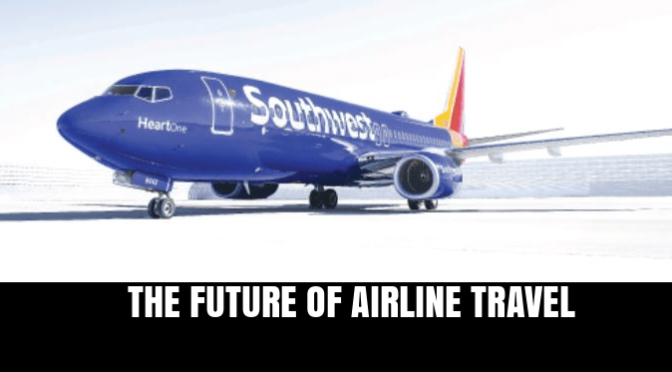
 Airlines have strained to survive after travel dried up because of the coronavirus pandemic. WSJ’s Alison Sider explains how airlines are adjusting, and the CEO of Southwest Airlines paints a picture of what the future of flying might look like.
 Airlines were soaring towards record travel numbers at the start of this year. Then, COVID-19 hit like a lightning bolt.

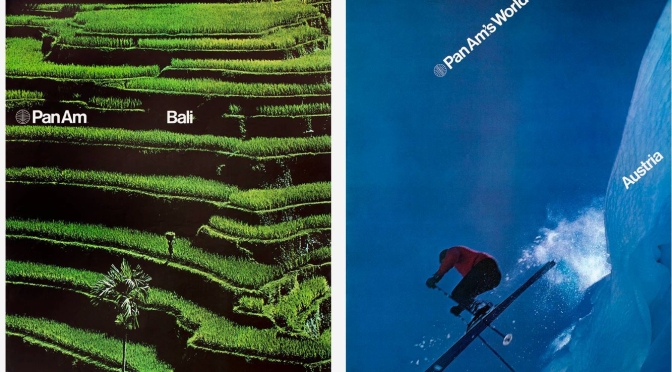
 Moncocle.com spoke with Tom Geismar, founding partner of Chermayeff & Geismar, one of the top graphic design agencies in the world and the man responsible for the marketing of Pan Am in the 1950’s, 60’s and 70’s.
 The most important aspect of the identity design for Pan Am was to suggest that the name of the airline be changed to “Pan Am” from the long and cumbersome “Pan American World Airways.” The Pan Am logotype in capitals and lower-case letters was also adopted with an accompanying world symbol.
 In this gorgeously illustrated collection of airline route maps, Mark Ovenden and Maxwell Roberts look to the skies and transport readers to another time. Hundreds of images span a century of passenger flight, from the rudimentary trajectory of routes to the most intricately detailed birds-eye views of the land to be flown over. Advertisements for the first scheduled commercial passenger flights featured only a few destinations, with stunning views of the countryside and graphics of biplanes. As aviation took off, speed and mileage were trumpeted on bold posters featuring busy routes. Major airlines produced highly stylized illustrations of their global presence, establishing now-classic brands. With trendy and forward-looking designs, cartographers celebrated the coming together of different cultures and made the earth look ever smaller.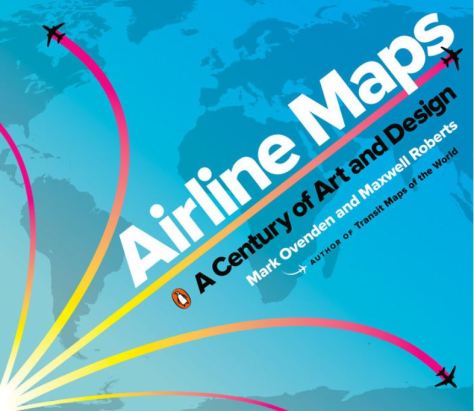

 Here’s how Airport’s service works: A passenger checks in online. The company collects the bags from their doorstep after confirming the person’s identity. The driver puts the bag in a coded, tamperproof, and trackable security bag, the company said. The driver delivers the luggage to the airport, where they check in the bag.
 Boomers Daily