Heirs to an iconic fortune sought out a wealth manager who would assuage their progressive consciences. Now their dispute is exposing dynastic secrets.
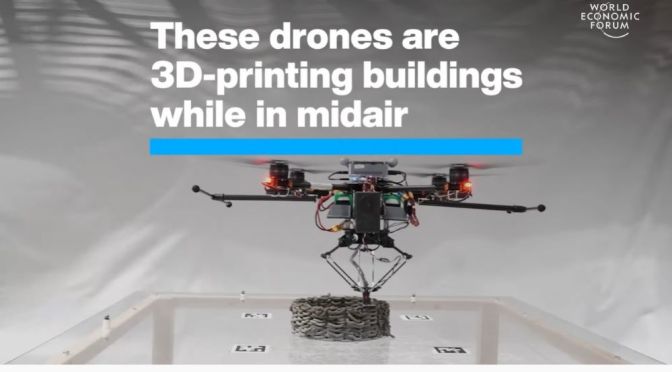
World Economic Forum top stories of the week: 0:15 – The World’s First flying 3D printer 01:32 – Your outer circle of friends is more important for your career than you think 02:47 – How high interest rates lower inflation 04:47 – This Swedish start up has developed an electric passenger plane
A new study used a light-based tomographic #3Dprinting approach to synthesize fine glass parts. The method should be flexible enough to provide a variety of high-quality glass parts for various applications.
COVER – A glass structure about 4.5 mm tall with features as small as 0.25 mm is 3D printed with microscale computed axial lithography followed by high-temperature sintering. The process enables the synthesis of highly transparent and inert glass parts with fine details, which are useful for a variety of applications.
“We set out to design the perfect habitat for space explorers on the red planet as part of NASA’s international 3D Printed Habitat Challenge.“
Our team, in collaboration with structural engineers Eckersley O’Callaghan (EOC), was shortlisted to design the world’s first human home on Mars. In our design, an external shell made from local Martian regolith would be built in advance by autonomous robots before exploration teams arrived to construct the interior – a series of inflatable ‘pods’ containing everything for work and life on Mars.
Our aim was to bring a more human element to space design, typically all about maximum efficiency and performance. Our habitat goes far beyond just ticking the boxes for safety and survival. It’s a home away from home where astronauts can carry out the most important work in the history of space exploration.
In this Nature podcast: a new way to produce aerogels opens up their use, the countries that collect Covid-19 data effectively, and understanding how sulfur can change state between two liquids.
In this episode:
01:05 Printing aerogels
Aerogels are materials with impressive insulating properties, but they’re difficult to handle, due to their innate fragility. Now, researchers have shown a new way to 3D print the most common form of aerogel, opening up a range of potential new applications. Research Article: Zhao et al.
07:00 Coronapod
To provide targeted public health interventions during the pandemic, it’s vital that data are collected and shared effectively. We discuss the countries doing this well, and find out how fragmented systems are preventing epidemiologists from giving up-to-date information on outbreaks.
It’s been thought that some liquids may be able to exist in two distinct states, but evidence has been scarce. Now, researchers show that sulfur can exist in two liquid states, and have discovered some insights into how this might occur. Research Article: Henry et al.; Video: 24 hours in a synchrotron
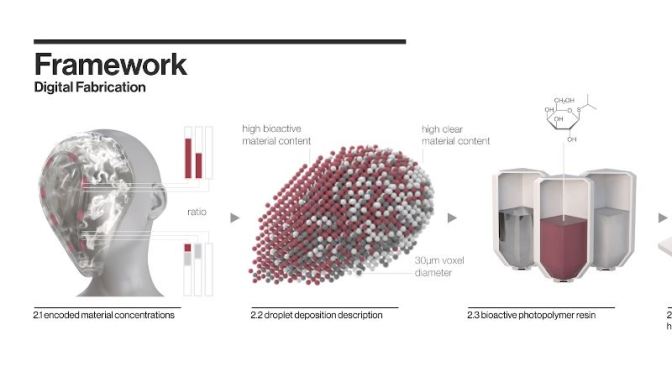
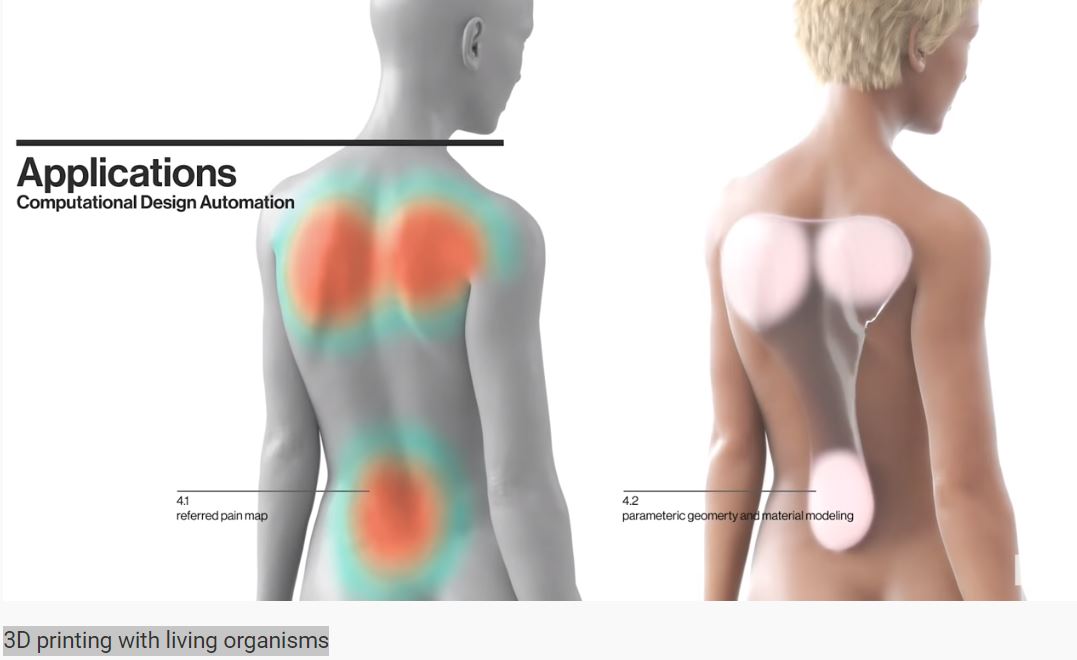
A method for printing 3D objects that can control living organisms in predicable ways has been developed by an interdisciplinary team of researchers at MIT and elsewhere. This technique may lead to 3D printing of biomedical tools that can be customized to fit the physical body and biomarkers of its users.



















 Boomers Daily