
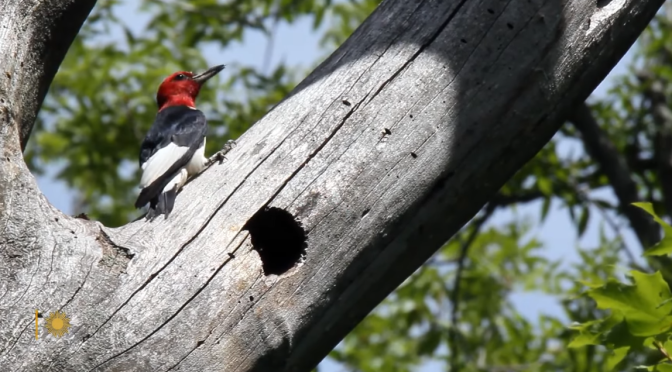
“Sunday Morning” takes us this week among some red-headed woodpeckers at Knox Farm State Park in western New York. Videographer: Carl Mrozek.
Category Archives: Wildlife
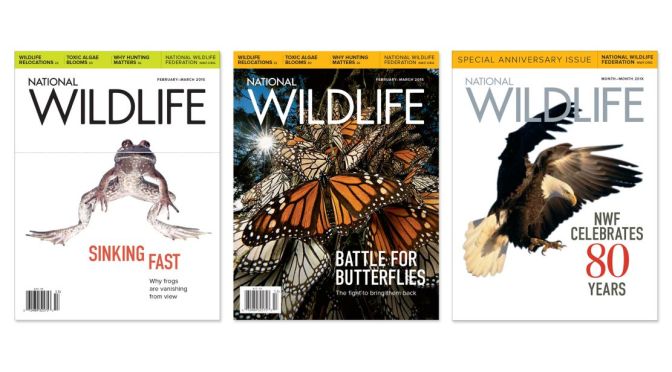
Cover: National Wildlife Magazine – Aug/Sep 2022

National Wildlife Magazine – August/September 2022
Burning Up
Heat, drought and wildfires are ravaging western wildlife while conservationists try to help ecosystems adapt
By Brianna Randall – Conservation, Aug 02, 2022

Dead mussels lie along the Pacific shore of Vancouver, British Columbia, during 2021’s summer heat wave. Scientists estimate that the record-breaking heat killed more than 1 billion marine animals off the coasts of British Columbia and Washington state.
(Photo by Christopher Harley/University of British Columbia)
GASPING SALMON WITH INFECTED LESIONS. Emaciated deer searching sagebrush flats for water. Clams and mussels boiled to death in their shells. Last summer, temperatures in the Northwest soared to record highs in the triple digits, killing more than 1 billion marine animals in the Salish Sea and stressing wildlife from the Pacific to the Rocky Mountains. Simultaneously, ongoing drought in the Southwest—which began in 2000 and is the region’s driest 22-year period in 1,200 years—is causing plants to wither, springs to dry up and wildfires to engulf entire landscapes.
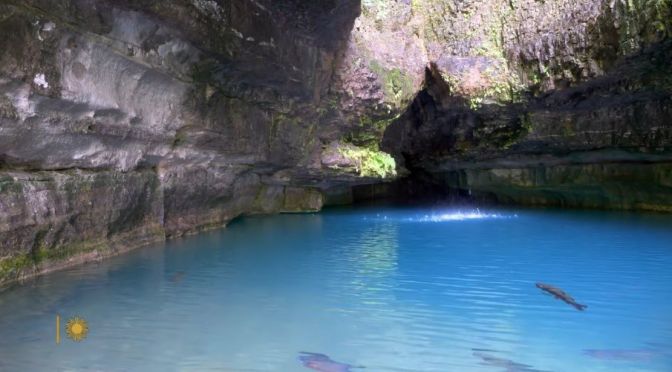
Missouri Views: Rainbow Trout At Roaring River
“Sunday Morning” takes us swimming with rainbow trout at Missouri’s Roaring River State Park. Videographer: Scot Miller.
Located in the southwest Ozark hills, Roaring River State Park is one of three state parks stocked with rainbow trout. Eager anglers flock to the park year-round to try and catch their lunker trout.

Wildlife Views: Sea Otters Feeding In Seaweed Beds
The charismatic otter, a member of the weasel family, is found on every continent except Australia and Antarctica. Most are small, with short ears and noses, elongated bodies, long tails, and soft, dense fur.
There are 13 species in total, ranging from the small-clawed otter to the giant otter. Though most live in freshwater rivers, lakes, and wetlands, the sea otter and the smaller marine otter are found in the Pacific Ocean.
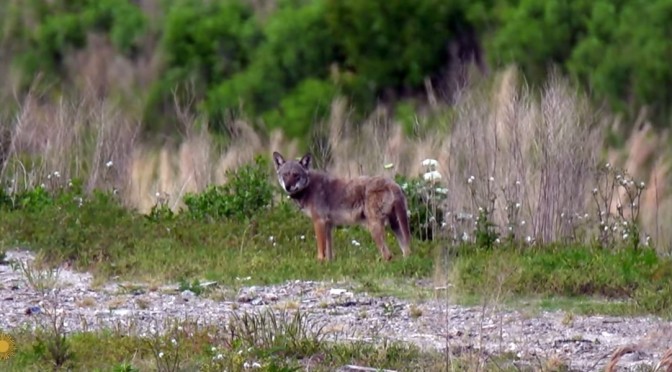
North Carolina View: Red Wolves In Pamlico Sound
“Sunday Morning” takes us among red wolves, a critically endangered species, near Pamlico Sound in eastern North Carolina. Videographer: Carl Mrozek.
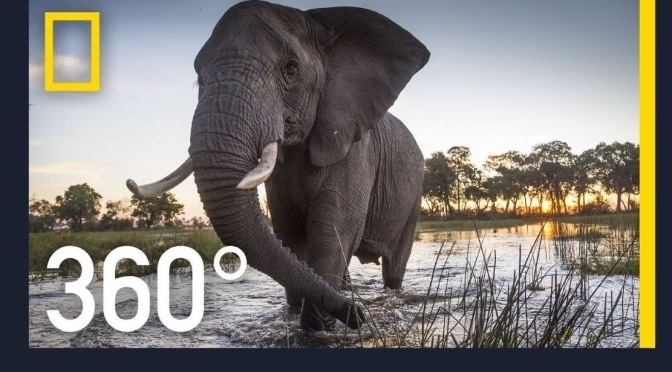
360° Africa: Okavango Delta In Botswana (5K)
Glide through the waterways of Botswana’s Okavango Delta and come face to face with its wildlife in this immersive 360 experience. Through Okavango Eternal, work is underway to help protect the source waters of this one-of-a-kind region, and support tourism that benefits local communities.
The Okavango Delta is a vast inland river delta in northern Botswana. It’s known for its sprawling grassy plains, which flood seasonally, becoming a lush animal habitat. The Moremi Game Reserve occupies the east and central areas of the region. Here, dugout canoes are used to navigate past hippos, elephants and crocodiles. On dry land, wildlife includes lions, leopards, giraffes and rhinos.
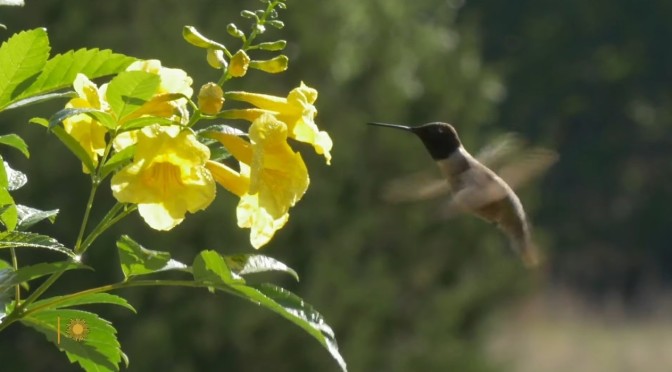
Nature Views: Birdlife In Texas Hill Country (CBS)
“Sunday Morning” takes us among hummingbirds and songbirds in the Texas Hill Country. Videographer: Scot Miller.
The Texas Hill Country is a geographic region of Central and South Texas, forming the southeast part of the Edwards Plateau. Given its location, climate, terrain, and vegetation, the Hill Country can be considered the border between the American Southeast and Southwest.
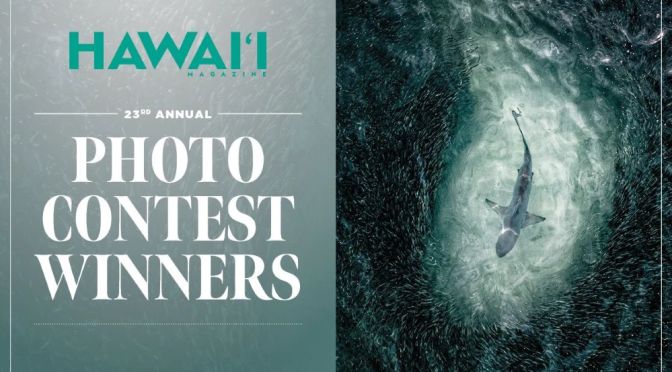
Contests: The 2022 Hawaii Magazine Photo Winners
Grand Prize

Leighton Lum from ‘Aiea, O‘ahu
“I took this shot during the 2020 pandemic lockdowns. This shot was only made possible because there were very few people going outside during the lockdowns, and bait balls were coming into beaches along Waikīkī. With the bait balls so close to shore and with so few people around, these sandbar sharks were able to come in and snag an easy meal.
I was lucky enough to be flying my drone that day and had a few great views of this interesting hunting behavior that is not often seen in heavily populated areas such as Waikīkī.”
Land | First Place

Semaj Thomas from Honolulu, O‘ahu
“I went out for sunrise at Kualoa Regional Park. It was a cloud covered morning—which generally are my favorite times to shoot because there is always potential for light leaks. I sent up the drone, set the composition and Mother Nature did the rest. This image to me is indicative of the stories I’ve learned about historic Hawai‘i, and I hope it stands the test of time.”
Ocean | First Place

Peter Tang from Honolulu, O‘ahu
“A high surf advisory ushered a procession of waves to O‘ahu’s Waimea Bay. The wind blew water off the lip and the morning sun illuminated the spray to create a rainbow in its wake.”
People | First Place

Lisa Titimacco from Wahiawā, O‘ahu
“I remember this day well—I got out a little before sunset during a decent winter south swell on O‘ahu. After a set rolled through, I saw my friend Nancy (@nancxyx) sitting on the nose of her longboard, taking a break and watching the other surfers. She was so relaxed and the golden hour light was hitting her face perfectly so I took a couple shots. They turned out pretty good.”
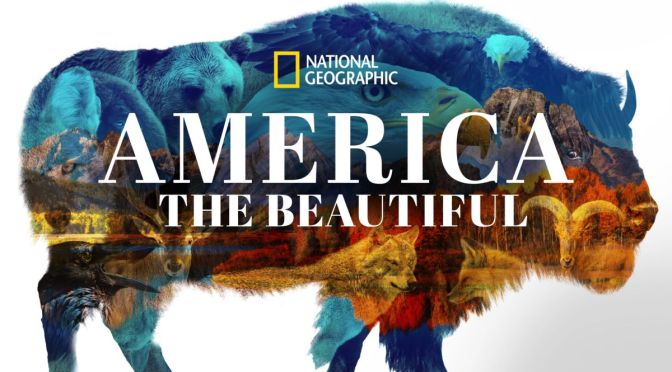
National Geographic: ‘America The Beautiful’
Witness the wildlife of North America as you’ve never seen it before on #AmericaTheBeautifulSeries, narrated by Michael B. Jordan.
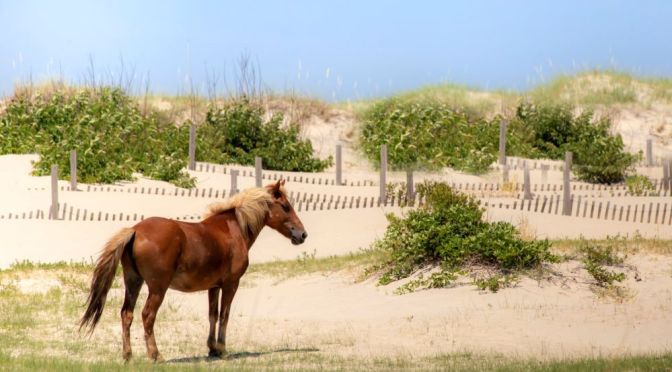
North Carolina: The Wild Ponies Of The Outer Banks
“Sunday Morning” leaves us with wild horses along the Outer Banks near Corolla, North Carolina. Videographer: Carl Mrozek.
The Corolla Wild Horses are located in the northernmost beaches of the Outer Banks, in the 4WD area that’s just north of Corolla. Wild horses, also known as Wild Ponies, are also found on Ocracoke Island, and can be viewed at the Ocracoke Pony Pen just south of the Hatteras / Ocracoke ferry docks.
 Boomers Daily