
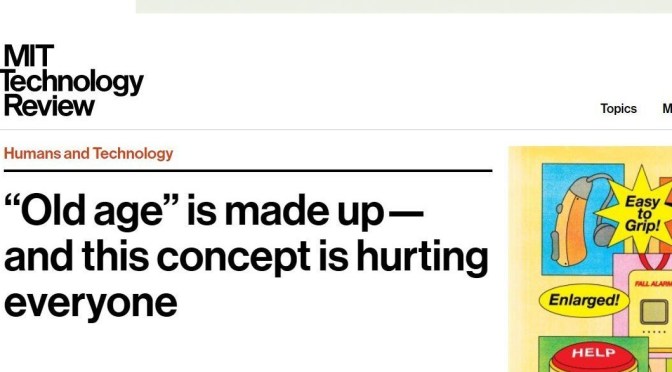
From an MIT Technology Review article by Joseph F. Coughlin:
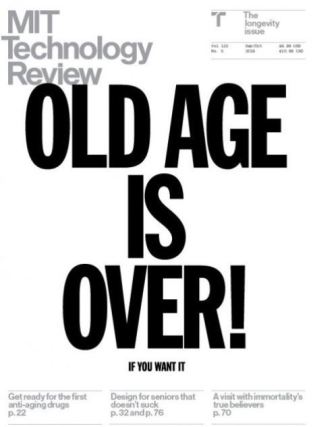 Technologists, particularly those who make consumer products, will have a strong influence over how we’ll live tomorrow. By treating older adults not as an ancillary market but as a core constituency, the tech sector can do much of the work required to redefine old age. But tech workplaces also skew infamously young. Asking young designers to merely step into the shoes of older consumers (and we at the MIT AgeLab have literally developed a physiological aging simulation suit for that purpose) is a good start, but it is not enough to give them true insight into the desires of older consumers. Luckily there’s a simpler route: hire older workers.
Of all the wrenching changes humanity knows it will face in the next few decades—climate change, the rise of AI, the gene-editing revolution—none is nearly as predictable in its effects as global aging. Life expectancy in industrialized economies has gained more than 30 years since 1900, and for the first time in human history there are now more people over 65 than under 5—all thanks to a combination of increasing longevity, diminished fertility, and an aging Baby Boom cohort. We’ve watched these trends develop for generations; demographers can chart them decades in advance.
To read more click on the following link: https://www.technologyreview.com/s/614155/old-age-is-made-upand-this-concept-is-hurting-everyone/

 We looked at green beans, roasted beans and extracted (brewed) coffee samples and through advanced analytical procedures studied the volatile and non-volatile compounds present. By evaluating the individual compounds in coffee we were able to map the most significant ones contributing to the characteristic aroma and flavor of coffee.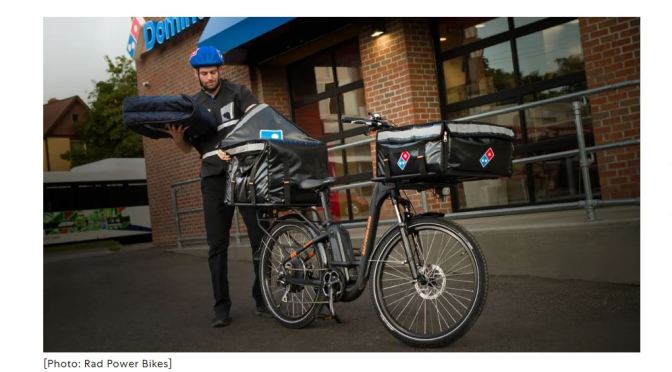
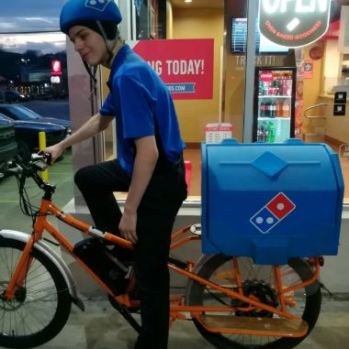 The national pizza chain recently announced a partnership with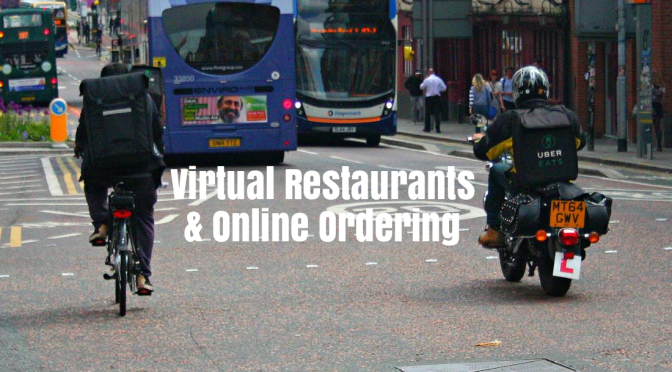
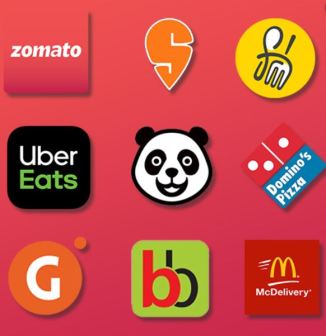 No longer must restaurateurs rent space for a dining room. All they need is a kitchen — or even just part of one. Then they can hang a shingle inside a meal-delivery app and market their food to the app’s customers, without the hassle and expense of hiring waiters or paying for furniture and tablecloths. Diners who order from the apps may have no idea that the restaurant doesn’t physically exist.
 Here’s how Airport’s service works: A passenger checks in online. The company collects the bags from their doorstep after confirming the person’s identity. The driver puts the bag in a coded, tamperproof, and trackable security bag, the company said. The driver delivers the luggage to the airport, where they check in the bag.
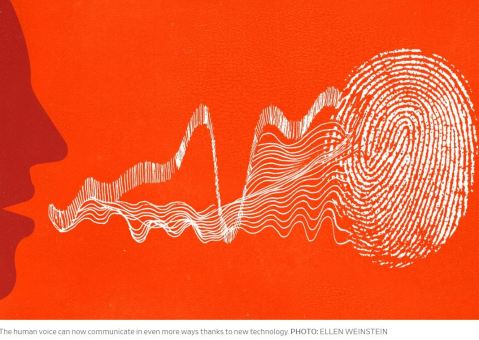 Slower speech, for example, could indicate fatigue or sorrow at one point in time, but over longer periods could signal something more severe, co-founder Jim Harper said.
 Garfield Corporation), a 4-unit mixed income development in Pittsburgh’s East End. One home, located at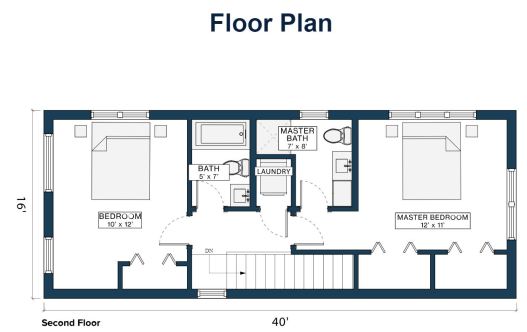


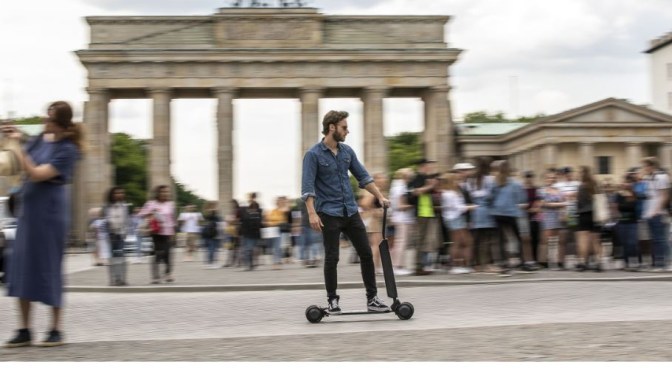
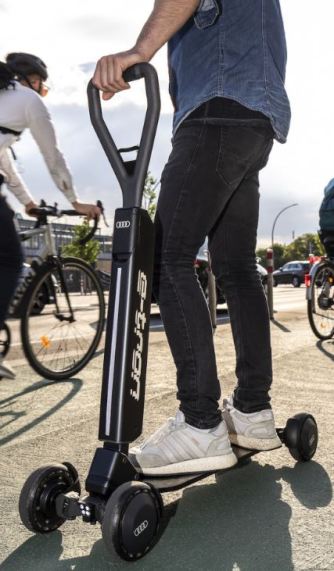 With a new e-scooter concept, Audi is responding to the urban trend towards multi-modal mobility. The Audi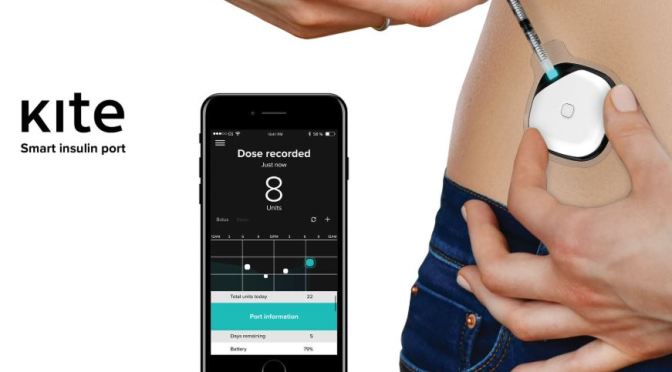
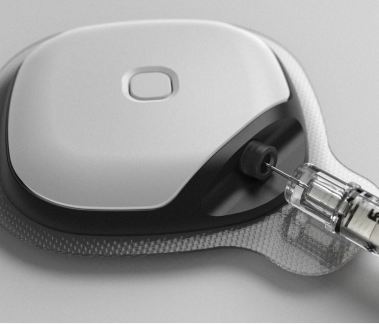 Imagine a smart insulin port attached to your skin, delivering the right dose, and at the right time. At the same moment, getting all information regarding your sugar levels, meds timings and health data, managed and analyzed with the accompanying app.
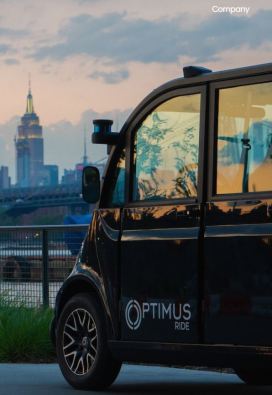 The car did what it was supposed to. The ride was a bit shaky, but it’s unclear whether that was because of the vehicle itself or because its AI system was constantly re-evaluating its surroundings. But it felt safe — we slowed down and swerved around a cyclist without leaving the lane. The cars had the entire route mapped out; each destination was already programmed in.
 Boomers Daily